The global streaming landscape is currently undergoing a seismic shift as major platforms pivot from broad-spectrum content acquisition to specialized, high-engagement niches. Among these, the Japanese animation industry—better known as anime—has emerged as the premier battleground. While Netflix has long invested in original "Anime-influenced" content and Sony’s Crunchyroll remains the dedicated titan of the genre, Amazon Prime Video has officially signaled its intention to move beyond being a mere participant. The company is now positioning itself to become the definitive global hub for anime, leveraging high-profile intellectual properties and a sophisticated regional distribution strategy.
This strategic pivot was underscored by Gaurav Gandhi, Prime Video’s Vice President for the Oceania region, during the "Prime Video Presents: International Originals" showcase held on February 12th. Gandhi’s proclamations suggest that Amazon is no longer content with a "relatively tiny" library of exclusives. Instead, the tech giant is embarking on an aggressive expansion campaign aimed at capturing the hearts of the "otaku" demographic on a worldwide scale.
The 2026 Vision: Strategic Pillars of Amazon’s Anime Expansion
The cornerstone of Amazon’s strategy involves the revitalization of legendary franchises alongside the continuation of modern hits. During his presentation, Gandhi highlighted three specific productions that serve as the vanguard for this new era of Prime Video content.

The Ghost in the Shell (2026)
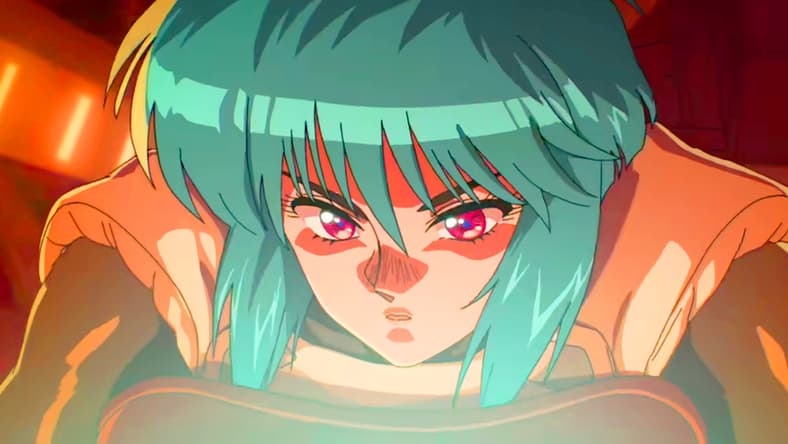
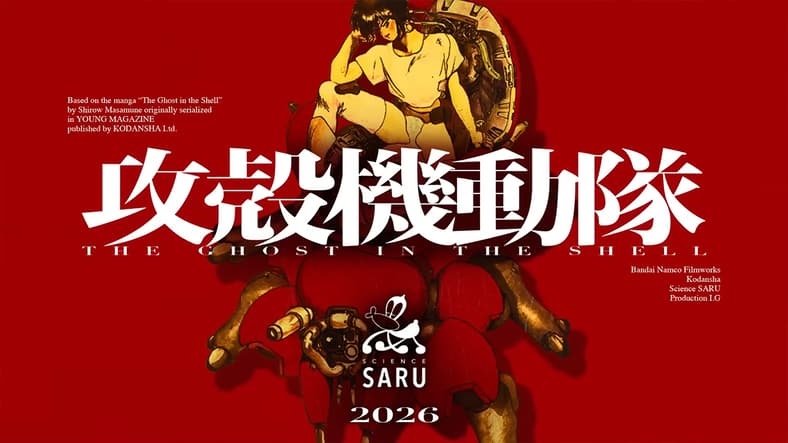
Perhaps the most significant announcement is the upcoming adaptation of The Ghost in the Shell, scheduled for a July 2026 premiere. Gandhi described the work as "the most influential Japanese sci-fi work of all time," a claim supported by the franchise’s massive impact on Western cinema, including The Matrix.
This new iteration is being helmed by Science Saru, an animation studio renowned for its fluid, avant-garde visual style (seen in Devilman Crybaby and Keep Your Hands Off Eizouken!). The project is a massive collaborative effort, involving a production committee that includes Bandai Namco Filmworks, Kodansha, and the franchise’s long-time steward, Production I.G. This partnership suggests a high-budget, prestige production designed to appeal to both long-time fans and a new generation of sci-fi enthusiasts.
Fist of the North Star: Hokuto No Ken
To coincide with the 40th anniversary of the original series, Amazon has green-lit a reboot of Fist of the North Star through TMS Entertainment. Gandhi noted that "few properties can match the cultural impact" of Kenshiro’s post-apocalyptic journey. By securing a reboot of a "Big Three" foundational series, Amazon is signaling to the industry that it has the capital and the clout to handle legacy IPs that were previously the domain of specialized Japanese broadcasters.
From Old Country Bumpkin to Master Swordsman
While reboots provide nostalgia, Amazon is also doubling down on "Isekai" and fantasy trends that drive consistent viewership. The second season of From Old Country Bumpkin to Master Swordsman is a key part of the 2026 slate. According to internal data, the first season ranked among Prime Video’s top ten titles in 45 countries. Its renewal reflects Amazon’s data-driven approach to content: identifying "sleeper hits" with high retention rates and scaling them for a global audience.
Chronology of Amazon’s Anime Evolution
Amazon’s journey into the anime market has been one of trial, error, and eventual refinement. To understand the current "Global Hub" strategy, one must look at the timeline of their involvement:
- The Noitamina Era (2016-2018): Amazon’s first major foray involved an exclusive deal with Fuji TV’s "Noitamina" programming block. While this brought prestige titles like Kabaneri of the Iron Fortress and The Promised Neverland to the platform, the service struggled with a clunky interface and a lack of marketing compared to its competitors.
- The Licensing Lull (2019-2022): For several years, Amazon appeared to take a backseat as Netflix and Crunchyroll aggressively bid on seasonal "simulcasts." Amazon focused instead on high-profile movie acquisitions, such as the global rights to Evangelion: 3.0+1.0 Thrice Upon a Time, which proved there was a massive, underserved Prime audience for premium anime content.
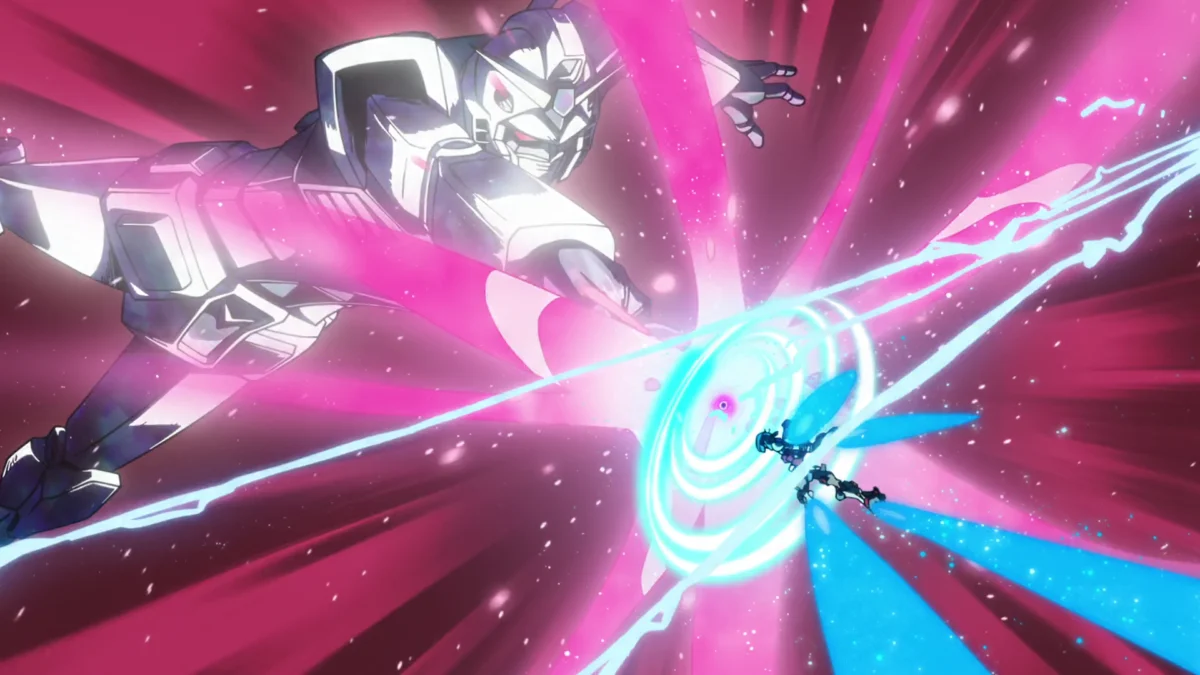
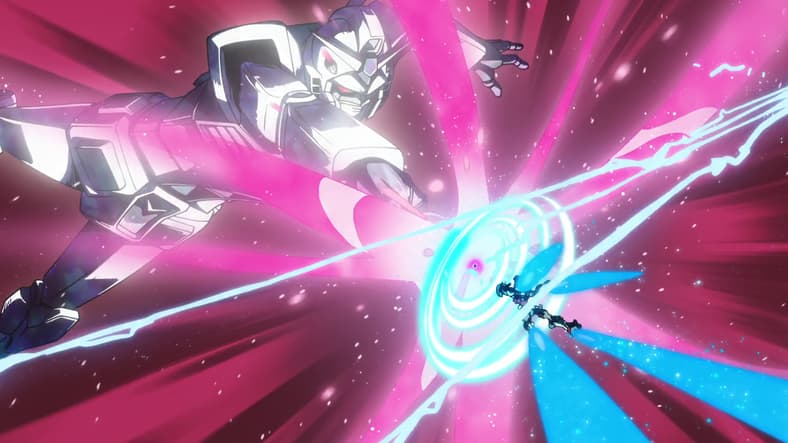
- The Current Expansion (2023-Present): Amazon began experimenting with niche exclusives like City the Animation, Mobile Suit Gundam GQuuuuuuX, and the cult-favorite New Panty & Stocking with Garterbelt.
- The 2026 Proclamation: The February 2025 showcase marks the transition from experimental licensing to a structured, multi-year production roadmap.
Supporting Data: The "Explosive Growth" of the Medium
The rationale behind Amazon’s billion-dollar bet is rooted in hard data. The Japanese anime industry reached a market value of approximately $20.6 billion in 2022, with international demand accounting for nearly half of that revenue.
Gandhi emphasized that anime is "truly experiencing explosive growth," not just in traditional markets like North America and Europe, but across the Asia-Pacific (APAC) region. The "halo effect" of anime also drives engagement with other Asian content. Prime Video has observed that users who consume Japanese anime are statistically more likely to engage with Korean dramas (K-Dramas) and Indian cinema. By becoming the "home for the best anime," Amazon creates a gateway to its broader library of international originals.
Official Responses: A Regional and Global Mission
The rhetoric from Amazon leadership suggests a "championing" of Asian culture on the world stage. Gandhi’s comments reflect a corporate philosophy that views regional content as the new global standard.
"When we look at [the countries in the Asia-Pacific area], there’s an extraordinary opportunity to take exceptional local content from multiple entertainment ecosystems across the region and bring it to the world," Gandhi told the audience. "The opportunity is immense, and as a global service, we’re uniquely positioned to champion Asian content on the world stage."
This sentiment was echoed by industry analysts who note that Amazon’s "Prime" ecosystem—which includes shipping, music, and gaming—gives it a unique advantage. Unlike Netflix, which relies solely on subscription fees, Amazon can monetize anime through merchandise, manga sales via Kindle, and soundtrack streaming on Amazon Music, creating a 360-degree monetization loop for Japanese IP holders.
Implications for the Industry: "Anime Content" vs. "Anime"
One of the most intriguing aspects of Gandhi’s presentation was his specific use of the phrase "anime content" rather than simply "anime." In the nuanced world of media trade, this choice of words often hints at a broader scope of production.
Live-Action Adaptations and Tokusatsu
Industry insiders speculate that Amazon may be looking to replicate the success of Netflix’s One Piece live-action series. By securing the rights to The Ghost in the Shell and Fist of the North Star, Amazon is sitting on IPs that are ripe for high-budget live-action "event" series.

Furthermore, there is the potential for a revival of Amazon’s interest in Tokusatsu (special effects-heavy live-action). Amazon has a history of working with Toei on "mature" reimaginings of classic franchises, such as Kamen Rider Amazons and Kamen Rider Black Sun. While these were niche successes, the "Global Hub" strategy could see Amazon producing high-fidelity takes on Metal Heroes or other Toei properties to compete with Disney’s Marvel or Star Wars offerings.
The Competitive Threat to Crunchyroll and Netflix
Amazon’s aggressive move poses a direct threat to Sony-owned Crunchyroll. While Crunchyroll remains the "purist’s" choice with a library of thousands of titles, Amazon’s strategy of focusing on "prestige" exclusives could siphoning off the casual and "prestige-seeking" viewers.
If Amazon successfully secures the "must-watch" show of every season—similar to how it handled the Evangelion finale—it could force a consolidation in the market. Fans who are already paying for Prime for shipping benefits may find it harder to justify a separate Crunchyroll or Netflix subscription if the highest-quality anime is already included in their existing Prime membership.

Conclusion: A July 2026 Turning Point
As the industry looks toward 2026, the stakes for Amazon Prime Video could not be higher. The simultaneous release of The Ghost in the Shell and From Old Country Bumpkin to Master Swordsman Season 2 in July 2026 will serve as the first major test of this new strategy.
If these titles deliver both critical acclaim and high viewership numbers, Amazon will have successfully transitioned from a retail giant that "also has video" to a cultural powerhouse that defines the global consumption of Japanese media. For the "weeaboo" community and the broader entertainment industry alike, the message from Amazon is clear: the future of anime is no longer confined to specialized platforms—it is going mainstream, and it is going Prime.