
 Raul Delapena Setiawan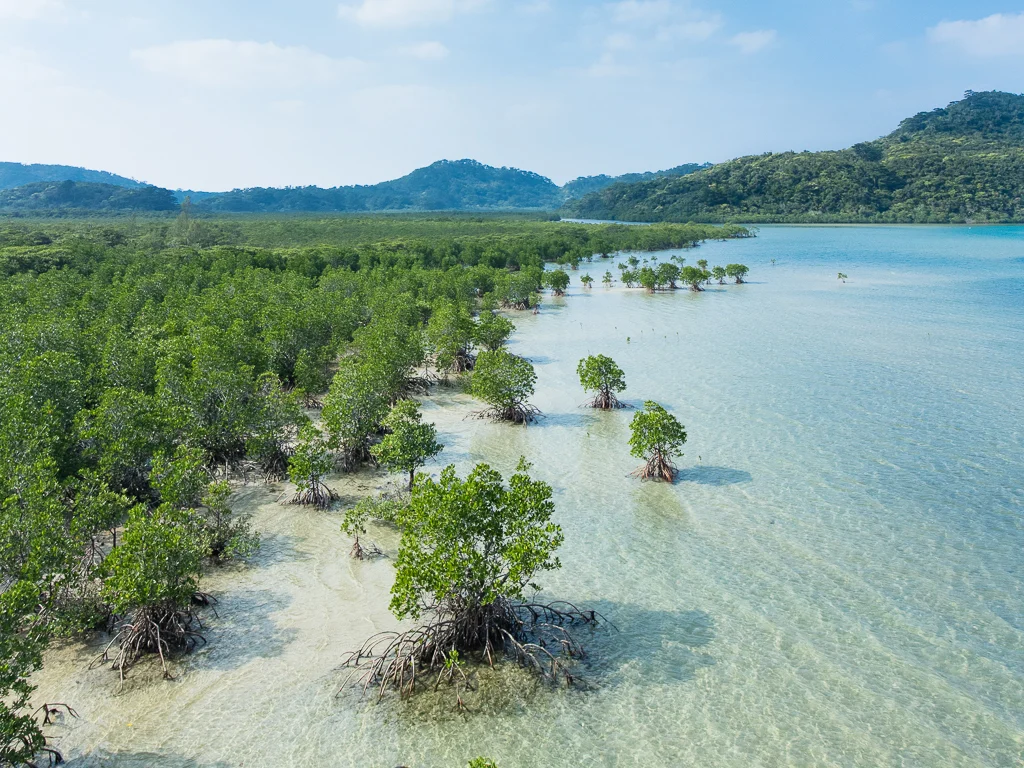
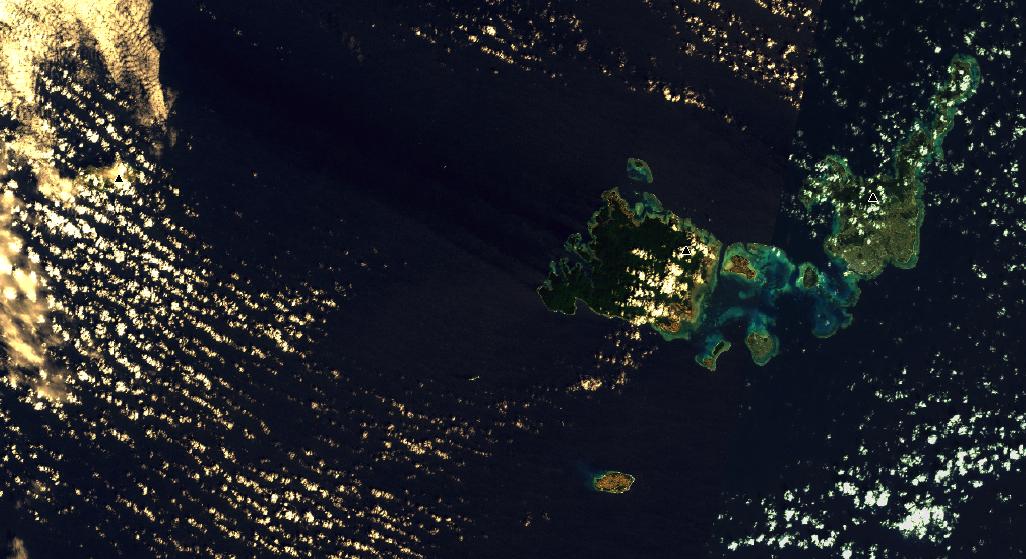
Located 400 kilometers southwest of Okinawa’s main island and situated closer to the shores of Taiwan than to the neon-lit skyscrapers of Tokyo, the Yaeyama Islands (Yaeyama Shoto) represent the final, subtropical frontier of Japan. This archipelago of 12 islands is not merely a geographic extension of the country; it is a distinct cultural, ecological, and historical enclave that remains one of the best-kept secrets in the Pacific.
Main Facts: A Distinct Archipelago
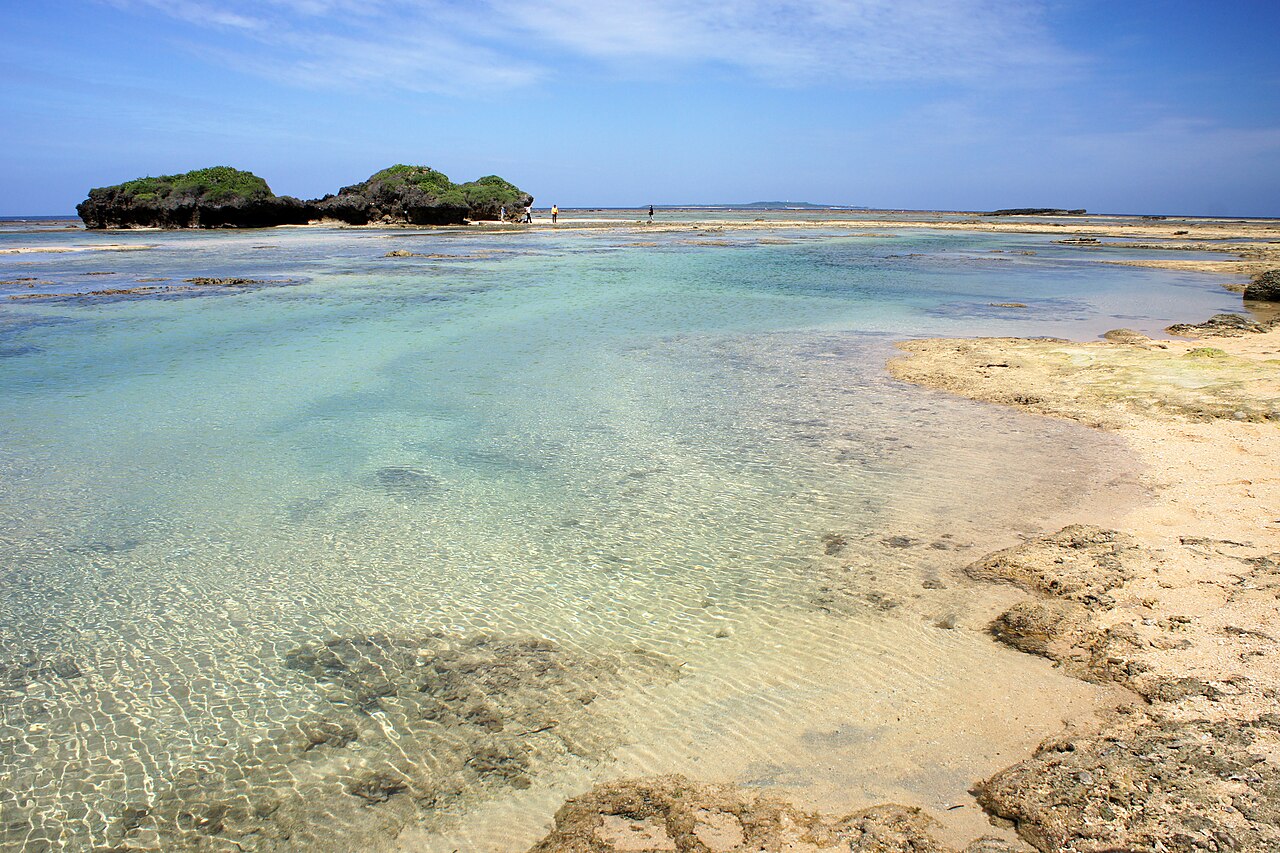
The Yaeyama group is defined by its isolation and its unique status as the southernmost inhabited islands of Japan. Unlike the urbanized centers of Honshu, Yaeyama is characterized by lush subtropical forests, vast mangrove estuaries, and pristine coral-reef lagoons.
Culturally, the islands are a world apart. They are the ancestral home of the Ryukyuan people, whose language, music, and culinary traditions remain vibrant despite the 1879 annexation by the Japanese Empire. The architecture, particularly on Taketomi Island, preserves a layout and aesthetic—red-tile roofs, shisa lion-dog guardians, and crushed-coral paths—that dates back centuries. For the modern traveler, the islands offer a blend of "Old Japan" and a tropical wilderness that rivals the most exotic destinations in Southeast Asia.
Chronology: From Kingdom to National Park
The historical trajectory of the Yaeyamas is rooted in the Ryukyu Kingdom, a seafaring nation that served as a vital trade hub between China, Japan, and Southeast Asia.
- Pre-1879: The archipelago operated under the influence of the Ryukyu Kingdom, maintaining strong trade and cultural ties with China.
- 1879: The Japanese annexation of the Ryukyu Kingdom marked the beginning of modern administrative integration, though the islands retained a fiercely independent cultural identity.
- Post-WWII: The islands underwent rapid, albeit limited, development as part of the Okinawa Prefecture.
- Modern Era: The establishment of the Iriomote-Ishigaki National Park has served as a critical turning point. By protecting 90% of Iriomote’s landmass, the Japanese government has signaled a move toward conservation-led tourism, prioritizing the preservation of the endemic Iriomote wildcat and the mangrove ecosystems over mass commercial expansion.
Supporting Data: The Logistics of the Archipelago
Understanding the Yaeyama "hub-and-spoke" model is essential for any traveler.
Ishigaki: The Gateway
With a population of 48,000, Ishigaki is the logistical anchor. Serving as the primary transit point for all air and sea traffic, it houses the majority of the region’s infrastructure. It is not merely a transit hub, however; it offers dramatic limestone cliffs at Hirakubo and world-class diving at "Manta Scramble."
Iriomote: The Jungle Island
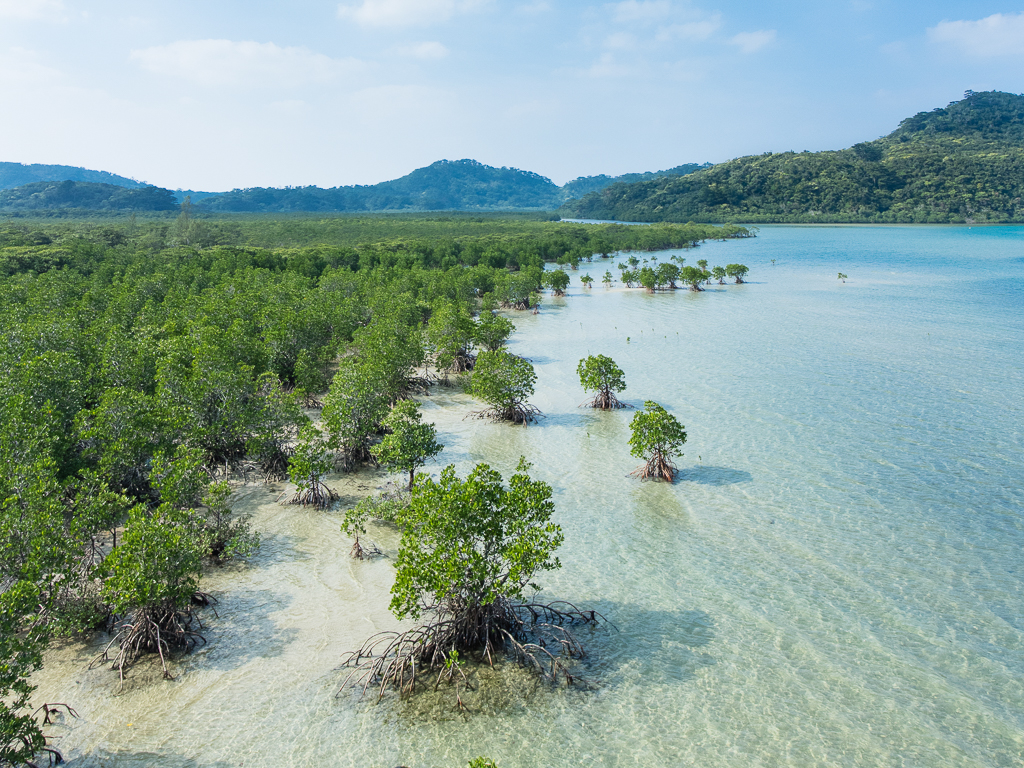
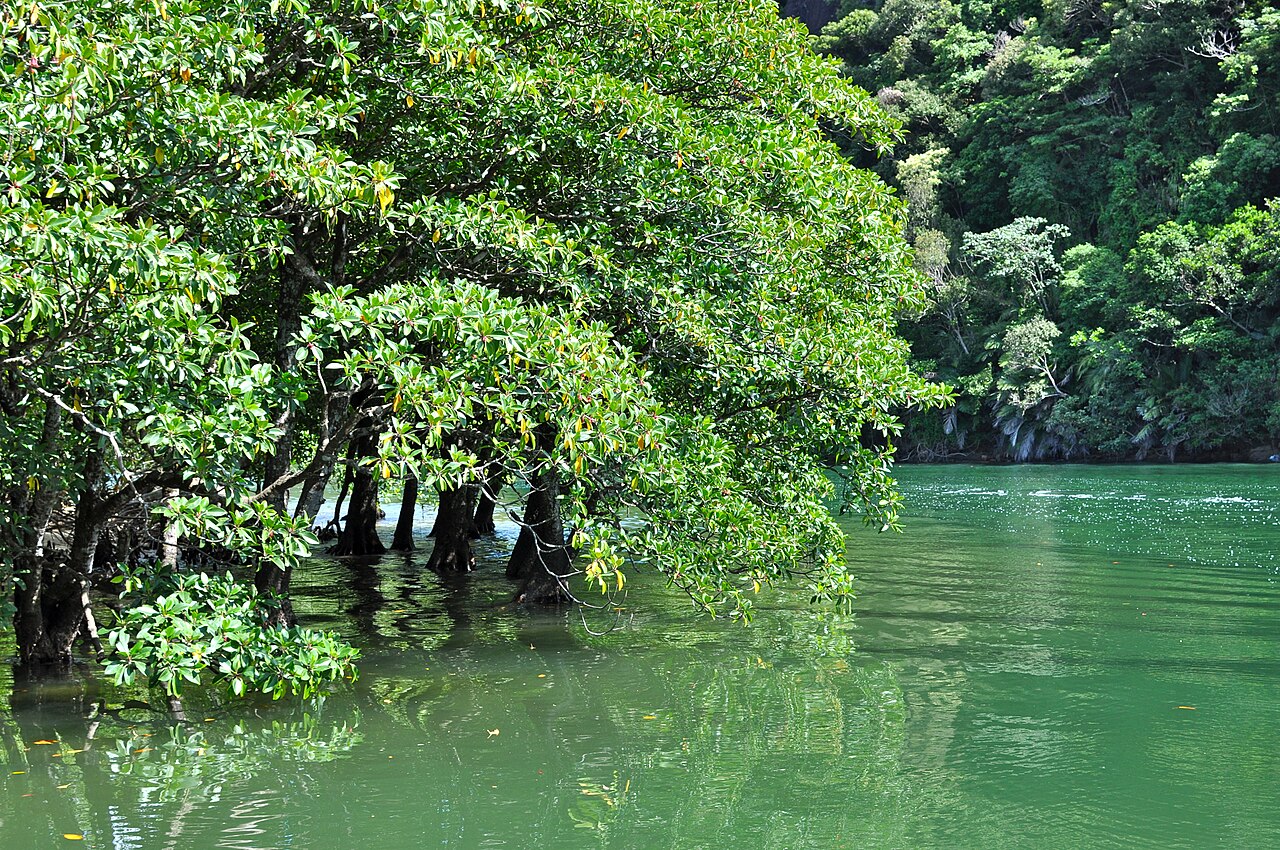
Iriomote is the largest of the group but remains sparsely populated with only 2,400 residents. It holds the largest intact mangrove forest in Japan. Its ecology is unique; the island is a haven for sea turtles (hawksbill, green, and loggerhead) and the elusive Iriomote wildcat.
Taketomi: The Cultural Museum
At just 5.4 square kilometers, Taketomi is an architectural marvel. Strict local ordinances established in 1987 ensure that no modern materials—such as concrete—mar the aesthetic. Every repair must meet traditional specifications, effectively keeping the village in a state of living history.
Outer Island Categorization
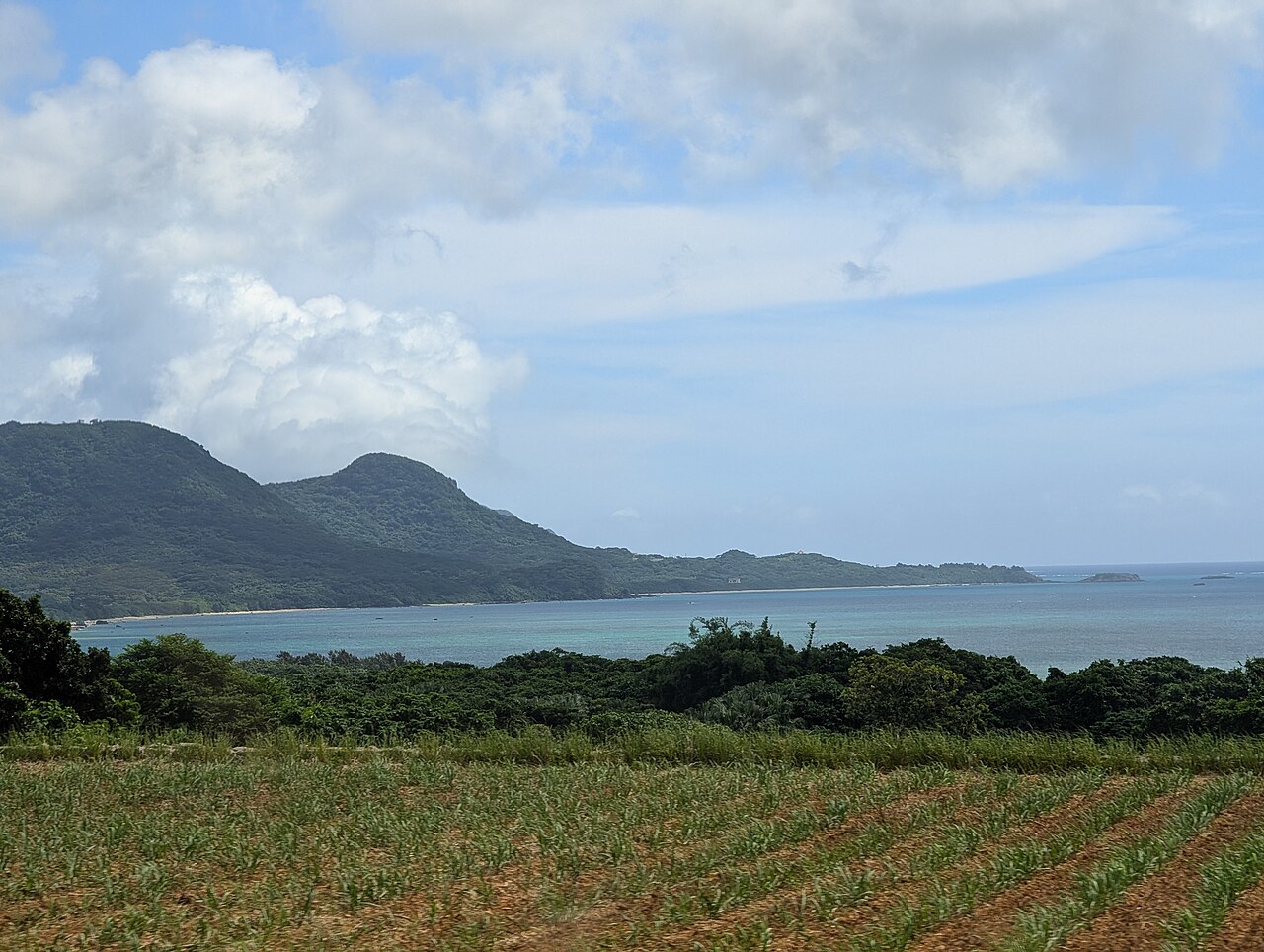
- Kohama: The resort center, popular for its Haimurubushi resort and cinematic coastal landscapes.
- Kuroshima: The "Heart Island," where the cattle population outnumbers humans by a factor of ten, serving as the agricultural engine of the region.
- Hateruma: The southernmost inhabited point in Japan, famous for its unpolluted night skies and star-gazing potential.
- Yonaguni: The westernmost point of the nation, reachable only by flight. It is home to the controversial "Yonaguni Monument," a series of underwater rock formations that continue to baffle geologists and historians alike.
Official Responses and Conservation Efforts
The local government and the Ministry of the Environment have taken an aggressive stance on ecological preservation. Due to the fragility of the mangrove systems and the endangered status of local fauna, regulations are strictly enforced.
Local authorities emphasize that tourism must be sustainable. For instance, the "no-touch, no-feed" policy regarding marine life is rigorously promoted at ferry terminals and dive centers. Furthermore, the implementation of night-driving speed limits on Iriomote is a direct response to the accidental road-kills of the Iriomote wildcat, highlighting a conflict between tourist movement and wildlife safety that the local council manages with increasing vigilance.
Implications for Travelers: Planning the Trip
For those contemplating a journey to the Yaeyamas, the "three-island rule" is the gold standard for a realistic itinerary:
- The Base: Spend 2–3 nights on Ishigaki to acclimate and utilize it as a base for water-based activities.
- The Nature Experience: Dedicate 1–2 nights to Iriomote. Given the common ferry cancellations due to the volatile weather in the East China Sea, it is advised to use the "first ferry out, early return" rule to avoid being stranded.
- The Cultural Day-Trip: Reserve one full day for Taketomi. Renting a bicycle is the only recommended mode of transport, as cars are ill-suited for the narrow, sand-paved streets.
Economic and Practical Considerations
The Yaeyamas are not "budget" destinations in the traditional sense. While business hotels in Ishigaki start at ¥7,000 per night, the luxury sector—led by properties like the ANA Intercontinental—can easily exceed ¥60,000.
Travelers should also note the seasonality. While summer offers prime swimming, it also brings typhoon risks and humidity levels exceeding 85%. The consensus among local guides is that October and November provide the optimal balance of fair weather, lower humidity, and reduced tourist density.
The Language and Cultural Gap
While Japanese is the official language, the local Yaeyama-go remains in use among the elderly and in cultural performances. For the international visitor, English signage is common in Ishigaki, but as one moves to the outer islands, the reliance on digital translation tools becomes necessary. However, the hospitality sector is well-accustomed to international visitors; PADI-certified dive schools in Ishigaki, for instance, are fully equipped to handle non-Japanese speaking students.
Conclusion: Is the Commitment Worth It?
The Yaeyama Islands are a "second-trip" destination. For the first-time visitor to Japan, the travel time from Tokyo—which can consume a full day of transit—is a significant hurdle. However, for the seasoned traveler, the ornithologist, the diver, or the student of Ryukyuan culture, the Yaeyamas offer a profound experience.
Whether it is the haunting sight of the underwater monoliths off the coast of Yonaguni, the silence of a mangrove tunnel on Iriomote, or the simple pleasure of walking a coral-lined street on Taketomi, the archipelago challenges the perception of Japan as a singular, monolithic entity. It is a region that rewards patience, respects the forces of nature, and offers a glimpse into a Japan that, while modern, remains deeply rooted in the subtropical rhythms of the East China Sea.
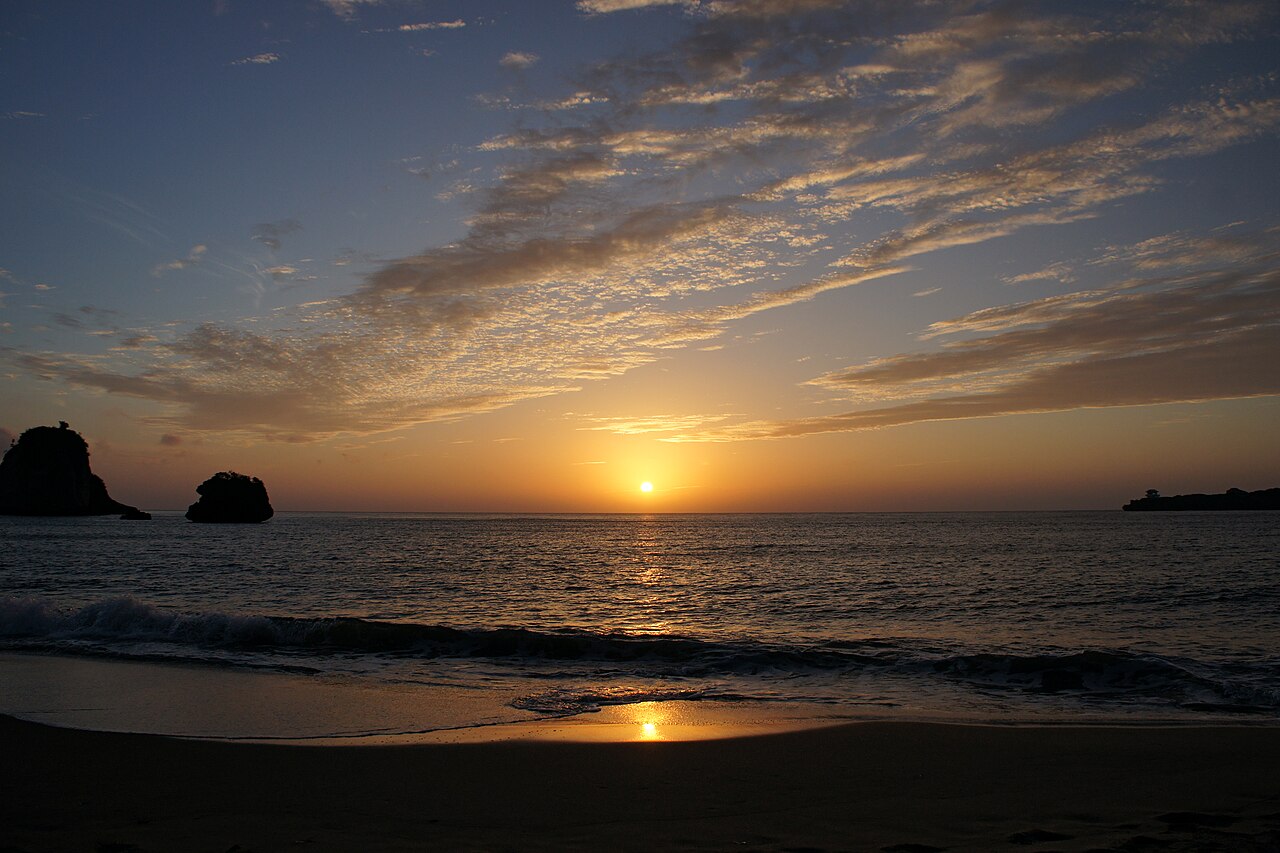
As climate change continues to impact coral health and sea levels, the Yaeyama islands stand as both a beacon of biodiversity and a reminder of the fragility of island life. Visiting them is not merely a vacation; it is an exercise in witnessing one of the most unique ecological and cultural zones in the Pacific.


 Neng Nana
 Asro
Asro





