
 Nana Muazin
In the serene, verdant expanse of Karuizawa, where the whisper of ancient trees meets the crisp air of the Japanese Highlands, a new standard for hospitality has emerged. Karuizawa Forest Seasons Villa is not merely a destination; it is a sophisticated recalibration of the "home-away-from-home" concept. By bridging the gap between the total autonomy of a private residence and the bespoke care of a five-star hotel, these four exclusive villas have redefined what it means to retreat into nature.
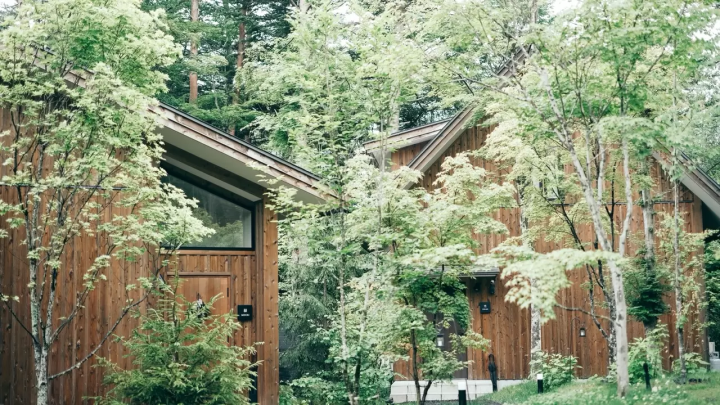
Located just an hour from the bustling metropolis of Tokyo via the Hokuriku Shinkansen, Karuizawa has long been the favored summer escape for Japan’s elite. Yet, Karuizawa Forest Seasons Villa elevates this historic resort town into a year-round sanctuary for those seeking a deeper, more intentional connection with the landscape.
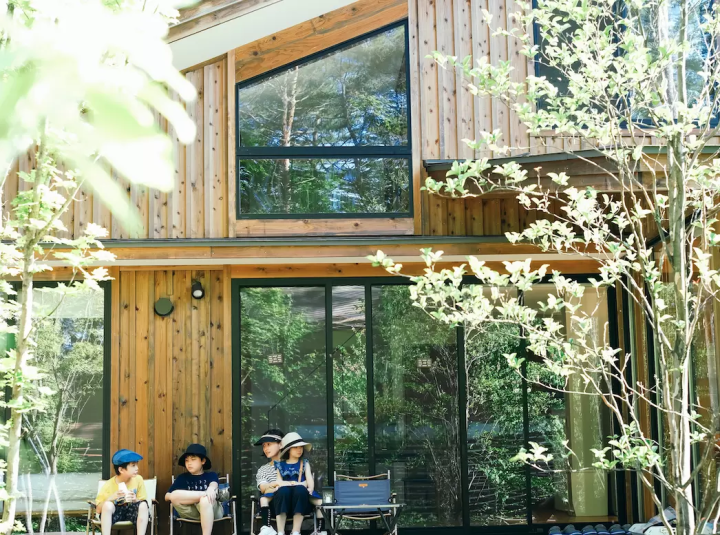
The Philosophy of the Stay: Unparalleled Freedom and Concierge Care
At the heart of the Karuizawa Forest Seasons Villa experience is a commitment to "frictionless luxury." The property comprises only four distinct, architecturally curated villas, each reserved for one group at a time. This exclusivity ensures that the primary luxury afforded to guests is space—both physical and psychological.
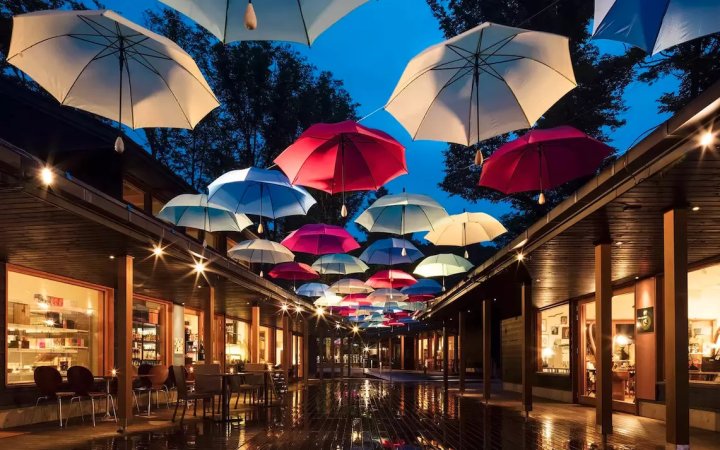
Main Facts and Operational Excellence
- Location: Situated within walking distance of the prestigious Hoshino area, providing immediate access to the Hoshino Onsen, the iconic Stone Church, and the Karuizawa Kogen Church.
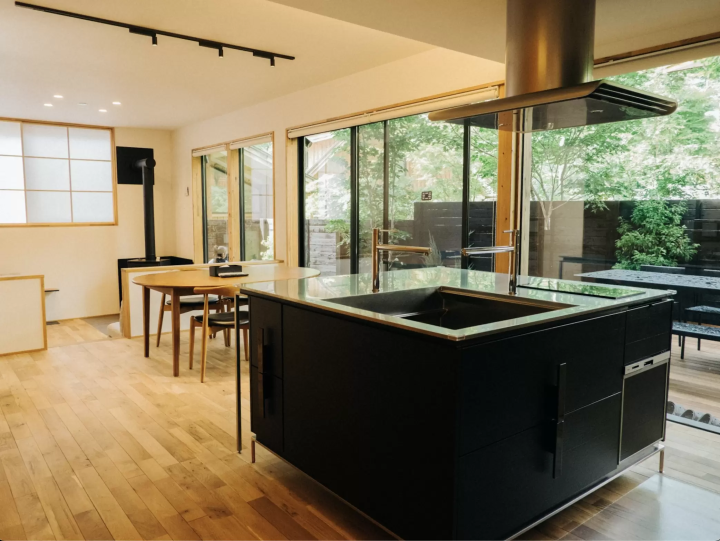
- The Model: A hybrid hospitality model that offers a full kitchen, private gardens, and laundry facilities, coupled with 24-hour English-speaking concierge support.
- Exclusivity: Each villa is fully detached, ensuring absolute privacy from neighbors, with no shared indoor common areas.
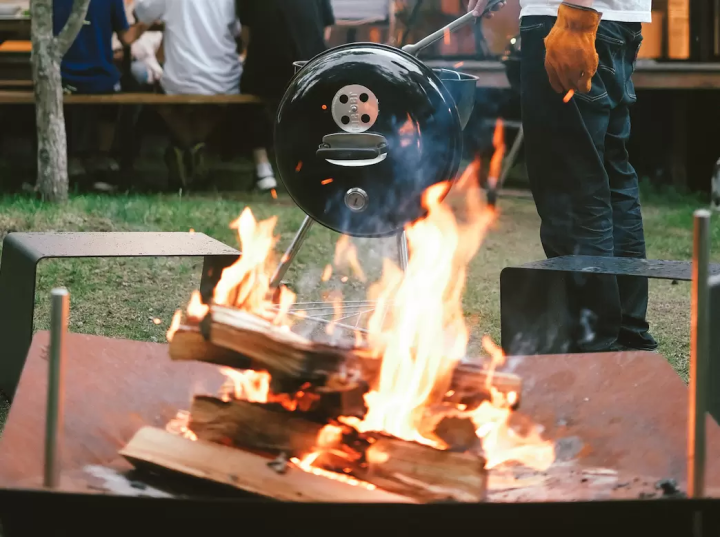
- Dining: Access to HONO Charcoal Grill, an ultra-exclusive, one-group-per-night dining venue that serves seasonal Japanese ingredients over a private charcoal fire.
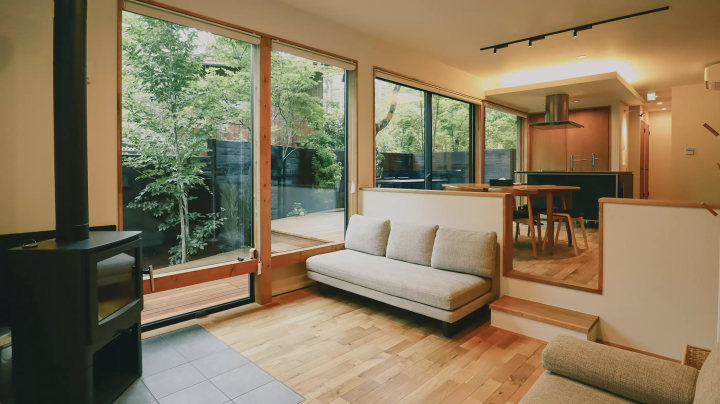
Unlike traditional hotels that dictate the rhythm of a guest’s day, these villas allow for personal autonomy. Whether one wishes to spend the morning hiking the surrounding trails, the afternoon preparing a private meal in an expertly appointed kitchen, or the evening listening to the crackle of a wood-burning stove, the experience is dictated by the guest, not the clock.
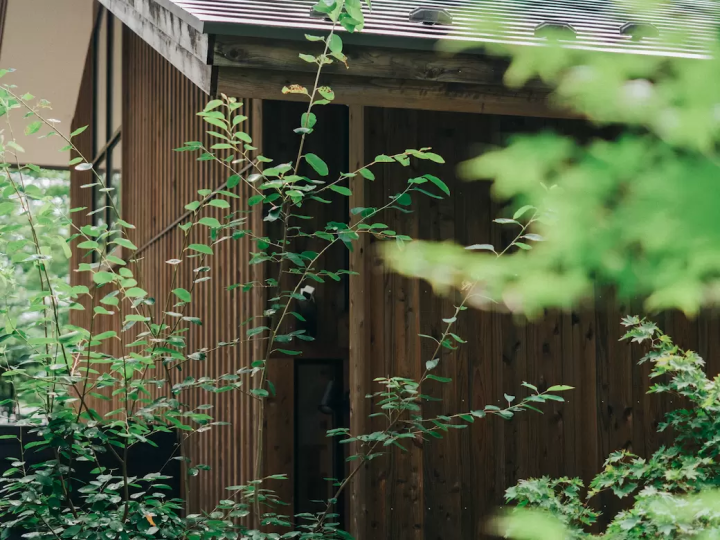
A Chronology of the Karuizawa Escape
The appeal of Karuizawa has evolved significantly over the last century. Historically, it was a retreat for foreign missionaries and diplomats who sought relief from the stifling humidity of Tokyo summers. Today, that legacy of quiet contemplation continues, but the demands of the modern traveler have shifted.
The Seasonal Arc
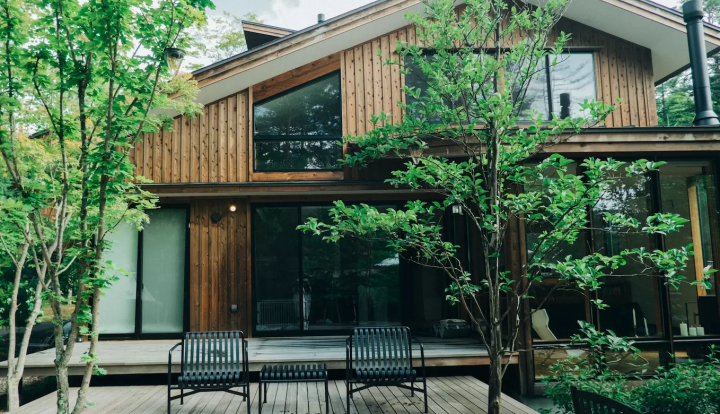
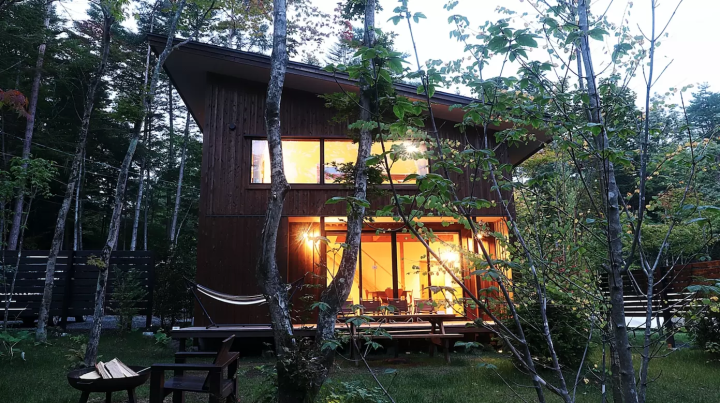
- Spring/Summer: The forest comes alive with vibrant greens. The villas’ private gardens become the epicenter of life, hosting al fresco BBQs and morning coffee rituals amidst the gentle rustle of the canopy.
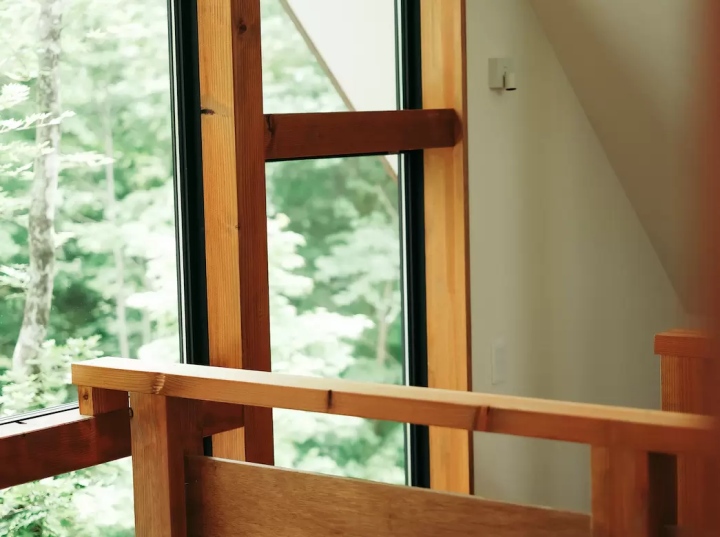
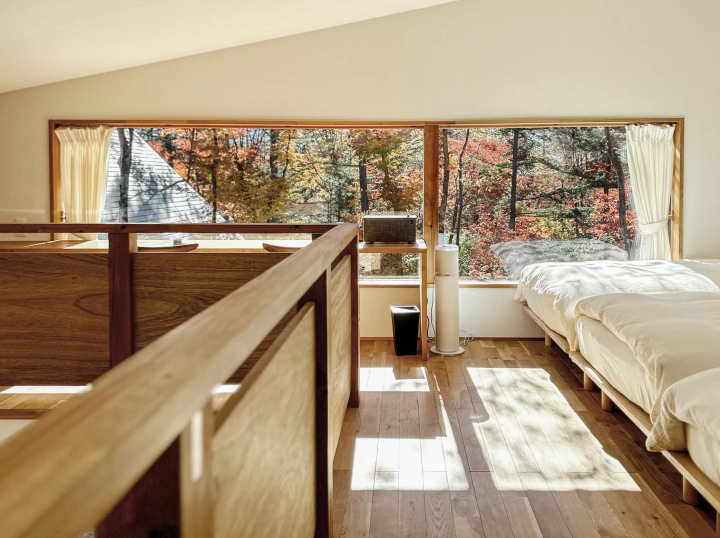
- Autumn: The landscape transforms into a canvas of amber and crimson. It is a period of reflection, where the architecture of the villas—large glass windows and wooden decks—allows the forest to serve as a living, shifting mural.
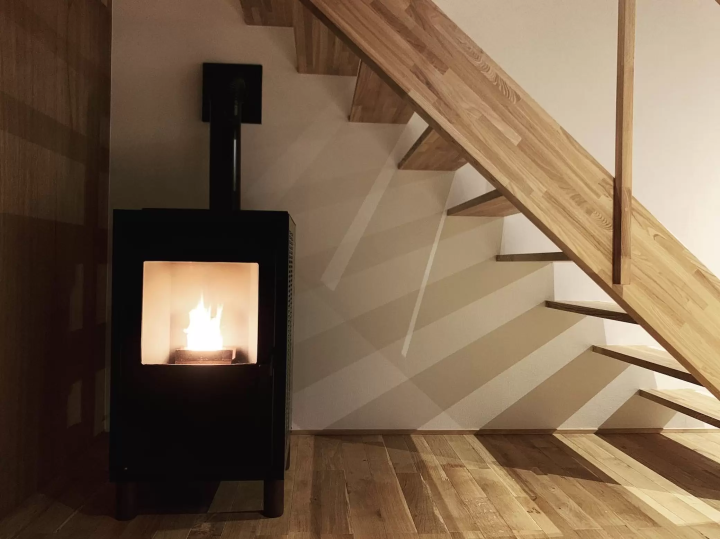
- Winter: Karuizawa enters a period of profound stillness under a blanket of snow. The villas transition into cozy, fire-warmed havens. The use of wood and pellet stoves becomes the focal point of the evening, turning the living space into a sanctuary of warmth against the crystalline cold.
The Four Pillars: MIDORI, HIKARI, KAZE, and TOKI
Each villa serves as an architectural vessel for a different type of experience, tailored to the specific needs of families, couples, and multi-generational groups.
MIDORI: The Family Estate
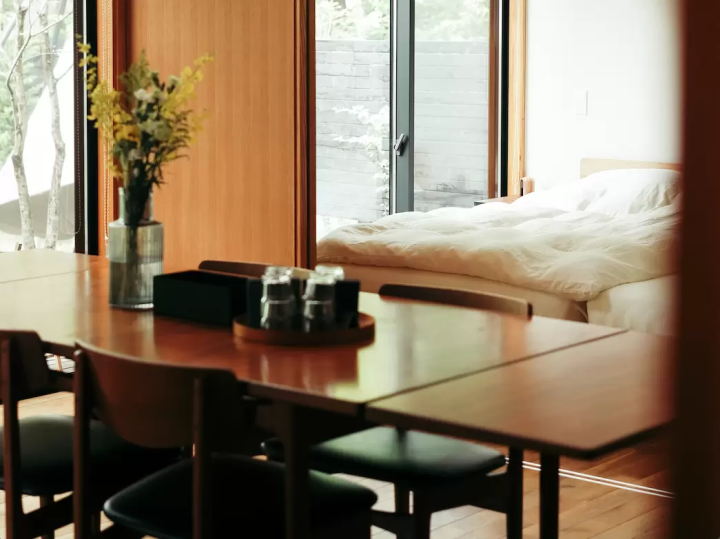
Designed as a three-bedroom sanctuary, MIDORI boasts six double beds, making it the premier choice for large families or multi-generational reunions. The spacious wooden deck is designed for social connection, while the interior decor balances Nordic vintage aesthetics with the tactile comfort of Japanese double-gauze cotton bedding. The inclusion of LE LABO bath amenities signals a commitment to sensory quality.
HIKARI: The A-Frame Secret
HIKARI is defined by its dramatic A-frame architecture, where towering ceilings and expansive glass panels create an atmosphere of sacred silence. With two 1.8m king-size beds and a private moss garden featuring an outdoor bath, it is the quintessential setting for anniversaries and intimate wedding retreats. Its design feels timeless, intended to be as beautiful in a hundred years as it is today.
KAZE: Nordic Minimalism
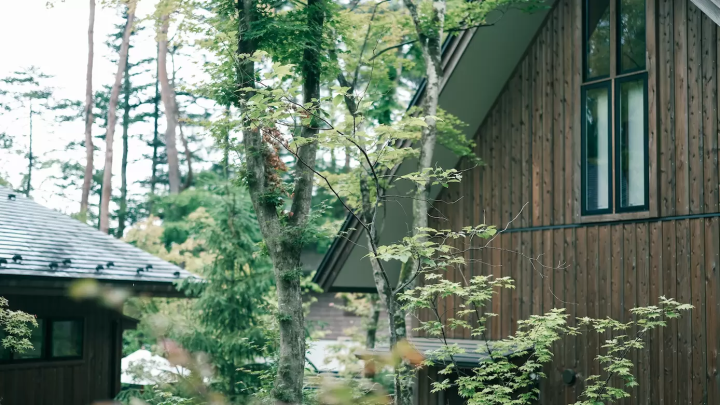
KAZE serves as the bridge between Nordic design sensibilities and Japanese restraint. With four beds, it is ideally suited for groups of close friends. The interplay of light and shadow, mediated by the wood stove and the surrounding forest, makes it an ideal spot for those who wish to watch the seasons change from the comfort of an armchair.
TOKI: The Social Hub
TOKI is a three-bedroom suite designed for those who view the kitchen as the heart of the home. Its large island kitchen encourages collective cooking and conversation. The villa also features a unique garden foot bath, a communal space that invites guests to sit outside, regardless of the chill, and engage in meaningful dialogue while the forest rests around them.

Supporting Data: The "HONO" Dining Experience
Perhaps the most significant value-add to the stay is the HONO Charcoal Grill. In an era where "omakase" or chef-led dining is often a crowded, time-constrained experience, HONO represents a radical alternative. By limiting service to one group per night, the restaurant offers a level of customization that is essentially unheard of in the wider region.
The charcoal fire is the anchor. By sourcing premium seasonal ingredients from across Japan and preparing them specifically for the party in residence, the kitchen ensures that the meal is not just a dinner, but a narrative arc of the region’s bounty. The pairing of rare sake and whiskies with the smoky, umami-rich profile of charcoal-grilled meats creates an atmospheric depth that turns a simple meal into a core memory of the trip.
Official Perspective: The Concierge Standard
While the villas offer independence, the presence of 24-hour English-speaking concierge support is the "reassurance" mentioned by the property’s management. In the Japanese hospitality industry, "omotenashi" (anticipatory service) is key. The concierge acts as a local guardian, assisting with:
- Logistics: Seamless transfers from the Shinkansen station.
- Outdoor Activities: Curated recommendations for skiing, hiking, or seasonal foraging.
- Emergency Support: Providing a safety net that allows international travelers to feel completely at ease, even in the depths of the forest.
This support system effectively removes the "anxiety of the unknown" that often accompanies villa rentals in foreign countries.
Implications: Why the Villa Model is the Future of Luxury
The rise of the Karuizawa Forest Seasons Villa suggests a broader shift in travel trends. Post-pandemic travelers are increasingly prioritizing "secluded luxury"—a desire to retreat from crowded tourist hubs without sacrificing the high-touch service of a premium hotel.
- Sustainable Pacing: By encouraging longer stays, the property aligns with the "slow travel" movement, reducing the carbon footprint of frequent short-haul trips and allowing guests to actually immerse themselves in the local ecology.
- The "Home" Metric: The emphasis on full kitchens and laundry facilities indicates that the modern luxury traveler wants to live in a destination, not just view it from a hotel balcony.
- Multi-generational Bonding: The villa format is uniquely capable of accommodating disparate age groups—from children to grandparents—under one roof, providing communal spaces for bonding while maintaining the privacy of individual rooms.
Frequently Asked Questions (FAQ)
- Is a day trip sufficient for Karuizawa? While possible, it is discouraged. The essence of the forest is best experienced through the quietude of the night and the slow transition of light, which necessitates an overnight stay.
- What differentiates this from a hotel? The lack of shared hallways, elevators, and lobby noise. It is the feeling of owning a forest estate, without the maintenance or lack of professional support.
- Is it suitable for non-Japanese speakers? Yes. The concierge team is specifically trained to handle international guests, ensuring that every aspect of the stay—from restaurant reservations to local transport—is seamless.
Conclusion
Karuizawa Forest Seasons Villa succeeds because it understands that luxury is not about opulence; it is about the removal of obstacles to rest. By providing the architecture for intimacy—the fire, the garden, the kitchen, and the forest—it invites guests to stop being tourists and start being inhabitants of one of Japan’s most beautiful landscapes. Whether you are seeking a winter retreat by the fire or a summer garden feast, these villas offer a sanctuary where time does not just pass; it lingers.


 Neng Nana
 Asro
Asro





