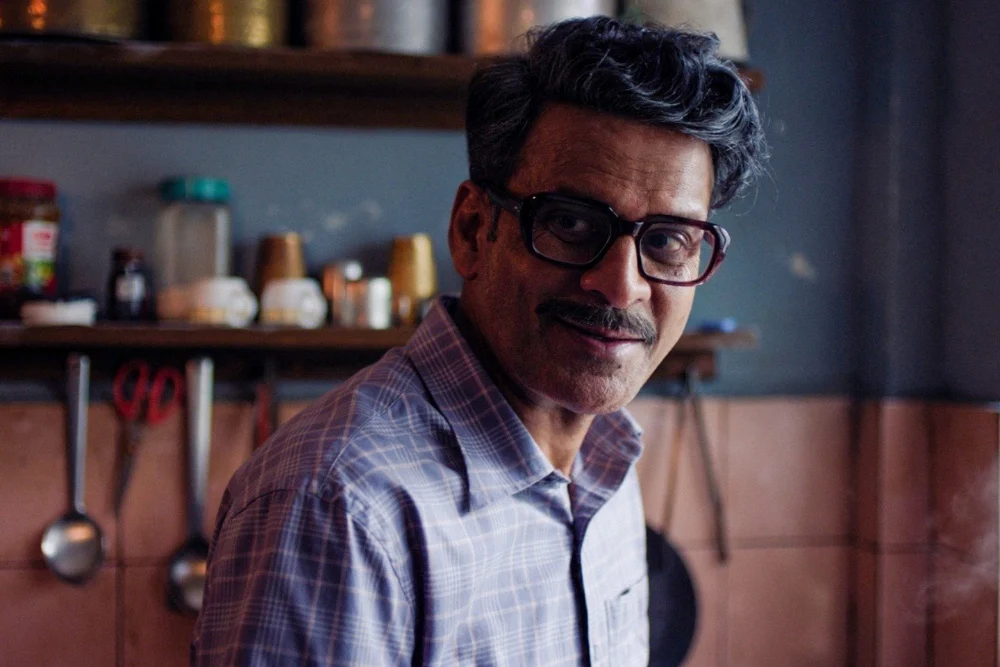
The landscape of Indian cinema is bracing for a seismic shift this September as Last Man in Tower, the highly anticipated screen adaptation of Aravind Adiga’s acclaimed novel, gears up for its theatrical debut. Directed by the visionary Ben Rekhi, the film promises to be a masterclass in social drama, anchored by the long-awaited onscreen pairing of industry stalwarts Manoj Bajpayee and Boman Irani.
As the project approaches its September 11 release date, the industry is buzzing not just about the narrative, but about the production pedigree behind it. Produced by Spirit Media—the banner founded by Baahubali icon Rana Daggubati—the film marks a significant milestone as the company’s first foray into Hindi-language feature production. With a screenplay penned by the celebrated Sooni Taraporevala and enriched by the linguistic nuance of Juhi Chaturvedi, the film stands as one of the most prestigious literary-to-film transitions of the year.
The Premise: A Quiet War in a Concrete Jungle
At its heart, Last Man in Tower is an intimate, high-stakes exploration of the human condition under pressure. The story centers on Masterji, a retired schoolteacher whose life is defined by quiet dignity and routine. He resides in a crumbling apartment building in Mumbai—a city defined by its vertical ambitions and crushing real estate wars.
When a wealthy developer sets his sights on the tower, the community is presented with an offer that promises to change their lives forever. For most of the residents, the payout is a golden ticket to a modern existence. For Masterji, the building is not just a structure of brick and mortar; it is his history, his home, and his sanctuary. His refusal to vacate triggers a ripple effect, turning neighbors into adversaries and exposing the fragile veneer of community solidarity.
The film explores the profound moral dilemmas that arise when individual principles collide with collective greed. As Masterji’s quiet resistance persists, the film forces the audience to confront a difficult question: What is the price of our integrity in an era of relentless progress?
A Powerhouse Trio: The Chemistry of Giants
Perhaps the most significant hook for audiences is the historic collaboration between Manoj Bajpayee and Boman Irani. Both actors are renowned for their ability to disappear into characters, and their shared screen time has been described by director Ben Rekhi as a "clash of titans."
Bajpayee, a performer known for his intense emotional depth and internalised acting, brings a haunting vulnerability to the role of Masterji. Opposite him, Boman Irani—a master of nuance and character-driven performance—provides the necessary gravity to the film’s central conflict. The ensemble is further rounded out by the versatile Divya Dutta, whose contribution adds a layer of emotional complexity that Rekhi describes as the "soul of the film."
The interplay between these three actors serves as the engine for the story, transforming what could have been a standard social drama into an urgent, pulse-pounding character study.
Production Pedigree and Creative Vision
The creative team behind Last Man in Tower reads like a "who’s who" of contemporary Indian cinema. Aravind Adiga, the Man Booker Prize-winning author of The White Tiger, provides the foundation of the narrative, ensuring the film remains rooted in the sharp, observant realism that defines his literary work.
Director Ben Rekhi, whose previous work includes the SXSW Audience Award-winning Waterborne and the award-winning Watch List, brings an international sensibility to the project. Having recently qualified for the 2026 Academy Awards with his documentary short The Breakthrough Group, Rekhi is at the height of his creative powers.
"It’s been a deeply fulfilling experience bringing this to life," Rekhi stated in a recent press release. "The most rewarding part has been witnessing the power of Manoj and Boman—two giants of cinema—working together for the first time. This is an urgent story about holding onto community and family through turbulent times, and it is a story that has only become more relevant with time."
The technical backbone of the film is equally impressive. With music by the acclaimed Govind Vasantha and cinematography by Rangarajan Ramabadran, the film aims to capture both the claustrophobic tension of the tower and the expansive, indifferent sprawl of Mumbai.
A Milestone for Spirit Media
For Rana Daggubati, the release of Last Man in Tower represents a strategic and artistic evolution for his company, Spirit Media. Founded in 2005, the Hyderabad-based studio has long been a powerhouse in the South Indian film ecosystem, but this production signals a deliberate expansion into the Hindi-language market.
"What drew us to this story was how naturally it finds something universal in the lives of a very specific group of people," Daggubati explained. "There is something very compelling about the way it explores the choices we make and the things we hold on to. This film is an important milestone for us, and it reflects our continued effort toward creating space for fresh, new stories and voices for the big-screen audience."
The production has also seen a robust collaborative effort, with Guneet Dogra and Pratiksha Rao serving as additional producers, ensuring the film’s logistics and creative vision are aligned with the high standards expected of a project of this magnitude.
Chronology of Development
The journey of Last Man in Tower from page to screen has been a meticulous process, reflecting the care taken by the creative team:
- Literary Origin: The novel, written by Aravind Adiga, gained critical acclaim for its brutal honesty regarding Mumbai’s real estate culture.
- Scripting Phase: Sooni Taraporevala, a veteran screenwriter known for her work on Salaam Bombay! and The Namesake, adapted the novel, ensuring the screenplay retained the satirical bite of the source material.
- Linguistic Nuance: Juhi Chaturvedi, recognized for her work on Piku and October, was brought on board to refine the Hindi dialogue, lending an authenticity to the interactions between characters.
- Casting: The casting process, which secured the rare pairing of Bajpayee and Irani, was instrumental in greenlighting the project’s high-budget production scale.
- Principal Photography: Filming took place over several months, focusing on the atmospheric tension of the tower’s setting, with careful attention paid to the claustrophobic aesthetic.
- Post-Production & Marketing: The recent release of the first teaser has generated significant social media traction, positioning the film as a must-watch for audiences seeking "prestige cinema" in the multiplex era.
Implications for the Indian Film Industry
The arrival of Last Man in Tower comes at a pivotal moment for Indian theatrical releases. In an era where audiences are increasingly selective about which films warrant a trip to the cinema, "mid-budget" dramas with high-concept narratives are finding a renewed foothold.
By focusing on a story that explores the tension between modernization and human legacy, the film taps into a broader cultural anxiety. The success of this film could pave the way for more literary adaptations to receive major studio backing. Furthermore, the collaboration between Spirit Media and a director like Ben Rekhi highlights a growing trend of "cross-pollination" in Indian cinema—where regional powerhouses, Mumbai-based talent, and international directorial perspectives converge to create high-quality, global-facing content.
As the September 11 release date nears, the expectations are high. If the film can successfully translate Adiga’s prose into a visceral, cinematic experience, it may well stand as one of the definitive films of the decade. For Manoj Bajpayee and Boman Irani, the film offers a rare platform to showcase their combined range, potentially setting a new benchmark for acting excellence in Hindi cinema.
Ultimately, Last Man in Tower is more than just a movie; it is a test of the audience’s appetite for challenging, thought-provoking narratives. Whether Masterji wins his battle or not, the journey itself promises to be a haunting, unforgettable ride through the heart of urban India.