

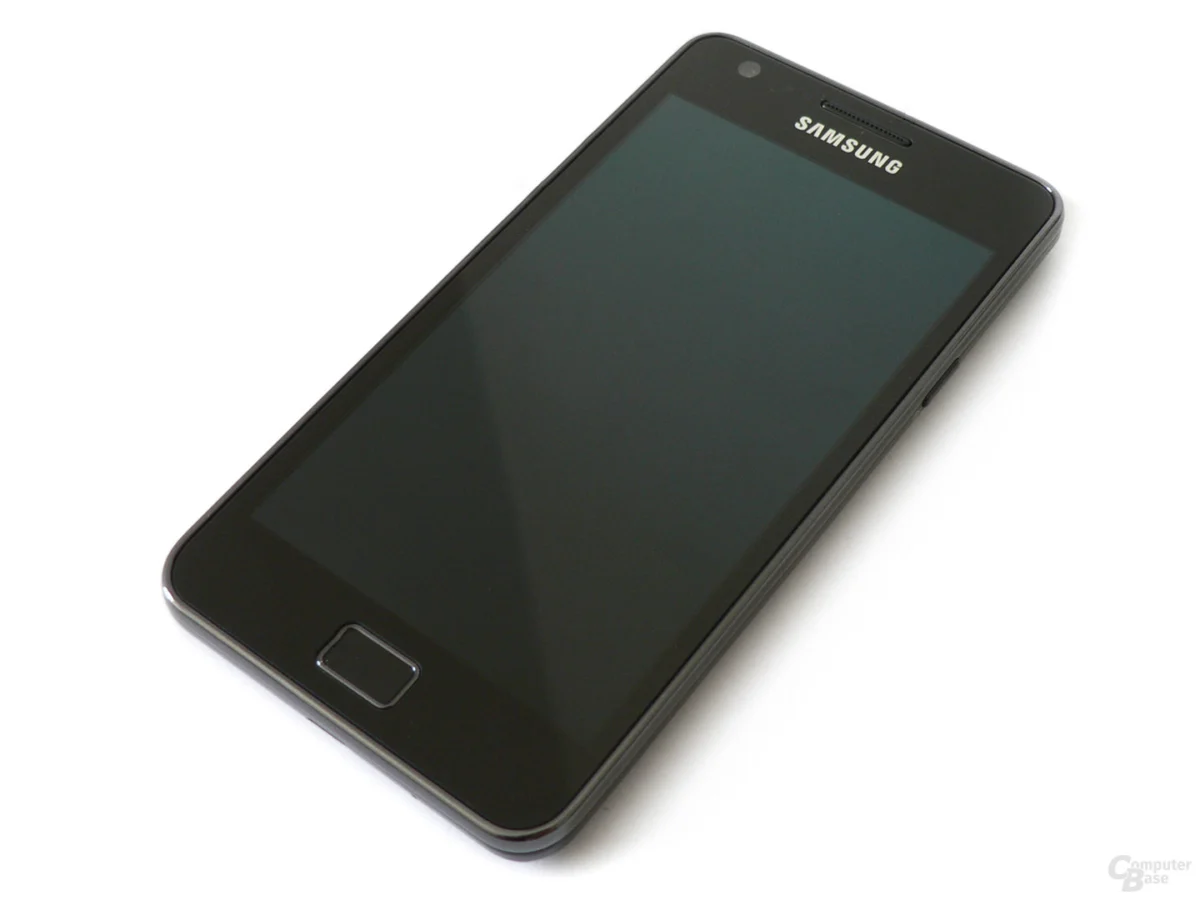
In the fast-paced world of mobile technology, few devices have left as indelible a mark as the Samsung Galaxy S II. Released in May 2011, it arrived at a pivotal moment in the smartphone revolution—a time when Android was fighting to shed its reputation for stuttering performance and hardware fragmentation. The Galaxy S II did more than just compete; it redefined the standards for what a flagship handset could achieve.
As we look back at the device through the lens of our test archives, we see a smartphone that prioritized raw performance and display technology above all else. While its aesthetics remained a point of contention for years, its technical prowess remains a benchmark for the industry’s evolution.
Main Facts: The Technical Marvel of 2011
When the Galaxy S II hit the market, it was not merely an iteration of its predecessor; it was a wholesale declaration of war against the status quo, primarily dominated by Apple’s iPhone and HTC’s premium metal-clad devices.
Under the Hood
At the heart of the device sat the Exynos 4210, a dual-core System-on-Chip (SoC) clocked at 1.2 GHz. In an era when many competitors were still struggling with single-core optimization, this powerhouse architecture allowed the Galaxy S II to breeze through multitasking and demanding applications. Paired with 1 GB of RAM and 16 GB of internal storage—expandable via microSD, a feature that would later become a hallmark of the "Samsung experience"—the device was a productivity beast.
The Display Revolution
Perhaps the most striking feature was the 4.3-inch Super AMOLED display. With a resolution of 480 x 800 pixels, it offered vibrant color reproduction and deep, ink-like blacks that LCD technology simply could not replicate at the time. While some critics argued the PenTile matrix layout (used in some regional variants) lacked the sharpness of high-end retina displays, the contrast ratio and energy efficiency of the Super AMOLED panel were unrivaled in the industry.
Chronology: The Road to Global Dominance
The release of the Galaxy S II was the culmination of Samsung’s aggressive "Galaxy" strategy, which sought to establish the company as the primary alternative to the iPhone.
- February 2011: The device is officially unveiled at the Mobile World Congress (MWC) in Barcelona, generating immediate buzz for its impossibly thin profile and dual-core capabilities.
- May 2011: Global launch begins. The device quickly gains traction as the "go-to" Android phone for power users.
- Summer 2011: Samsung reports record-breaking sales, with the device reaching millions of units in the channel in record time.
- Late 2011: The Galaxy S II receives critical acclaim from major tech publications, consistently winning "Smartphone of the Year" awards.
- 2012 and Beyond: The S II serves as the foundation for the Galaxy S III, cementng Samsung’s position as the market leader, a title they would hold for over a decade.
Supporting Data: Performance and Benchmarks
At the time of its release, our laboratory testing indicated that the Galaxy S II was in a league of its own. In a suite of standardized Android benchmarks, the device consistently secured either the top spot or a close second, outpacing rivals that were often marketed as "premium" but failed to deliver the same fluidity in real-world usage.
The Benchmark Landscape
While modern observers often debate the merit of synthetic benchmarks, in 2011, these figures were critical for proving that the Android OS had matured. The Exynos 4210 handled intensive tasks—such as 3D gaming and high-definition video playback—without the overheating issues that plagued many of its contemporaries.
Camera Capabilities
The 8-megapixel rear shooter was widely considered the gold standard for mobile photography in 2011. Our reviews noted that it captured detail, dynamic range, and color accuracy that surpassed most point-and-shoot cameras of that era. Its ability to record 1080p video at 30 frames per second was a significant selling point, making it a favorite for content creators who were beginning to embrace mobile videography.
The "Plastic" Debate: A Design Paradox
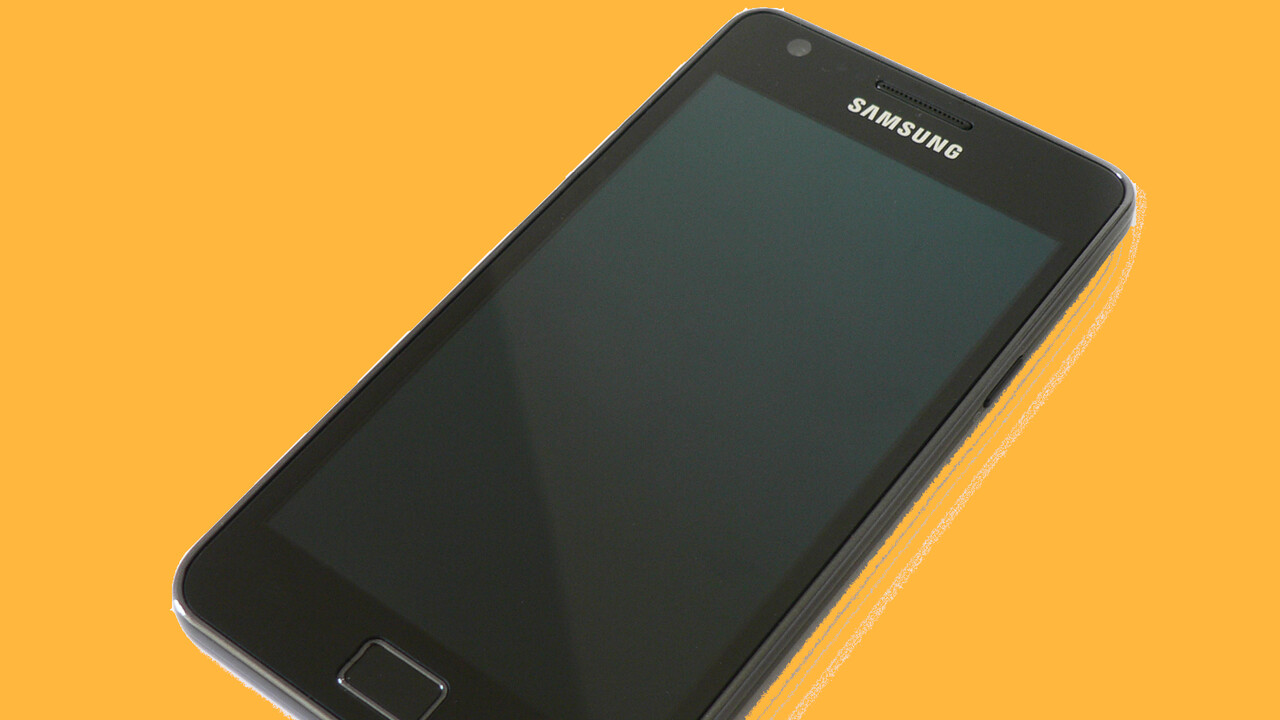
Perhaps the most significant criticism leveled against the Galaxy S II was its build quality. While HTC was shipping phones carved from single blocks of aluminum, Samsung leaned heavily into high-grade polycarbonate.
The Ergonomic Advantage
The decision to use plastic was not just about cost-cutting; it was a strategic choice for weight and durability. At only 116 grams, the S II felt incredibly light, almost ethereal, in the hand. Its dimensions (125 x 66 x 8.49 mm) made it remarkably compact, fitting into pockets and hands with ease—a sharp contrast to the increasingly bulky "phablets" that would follow in later years.
The Haptic Conflict
However, the "cheap" feel of the plastic back cover became a frequent talking point. Critics argued that for a device priced at approximately 530 Euros—a premium price point in 2011—the handset lacked the "heft" or "cold touch" of luxury materials. Samsung’s response was always performance-oriented: the plastic allowed for a removable battery and a microSD slot, two features that power users demanded, and which necessitated a flexible, lightweight chassis.
Official Responses and Strategic Implications
Samsung’s strategy during this period was defined by a commitment to "spec-sheet supremacy." By providing the best screen, the fastest processor, and the most versatile connectivity (including HSPA+, Bluetooth 3.0, and early Wi-Fi Direct implementations), Samsung successfully captured the "prosumer" demographic.
The Impact on the Market
The success of the Galaxy S II forced competitors to rethink their hardware cycles. Apple began feeling the pressure to offer larger, more vibrant displays, and other Android OEMs (like LG and Motorola) were forced to abandon sluggish custom interfaces in favor of the optimized, hardware-accelerated experience that Samsung had perfected.
Addressing the Flaws
Samsung was not immune to criticism. Our original testing highlighted issues with screen reflectivity in direct sunlight and occasional instability with newer connectivity features like Wi-Fi Direct. Samsung addressed these through iterative software updates, setting a new precedent for "post-launch support" that many manufacturers at the time ignored.
Conclusion: A Legacy Defined
When we review the Samsung Galaxy S II today, it is easy to view it as the device that signaled the end of the "experimental phase" of the smartphone era. It proved that Android could be fast, stable, and desirable.
The Galaxy S II was a machine of contradictions: it was a premium device wrapped in humble materials, a powerhouse that fit in a shirt pocket, and a product that redefined the global smartphone hierarchy. It taught the industry that if you give the user the best possible display and the fastest possible processor, they might just forgive a plastic back cover.
Fifteen years later, the Galaxy S II remains a testament to a time when every new smartphone release felt like a genuine leap forward. While we now carry devices that possess more computational power than the desktop computers of that era, the Galaxy S II occupies a special place in the history books—not just for what it was, but for the fundamental shift it caused in how we live our digital lives.
For those interested in exploring more of our historical test archives, the Retro-Ecke in the ComputerBase forum continues to be a treasure trove of discussions, anecdotes, and deep dives into the devices that shaped our modern world.










No comments yet. Be the first to join the conversation!