

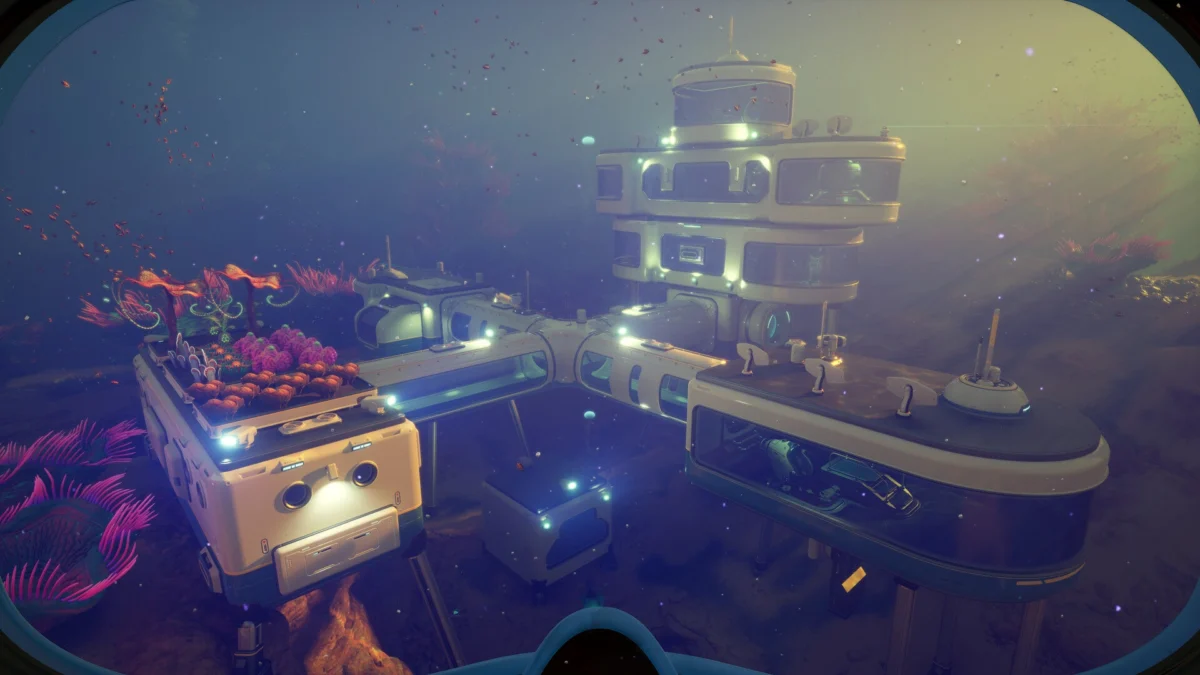
In a dramatic conclusion to one of the most high-profile corporate disputes in the gaming industry, South Korean publishing giant Krafton has reportedly agreed to honor a contentious $250 million earnout agreement with the developers of Subnautica 2. This resolution marks a pivotal turning point for Unknown Worlds, the studio behind the hit underwater survival franchise, effectively drawing a line under a year of legal volatility, executive upheaval, and accusations of corporate malpractice.
The agreement comes on the heels of Subnautica 2’s explosive Early Access debut, which saw the title move over four million units, validating the studio’s creative direction and forcing the publisher’s hand regarding long-standing contractual obligations.
The Chronology of Conflict: From Boardroom to Courtroom
The relationship between Krafton and Unknown Worlds—acquired by the former in 2021—began to fracture in early 2025. At the heart of the dispute was a lucrative performance-based earnout clause. Under the terms of the acquisition, the studio’s leadership team—including CEO Ted Gill, Charlie Cleveland, and Max McGuire—was entitled to a bonus package reaching up to $250 million, contingent upon specific sales and performance milestones tied to the release of Subnautica 2.
The Ousting and the AI Controversy
In a move that stunned the industry, Krafton attempted to replace the three aforementioned Unknown Worlds leads with executives previously associated with The Callisto Protocol. This restructuring was viewed by many as a cynical maneuver to regain control of the studio and, crucially, to avoid triggering the massive payout associated with the sequel’s success.
The situation turned farcical and legally damning when court filings revealed that Krafton CEO Kim Chang-han had allegedly consulted ChatGPT for advice on how to legally circumvent the earnout clause. This revelation became a focal point of the subsequent legal battle, painting a picture of a parent company prioritizing cost-cutting over the integrity of its acquired talent.
Judicial Intervention and Reinstatement
The legal struggle reached a crescendo when a judge found Krafton guilty of "wrongfully usurping control" of the studio. In a rare and decisive victory for developers, the court ordered the reinstatement of Ted Gill and his colleagues. With the original leadership back at the helm, the studio successfully pushed Subnautica 2 into Early Access this month, where it immediately garnered both commercial success and significant critical interest.
Financial Implications: A Deep Dive into the Data
According to The Korea Economic Daily, the payout structure is substantial. The earnout is calculated at a rate of approximately $3.12 for every $1 of performance revenue, totaling a potential $250 million. To put this into perspective, this figure represents roughly 35% of Krafton’s total operating profit for the previous fiscal year.
Performance Metrics
The decision to pay the bonus is directly linked to the overwhelming reception of Subnautica 2. Having crossed the four-million-unit sales threshold shortly after its launch, the game has proven that the franchise remains one of the most robust survival properties in the current market.
While Krafton had previously characterized the leadership’s legal efforts as a "demand for a payout they haven’t earned," the reality of the game’s financial performance rendered that argument increasingly indefensible. By settling, Krafton avoids further litigation that could have exposed even more internal communications and potentially damaged investor confidence in their management of other acquired subsidiaries.
Official Responses and Corporate Silence
As of the time of writing, Krafton has remained largely tight-lipped regarding the specific mechanics of the settlement. When reached for comment, the publisher declined to provide a formal statement, though the move suggests a strategic retreat from a position that was becoming a public relations liability.
The silence from Krafton stands in stark contrast to the earlier, more aggressive rhetoric used during the height of the legal battle. By shifting from public denunciation to private settlement, the company appears to be attempting to stabilize its relationship with its creative teams. Whether this will lead to a more harmonious integration of the studio remains to be seen, but for now, the leadership of Unknown Worlds appears to have successfully protected the interests of their team and the future of the Subnautica brand.
Implications: The Future of Studio Autonomy
The resolution of this case sends a ripple effect throughout the video game industry, particularly regarding how publishers manage acquisitions and performance incentives.
1. The Precedent of "Earnouts"
Earnout agreements have long been a standard tool in mergers and acquisitions, designed to retain key talent and incentivize performance. However, this case highlights the inherent friction when a parent company’s short-term financial targets clash with the long-term creative goals of the studio. Developers will undoubtedly view this outcome as a cautionary tale for future acquisition negotiations, likely pushing for stronger contractual protections against "wrongful usurpation."
2. The Role of Generative AI in Corporate Law
The revelation that a CEO used ChatGPT to navigate contractual disputes is perhaps the most surreal aspect of the entire saga. It serves as a warning for corporate entities: using AI to automate or "cheat" complex legal obligations is not a shortcut, but a potential liability. The incident will likely be cited in future legal discussions regarding the ethics and efficacy of using LLMs for high-stakes corporate decision-making.
3. The Creative Direction of the Franchise
With the legal cloud lifted, the team at Unknown Worlds can refocus on the long-term roadmap for Subnautica 2. The game is currently in a phase of intense iteration, with community discourse currently focused on the mechanics of the game—specifically, the contentious debate surrounding the implementation of weapons and combat. This is a far more productive avenue for the studio than fighting for their own existence in a courtroom.
The community remains divided on whether the series should maintain its "non-violent survival" ethos or pivot toward more traditional combat elements. As noted in recent analysis, the demand for weaponry reflects a deeper tension: the desire to keep the series’ identity intact while satisfying a broader player base that expects more agency within an open-world survival environment. With the payout secured, the developers are now free to address these design challenges with the resources they earned.
Conclusion: A Victory for Stability
The "leviathan" has reached into its purse, and in doing so, it has ended a period of uncertainty that threatened to derail one of the most beloved franchises in modern gaming. While the $250 million payout is a significant financial hit for Krafton, it is a necessary price to pay for the restoration of order and the continued viability of Unknown Worlds.
For the gaming industry at large, this saga serves as a reminder that contracts are not merely suggestions, and the talent behind the screen remains the most valuable asset in the ecosystem. As Subnautica 2 continues to evolve through its Early Access period, players can breathe a sigh of relief knowing that the creative minds behind the game are once again firmly in the pilot’s seat, supported by the payout they rightfully earned.
The legal battle may be over, but the story of Subnautica 2 is only just beginning. With the studio’s autonomy restored and the financial disputes settled, the focus can finally shift back to where it belongs: the deep, mysterious waters of Planet 4546B.











No comments yet. Be the first to join the conversation!