Nana Wu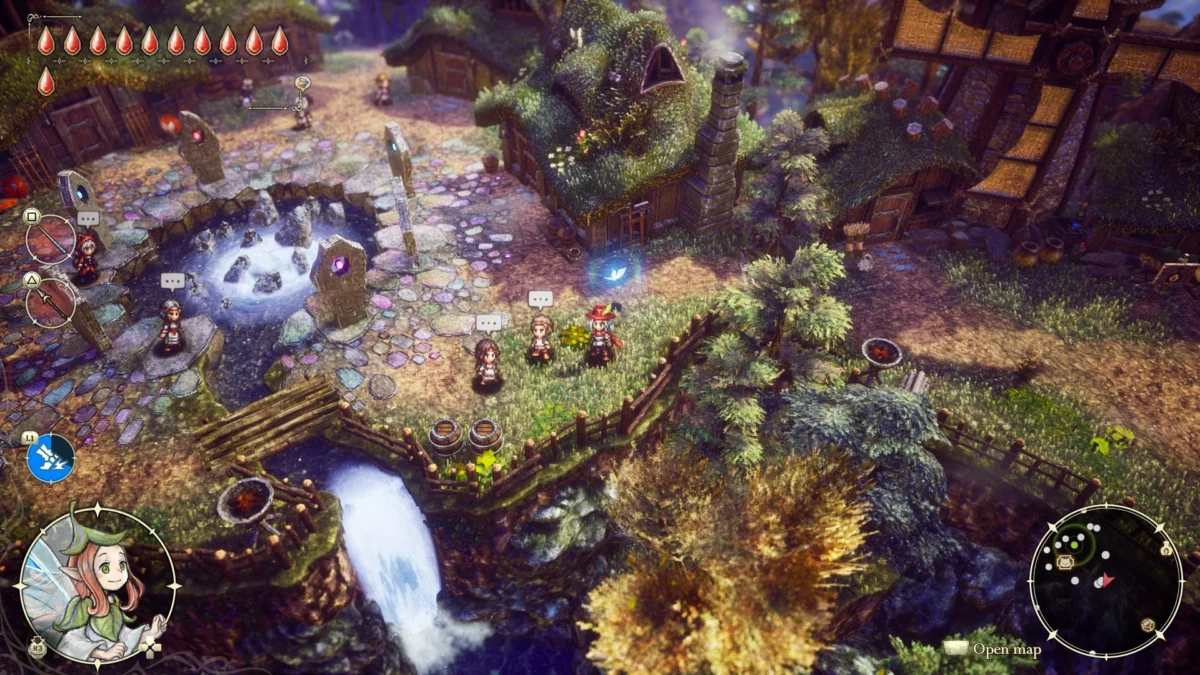
By Baxter Burchill
History lessons in grade school often felt like a chore—a dusty recitation of dates and dead monarchs that lacked the visceral thrill of science fiction or the neon promise of high-speed space travel. Yet, The Adventures of Elliot: The Millennium Tales manages to bridge that gap in a way I never thought possible. Developed by the collaborative force of Square Enix and Claytechworks, this latest foray into the top-down action-adventure genre suggests that perhaps the best way to understand the past isn’t through a textbook, but by carving a path through a "ye olde" fantasy version of Philadelphia.
The Adventures of Elliot is a masterclass in brevity and focus. In an era where open-world bloat has become the industry standard, this title opts for a tighter, more intimate experience that respects the player’s time while delivering a concentrated dose of high-octane excitement.
The Essentials: What You Need to Know
- Genre: Time-traveling action-adventure
- Release Date: June 18, 2026
- Developer: Square Enix / Claytechworks
- Price: $60 / £50
- Platform: PC (Steam Deck Verified)
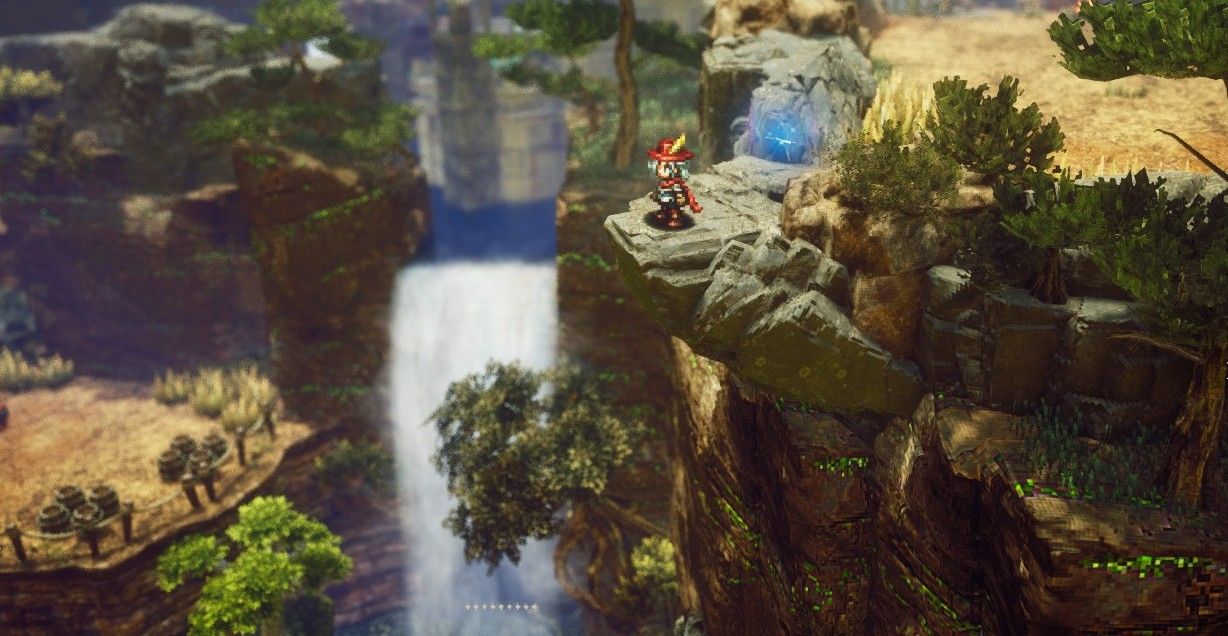
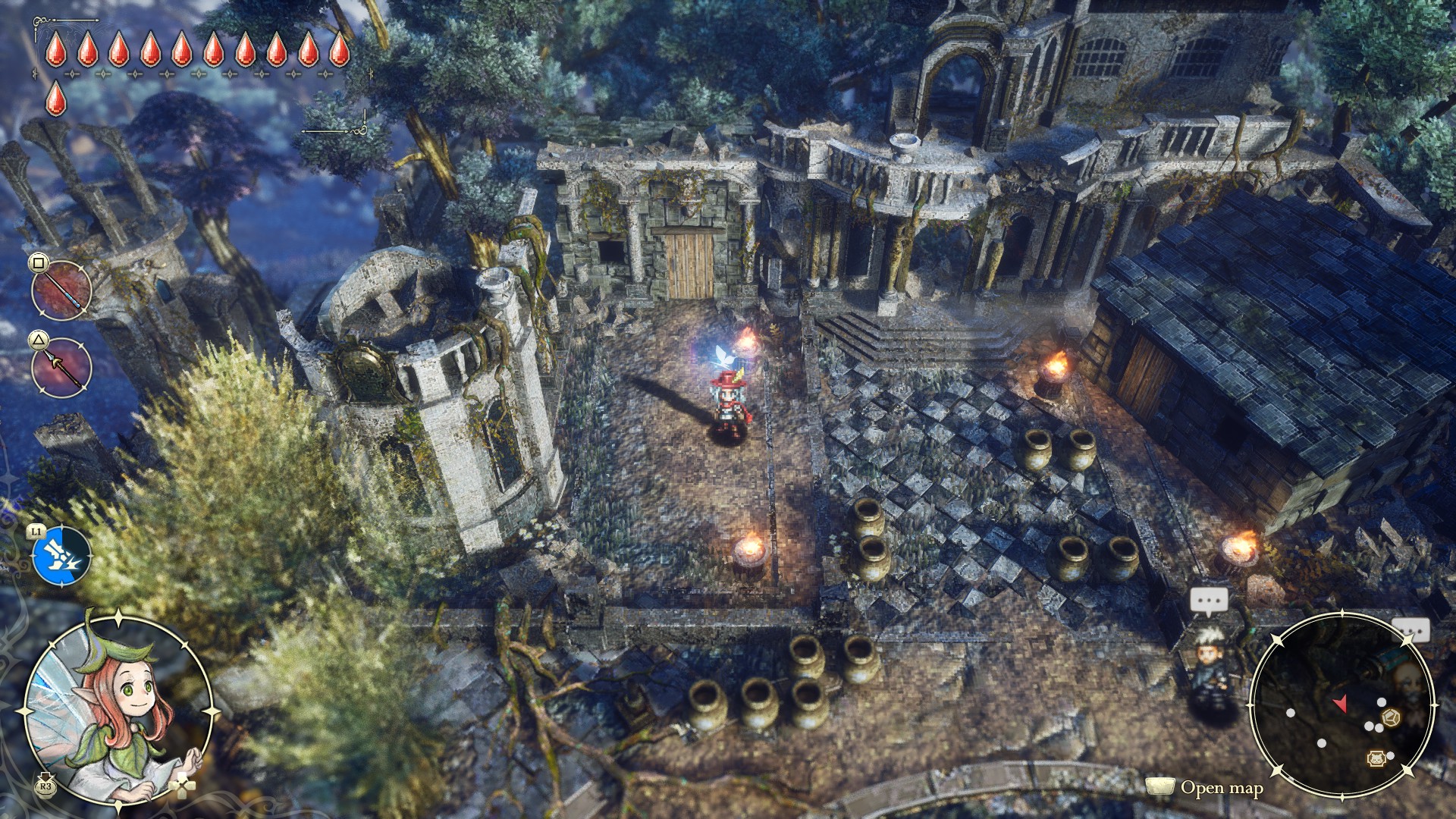
The Adventures of Elliot arrives with the polish one expects from the masters of the HD-2D aesthetic. It looks, moves, and feels like a love letter to the 16-bit classics of the past, utilizing modern lighting and depth-of-field effects to make its pixelated world feel more vibrant and alive than ever before.
A Chronicle Across Four Eras
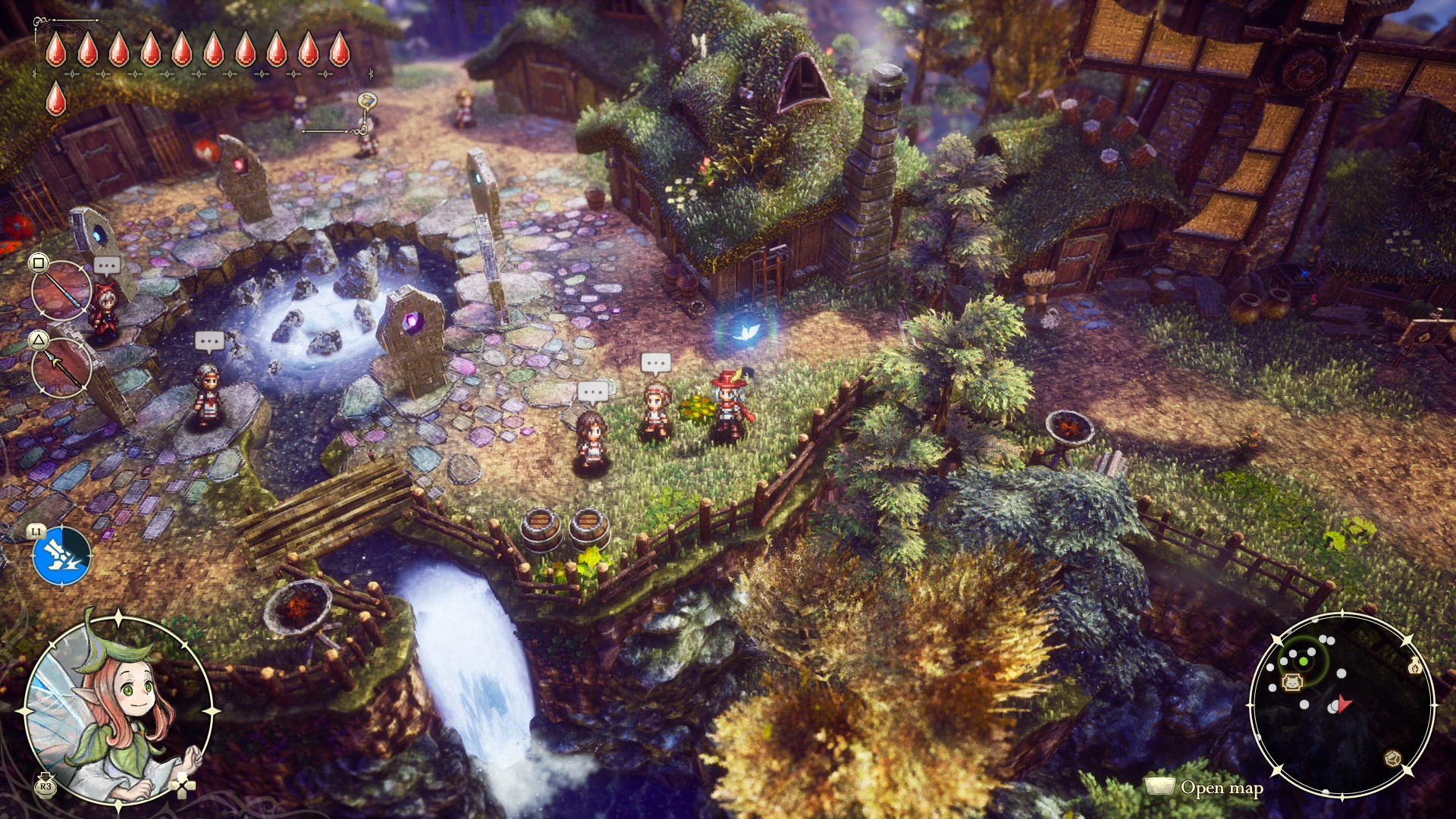
The game’s narrative structure is its most defining feature, centering on the titular Elliot as he navigates the history of the magical city of Philabieldia. Rather than sprawling across a generic fantasy continent, the developers have chosen to anchor the entire experience in one location, shifting the player across four distinct time periods:
- The Age of Budding: A primordial, lush era where nature and humanity existed in a delicate, mysterious symbiosis. Magic is a wild, untamed force here.
- The Age of Magic: A steampunk-adjacent period where technological advancement begins to synthesize with arcane practices, creating a fascinating, rapidly evolving society.
- The Age of Reconstruction: The game’s emotional nadir—a dark, ruinous era characterized by lingering shadows, desperation, and a fragile hope for the future.
- The Age of Safekeeping: The current timeline, where the city’s protective wards are flickering, creating a palpable sense of tension beneath the surface of a seemingly peaceful fantasy kingdom.
This "layering" approach is masterful. By visiting the same locations across these four distinct temporal slices, players witness the gradual evolution of the world. A crumbling wall in the Age of Safekeeping becomes a thriving marketplace in the Age of Magic, and a dense, overgrown forest in the Age of Budding. This structural choice imbues the game with a thematic unity that few modern RPGs achieve.
The Dynamic Duo: Elliot and Faie
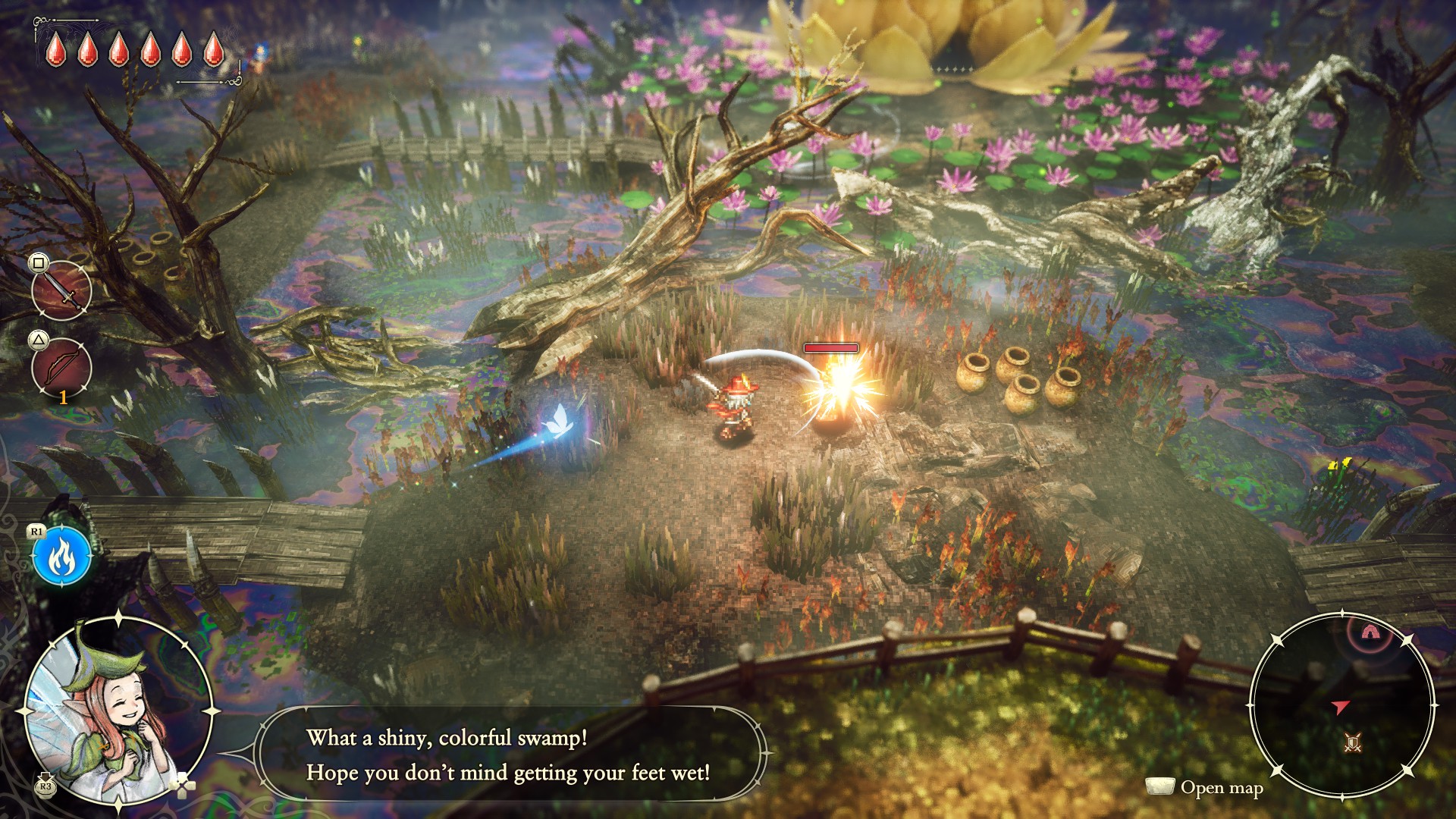
Central to the gameplay is the relationship between Elliot and his fairy companion, Faie. While the "talking sidekick" is a staple of the genre, Faie is a polarizing figure. In her default state, she acts like a hyperactive "react" YouTuber, constantly narrating every chest, every enemy, and every simple puzzle solution. It is an aggressive level of hand-holding that, frankly, threatens to undermine the player’s agency.
However, once you navigate the menu settings to dampen her enthusiasm, she becomes a genuinely delightful companion. More importantly, she is the engine behind the game’s most inventive mechanics. Faie is not just a story device; she is a toolkit. Players can deploy her as a body double to clear rooms of enemies while they remain safely positioned elsewhere, or use her to warp past environmental hazards.
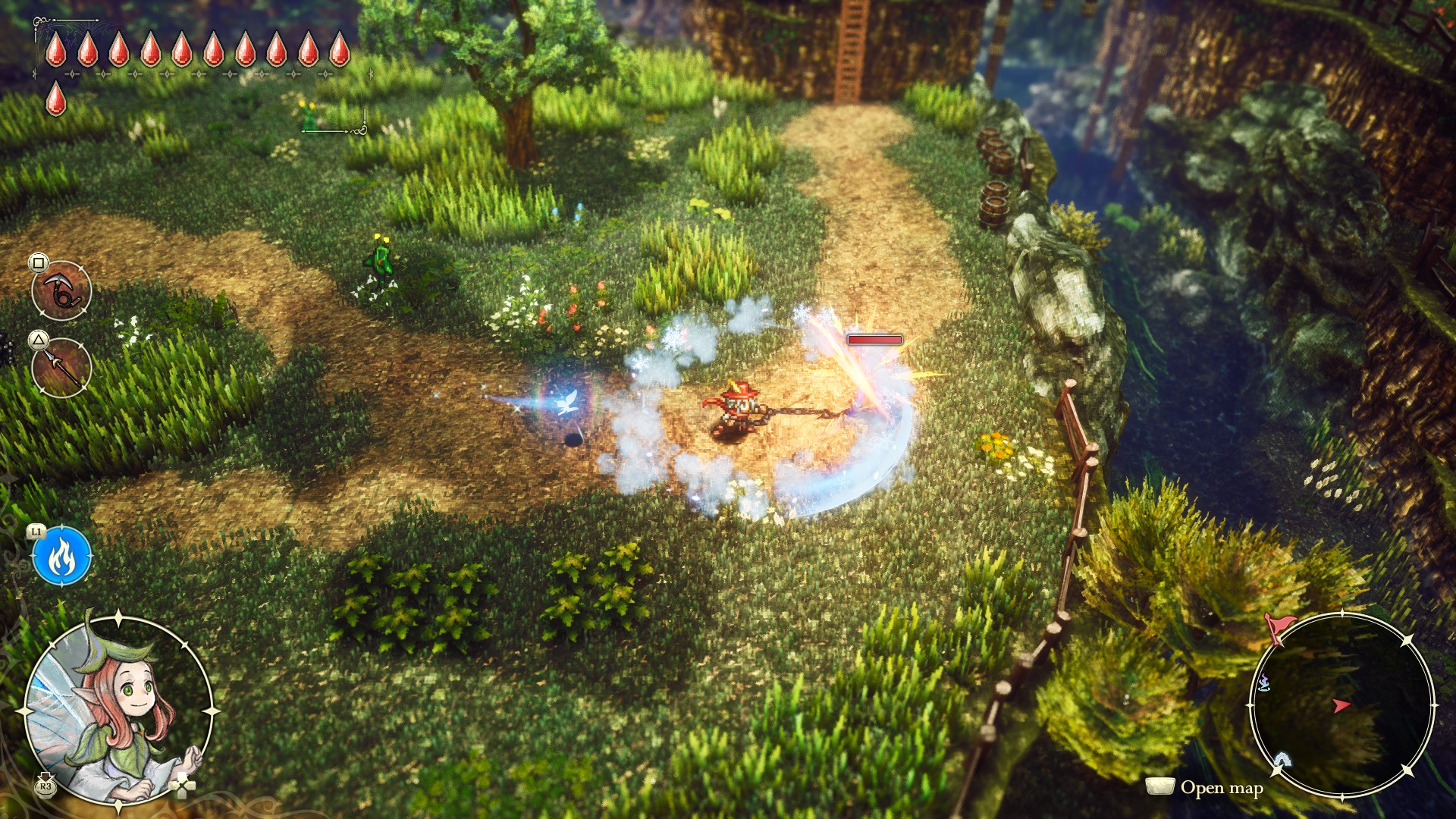
The combat system, which demands a high level of dexterity, shines when utilizing these mechanics. Managing both Elliot’s swordplay and Faie’s magical utility often leads to a "double-claw" controller grip that feels frantic but incredibly rewarding. Successfully knocking a foe into a vortex created by Faie is the kind of mechanical synergy that makes the player feel like a true tactical genius.
Technical Performance and Design
Visually, the game is a triumph. The HD-2D art style has reached its zenith here; the pixel art is detailed, expressive, and framed by stunning environmental lighting. Despite the chaotic nature of the combat—which sees players dodging lava, parrying projectiles, and managing multiple active abilities simultaneously—the game maintains a consistent 120 FPS on standard high-end rigs (tested on an Intel Core i7-13700F and NVIDIA RTX 3060 Ti).
The sound design is equally sharp. The classic JRPG electric guitar riffs provide an adrenaline-fueled backdrop that perfectly complements the "high-octane" pace of the boss battles. These encounters are reminiscent of the Ys series—fast, rhythmic, and demanding of precise timing.
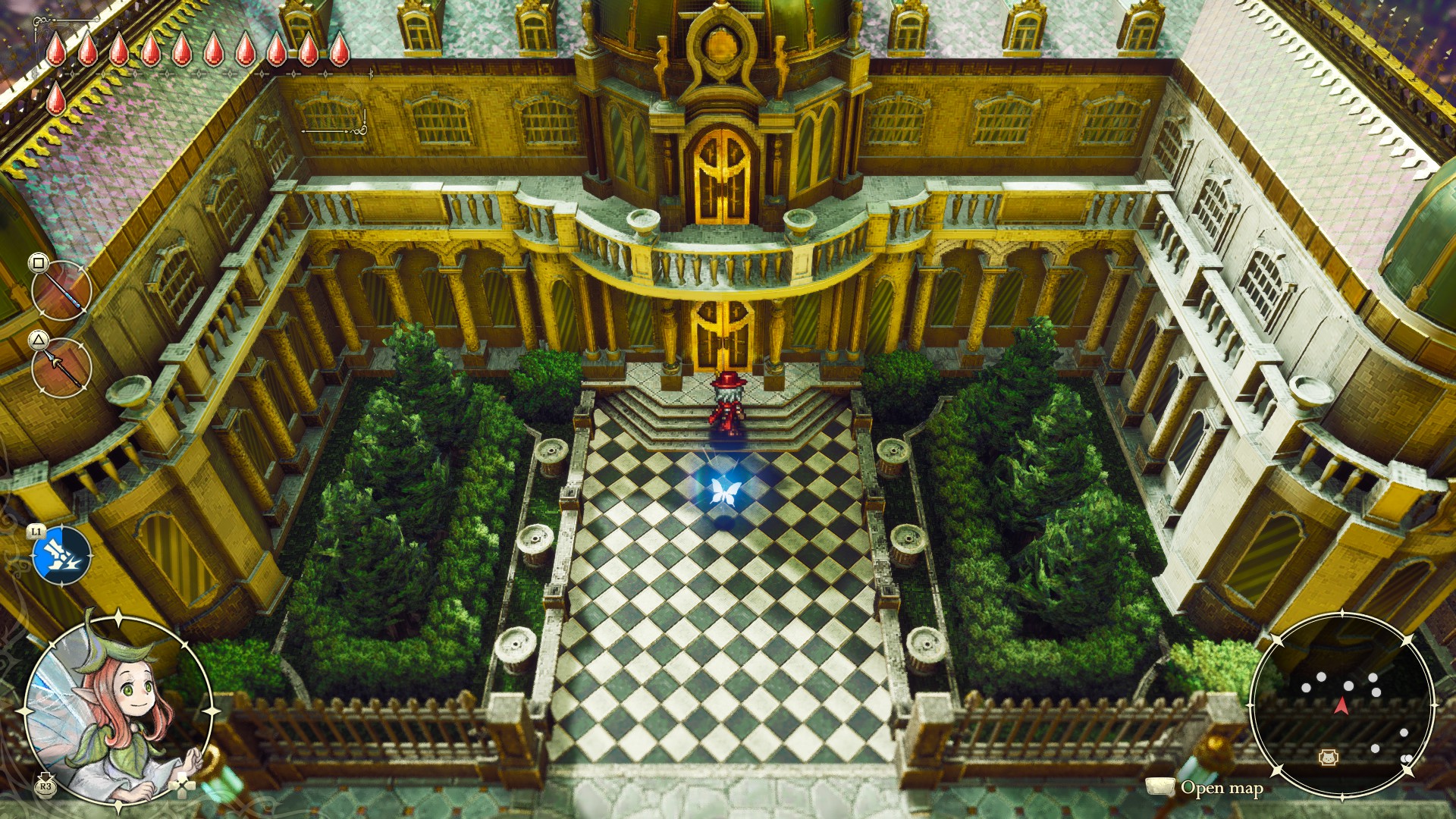
However, the game is not without its flaws. The focus on relentless action has come at the cost of environmental depth. The dungeons, while visually distinct, are mechanically shallow. Most puzzles are rudimentary, amounting to little more than pushing a block a few inches in a specific direction. This lack of complexity means that while the dungeons are fun to sprint through, they rarely linger in the memory once the boss is defeated.
Thematic Implications: History and Memory
Beyond the mechanics, The Adventures of Elliot makes a sincere effort to explore the concept of memory. The narrative touches on themes of loss, the responsibility of the present to the past, and the ways in which our histories are inextricably linked to our future.
While the primary plot—a standard-issue struggle between light and dark—is somewhat cliché and relies on a rather clumsy metaphor for fantasy racism, the side quests provide the true heart of the experience. Helping a widow find a way to honor her husband or assisting a researcher in archiving the dreams of citizens adds a layer of humanity to the world. These moments allow players to see the interconnectedness of the NPCs, turning the city of Philabieldia into a living, breathing entity that spans generations.
Official Stance and Market Position
Square Enix has positioned this title as a premium, mid-sized experience. By avoiding the 80-hour bloat often associated with their flagship Final Fantasy titles, they have carved out a space for a "20-hour thriller." This is a bold move in a market that often demands "value for money" in the form of sheer hours played. The Adventures of Elliot argues that value can also be found in pacing, intensity, and thematic cohesion.
The developers have remained quiet regarding post-launch content, suggesting that the game is intended to be a complete, self-contained story. Given the current industry trend of "live service" RPGs, there is a refreshing honesty to a game that delivers a beginning, a middle, and an end without the promise of a roadmap or a season pass.
Final Verdict: A Solid Stand in Time
The Adventures of Elliot: The Millennium Tales is not a perfect game. Its dungeons lack the ingenuity of the classics it draws inspiration from, and its primary narrative relies on tropes that have been worn thin over decades of JRPG history.
Yet, there is an infectious passion embedded in its design. By setting its sights on a specific, manageable scope, the team at Claytechworks has created something that feels hand-crafted and deliberate. It is a game that respects its own history—and by extension, the history of the genre—while refusing to get bogged down by it.
For players looking for a tight, exhilarating, and visually stunning adventure that won’t demand a month of their lives to complete, The Adventures of Elliot is a welcome addition to the pantheon. It may not reach the heights of the titans it emulates, but it stands firmly on its own, providing a thrilling ride through time that proves history—at least in the virtual sense—doesn’t have to be boring. It just needs a little bit of magic, a bit of speed, and a fairy that knows when to stop talking.


 Asro
Asro
 Muslim