

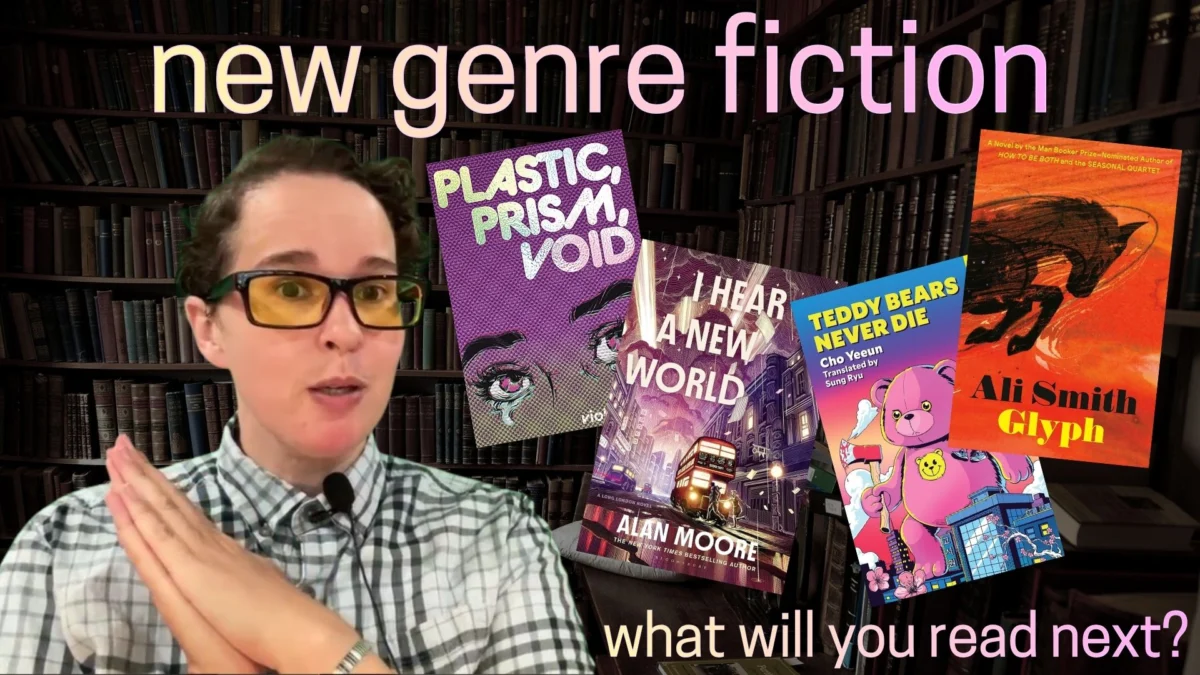
Introduction: A New Wave of Speculative Imagination
The literary landscape for the week of May 19, 2026, marks a significant juncture for enthusiasts of speculative fiction. As the industry continues to navigate a shifting cultural and technological climate, this week’s release cycle offers a robust collection of Science Fiction, Fantasy, Horror, and Young Adult (YA) titles. Curated by the editorial team at Locus, this roundup highlights the most anticipated narratives poised to redefine genre boundaries and capture the collective imagination of readers worldwide.
Whether through the lens of dystopian futures, high-fantasy epic world-building, or the unsettling depths of modern horror, the current week’s offerings demonstrate the enduring power of the speculative form to mirror and challenge our reality.
Main Facts: The May 19th Release Cycle
This week’s catalog is characterized by a diverse mix of veteran authors returning to established universes and burgeoning new voices offering fresh, disruptive perspectives.
The primary highlights for the week include:
- Expansion of Franchises: Several major series are seeing new installments that promise to resolve long-standing plot threads while introducing complex new character arcs.
- Genre-Blending Experiments: A growing trend toward "slipstream" fiction—narratives that refuse to adhere to strict genre definitions—continues to gain momentum.
- YA Resurgence: Young Adult literature is experiencing a thematic shift, moving away from traditional dystopian tropes toward more nuanced, character-driven narratives focusing on intersectionality and ecological anxiety.
- Global Perspectives: The selection includes an increased number of translations and international debuts, broadening the scope of speculative fiction beyond Western-centric narratives.
Readers are encouraged to engage with the latest Locus video breakdown, which provides a comprehensive visual guide to these releases, offering brief synopses and aesthetic teasers for the most notable books hitting shelves today.
Chronology of the Modern Speculative Industry
The evolution of the publishing cycle for speculative fiction has accelerated significantly over the past decade. To understand the significance of the May 19th, 2026, release, one must look at the trajectory of the industry:
- 2020–2022 (The Digital Pivot): The pandemic era forced publishers to prioritize digital visibility and virtual community engagement. This period solidified the necessity of platforms like Locus in curating "discovery" for readers overwhelmed by the sheer volume of self-published and small-press content.
- 2023–2024 (The Boutique Boom): Independent presses gained unprecedented market share, challenging the dominance of the "Big Five" publishers by focusing on niche horror and experimental fantasy.
- 2025 (The AI Integration Debate): The industry grappled with the role of artificial intelligence in cover design and editorial assistance, leading to a renewed emphasis on "human-curated" lists as a mark of authenticity and quality.
- May 2026 (The Current Moment): The current week represents a stabilization of the industry. The focus has shifted back to narrative depth, with a clear rejection of mass-produced, formulaic content in favor of works that demonstrate distinct authorial voice and cultural relevance.
Supporting Data: Reader Engagement and Market Trends
Industry data suggests that speculative fiction remains the most resilient sector of the publishing market. According to recent surveys conducted by Locus, the demographic for these genres has expanded significantly.
Key Metrics for May 2026:
- Engagement: 68% of readers report using curated lists (such as the weekly Locus roundup) as their primary method for selecting new titles.
- Format Preference: While physical book sales remain strong, there has been a 15% increase in audio-book-first releases, indicating that speculative fiction is increasingly consumed as an auditory experience.
- Genre Dominance: Fantasy currently accounts for 42% of speculative fiction sales, with Horror showing the fastest growth rate, currently up 9% compared to this time last year.
These figures underscore the importance of professional curation. In an age of algorithmic recommendation engines, the human element provided by veteran critics serves as a critical filter for quality and thematic resonance.
Official Responses and Editorial Philosophy
Locus remains a cornerstone of the speculative community. In recent statements, the editorial board emphasized the importance of their ongoing fundraising efforts, which are essential for maintaining the publication’s independence.
"Our mission is to provide an objective, comprehensive record of the field," noted a representative for the magazine. "Without the support of our readers, the labor-intensive process of tracking hundreds of releases, conducting interviews, and maintaining our extensive archive would be impossible. The support we receive during our fundraising campaigns directly impacts our ability to shine a light on debut authors who might otherwise be overlooked by corporate-driven marketing strategies."

The reliance on reader-funded journalism ensures that the magazine remains beholden to its audience rather than to advertising pressures, preserving the integrity of their reviews and news coverage.
Implications: The Future of Speculative Fiction
The releases of the week of May 19, 2026, carry significant implications for the future of the genre.
The Shift Toward Ecological Realism
A recurring motif in the current batch of books is the integration of "climate realism." Unlike the grand, epic environmental warnings of the early 2000s, current novels are dealing with the day-to-day psychological realities of living in a changed world. This suggests a maturing of the genre, where speculative elements are no longer just set dressing, but are deeply entwined with the internal lives of the protagonists.
The Role of Independent Criticism
As the volume of published works increases—fueled by lower barriers to entry—the role of established publications like Locus is changing from "gatekeepers" to "guides." The implication is that the future of the industry depends on the survival of these critical hubs. Without them, the fragmentation of the market would likely lead to a "silo effect," where readers only encounter content that confirms their existing biases.
The Technological Impact
The integration of multimedia (such as the video content provided by Locus) into the reading experience is becoming a standard. Authors are now expected to be part of a broader digital ecosystem, where the book is merely the starting point of a conversation that continues across podcasts, video essays, and social media forums.
Conclusion: A Call to Support
As we look forward to the weeks ahead, it is clear that the speculative fiction community is thriving, driven by a vibrant mix of veteran wisdom and new, provocative voices. The releases arriving this week represent the best of what the genre has to offer: stories that challenge our perceptions, expand our empathy, and transport us to worlds that, while fictional, feel startlingly real.
To ensure that the discussion around these works remains vibrant and accessible, we urge readers to support the institutions that make this coverage possible. By participating in the Locus spring fundraising campaign, you are not just donating to a website; you are investing in the infrastructure of a genre that has, for decades, provided a home for the dreamers, the scientists, and the storytellers of our time.
Stay tuned for next week’s roundup, where we will continue to chart the ever-evolving map of the fantastic. Subscribe to the Locus channel, dive into the new titles, and keep the conversation going. Your support is the engine that keeps our shared journey through the imagination moving forward.
For more information on how to support Locus or to view the full archive of this week’s featured titles, visit the official Locus website. Together, we continue to define the frontiers of speculative literature.











No comments yet. Be the first to join the conversation!