
 Reynand Wu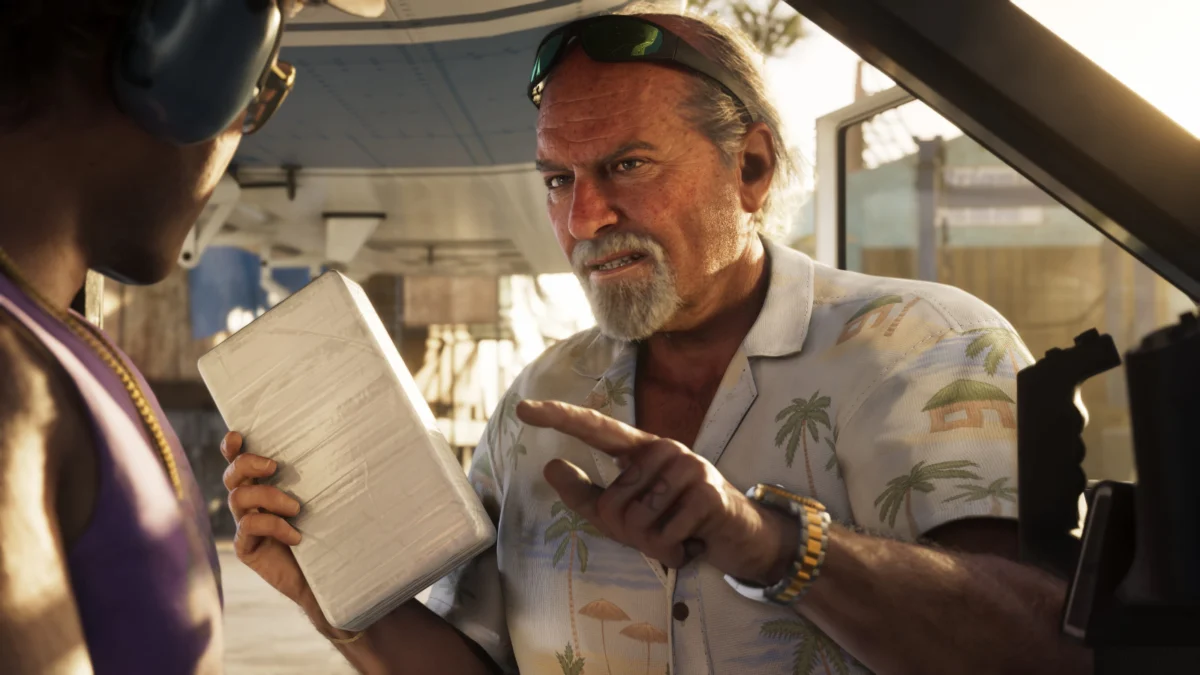
In a rare moment of corporate transparency that has rippled through the global gaming industry, Take-Two Interactive CEO Strauss Zelnick has officially put an end to years of speculation regarding the release window for Grand Theft Auto 6. During a candid appearance on the Founders podcast hosted by David Senra, Zelnick confirmed that Rockstar Games’ highly anticipated title is officially slated for launch on November 19, 2026.
The announcement, while providing the concrete clarity that millions of fans have craved, came with a surprising admission: the project is currently tracking approximately 18 months behind its original internal development schedule. This revelation offers a rare glimpse into the complex machinery of one of the most expensive and ambitious entertainment productions in human history.
The Confirmation: Ending the Era of Speculation
For years, the development cycle of GTA 6 has been shrouded in a fog of rumors, leaks, and investor anxiety. As the flagship property for Take-Two Interactive, the stakes surrounding the game are existential. When asked directly about the release timeline by David Senra, Zelnick bypassed the typical corporate jargon, stating, "November 19th. I do know."
This confirmation serves as a definitive anchor for a project that has been subject to relentless conjecture. By identifying a specific Tuesday in November 2026, Zelnick has provided developers, investors, and the global gaming public with a finish line. However, the admission that this date arrives 18 months late highlights the immense technical and creative hurdles Rockstar Games has navigated to bring the fictional state of Leonida to life.
A Chronology of Anticipation and Adjustment
To understand the weight of this 18-month delay, one must look at the trajectory of Rockstar Games’ development philosophy. The studio has historically operated on a "quality-first" mandate, often choosing to delay projects rather than ship a sub-par product.
- The Announcement Phase: Following the massive leaks of 2022, Rockstar officially acknowledged that development was well underway. The subsequent trailers and teasers signaled a massive leap in graphical fidelity and NPC interaction.
- Internal Benchmarks: According to Zelnick, the original internal roadmap—likely targeted for a mid-2025 release—was predicated on a scope that continued to expand as the hardware capabilities of the current console generation became better understood.
- The 18-Month Pivot: The 18-month "lag" described by Zelnick represents a period of intense refinement. During this window, the studio shifted focus from content creation to the painstaking process of optimization, bug-squashing, and polishing the "living world" mechanics that Rockstar titles are known for.
- The Final Stretch: With the November 2026 date now locked, the studio is currently in the "crunch" of finalization, ensuring that the sprawling open-world map meets the studio’s internal standards for immersion and performance.
The Borderlands Precedent: Quality Over Schedule
One of the most revealing aspects of Zelnick’s interview was his justification for the delay. He framed the setback not as a failure, but as a strategic commitment to creative excellence. He pointed to the original Borderlands as the definitive case study for why waiting is better than releasing.
"Two months before that game’s scheduled release, the development team asked to completely remake the art style," Zelnick recounted. "A move that would cost an monumental $50 million and push the launch back by a full year."
At the time, such a decision was viewed as professional suicide by industry analysts. However, Zelnick’s decision to approve the pivot proved prescient, as Borderlands went on to become a cornerstone of the looter-shooter genre. By invoking this history, Zelnick is signaling to shareholders that he is willing to absorb short-term financial volatility to ensure that GTA 6 becomes a generational touchstone. "Had we not done that, Borderlands wouldn’t have been a hit," Zelnick noted. "And that was a non-obvious decision. I can pretty much assure you no one else in the business would have done it."
Financial Resilience: Why Take-Two Isn’t Panicking
Despite the significant delay and the astronomical budget of GTA 6, Take-Two Interactive remains remarkably calm. The primary engine behind this stability is the enduring dominance of Grand Theft Auto V and its associated GTA Online ecosystem.
The game, which originally launched in 2013, has maintained a consistent player base that generates steady, high-margin revenue. This "financial moat" allows Rockstar Games to operate with a level of independence that few other studios possess. When asked about the pressure of the delay, Zelnick emphasized that the social nature of their online platforms provides the necessary breathing room.
"Online games are highly social experiences," Zelnick explained. Because GTA Online remains a top-tier revenue generator, Take-Two is under no immediate fiscal duress to force a premature release of the sequel. The company is treating GTA 6 not just as a product, but as the "most valuable entertainment IP ever created."
The Industry Perspective: A "Can’t-Miss" Release
Industry analysts and former Rockstar developers have weighed in on the significance of the November 2026 date, largely agreeing that the studio has reached a point where further delays are no longer an option. The expectation from the market is that the product must be flawless upon arrival.
The consensus among insiders is that the 18-month delay was likely the final "buffer" available. Releasing a game of this magnitude requires a massive marketing lead-up, physical distribution logistics, and digital infrastructure scaling. Moving the date beyond November 2026 would likely trigger a negative reaction from investors and could potentially damage the brand’s reputation for reliability.
However, the sheer hype surrounding the game suggests that even with the delay, the appetite for the title has not diminished. If anything, the wait has only served to intensify the cultural gravity of the release.
Implications for the Future of Gaming
The confirmation of the GTA 6 release date signals a shift in how "AAA" titles are managed in the modern era. As games become more complex, the cost of failure rises exponentially. Zelnick’s philosophy—prioritizing the creative vision over the fiscal calendar—is a gamble that only a company of Take-Two’s stature can afford.
For the player, the 18-month delay represents a bittersweet reality. While it means a longer wait, it also suggests that the final product will be a more refined, technologically advanced experience than what was originally planned in the early stages of development. As we look toward November 2026, the question is no longer "if" the game will be released, but whether it can truly redefine the open-world genre as its predecessors did.
Conclusion
Strauss Zelnick’s confirmation of a November 19, 2026, release date for Grand Theft Auto 6 is more than just a calendar entry; it is a testament to the high-stakes, high-reward nature of the modern video game industry. By acknowledging the 18-month delay and framing it through the lens of quality control, Take-Two Interactive has set a clear expectation for stakeholders and fans alike.
As the countdown begins, the world watches to see if Rockstar Games can once again catch lightning in a bottle. With the financial backing of a juggernaut like GTA Online and the creative mandate to prioritize quality above all else, the stage is set for what may well be the most significant entertainment launch of the decade. For now, the path to Leonida is clear, and for the millions of fans waiting, the light at the end of the tunnel is finally visible.


 Suro Senen
 Pevita Pearce




