Reynand Wu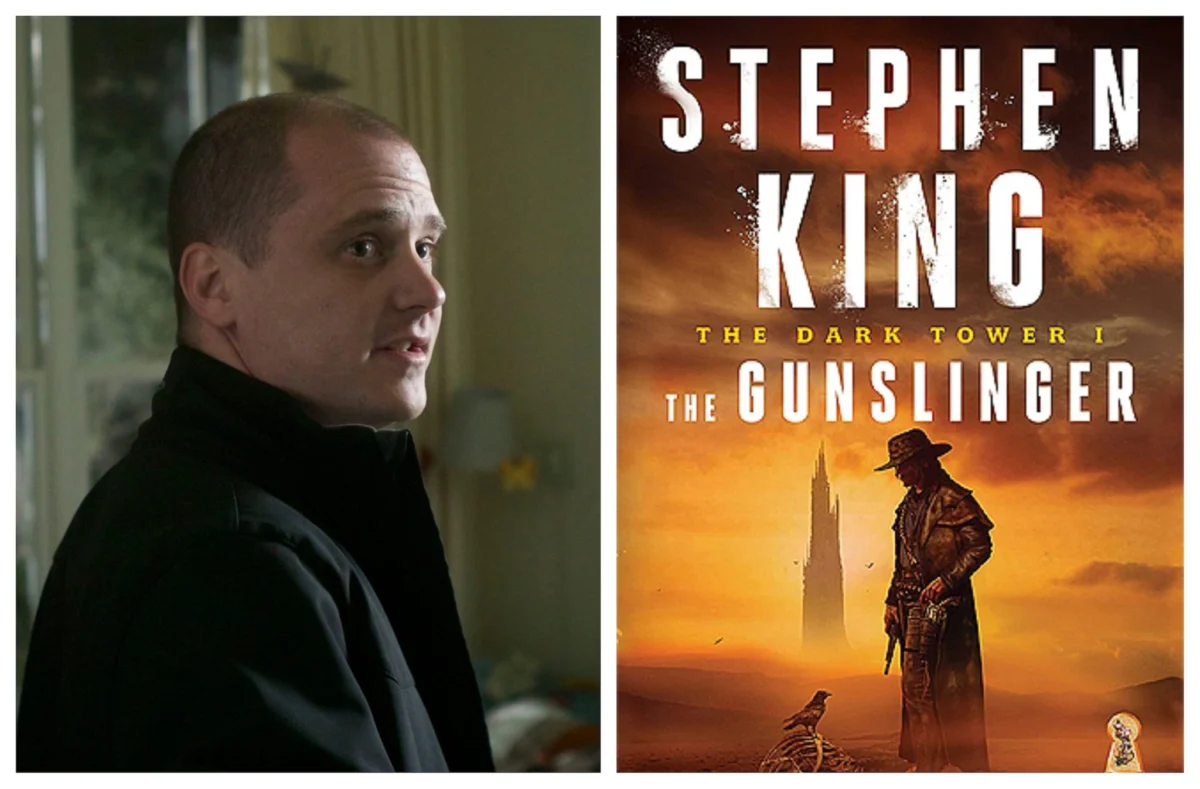
For fans of Stephen King’s magnum opus, The Dark Tower, the promise of a faithful screen adaptation has long felt like a pilgrimage through a wasteland—full of mirages, false starts, and treacherous terrain. Nearly four years have passed since the industry buzzed with the news that horror maestro Mike Flanagan, the creative force behind The Haunting of Hill House and Midnight Mass, had secured the rights to bring Roland Deschain’s quest to the small screen.
Yet, as the calendar inches toward 2026, the project remains shrouded in the mystery of "development hell." In a recent, candid interview with Entertainment Weekly, Flanagan offered a rare glimpse behind the curtain, characterizing the production as an "oil-tanker" journey. While the wait continues, the architect of this ambitious undertaking insists that the project is not dead—merely caught in the complex machinery of modern media conglomerates.
The Genesis of an Epic: A Chronology of Ambition
The quest to adapt The Dark Tower is a saga in its own right. The series, which spans eight novels and chronicles the journey of the last Gunslinger, Roland Deschain, toward the titular Tower, has proven notoriously difficult to capture on film.
- 2020: The Failed Start: Before Flanagan’s involvement, Amazon Studios attempted to launch a series helmed by Glen Mazzara, known for his work on The Walking Dead. That iteration, which sought to explore the origins of the Gunslinger, faltered during the pilot phase. Amazon ultimately opted not to move forward, leaving the franchise in a state of suspended animation.
- December 2022: The Flanagan Announcement: Hope was renewed when it was revealed that Mike Flanagan and his producing partner Trevor Macy had signed a multi-year deal with Amazon MGM Studios. Flanagan, a self-confessed devotee of King’s work, held the "holy grail" rights to The Dark Tower, aiming to produce a multi-season series that would finally do justice to the sprawling, interdimensional narrative.
- 2023–2024: The Strategic Pivot: Following the acquisition, Flanagan turned his attention to other high-profile projects, most notably his adaptation of Stephen King’s Carrie for Amazon MGM. This pivot, while frustrating for those desperate for news on the Gunslinger, was reportedly a tactical decision by the studio to build trust and momentum with the creator before tackling the massive undertaking that is the Tower universe.
- October 2026: The Carrie Milestone: With Carrie slated to premiere on October 7, 2026, the industry is watching closely. This release serves as the primary benchmark for the partnership between Flanagan and the studio, effectively acting as a litmus test for the larger, more complex Dark Tower adaptation.
The "Oil-Tanker" Pace: Why Development is So Complex
When asked why progress on The Dark Tower has felt so glacial, Flanagan’s metaphor of an "oil-tanker" perfectly encapsulates the reality of high-end television production. The sheer scale of the intellectual property (IP) creates a logistical labyrinth.
"To do it the way I wanna do it requires an enormous commitment from a studio," Flanagan explained to Entertainment Weekly. The primary hurdle is not a lack of interest, but the fragmented nature of King’s literary universe. The Dark Tower acts as the nexus for almost every other story King has written. Characters from Salem’s Lot, The Stand, It, and The Eyes of the Dragon bleed into the lore of the Gunslinger.
Because these stories are often tied to different studio rights, legal and creative negotiations become a Gordian knot. "You’ve got characters in there that are all over the place when it comes to studio ownership," Flanagan noted. Consequently, the development process is not merely about writing a script; it is about navigating a corporate minefield to ensure that the interconnected threads of the King multiverse remain intact.
Flanagan insists, however, that the wheels are still turning. "It has taken much longer than I’d like it to, but I work on it all the time. It’s never stopped moving."
The Weight of Expectation: Can Flanagan Succeed Where Others Failed?
The history of Dark Tower adaptations is littered with wreckage. Ron Howard’s ambitious film/TV hybrid project never materialized, and the 2017 feature film starring Idris Elba and Matthew McConaughey was met with critical and commercial indifference. The challenge is clear: The Dark Tower is not a standard genre piece. It is a meta-fictional, genre-bending epic that requires a high budget, a visionary director, and a studio willing to commit to multiple years of production.
Flanagan brings a unique set of credentials to the table. His work on Netflix’s The Haunting anthology and The Fall of the House of Usher has demonstrated an uncanny ability to balance deep character development with supernatural dread. More importantly, he has a track record of deep respect for source material, having previously adapted King’s Gerald’s Game and Doctor Sleep—the latter of which was widely praised by both critics and King himself for successfully bridging the tonal gap between Stanley Kubrick’s The Shining and King’s own literary sequel.
Strategic Realignment: The Amazon Connection
Industry analysts suggest that Amazon MGM’s insistence that Flanagan prioritize Carrie is a calculated move. By focusing on a contained, iconic narrative first, the studio can refine its working relationship with Flanagan and ensure that his visual language—which often involves long-form, atmospheric storytelling—aligns with the platform’s high-budget requirements.
Furthermore, the failure of the 2020 attempt has likely made the studio risk-averse. They are no longer looking for a quick, "flash-in-the-pan" adaptation. Instead, they are looking for a sustainable franchise. For fans, this means the wait is the price of quality. The "oil-tanker" approach, while frustrating, suggests that when the series finally does arrive, it will be the result of a deliberate, well-funded, and legally consolidated effort rather than a rushed attempt to capitalize on the IP.
Implications for the Future of King Adaptations
If Flanagan successfully navigates the development of The Dark Tower, it could signal a new era for adaptations of Stephen King’s work. The "King Multiverse" has long been a dream for producers, but it has remained largely untapped due to the aforementioned legal hurdles.
If Flanagan can build a cohesive "Tower-centric" universe, it could pave the way for a more integrated approach to adapting King’s bibliography. This would allow for crossovers and Easter eggs that have previously been impossible, creating a "cinematic universe" of horror that rivals the most successful superhero franchises in terms of scope and lore.
Conclusion: The Horizon of Mid-World
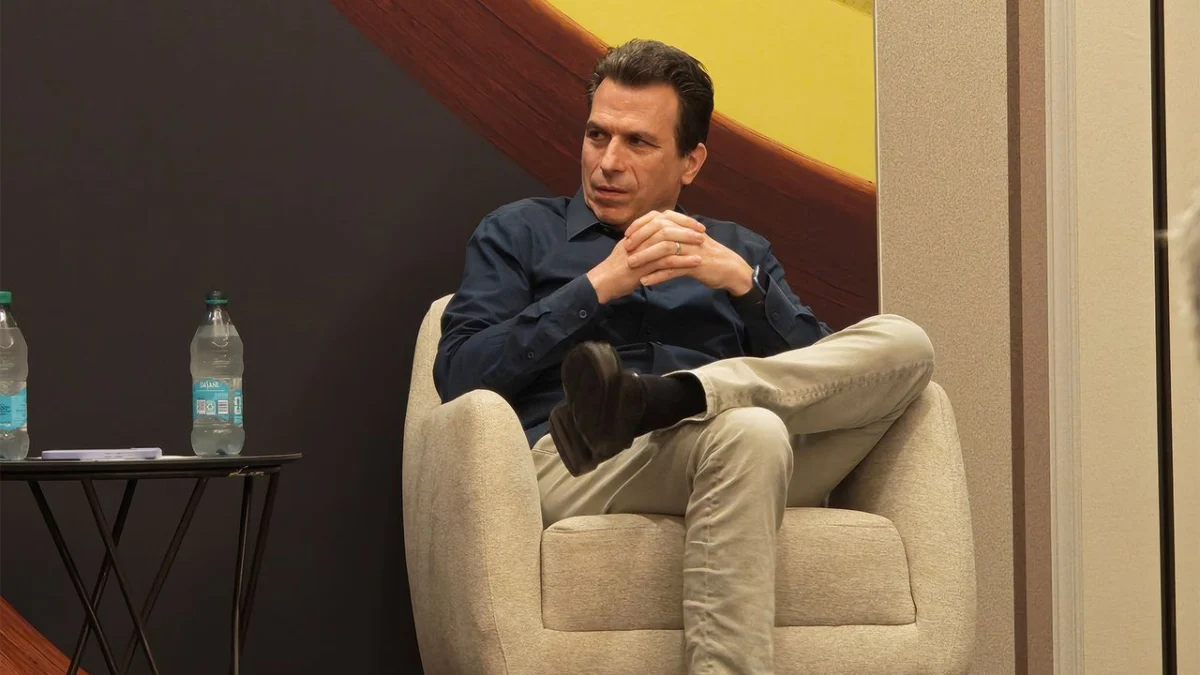
Is the project still happening? The answer, according to the man in the chair, is a definitive "yes." While the timeline remains uncertain, the fact that Flanagan remains actively engaged with the material—"working on it all the time"—should provide a sliver of hope to the most ardent Constant Readers.
The "oil-tanker" moves slowly because it carries a massive, precious cargo: the entirety of Roland Deschain’s journey, the fate of the beams, and the salvation of the Tower itself. In the world of prestige television, patience is often rewarded with excellence. As we look toward the 2026 debut of Carrie, we are not just looking at a new show; we are looking at the foundational steps of a much larger, darker, and more magnificent journey.
For now, the tower stands in the distance, waiting. And for those who have waited four years already, a little more time seems a small price to pay for a journey that, if handled by Flanagan, might finally be the one that reaches the clearing at the end of the path.

 Lina Hope