

By Leandro Beroldo | June 2, 2026
For decades, the global perception of cinema was dominated by the monolithic reach of the American studio system. Hollywood, with its immense budgets, global distribution networks, and star-centric marketing, often operated under the assumption that it dictated the terms of storytelling. However, the history of film is punctuated by moments of disruption—instances where a foreign-language production didn’t just cross the ocean, but fundamentally altered the creative landscape of Tinseltown.
These fourteen films represent more than just critical successes; they are cultural touchstones that introduced stylistic innovations, narrative structures, and genre redefinitions that American filmmakers have spent the subsequent years attempting to emulate.
The Chronological Shift: A History of Global Influence
To understand how international cinema has reshaped Hollywood, one must view these films not as isolated hits, but as a chronological timeline of creative evolution.

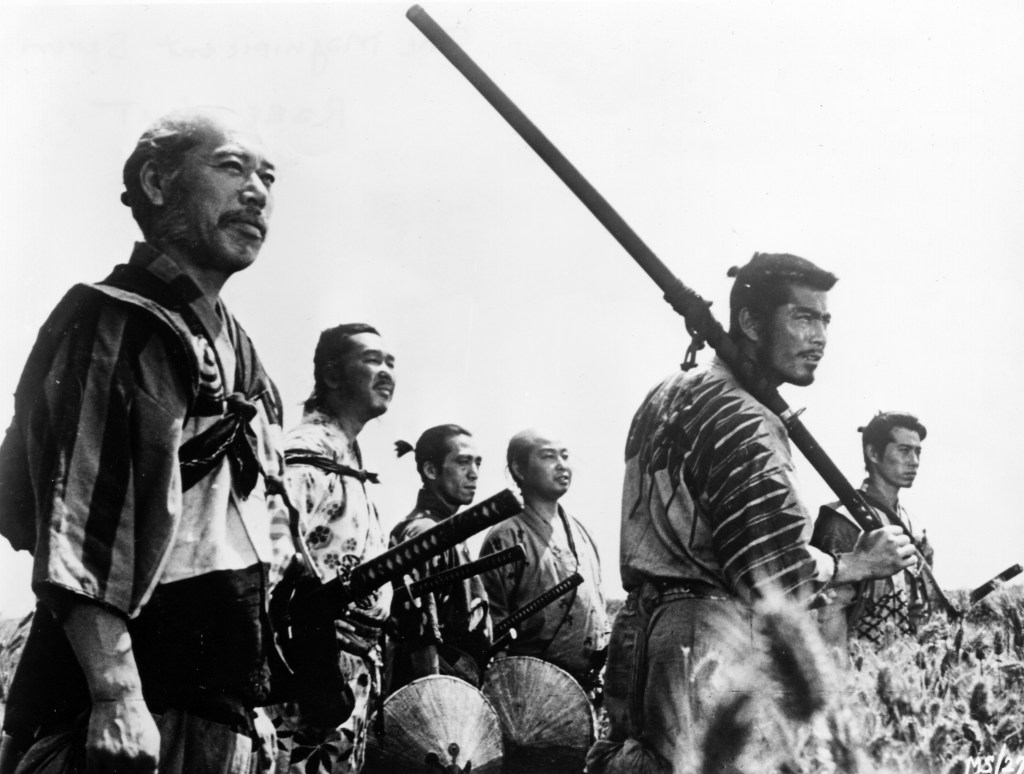
The Foundation of Action: Seven Samurai (1954)
Akira Kurosawa’s Seven Samurai is arguably the most influential foreign film in American history. By perfecting the "gathering the team" trope, Kurosawa provided the blueprint for the modern action blockbuster. Without Seven Samurai, the structural DNA of The Magnificent Seven, The Dirty Dozen, and even modern superhero team-up movies would be unrecognizable.
The Awakening of Social Realism: La Haine (1995)
Mathieu Kassovitz’s blistering exploration of urban alienation in the suburbs of Paris brought a raw, documentary-style aesthetic to the forefront. It forced American filmmakers to confront the reality of social tension and racial divide with a level of visual kineticism that had been previously sanitized in domestic productions.
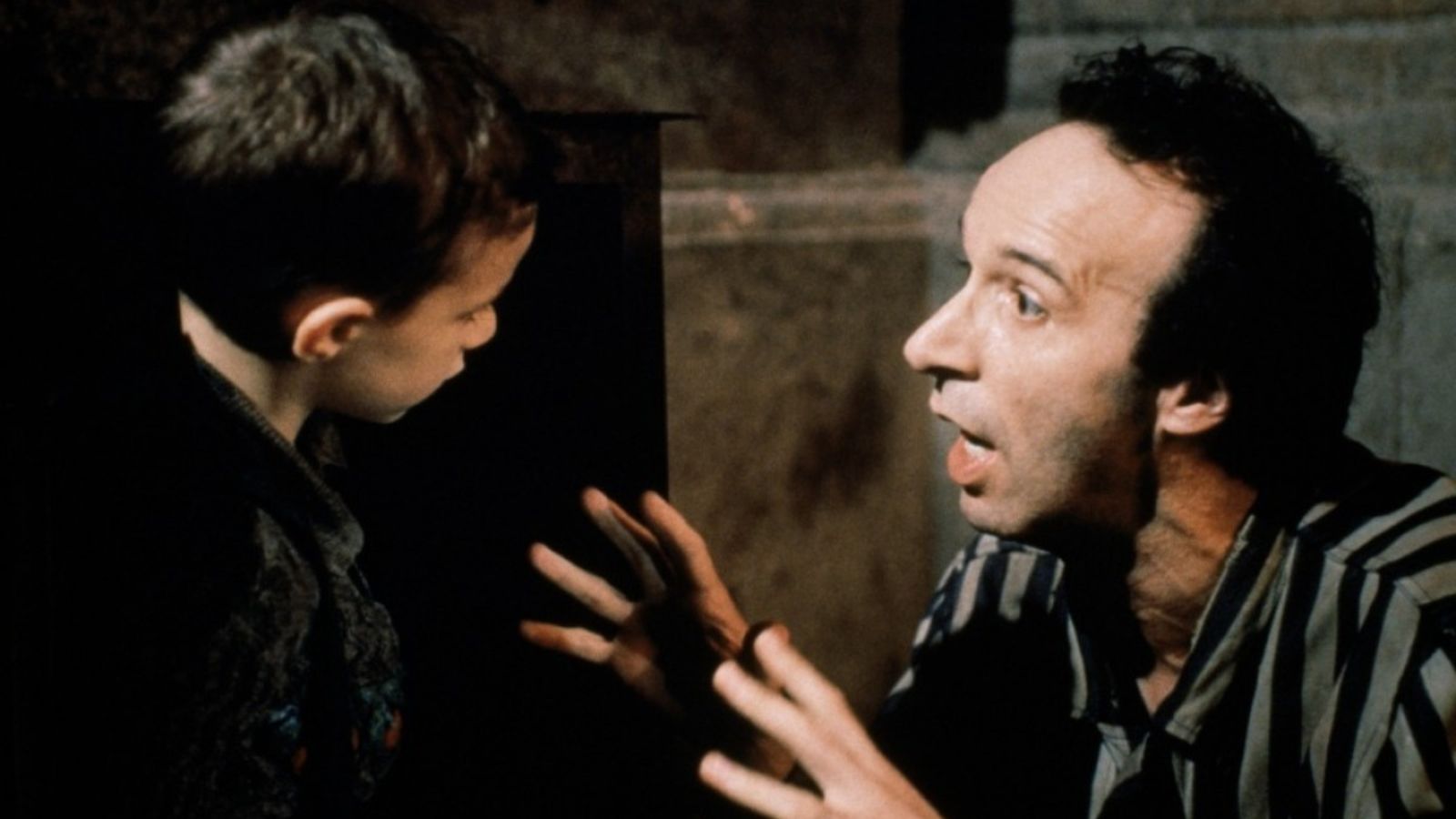
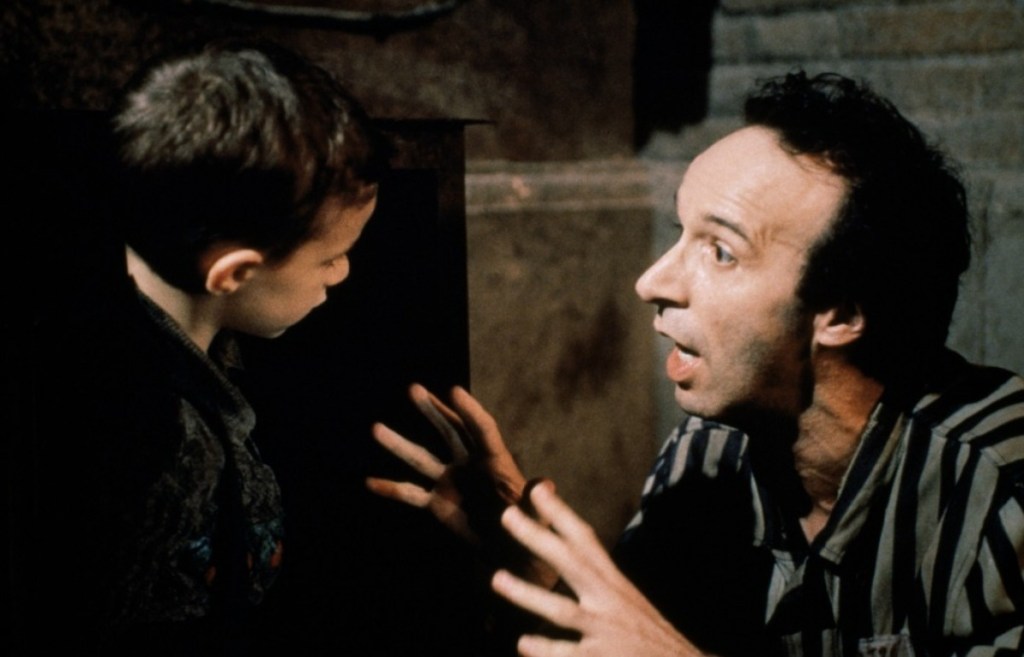
The Humanistic Paradigm: Life Is Beautiful (1997)
Roberto Benigni proved that the most harrowing chapters of history could be filtered through a lens of profound humanism and humor. It challenged the rigid constraints of the "holocaust drama" genre, proving that emotional resonance could be achieved through unconventional tonal shifts.
The Pulse of Modernity: Run Lola Run (1998)
Tom Tykwer’s high-octane thriller introduced a non-linear, video-game-inspired narrative structure to mainstream audiences. Its frenetic pacing and rhythmic editing became a stylistic shorthand that defined the late 90s and early 2000s action-thriller aesthetic.

The Wuxia Revolution: Crouching Tiger, Hidden Dragon (2000)
Ang Lee’s masterpiece did the impossible: it turned subtitles into a mainstream commodity. By blending operatic martial arts with a tender, meditative romance, it broke the ceiling for international films in the American box office and paved the way for a more diverse appreciation of Asian cinema.
The Whimsical Standard: Amélie (2001)
Jean-Pierre Jeunet’s Amélie redefined the "indie darling." With its saturated color palette and magical-realist tone, it proved that intimate, quirky character studies could transcend cultural barriers to become global sensations, influencing the aesthetic of countless "quirky" romantic comedies that followed.

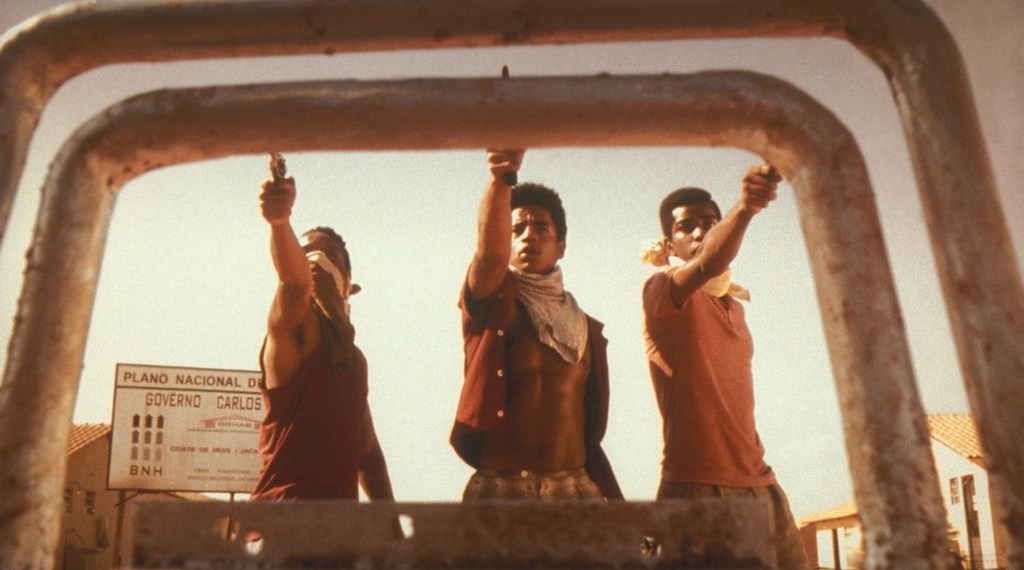
The Kinetic Grittiness: City of God (2002)
This Brazilian powerhouse arrived with an explosive energy that sent shockwaves through Hollywood. Its rapid-fire editing and unflinching portrayal of life in the favelas challenged the static nature of American crime dramas, influencing a generation of directors—from Martin Scorsese to David Ayer—to pursue a more visceral, "street-level" visual language.
The Revenge Renaissance: Oldboy (2003)
Park Chan-wook’s Korean thriller is a masterclass in psychological tension and stylistic violence. It introduced a level of operatic brutality that American studios struggled to match, leading to years of Western filmmakers attempting to replicate its specific brand of stylized, tragic vengeance.
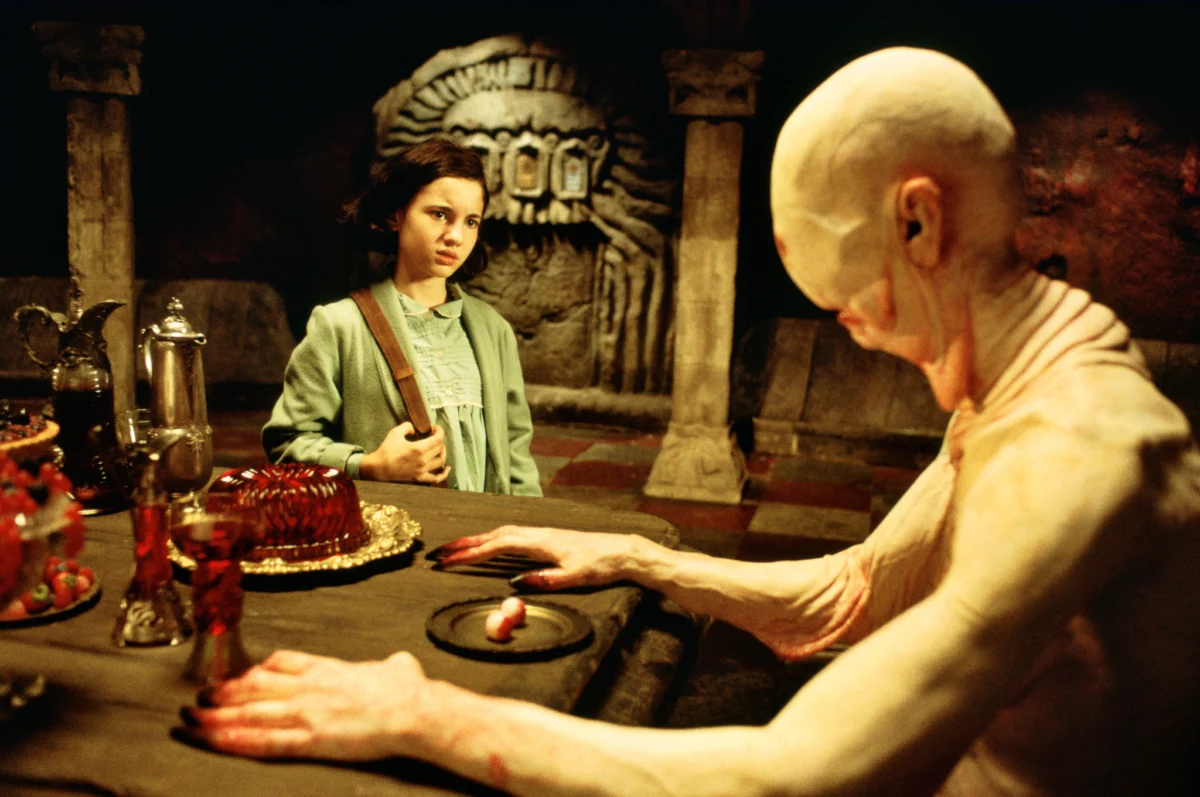
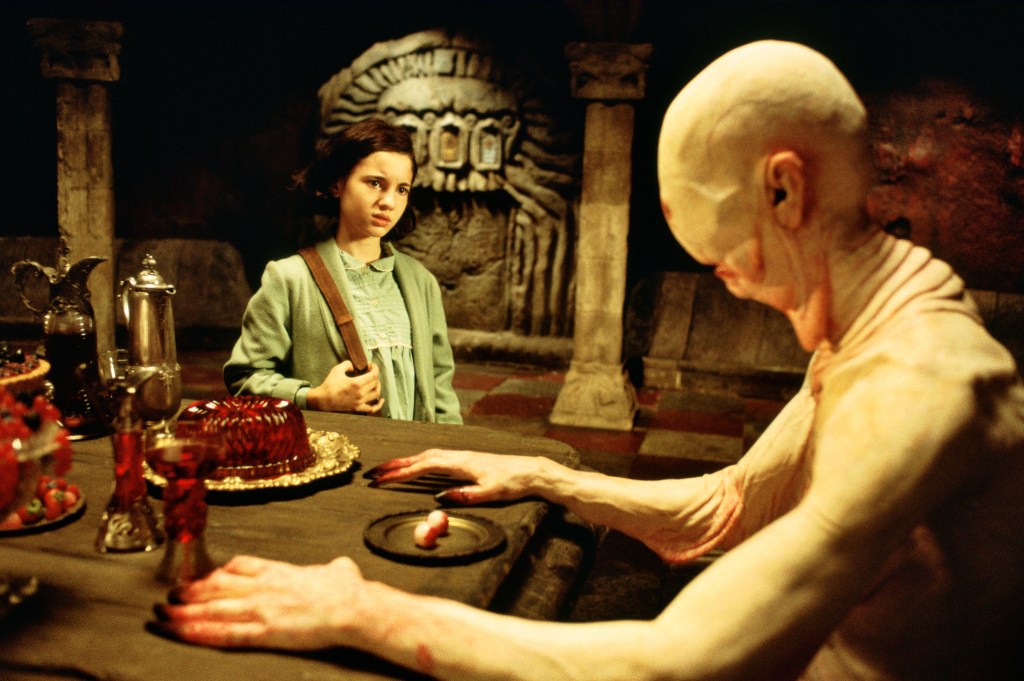
The Dark Fairy Tale: Pan’s Labyrinth (2006)
Guillermo del Toro bridged the gap between R-rated horror and high-concept fantasy. By grounding supernatural terror in the historical trauma of the Spanish Civil War, he expanded the horizons of what fantasy cinema could achieve, proving that the genre could serve as a vehicle for complex socio-political commentary.
The Brutal Bar-Setter: The Raid (2011)
When Gareth Evans’ The Raid hit the international scene, it effectively rendered most American fight choreography obsolete. Its relentless, claustrophobic intensity forced a radical rethink of how hand-to-hand combat should be shot and edited in Western action films.

The Moral Labyrinth: A Separation (2011)
Asghar Farhadi’s Iranian drama was a masterclass in narrative efficiency. It demonstrated that a compelling, high-stakes story didn’t require explosions or massive set pieces, but rather a profound understanding of moral complexity and human fallibility.
The Zombie Revival: Train to Busan (2016)
At a time when the zombie genre felt creatively bankrupt, Train to Busan revitalized the trope by focusing on class struggle and familial sacrifice within a confined space. It injected a level of emotional stakes that most Western genre films had abandoned in favor of sheer spectacle.
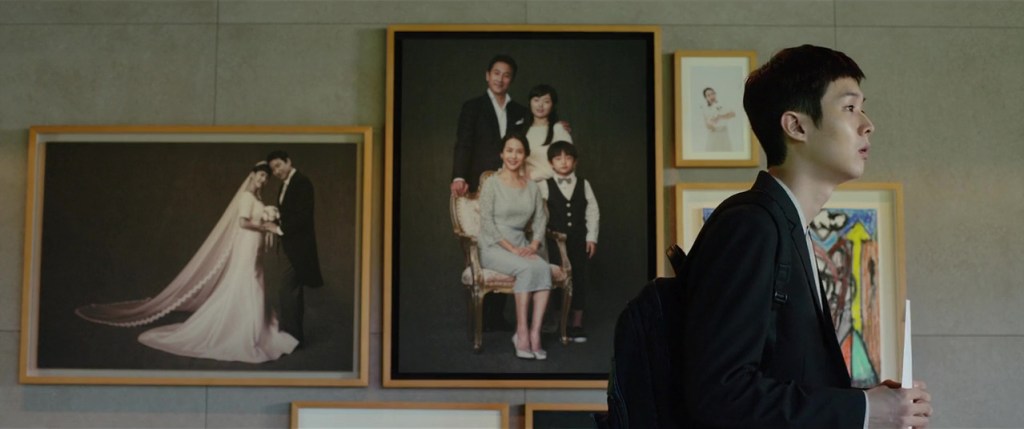
The Global Phenomenon: Parasite (2019)
Bong Joon-ho’s Parasite was the final blow to the idea that international films were "niche." By winning the Academy Award for Best Picture, it signaled a shift in the Hollywood establishment, acknowledging that a razor-sharp social satire from South Korea could resonate as the defining film of an entire generation.
Supporting Data: The Shifting Box Office Landscape
While these films began as critical darlings, their financial trajectory highlights a shifting appetite among global audiences. Historically, foreign-language films were restricted to the "art-house" circuit. However, beginning with the crossover success of Crouching Tiger, Hidden Dragon, which grossed over $213 million globally, the barrier began to crumble.
Data from the last decade suggests that streamers have further leveled the playing field. Platforms like Netflix and MUBI have allowed films like Train to Busan and Parasite to reach demographics that were previously inaccessible to international distributors. The "30-foot subtitle rule"—the long-held Hollywood belief that American audiences wouldn’t read subtitles—has been officially retired, replaced by an audience demographic that increasingly seeks out authentic, global perspectives.
Official Responses and Industry Implications
The impact of these films on the Hollywood "machine" is perhaps best measured by the professional responses of major studios. In the wake of City of God and The Raid, major American production houses shifted their hiring practices, aggressively recruiting directors from Brazil, Korea, and Indonesia to helm blockbuster projects.

Furthermore, the rise of international influence has led to a noticeable change in the "American Style." The hyper-kinetic camera movements and non-linear narrative structures seen in current Marvel and DC films owe a significant debt to the aesthetic pioneers of the 90s and 2000s. Even the way American films now handle "moral ambiguity"—once the sole province of European and Iranian cinema—has become a standard requirement for prestige television and cinema.
The Legacy of Global Cinema
The most enduring legacy of these fourteen films is the dismantling of the "Hollywood-first" mentality. Today, when a film is produced, it is no longer conceived merely for an American audience. The successful integration of these international masterpieces has taught the global industry that specificity is universal.
Whether it is the haunting stillness of A Separation or the chaotic violence of Oldboy, these films prove that the heart of cinema beats across every border. Hollywood may still command the largest budgets, but it no longer holds a monopoly on the imagination. As we look toward the future of filmmaking, the most exciting developments are likely to come from those who continue to challenge the status quo, reminding us that the best stories are the ones that force us to look beyond our own backyard.











No comments yet. Be the first to join the conversation!