

In the high-stakes theater of global technology, few brand names carry as much weight—or as much baggage—as Siri. Since its debut in 2011, Apple’s voice assistant has transitioned from a groundbreaking novelty to a target of widespread criticism for its perceived lack of intelligence, conversational fluidity, and utility compared to modern Large Language Models (LLMs). As Apple prepares for the launch of iOS 27, reports suggest the company is readying the most significant overhaul in the assistant’s history. However, in a move that signals both caution and a stark departure from Apple’s traditional polish, the company appears set to brand this revolutionary update as a "beta" product.
The Core Facts: A Transformation in the Making
According to recent insights from Bloomberg’s Mark Gurman, the internal builds of iOS 27 paint a picture of a vastly different Siri. This is not merely a cosmetic skin-lift; it is a fundamental architectural reconstruction. The "new" Siri is being designed as a sophisticated, chatbot-style interface capable of managing complex, ongoing conversations, maintaining deep contextual memory, and executing granular tasks across various applications.
Key features rumored to be included in this update:
- A Standalone Siri App: Moving away from the floating orb or bottom-screen animation, Siri may function as a dedicated interface.
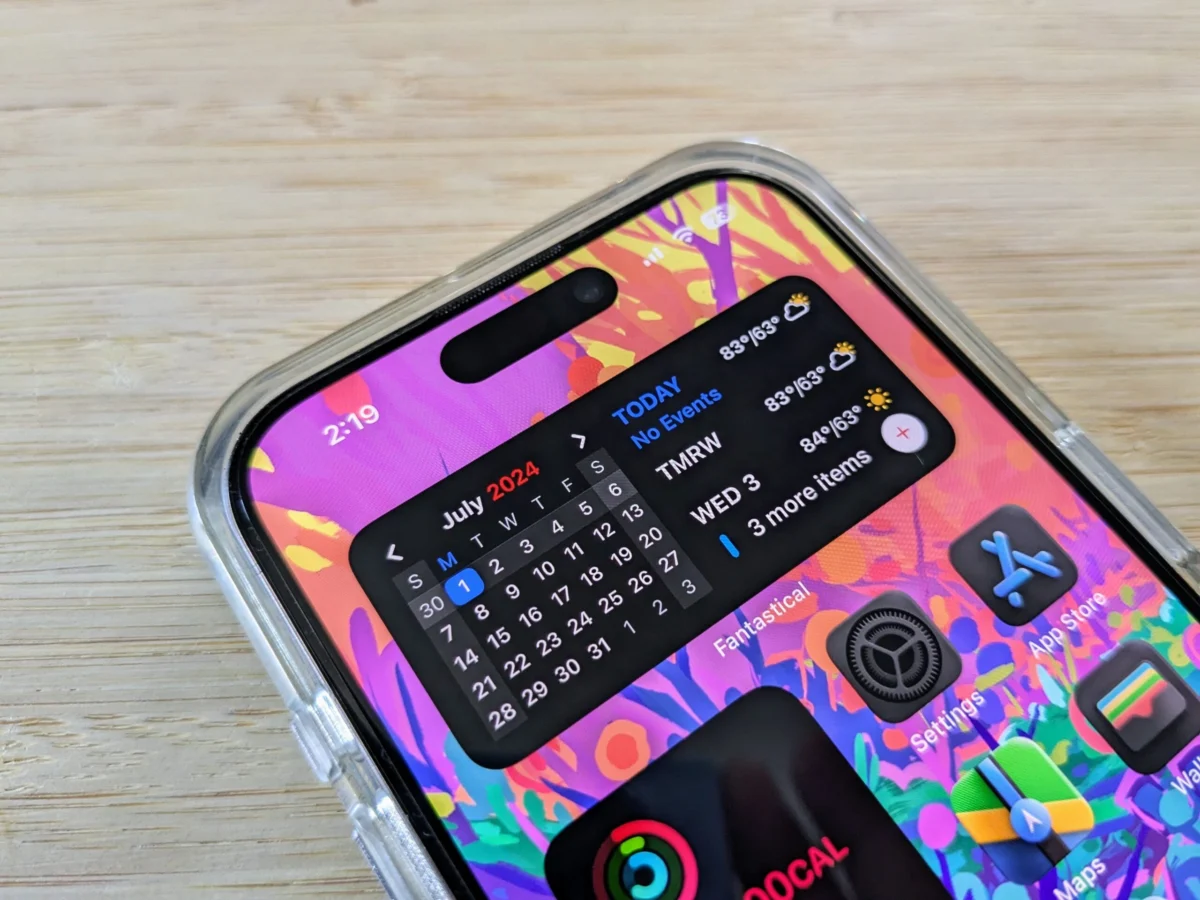
- Dynamic Island Integration: Tighter synergy with the iPhone’s interactive hardware-software hybrid UI.
- Chat-Style Interaction: A departure from command-and-response toward a fluid, messaging-like experience.
- Privacy-First AI: Optional auto-delete settings for conversation history, reinforcing Apple’s commitment to data sovereignty.
Despite these advancements, the presence of a "beta" tag—and an opt-out mechanism for users—indicates that Apple is bracing for the possibility that its AI may not yet meet the high-performance expectations set by industry rivals like Google Gemini or OpenAI’s ChatGPT.
A Chronology of Siri’s Evolution and Stagnation
To understand the weight of the "beta" label, one must look at the history of Apple’s AI ambitions.
2011: The Dawn of the Assistant
Siri arrived on the iPhone 4S as a pioneer. For the first time, consumers could speak to their devices to set timers, check the weather, or send texts. Notably, when it first shipped, Apple labeled Siri as a "beta" product. It wasn’t until 2013 that the company felt confident enough to strip the label away.
2014–2021: The Era of Incrementalism
During this period, competitors began to pivot toward machine learning and neural networks. While Apple focused on privacy and on-device processing, its competitors were building vast, cloud-based data models. Siri became a reliable tool for simple tasks, but it largely failed to grow alongside the rapid advancements in conversational AI.

2022–2024: The Generative AI Explosion
The release of ChatGPT in late 2022 fundamentally altered the consumer expectation of what a voice assistant should be. Apple, previously known for its "it just works" philosophy, suddenly found itself on the back foot. The internal timeline for the "Siri Overhaul" was reportedly pushed back repeatedly as engineers struggled to integrate generative AI capabilities into a legacy framework.
2025–2026: The Path to iOS 27
After nearly two years of internal delays, the 2026 roadmap points toward a total systemic reset. By returning to the "beta" nomenclature, Apple is effectively acknowledging that it is resetting the clock on Siri’s development cycle.
Supporting Data: The Competitive Gap
The urgency behind this update is driven by a widening gap in capability. Market research data consistently shows that while Siri remains a high-frequency tool for simple smartphone controls, users are increasingly turning to third-party apps like ChatGPT for complex problem-solving.
Reliability and Hallucination Metrics
In internal testing environments, Apple’s traditional Siri model remains highly reliable for system commands (e.g., "turn on the lights"). However, generative AI models—which the new Siri aims to replicate—are prone to "hallucinations" (confident, yet false, information). By labeling the new system a beta, Apple creates a psychological and legal buffer. It frames errors not as a failure of the product, but as part of an iterative, experimental learning phase.
Consumer Sentiment
Consumer surveys indicate a "trust paradox." Users trust Apple more than any other tech giant with their private data, but they trust Apple less than its rivals regarding AI intelligence. This beta rollout is a strategic attempt to bridge that gap: offering the intelligence of a modern LLM while retaining the privacy-centric brand identity that Apple has spent decades cultivating.
The Strategy Behind the ‘Beta’ Tag
The decision to explicitly brand the feature as a "beta" is a masterstroke of expectation management.
- Lowering the Bar: By managing expectations, Apple discourages the inevitable media cycle that follows a buggy release. It invites users to participate in the development, turning potential critics into test-users.
- Agile Iteration: In the past, Apple’s release cycle was rigid—annual updates that were expected to be perfect. A "beta" designation allows the company to push server-side updates and software patches to Siri without waiting for the next major OS release.
- The Privacy Trade-off: AI requires data to learn. By calling it a beta, Apple may be positioning itself to collect more telemetry data under the guise of "improving the experience," provided they remain transparent with the user base.
Implications: A New Era for Apple Intelligence
The implications of this move are twofold: they reflect both the maturity of the AI market and the vulnerability of Apple’s current ecosystem.

For the Consumer
Users will likely see a more capable assistant, but they may encounter inconsistent results. The ability to "opt-out" of the beta is a critical addition. It signals that Apple understands the potential for "AI fatigue" and respects that not every user wants their device to be a conversational chatbot.
For the Industry
If Apple’s "cautious" approach works, it could set a new industry standard for how AI is integrated into consumer hardware. Rather than a "move fast and break things" mentality, Apple is choosing to "move methodically and build trust." If it fails, however, the beta label will be viewed as a sign of desperation—an admission that, despite its massive resources, Apple was unable to keep pace with the Silicon Valley AI boom.
Looking Toward WWDC 2026
All eyes are now turned toward the Worldwide Developers Conference (WWDC) scheduled for next month. It is here that Apple is expected to pull back the curtain on its comprehensive AI roadmap. The event will be a defining moment for CEO Tim Cook and his leadership team.
Will the new Siri be a "magic" moment reminiscent of the original iPhone reveal, or will it be a subdued, functional update that acknowledges Apple is still in the "middle" of the race? The inclusion of a beta label suggests the latter. It is an honest, if slightly disappointing, acknowledgment that the future of AI is not a destination, but a long, complex, and ongoing process of refinement.
As we move toward the release of iOS 27, one thing is clear: the era of the static voice assistant is over. The era of the generative, experimental, and perpetually-evolving AI agent has begun—and for the foreseeable future, Apple will be asking its users to treat that evolution as a work in progress.










No comments yet. Be the first to join the conversation!