Rifan Muazin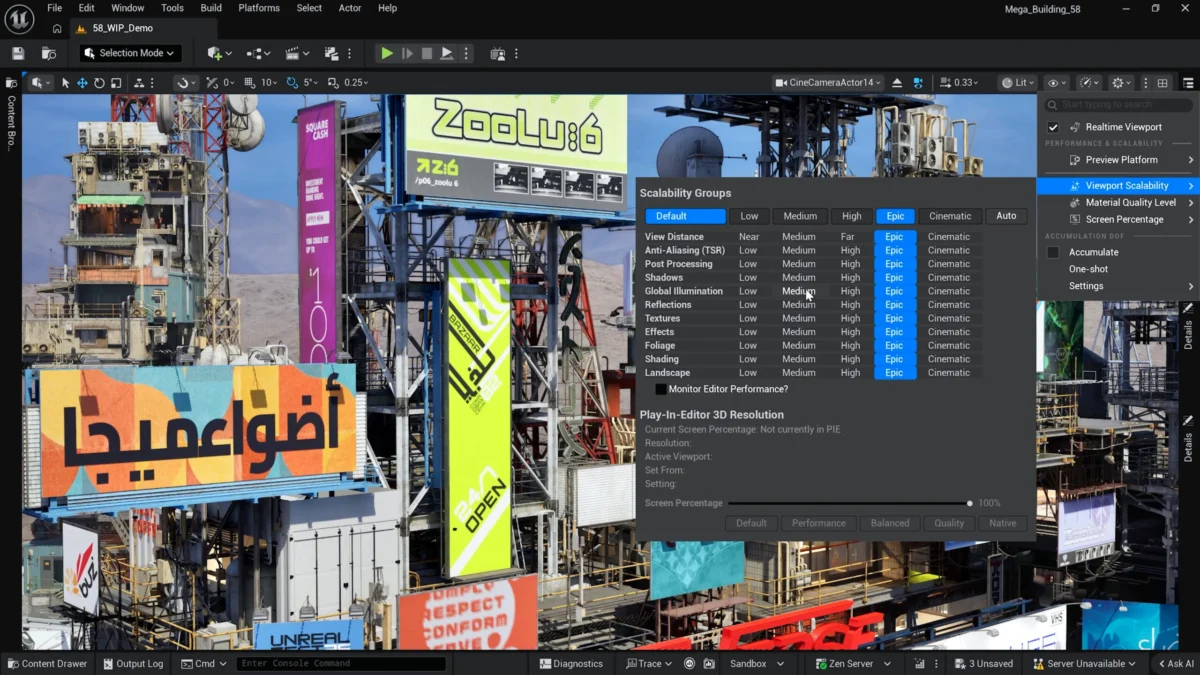
Unreal Engine has long stood as the gold standard for high-fidelity interactive media. Whether it is powering the latest AAA blockbusters, cinematic virtual production sets, or the experimental projects of solo developers, Epic Games’ flagship engine remains the industry’s most comprehensive creative ecosystem. With the official launch of Unreal Engine 5.8, Epic has once again pushed the boundaries of what is possible in real-time rendering, while simultaneously signaling a significant shift toward AI-assisted workflows.
Available now via the Epic Games Launcher, version 5.8 is far more than a routine maintenance update. It represents a pivot toward proceduralism, performance optimization, and the integration of large language models (LLMs) into the development pipeline.
The Core Technical Pillars of UE 5.8
At the heart of the 5.8 update are two experimental but revolutionary features: Mesh Terrain and the Procedural Vegetation Editor (PVE). For years, the creation of vast, convincing open-world environments was a labor-intensive process, requiring teams of artists to hand-place foliage and sculpt terrain heightmaps.
Mesh Terrain: Redefining Landscapes
Mesh Terrain marks a departure from traditional landscape actors. By generating full 3D meshes for terrain, developers can achieve greater geometric complexity and better integration with Unreal’s existing Nanite virtualized geometry system. This allows for seamless transitions between distant vistas and intricate ground-level detail, effectively removing the "seams" that often plague traditional landscape systems.

Procedural Vegetation Editor (PVE)
Complementing the new terrain tools is the PVE, which functions as a context-aware ecosystem generator. Instead of static asset placement, PVE interprets the environment’s existing geometry. If a developer places a weathered stone archway in a forest, the PVE algorithm evaluates light availability, soil moisture proxies, and competitive growth to "naturally" populate the surrounding area with trees, shrubs, and undergrowth. It is a tool designed to reduce the "blandness" of procedural forests, ensuring that every corner of a game world feels intentionally curated.
Performance Optimization: The Rise of Lumen Lite
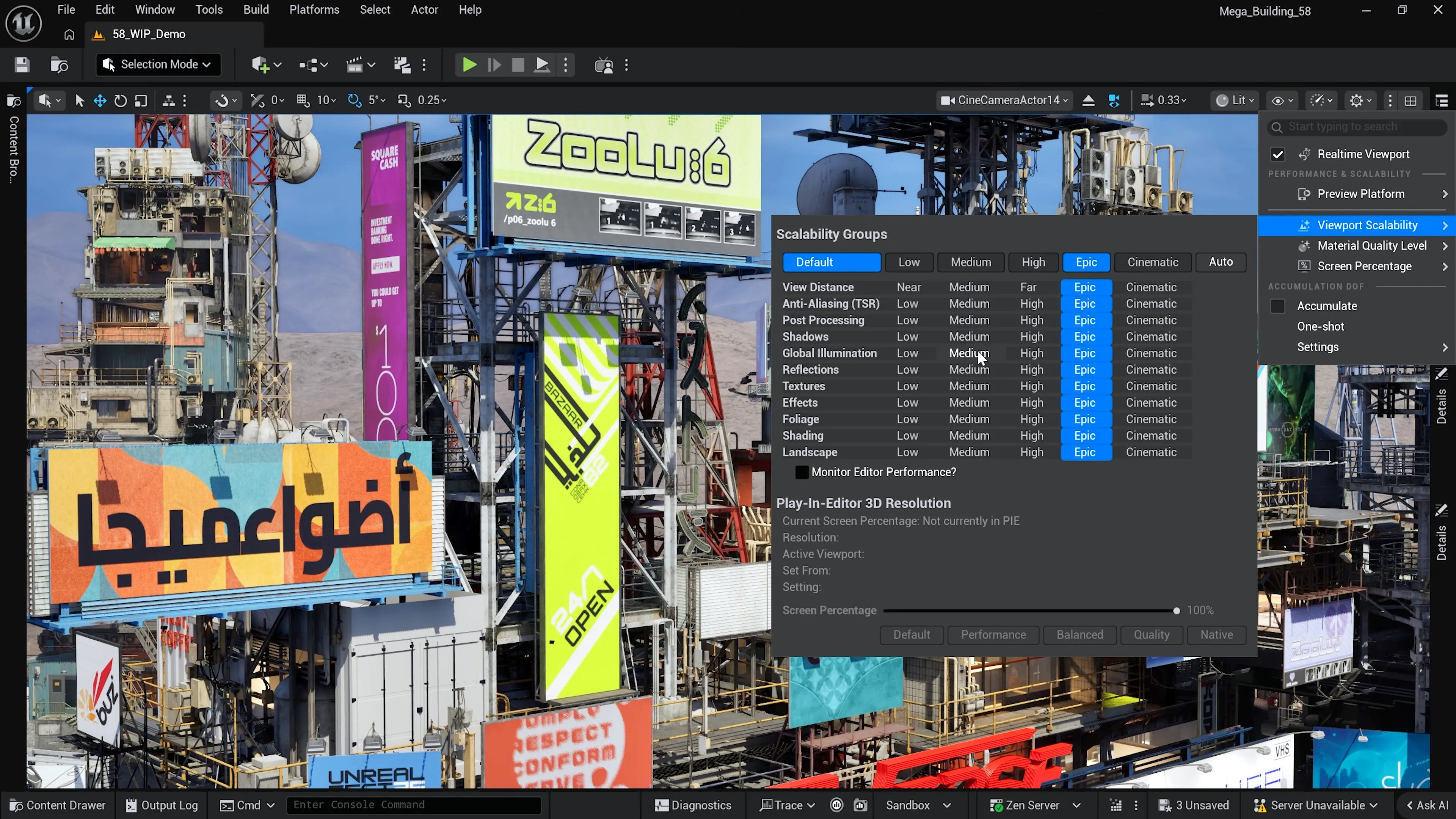
Perhaps the most commercially significant addition in 5.8 is Lumen Lite. Since the introduction of Lumen in UE5, global illumination has been the engine’s most impressive—and resource-heavy—feature. Lumen Lite aims to bridge the gap between visual fidelity and hardware constraints.
Epic claims that Lumen Lite provides a massive performance uplift, functioning at roughly twice the speed of the standard Lumen High Quality mode while maintaining a remarkably similar visual footprint. Industry analysts have pointed to the release notes, which explicitly mention that "games that rely on global illumination… can run on Nintendo Switch 2 at 60 fps." This inclusion strongly suggests that Epic is positioning UE 5.8 as the premier engine for the next generation of portable, high-performance hardware, while also providing a viable scalability path for low-end PC users.
Chronology of Development: From MegaLights to 5.8
To understand the weight of the 5.8 update, one must look at the recent trajectory of Epic’s development cycle:

- UE 5.5 (Late 2024): Introduced the experimental MegaLights feature. This allowed for a massive increase in the number of dynamic lights a scene could process without a significant performance penalty. By 5.8, this feature has matured into a "production-ready" tool, signaling its readiness for high-budget studio implementation.
- UE 5.6 & 5.7: Focused heavily on stability, shader compilation improvements, and refining the Nanite and Lumen pipelines. These versions acted as the foundation for the current shift toward procedural tools.
- UE 5.8 (2026): The culmination of these efforts, marking the integration of experimental AI-driven plugins and the formalization of advanced procedural environment systems.
The AI Controversy: The MCP Plugin
While the procedural tools and performance gains have been met with enthusiasm, the inclusion of an Model Context Protocol (MCP) plugin has ignited a firestorm of debate within the development community.
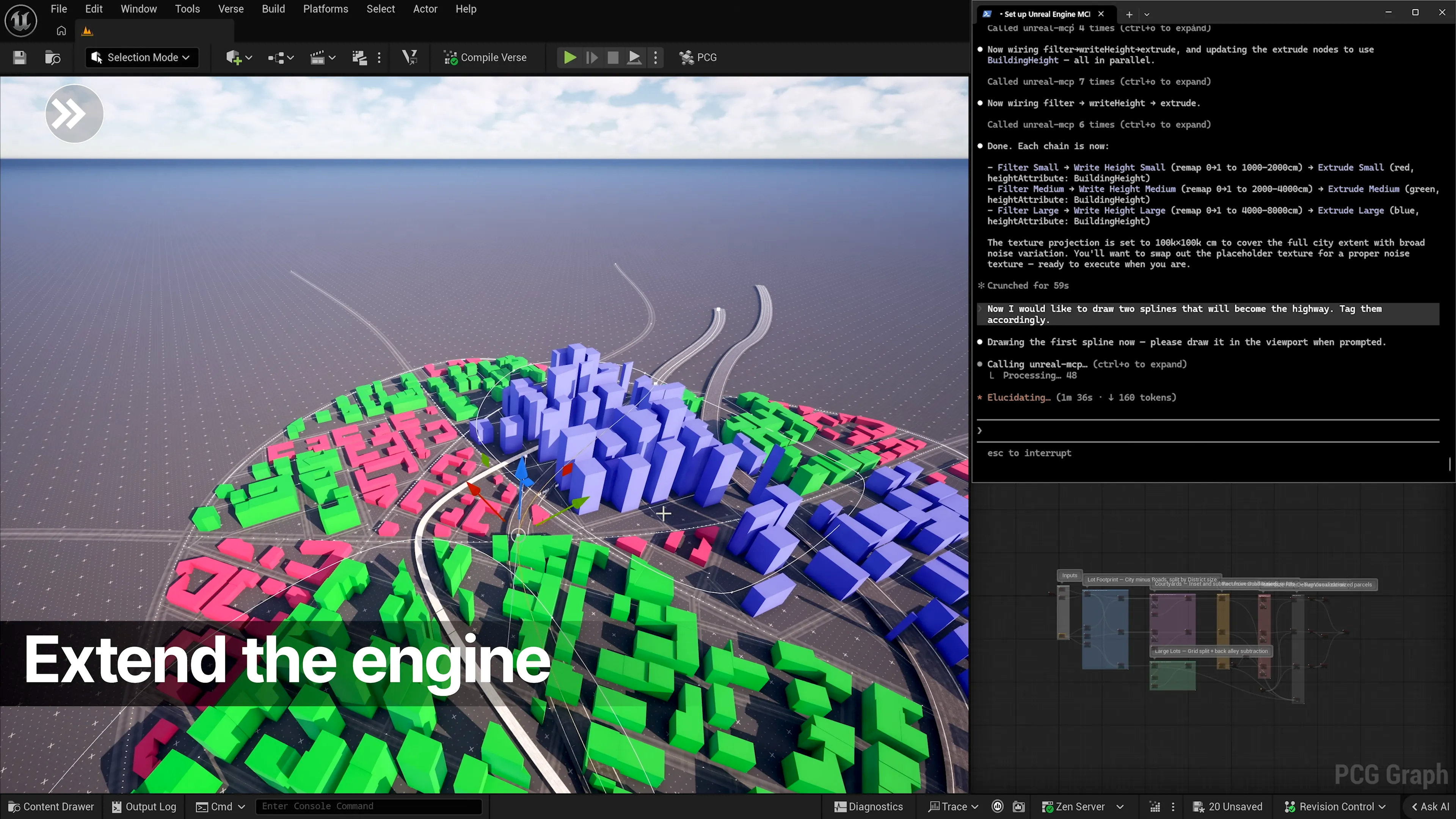
The MCP allows developers to connect the Unreal Editor to any Large Language Model of their choosing. The intention is to provide a "copilot" experience—a system that can understand the engine’s architecture, refactor code, run unit tests, and even assist in the generation of placeholder assets.
Industry Implications and Ethical Concerns
The timing of this feature is delicate. The gaming industry is currently navigating a period of unprecedented volatility, with mass layoffs across major studios and a widespread public skepticism toward AI-generated content. Critics argue that even the potential for AI to replace human labor in creative roles is a threat to the industry’s soul.
However, proponents—and indeed, many studio heads—view this as an existential necessity. With the cost of AAA development ballooning, studios are under immense pressure to find efficiency. If AI tools can reduce the time spent on tedious refactoring or routine asset implementation, some argue it is the only way to keep mid-sized studios afloat.
Data and Hardware Considerations
The debate regarding UE5’s performance is not new. Epic’s CEO, Tim Sweeney, has previously defended the engine’s architecture, noting that the primary bottleneck in modern gaming is often the complexity of the development process itself rather than the engine’s efficiency.
With UE 5.8, the focus on Lumen Lite and improved shader compilation is a direct response to the community’s demand for better optimization. Historically, the transition to UE5 caused a significant jump in minimum hardware requirements. With 5.8, there is a clear strategic intent to lower that barrier to entry. If the engine can deliver "next-gen" lighting on portable hardware, it suggests that the "heavy" reputation of Unreal Engine 5 may finally be softening.
Looking Ahead: The Future of Unreal
The inclusion of the MCP plugin is a "here-and-now" reality that developers will have to reconcile with. Whether or not studios adopt it will likely depend on the legal and ethical landscape of AI-generated assets over the next 18 months.
Unreal Engine 5.8 is a testament to Epic’s philosophy: provide the most advanced tools possible, even if the hardware—or the culture—is not quite ready for them. The engine continues to lead because it anticipates the needs of developers three to five years down the line.
For the hobbyist, 5.8 offers a playground of procedural possibilities. For the professional, it offers a necessary path toward sustainable development in an increasingly expensive market. As the industry continues to grapple with the role of automation and the high cost of high-fidelity rendering, Unreal Engine 5.8 stands as a pivotal milestone—one that simultaneously solves long-standing performance headaches while opening a new, contentious chapter in the story of creative technology.
Summary of Key Features in UE 5.8:
- Mesh Terrain: A new method for creating large-scale, high-fidelity landscape geometry.
- Procedural Vegetation Editor (PVE): Context-aware placement of environment assets.
- Lumen Lite: A performance-optimized global illumination mode, optimized for portable and lower-end hardware.
- MegaLights: Moved from experimental to production-ready status.
- MCP Plugin: A new bridge allowing developers to integrate LLMs directly into the editor for coding and management tasks.
- Shader Compilation: Ongoing improvements to reduce load times and stuttering.


 Asro
Asro
 Muslim