


The PlayStation 3 generation remains a polarizing chapter in the history of the Japanese Role-Playing Game (JRPG). While the era birthed legendary titles that pushed the boundaries of narrative and mechanical complexity, it was also a period of profound transition. As developers scrambled to master high-definition hardware, many lost sight of the "soul" that defined the genre’s golden age on the PS1 and PS2. What followed was a wave of titles characterized by static, uninspired 3D environments, derivative tropes, and a desperate, often unsuccessful, attempt to mimic Western cinematic trends.
For every Persona 5 or Ni no Kuni, there were dozens of titles that felt like hollow shells—over-engineered yet undercooked. Today, we examine eight specific PS3-era JRPGs that, despite their aspirations, serve as cautionary tales of a genre caught in a mid-life identity crisis.
8. White Knight Chronicles: A Generative Mirage
Released in 2008, White Knight Chronicles arrived with the promise of a massive, shared-world experience. In reality, it felt less like a handcrafted epic and more like a template generated by an algorithm.

Chronology and Context: Developed by Level-5 and Japan Studio, the game attempted to bridge the gap between traditional turn-based combat and real-time action. However, the result was a disjointed mess of tropes: the kingdom in peril, the transformative knight, and the generic party members.
Implications: The game’s primary failure was its inability to forge an identity. While its combat system, which allowed players to pause and customize "combo circuits," was technically ambitious, it was buried under endless, repetitive grinding. The environments were sparse and lifeless, turning a 25-hour campaign into a monotonous slog that lacked the vibrant charm of Level-5’s previous works like Dark Cloud.
7. Time and Eternity: The Art Style Trap
Time and Eternity (2012) stands as one of the most frustrating "what-if" scenarios in the genre. Its core aesthetic—gorgeous, hand-drawn 2D sprites moving through 3D environments—was revolutionary for the time and exactly what many fans had been clamoring for.

Supporting Data: Despite the visual feast, the game collapsed under the weight of its own writing. It utilized some of the most tired anime clichés of the decade, leaning heavily into uncomfortable "pervy" jokes and a protagonist who lacked depth.
Implications: The combat system, which was meant to be the core pillar of the experience, never evolved. Players were subjected to the same mechanics from the first hour to the last. It serves as a reminder that even the most beautiful art style cannot mask a hollow, amateurish core.
6. Cross Edge: All Flash, No Substance
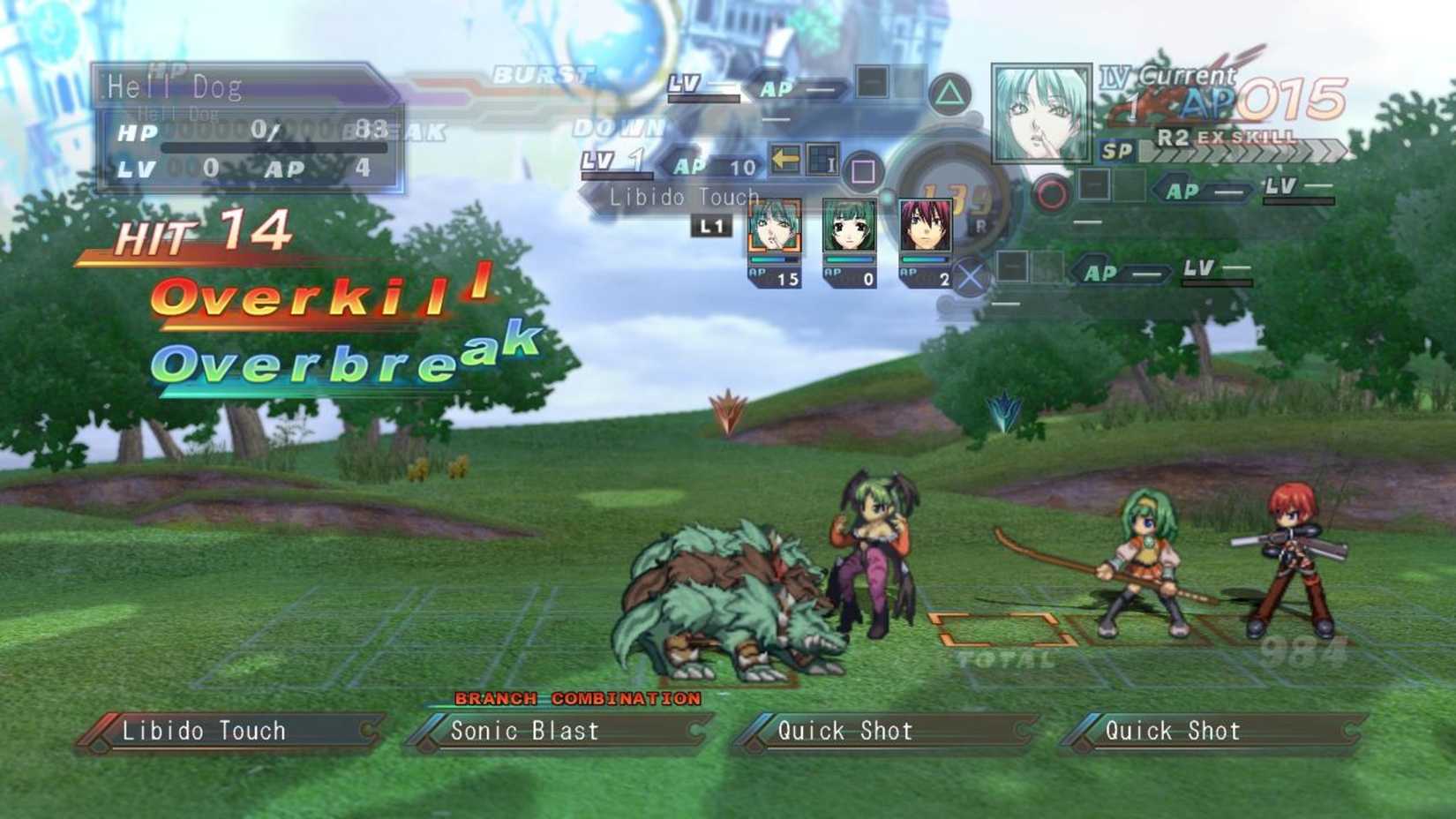
Cross Edge (2008) is the quintessential example of "fan service" over substance. It brought together characters from various franchises under a single banner, which should have been a dream come true for JRPG enthusiasts.
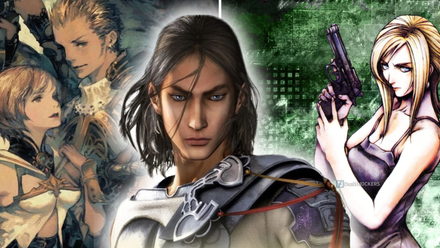
Chronology: Published by Bandai Namco, the game attempted to capitalize on the crossover craze. However, the execution was abysmal. The characters, stripped of their original narrative contexts, were reduced to one-dimensional caricatures.
Implications: The game is frequently cited for its uncomfortable treatment of younger-looking characters, veering into territory that alienated even the most devoted fans. Beyond the controversy, the grind required to progress was borderline masochistic, proving that even a complex, flashy combat system cannot compensate for a lack of narrative heart.
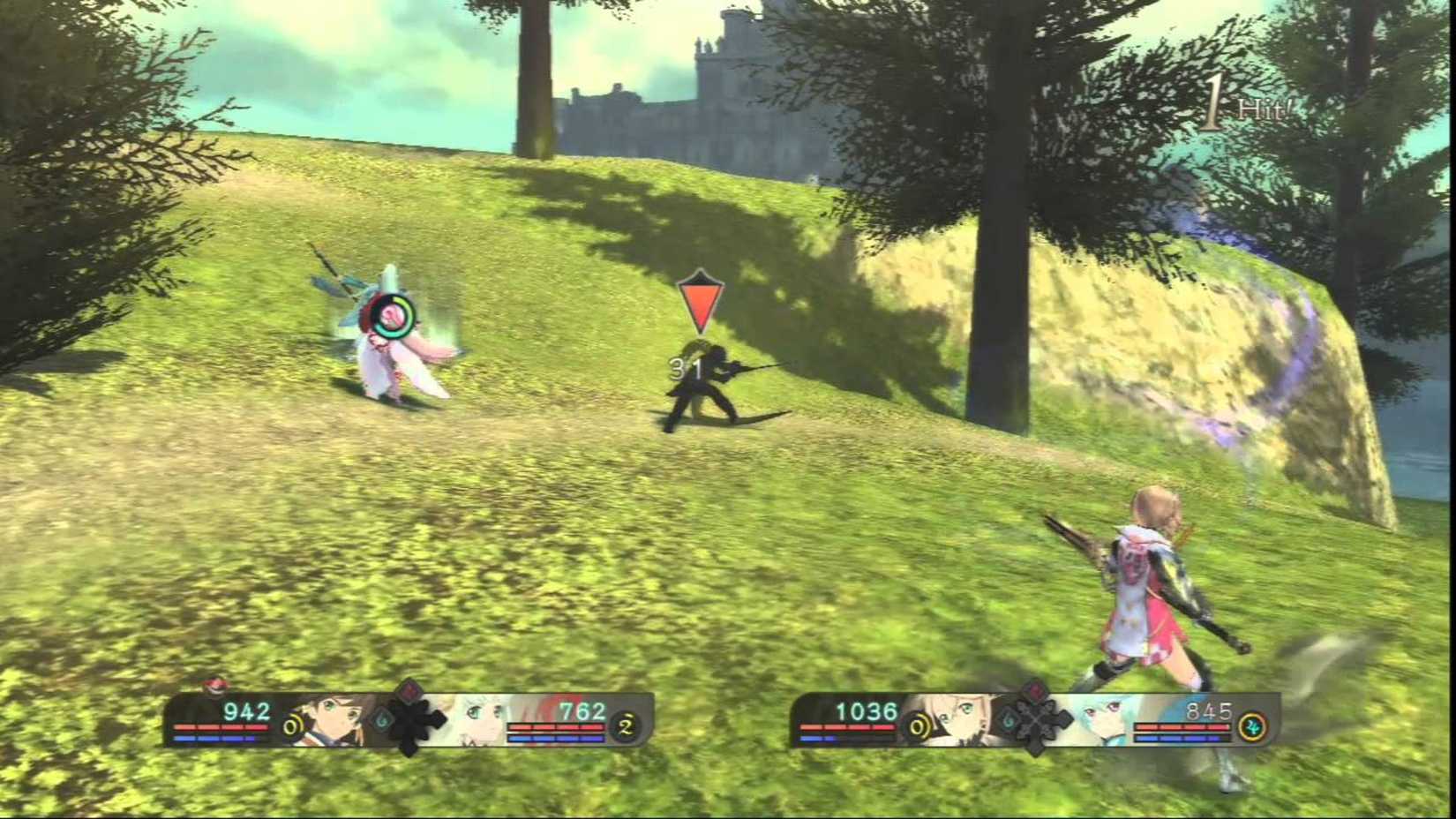
5. Tales of Zestiria: A Tale to Forget
The Tales series has long been a staple of the JRPG world, but Tales of Zestiria (2015) is widely regarded as the "black sheep" of the modern era.
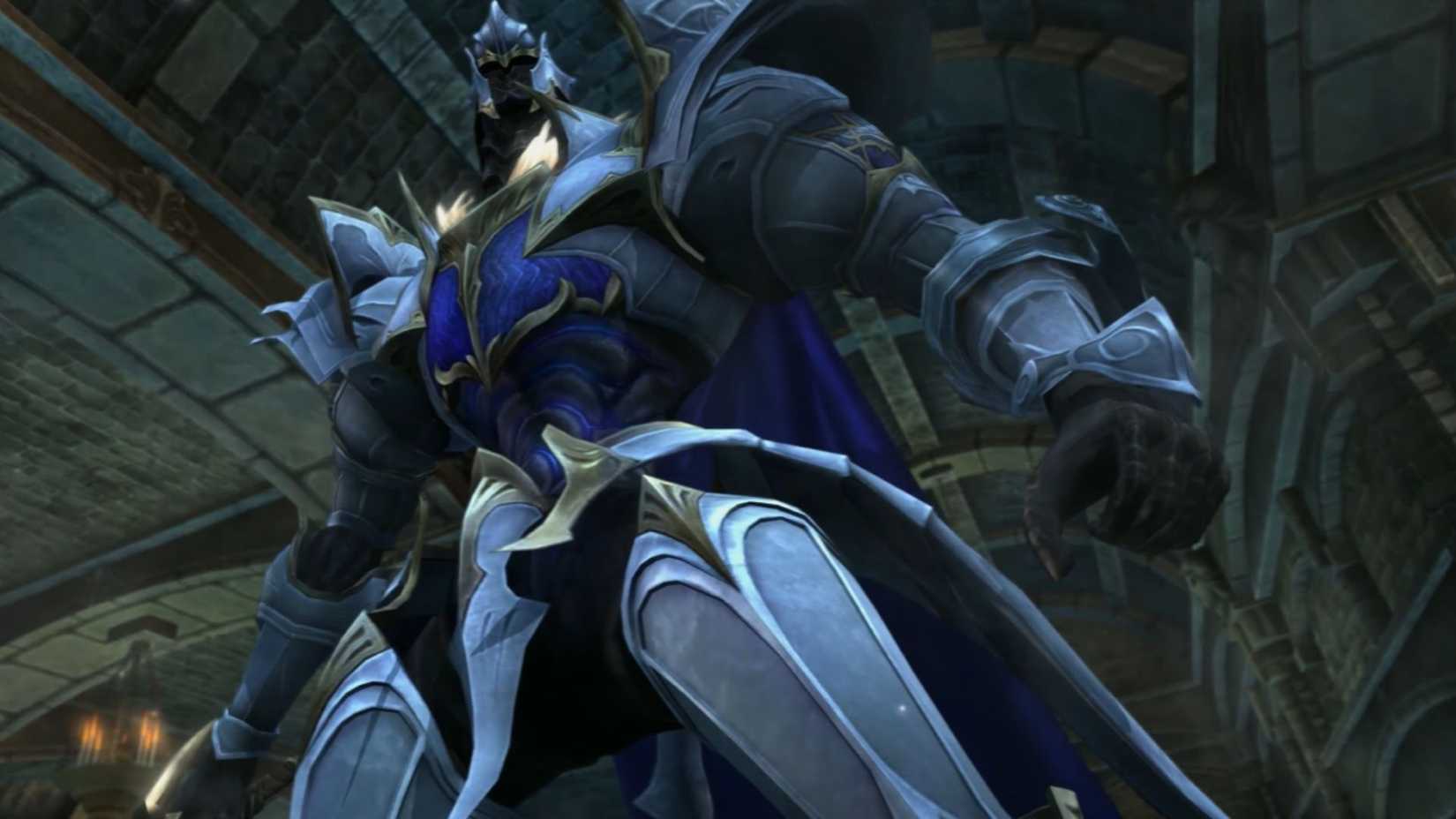
Official Responses and Reception: While the game sold adequately, it was panned for its camera issues and incredibly bland world design. The dungeons were literal copies-and-pastes of generic hallways, showing a lack of effort that was shocking for a title of this pedigree.
Implications: The combat system, while functional, was hampered by a camera that struggled to stay focused in cramped, indoor environments. Even the multiplayer aspect was rendered unplayable due to the camera’s inability to track multiple participants effectively. It remains a lesson in how a lack of polish can dismantle a franchise’s goodwill.
4. Natural Doctrine: The Masochist’s Choice
Natural Doctrine (2014) is a brutal tactical RPG that dared to be different. It eschewed the typical "anime" aesthetic for a gritty, dark fantasy look.
Chronology: Developed as a tactical challenge, the game was notoriously difficult, not because of deep strategy, but because of its opaque mechanics.
Implications: Players often found themselves needing a YouTube tutorial just to understand how to open a door or trigger an attack. The initiative order system was punishing to the point of absurdity. While some hardcore strategy fans might find a kernel of "so-bad-it’s-good" merit here, for the average player, it is an exercise in frustration that offers very little reward for the effort required.
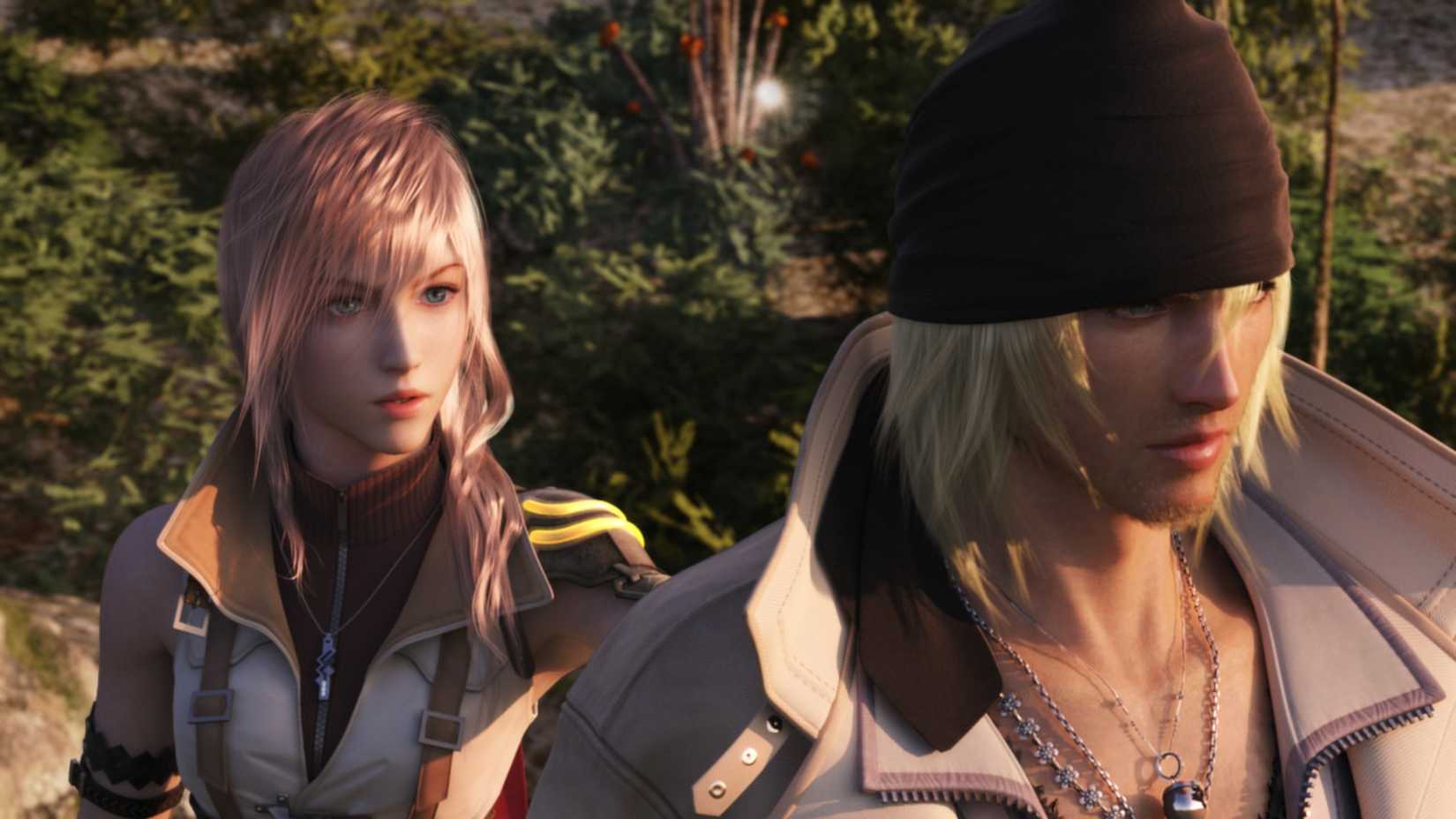
3. Final Fantasy XIII: Missing the Magic
Perhaps the most controversial entry on this list, Final Fantasy XIII (2010) represents a fundamental shift in Square Enix’s philosophy during the HD era.
Chronology and Context: After the success of the PS2-era titles, FFXIII was intended to be the next evolution. Instead, it was an incredibly linear experience, often described as a "hallway simulator" for the first 20 hours.
Supporting Data: The game’s protagonist, Lightning, was criticized for being emotionally distant and dull, while the supporting cast—specifically Hope and Vanille—were frequently cited for poor voice acting and grating personalities.
Implications: The combat system, while eventually becoming engaging, took far too long to open up. The "Paradigm Shift" system was a cool idea, but because players were restricted to one active character for most of the game, it lacked the strategic depth of its predecessors. It stands as a cautionary tale of a series trying to prioritize cinematic visuals over the fundamental joy of discovery.
2. Record of Agarest War: A Record for Repetition
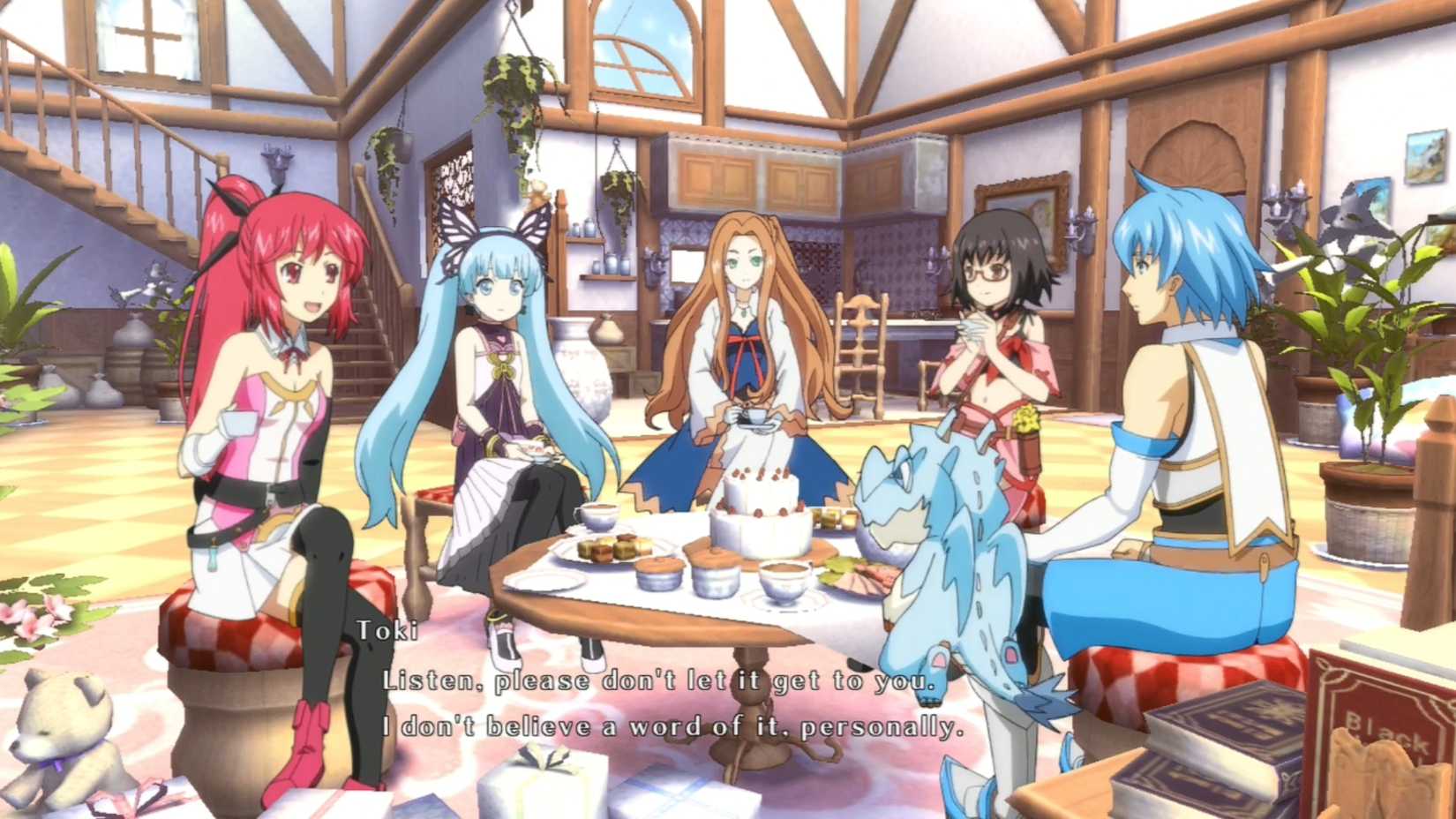
Record of Agarest War (2007) had an incredible premise: a multi-generational dating sim/JRPG hybrid where your choices in partners affected the stats and abilities of your descendants.
Chronology: It was a unique, ambitious concept that sounded great on paper. In practice, however, it suffered from immense bloat.
Implications: The dialogue was painfully generic, rendering the "dating" aspects of the game meaningless. The combat, though featuring flashy animations, took place in the same uninspired arenas for dozens of hours. By the time players reached the later generations, the sense of fatigue was total. It’s a game that had all the pieces for a masterpiece but failed to assemble them into a cohesive experience.
1. Last Rebellion: The Zenith of Laziness
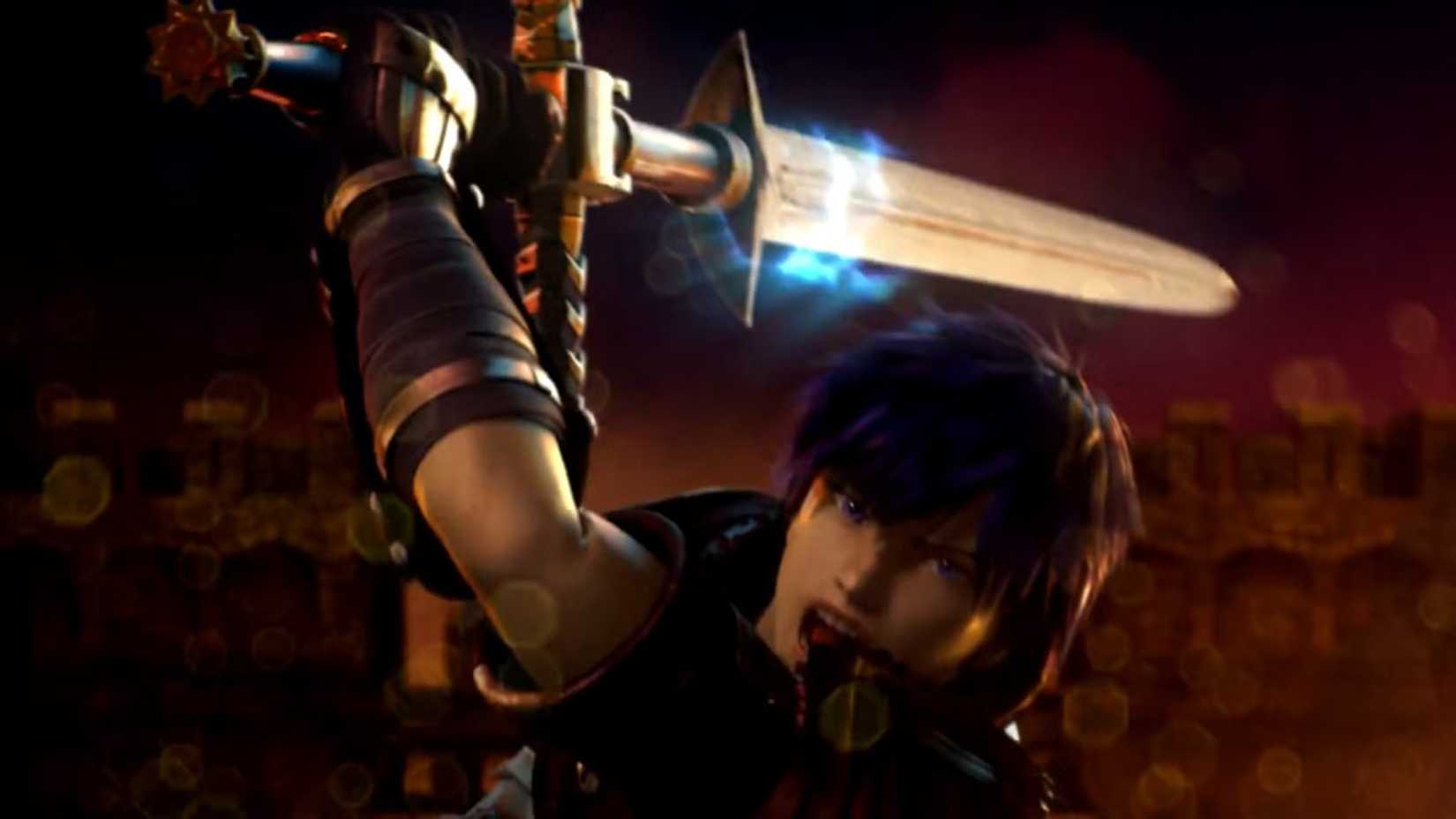
If there is one game that encapsulates the worst tendencies of the PS3 JRPG era, it is Last Rebellion (2010).
Main Facts: The game features a story about two souls sharing one body—a concept with genuine potential—that is never explored in any meaningful way.
Supporting Data: The environmental design is the definition of "copy-paste." The lip-syncing is abysmal, the voice acting is borderline amateur, and the combat is an endurance test. Enemies are "damage sponges" that turn every encounter into a tedious chore.
Implications: Last Rebellion represents a lack of care that was unacceptable for a full-priced release in 2010. It is the pinnacle of the "low effort" JRPG, proving that a high-concept premise is useless if the developers don’t have the passion or the resources to realize it.
The Legacy of the PS3 Era
The transition to HD was a brutal learning curve for Japanese developers. Many of the games listed above suffered from the "lost soul" syndrome—the idea that if you added enough particle effects, high-resolution textures, and complex menu systems, the core gameplay would take care of itself.
The primary takeaway from this era is that the JRPG genre thrives on charm, innovation, and heart—not just technical fidelity. While the PS3 era eventually gave us some of the greatest games of all time, it remains a graveyard for projects that prioritized trends over tradition. For the modern gamer, these titles serve as a reminder to look past the box art and the high-definition screenshots; sometimes, the most ambitious ideas are the ones that fall the hardest.












No comments yet. Be the first to join the conversation!