Pevita Pearce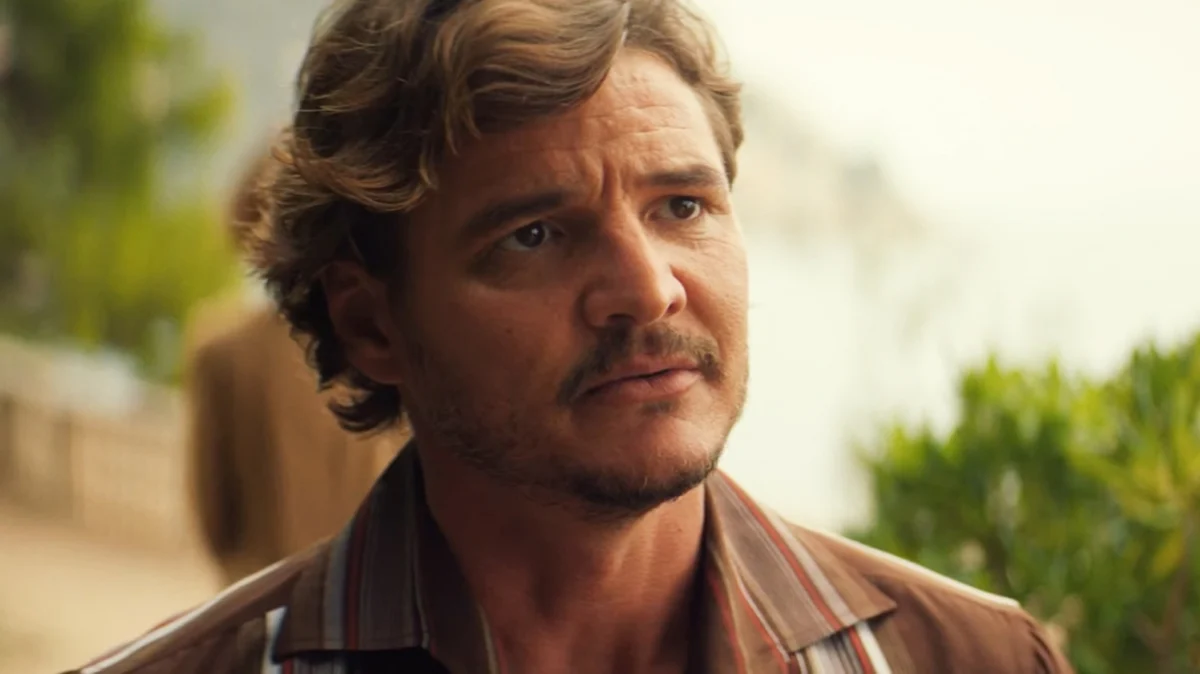
In the current era of "Peak TV," where the Western genre has found a massive, renewed audience through the gritty, sprawling epics of Taylor Sheridan and the high-concept genre-bending of shows like Westworld, it is easy to forget the projects that paved the way but never made it to the finish line. Among the most intriguing "what-ifs" in modern television history is The Sixth Gun, a supernatural Western adaptation that promised to marry the dark mythology of graphic novels with the high-stakes drama of network television.
Before Pedro Pascal became the undisputed face of pop culture, headlining global phenomena like The Mandalorian and The Last of Us, he was a working actor chasing the next big break. The Sixth Gun was intended to be that break—a gritty, mystical pilot that boasted the creative fingerprints of Ryan Condal, who would later go on to helm HBO’s House of the Dragon. Despite a compelling premise, a star-studded cast, and a pedigree that should have signaled a hit, the project was ultimately discarded by NBC, leaving behind only a curious, orphaned pilot episode as a testament to what might have been.
The Genesis: A Comic Book Vision
The source material for the project, Cullen Bunn and Brian Hurtt’s The Sixth Gun, first published by Oni Press in 2010, was a critical darling. The comic book series set a dark, atmospheric tone, blending the classic imagery of the 1880s American frontier with high-fantasy occultism.
The story centers on six pistols, each forged with dark, eldritch powers. The central conflict involves a young woman named Becky Montcrief and a roguish gunslinger named Drake Sinclair, who find themselves tasked with safeguarding these artifacts from those who would use them to tear the fabric of reality. The guns are not merely weapons; they are conduits for chaos, and in the hands of the wrong people—namely the resurrected General Oliander Hume and his loyalists—they represent an existential threat to the world.
When Syfy initially announced the development of an adaptation in 2011 at San Diego Comic-Con, fans of the medium were electrified. The prospect of bringing the grotesque, gothic imagery of Bunn’s writing to the screen offered a unique alternative to the standard procedural fare dominating cable networks at the time. Yet, as is often the case in Hollywood, the project stalled, eventually shifting hands to NBC.
Chronology of a Failed Launch
The trajectory of The Sixth Gun is a case study in the volatile nature of network pilot development.
- 2010: The original comic book series by Cullen Bunn and Brian Hurtt debuts to critical acclaim.
- 2011: Syfy announces it is developing a television adaptation, generating significant buzz among comic book fans.
- 2013: NBC officially orders a pilot episode, bringing on writer Ryan Condal to steer the ship. The casting process begins, securing talents such as Laura Ramsey, Michael Huisman, and a then-rising Pedro Pascal.
- Early 2013: Production moves to the rugged landscapes of Santa Fe, New Mexico, providing the authentic backdrop required for a high-stakes Western.
- May 2013: NBC officially declines to pick up the series, leaving the pilot as an un-aired, standalone experiment.
- 2014: Pedro Pascal breaks into the mainstream with his breakout role as Oberyn Martell in Game of Thrones, effectively overshadowing his previous efforts in the Sixth Gun pilot.
The Players: A Snapshot of Pre-Stardom
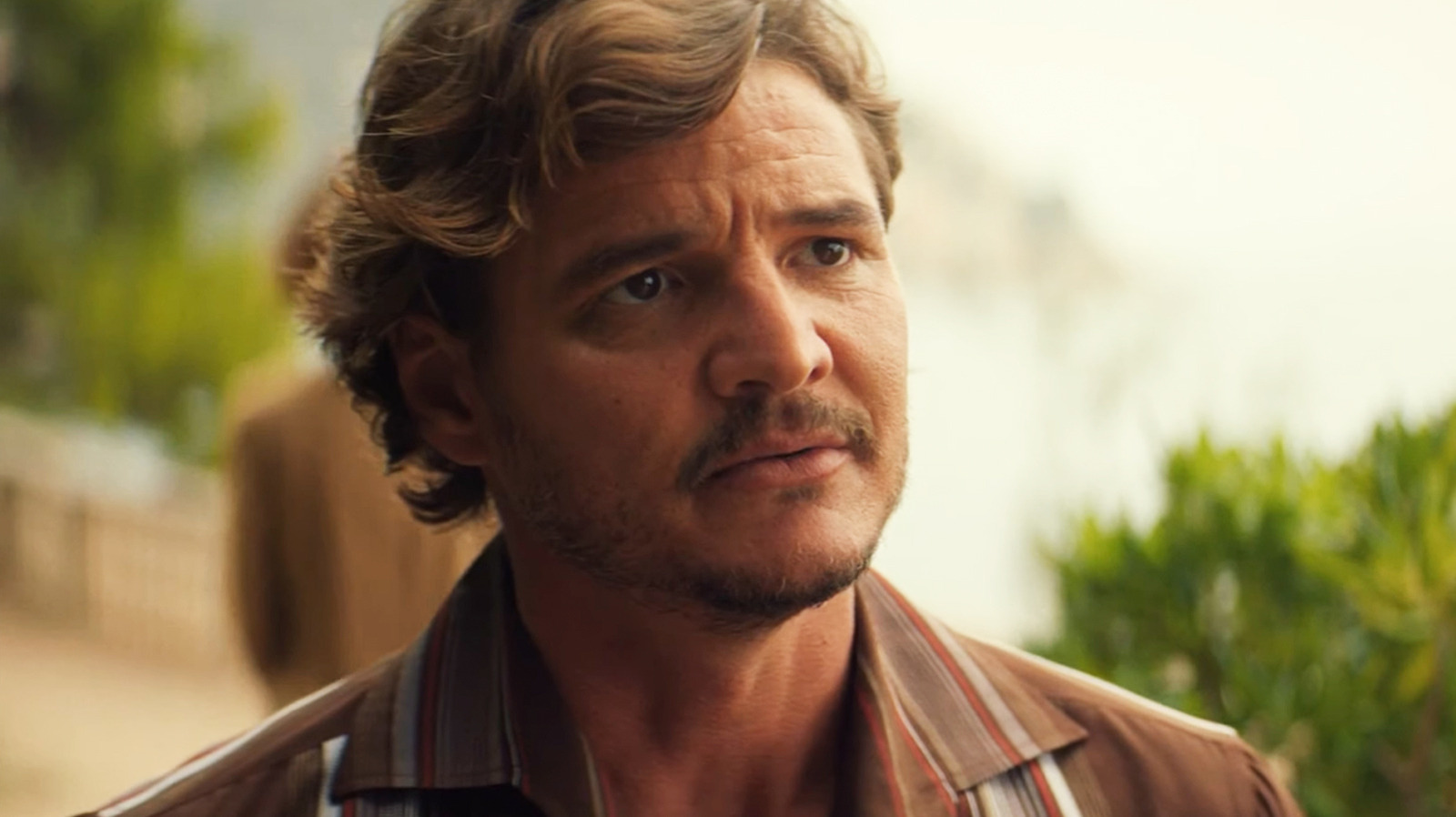
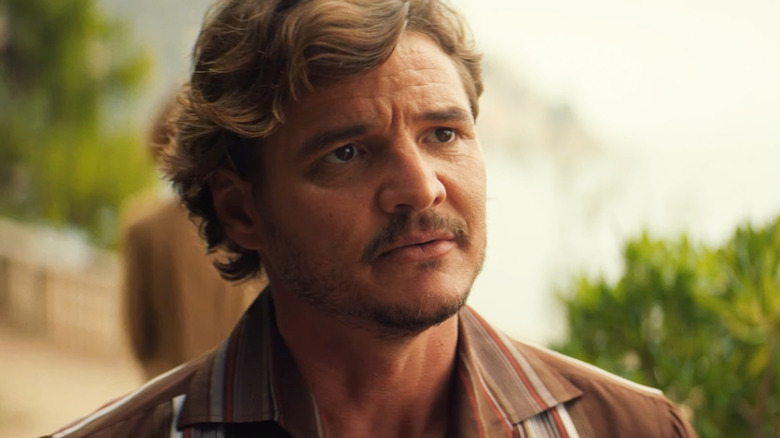
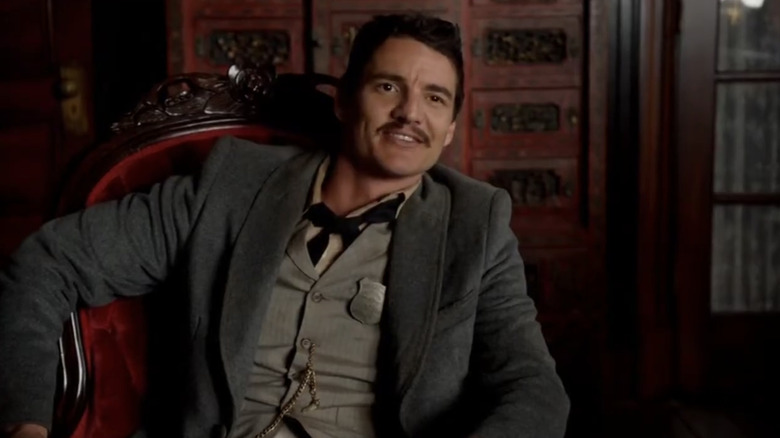
Looking back at the cast list for The Sixth Gun feels like looking at a "who’s who" of actors who would eventually define the 2020s. Pedro Pascal, cast as the crooked Pinkerton detective Agent Ortega, was already a veteran of the screen, having navigated roles in The Good Wife, Homeland, and CSI. However, The Sixth Gun represented a distinct pivot toward the leading-man status he would later achieve.
Alongside him was Aldis Hodge, portraying Agent Mercer. Together, they formed a duo of unscrupulous lawmen acting as the antagonists for the series’ initial arc. The pilot depicts them as men driven by greed and the promise of power offered by the mysterious Missy Hume (played by Elena Satine).
The pilot’s narrative structure was ambitious. It began with a sequence of dark, occult mystery, showing the resurrection of General Hume (W. Earl Brown) through the power of the fourth gun. It then pivoted to the domestic struggle of the Montcrief family, providing a human anchor to the supernatural carnage that followed. The chemistry between the cast members, particularly the adversarial tension between the Pinkerton agents and the protagonists, suggested a show that was ready to explore complex moral greys—a hallmark of the "prestige TV" era that was just beginning to hit its stride.
Supporting Data: Why Did It Fail?
When news broke on May 8, 2013, that NBC would not be moving forward with the series, industry analysts pointed to the inherent difficulty of selling a "supernatural Western" to a mass-market network audience. At the time, NBC was in a period of intense transition, desperately seeking the next The Walking Dead—a show that could capture the cultural zeitgeist while maintaining high production values.
While the pilot was visually impressive, it required a significant budget for special effects and period-accurate costuming. The network was reportedly hesitant to commit to a multi-season order for a genre project that required such a heavy financial investment. Furthermore, the tone—a jarring mix of horror and period drama—may have been perceived as too niche for a broadcast network looking for broader, more accessible hits.
However, the failure of The Sixth Gun to launch did not spell the end for its creative team. In a fascinating twist of fate, the pilot’s production in Santa Fe served as the catalyst for the biggest career shift in the genre. Ryan Condal, while working on the pilot, utilized his proximity to George R.R. Martin’s home base in New Mexico to forge a connection with the legendary author. Their subsequent professional relationship directly paved the way for Condal to take the reins of House of the Dragon.
The Implication: A Butterfly Effect in Television
The legacy of The Sixth Gun is not found in a long-running series, but in the lessons it taught and the careers it shaped. It serves as a reminder that in the high-stakes environment of television development, "failure" is often a relative term.
For Pedro Pascal, the cancellation was a blessing in disguise. Had he been locked into a multi-year network contract for The Sixth Gun, he might have been unavailable for the role of Oberyn Martell in Game of Thrones just one year later—the role that ultimately propelled him to international superstardom. Similarly, the project allowed Ryan Condal to hone the skills necessary to adapt dense, world-building-heavy material, a talent that has since redefined the fantasy genre on HBO.
From an industry perspective, The Sixth Gun highlights the shifting appetite of audiences. If the show were pitched today, in an environment saturated with Yellowstone spin-offs and high-budget fantasy adaptations on streaming platforms, it would almost certainly have been picked up. The pilot, now available on YouTube for curious fans to analyze, stands as a polished, albeit slightly dated, relic of a time when networks were still experimenting with how to translate graphic novel aesthetics into weekly television.
Conclusion: The Ghost of the Frontier
The Sixth Gun occupies a strange space in the annals of television history. It was a project that was too early for the streaming revolution, too expensive for the traditional network model, and too experimental for the comfort of 2013 executives. Yet, it remains a "classic" in the eyes of those who appreciate the ambition of its premise.
The story of the six guns—their dark powers, their mysterious origins, and the hunt to possess them—remains a compelling narrative hook. While we may never see the vision of Ortega and Mercer fully realized on the screen, the project serves as a profound case study in the serendipitous nature of Hollywood. Sometimes, the most important shows are the ones that never make it to air, clearing the path for the talent that will eventually define the next generation of storytelling. The Sixth Gun was, in its own way, the catalyst for the modern era of epic television; it just didn’t get to stick around to see it.

 Jia Lissa
 Iffa Jayyana