Nana Wu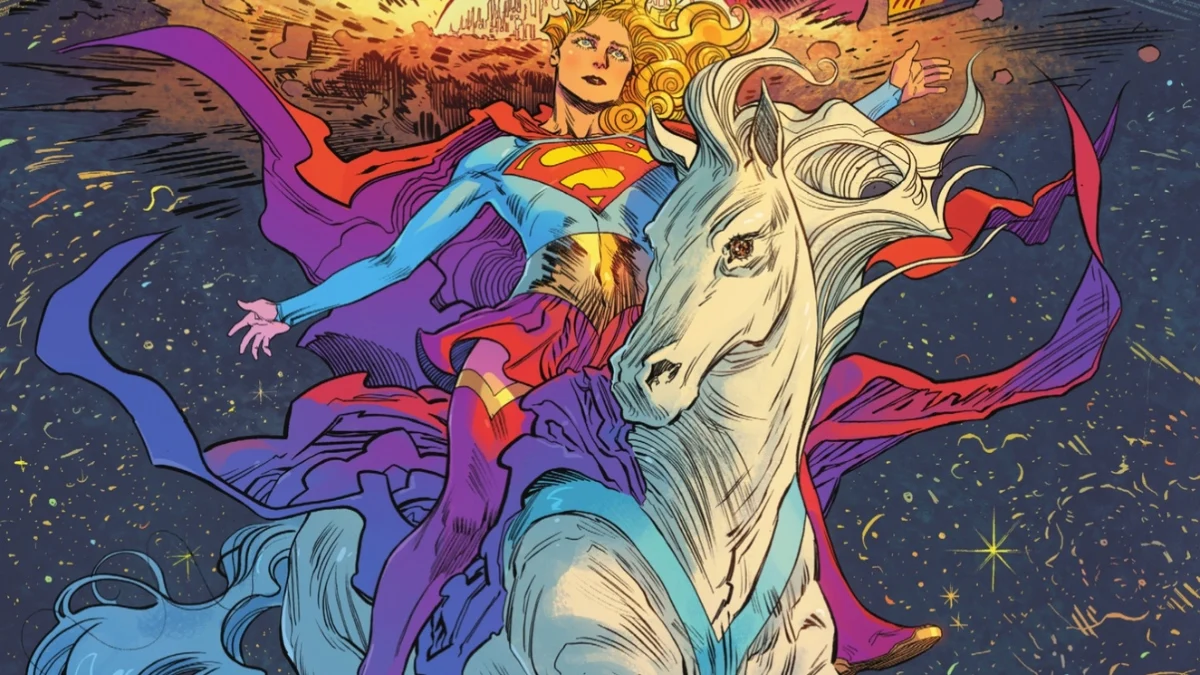
As the DC Universe (DCU) undergoes a massive creative restructuring under the guidance of James Gunn and Peter Safran, the cinematic landscape is shifting away from the somber, deconstructive tone of the previous decade. A surprising element driving this new emotional core isn’t a human hero, but a canine one: Krypto the Superdog.
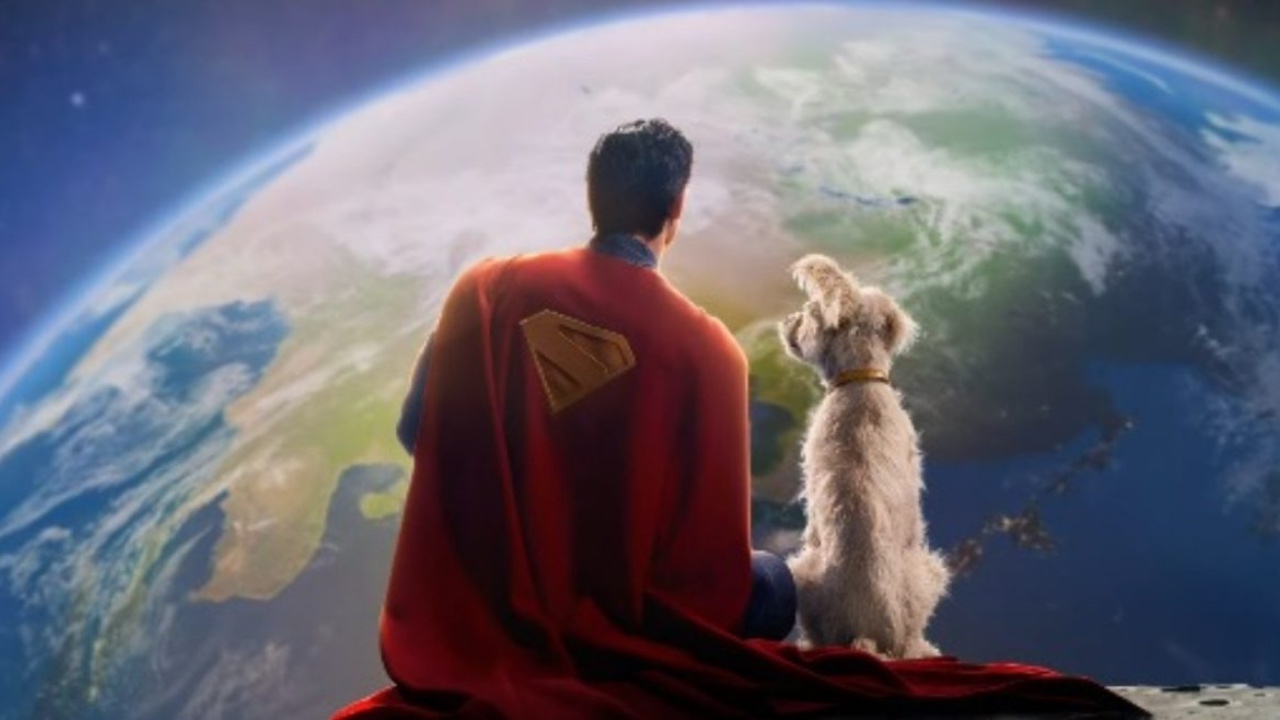
In the latest issue of Empire Magazine, writer Ana Nogueira, the architect behind the upcoming Supergirl feature, explicitly identified Krypto as the linchpin for her narrative. Nogueira noted that the bond between the Girl of Steel and her four-legged companion provides the essential emotional anchor for the film. Furthermore, the inclusion of a specific injury to Krypto in the first act serves as the catalyst for Supergirl’s grand adventure. This narrative strategy mirrors the recent success of Superman, which elevated Krypto from a comic book curiosity to a household sensation.
With DC Studios signaling a deep-seated appreciation for both the "goofy" charm of Silver Age comic book lore and the emotional resonance of animal companions, the door is wide open for a new menagerie of super-powered fauna to infiltrate the DCU.
The Strategic Importance of Animal Sidekicks
Historically, DC Comics pioneered the "super-pet" trope to broaden the appeal of their primary heroes. While modern audiences might view these additions as gimmicks, they serve a vital narrative function: they humanize the gods. A character like Superman, who possesses enough power to move mountains, becomes inherently more relatable when he is seen caring for a dog that requires walks, training, and affection.

James Gunn, known for his penchant for unconventional protagonists—as seen in the Guardians of the Galaxy franchise—is uniquely positioned to integrate these characters. By treating these animals as active participants in the world rather than mere props, the DCU can lean into the whimsical, high-concept DNA that differentiates it from other comic book franchises.
A Chronology of the Super-Pets
The history of DC’s animal companions spans decades, reflecting the changing cultural attitudes toward comic book storytelling.
1940s: The Dawn of the Sidekick
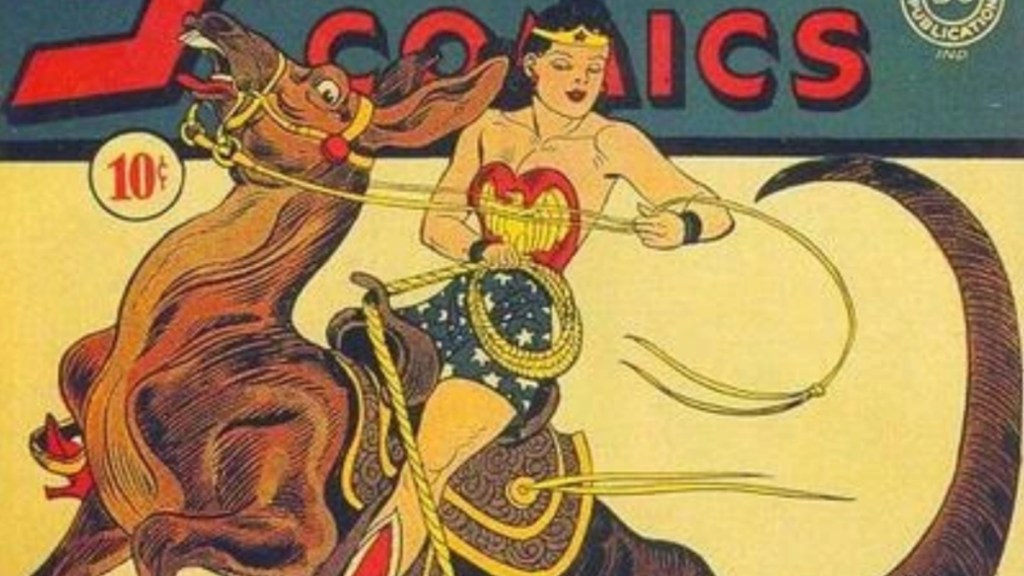
The trend began in earnest with Wonder Woman’s mount, Jumpa the Kanga, introduced in Sensation Comics #6 (1942). These creatures from Paradise Island were essential to the Amazons’ mobility, possessing the ability to leap vast distances. They set the precedent that a hero’s pet could be an extension of their power set.
1950s: The Golden Age of Innovation
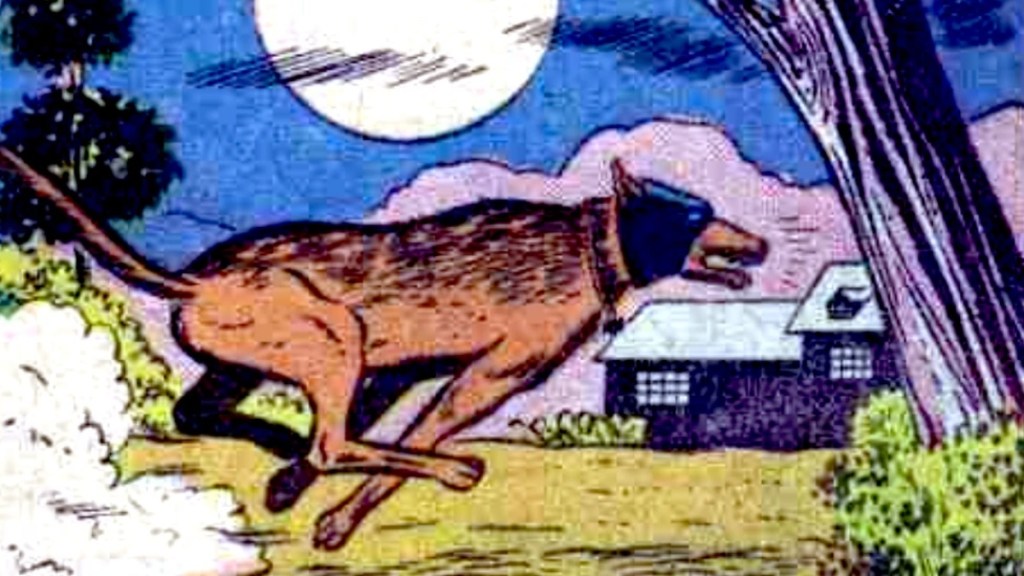
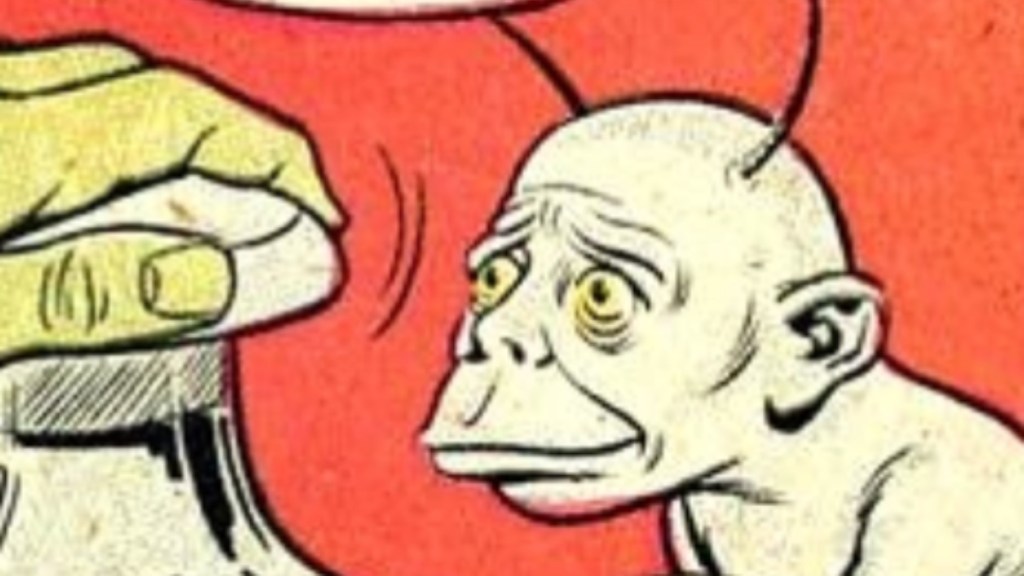
The 1950s saw an explosion in super-pet popularity. Ace the Bat-Hound (1955) was introduced by Bill Finger and Sheldon Moldoff, designed to capitalize on the popularity of adventure serial stars like Rin Tin Tin. Shortly after, Beppo the Super-Monkey (1959) brought a sci-fi edge to the trope, with a backstory involving Jor-El’s scientific experiments and a desperate escape from the doomed planet Krypton.
1960s: The Legion of Super-Pets
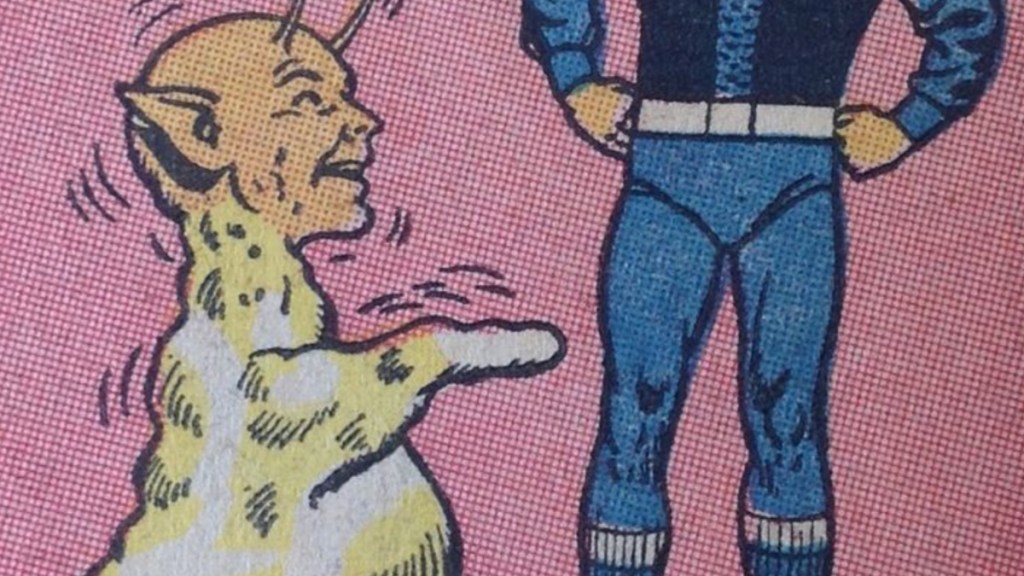
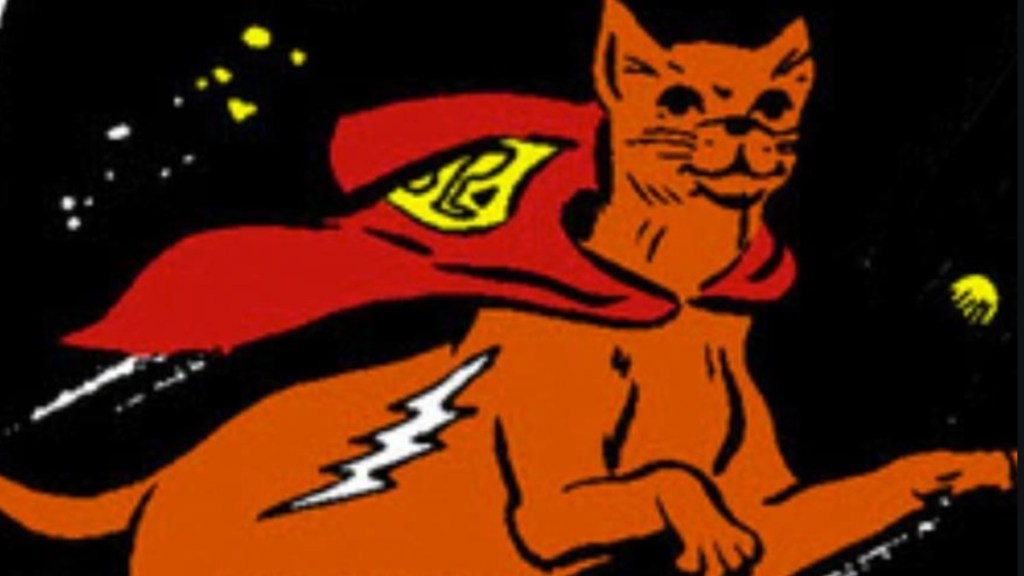
By the early 60s, DC had formalized the concept with the Legion of Super-Pets. This era introduced Streaky the Super-Cat (1960) and Proty (1963). These characters allowed for more experimental storytelling, blending lighthearted fantasy with the increasingly complex sci-fi settings of the Legion of Super-Heroes.
1970s and Beyond: The Gritty Shift and Modern Revival
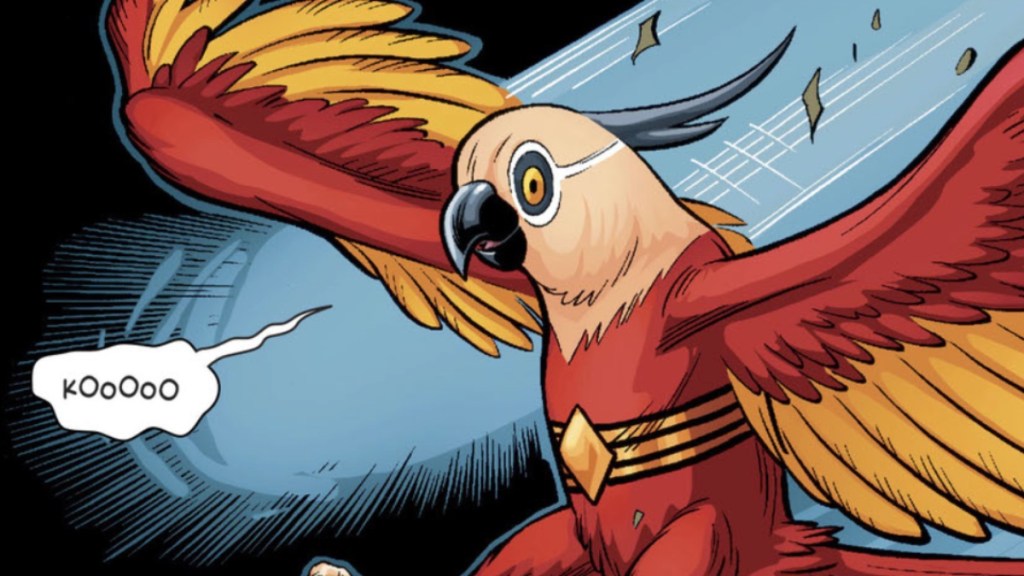
As comics turned toward the "Bronze Age" of darker, more grounded stories, super-pets were largely sidelined or treated with an air of embarrassment. It wasn’t until the 2018 Super Sons Annual that creators like Peter Tomasi and Paul Pelletier breathed new life into the concept, introducing Flexy the Plastic-Bird and proving that modern audiences were hungry for the return of these quirky archetypes.

Candidate Profiles: Who Deserves a Spot in the DCU?
As the DCU looks to populate its expanded universe, several classic animals stand out as perfect candidates for live-action adaptation.
Comet the Super-Horse
Though currently absent from promotional materials for Supergirl, Comet remains a fan favorite due to his bizarre, mythological origins. A centaur cursed by Greek gods, Comet’s journey from ancient Greece to the cosmos is exactly the kind of "weird" storytelling that could distinguish the new DCU.
Beppo the Super-Monkey
With the new DCU portraying Jor-El as a far more clinical and morally complex figure, the introduction of Beppo—a survivor of Jor-El’s scientific experiments—would provide a poignant, tragic, and ultimately endearing look at Kryptonian history.
Koko the Space-Monkey
The primary companion to the villainous Brainiac, Koko represents the potential for "villainous pets." As a sounding board for Brainiac’s grand monologues, Koko could offer a unique perspective on the threat level of one of Superman’s greatest foes.

Topo the Octopus
Having already appeared in the previous Aquaman iterations, Topo is a prime candidate for a reboot. Whether as an intelligent companion or a loyal sea-monster ally, an octopus sidekick provides unparalleled visual flair for underwater sequences, especially if contrasted with the cosmic, space-faring elements of the universe.
Official Responses and Creative Vision
While DC Studios has remained tight-lipped regarding specific future appearances, the buzz surrounding Supergirl suggests that the studio is prioritizing "heart-first" storytelling. By using Krypto as a focal point for Supergirl’s emotional arc, the studio is signaling to fans that they are not afraid to embrace the source material’s more colorful history.
The philosophy seems to be one of "earned whimsy." If the audience is given a reason to care about the animal—if the animal plays a role in the plot, saves the day, or suffers a loss—then the sillier aspects of their powers (like a dog with heat vision or a bird that can stretch) are easily accepted.
Implications for the DCU
The integration of super-pets has profound implications for the tone of the DCU. By incorporating these characters, the studio is creating a universe that feels lived-in and historically deep. It suggests that the DCU is not just about the heavy hitters like Batman or Superman, but about the smaller, stranger lives that exist in their orbit.
1. Marketability and Merchandising
From a corporate standpoint, the "Super-Pet" brand is incredibly lucrative. The success of animated features has proven that there is a massive demographic interested in these characters. Integrating them into the main film slate creates a unified brand presence that appeals to both children and lifelong comic book collectors.
2. Narrative Versatility
Super-pets offer writers a unique way to introduce exposition. A character like Topo or Koko can observe events that humans cannot, providing a unique narrative lens for the audience. Furthermore, they allow for moments of levity in otherwise high-stakes, world-ending scenarios.
3. Strengthening the "Family" Dynamic
The core of the new DCU is the concept of legacy and family. Adding pets to the mix reinforces the idea that these heroes have lives outside of their costumes. Whether it’s Bruce Wayne taking care of a bat-masked dog or Kara Zor-El searching for her equine friend, these moments ground the epic scale of the DCU in something recognizable and warm.
Conclusion: The Road Ahead
The DC Universe is at a crossroads. By choosing to lean into the legacy of the Silver Age while maintaining the high-production values of modern cinema, James Gunn and his team are carving out a niche that is uniquely "DC." The inclusion of Krypto in the Superman and Supergirl films is only the beginning. As the universe expands, we should expect to see more of these companions, each bringing their own brand of power, mischief, and heart to the screen.
Whether it is a super-powered primate from Krypton or a telepathic blob from the 30th century, the message is clear: in the new DCU, even the smallest hero can have the biggest impact. The era of the super-pet has arrived, and it promises to make the cinematic universe more vibrant, more unpredictable, and ultimately, more heroic.


 Jia Lissa
 Iffa Jayyana