Sagoh
Sagoh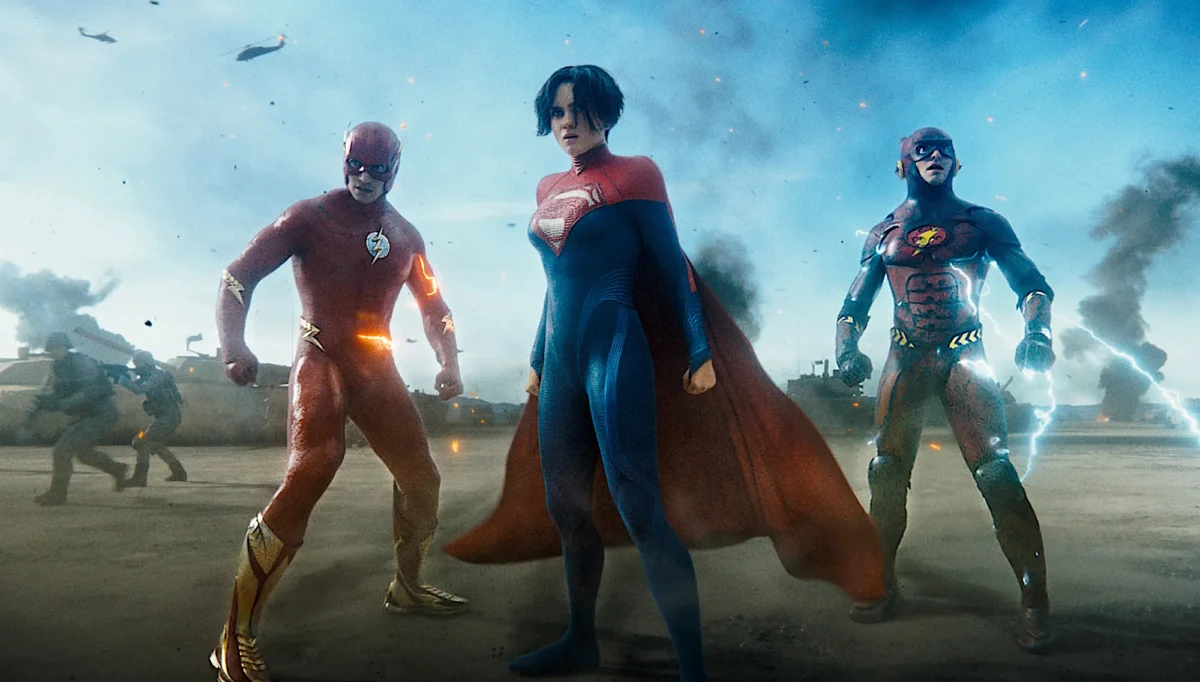
By Joe George | June 25, 2026
Since her inaugural flight in the pages of Action Comics #252 back in 1959, Supergirl has remained one of DC Comics’ most malleable and resilient icons. She has served as a teen-aged mirror to Superboy, a grounded modern woman navigating the grit of 1970s Chicago, and even, in more experimental arcs, a shapeshifting biological anomaly or a hardened soldier for the villainous Darkseid.
In the cinematic realm, the character has been defined by the performances of legends like Helen Slater and the modern-day tenure of Melissa Benoist. Yet, as the new Supergirl film—directed by Craig Gillespie and featuring Milly Alcock—hits screens worldwide, the conversation has turned toward a ghost of the DC Extended Universe (DCEU): the solo film that never was. Screenwriter Ana Nogueira, who penned the current blockbuster, has recently shed light on the canceled project that originally intended to anchor Sasha Calle’s iteration of the character.
The Evolution of an Icon: A Historical Chronology
To understand the weight of the canceled project, one must understand the evolution of Kara Zor-El. Her history is a tapestry of reinvention. When she first arrived in the Silver Age, she was a sidekick defined by her proximity to her cousin, Kal-El. However, the character evolved significantly during the post-Crisis on Infinite Earths era and the darker, more cynical narrative shifts of the New 52 reboot.
The iteration played by Sasha Calle in 2023’s The Flash was an outlier. Unlike the more traditional "wholesome do-gooder" tropes, Calle’s Supergirl was forged in the fires of a Flashpoint-inspired timeline—a world where Superman never landed in Kansas, and where she was instead held captive, experimented upon, and left to harbor a profound, justifiable resentment toward humanity. This was a character defined by trauma rather than hope, a sharp departure from the traditional Kryptonian narrative.
The Canceled Vision: From ‘The Flash’ to a Solo Franchise
The path to the current Supergirl film was not a straight line. Following the release of The Flash, there was a distinct push to capitalize on the audience’s positive reception of Sasha Calle’s performance. Ana Nogueira, tasked with the monumental duty of writing the Supergirl feature, originally began her journey by drafting a script centered on the continuity established by The Flash.
The Power Set as a Narrative Anchor
In a recent interview with Entertainment Weekly, Nogueira spoke candidly about the transition between the two versions of the script. "It was useful to me," Nogueira noted regarding her initial draft. "There is a real thing when you’re doing this; you have to really onboard yourself on things like power sets, what these characters are capable of, what a fight would look like, how strong you want them to be… So that was really useful, that I knew that power set for [Supergirl] in and out."
While the physical capabilities of a Kryptonian are standard across iterations, the application of those powers serves as a window into the character’s psyche. The Flashpoint version of the character, as depicted in the 2023 film, utilized her powers as a defensive and often lethal tool. Nogueira’s original script would have explored how a survivor of a black-site research facility transitions into a hero—or if she chooses to be a hero at all.
Supporting Data: The New 52 and ‘Flashpoint’ Influences
The DNA of the canceled project was inextricably linked to the Project Superman storyline from the 2011 Flashpoint comics. In that narrative, the world is devoid of the benevolent guidance of Kal-El. Instead, a Kryptonian is isolated, tested, and weaponized by government agencies.
This thematic framework informed much of the The Flash film. When Barry Allen (Ezra Miller) arrives in this alternate 2013, he discovers a world without a protector. The trio of Barry, a younger Barry, and Michael Keaton’s retired Bruce Wayne eventually track a downed vessel to a Siberian facility. They expect to find the Man of Steel; instead, they find a weary, embittered, and dangerous Supergirl.
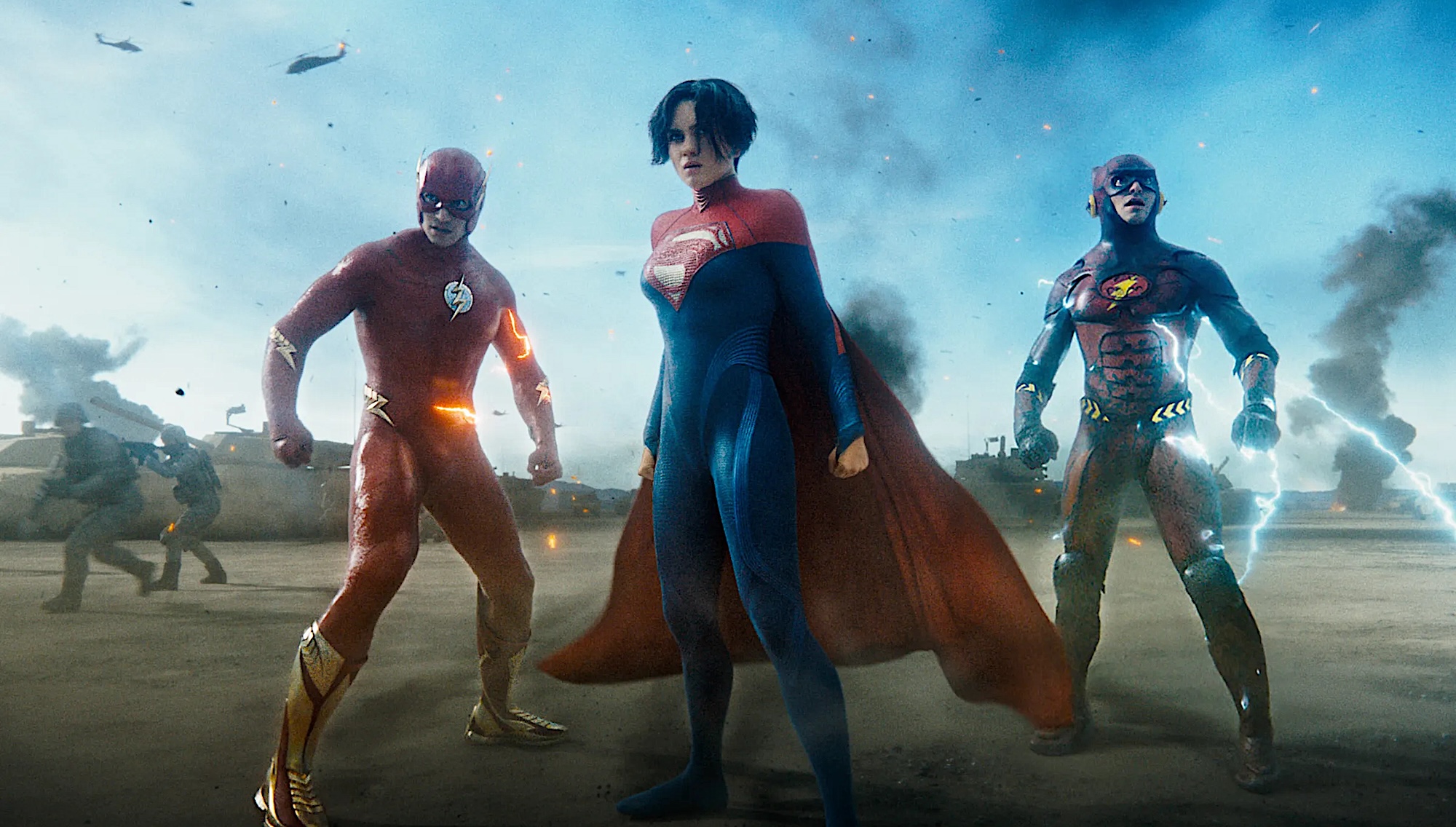
The implications for the canceled film were massive. Drawing from the New 52, where Kara Zor-El is often depicted as an alien "other" struggling to assimilate into a society she views as inferior or threatening, the solo film would have likely followed a path of slow, often painful redemption. In the comics, this iteration of Supergirl even joined the Red Lantern Corps—an organization powered by rage—highlighting her internal conflict. It is a far cry from the hopeful, exploratory tone of the Tom King and Bilquis Evely Woman of Tomorrow series that informs the current iteration.
Official Responses and Strategic Shifts
The decision to pivot away from the The Flash continuity was a strategic choice made during the larger structural overhaul of the DC cinematic landscape. While Nogueira has remained tight-lipped regarding the specific plot points of her first script, the contrast is undeniable.
"I don’t think I can even say what it was about, but it could not have been more different," Nogueira told Entertainment Weekly. This statement underscores a fundamental shift in DC’s approach to the character. Where the original path sought to explore the trauma-induced isolation of a Kryptonian captive, the current film seeks to explore the archetype of the space-faring traveler—the Woman of Tomorrow.
By moving toward the Tom King aesthetic, DC is leaning into the cosmic, mythic nature of Supergirl. The current iteration allows the character to exist as a distinct entity, unburdened by the baggage of the Snyder-era DCEU or the specific trauma of the Flashpoint paradox.
Implications: The Legacy of What Might Have Been
What does the cancellation of the Sasha Calle-led Supergirl mean for the future of comic book adaptations? It highlights a persistent tension in modern blockbuster filmmaking: the struggle between maintaining a shared cinematic universe and allowing directors and writers the freedom to adapt specific, tonal source material.
The echoes of the "Lost Supergirl" are still visible, however. The current version, played by Milly Alcock, retains the internal complexity of a hero who must find her own way. Even if Alcock’s Kara is not as antagonistic toward humanity as the New 52 version, she is equally tasked with defining her own morality, separate from the expectations set by her cousin.
A New Chapter for Kara Zor-El
The current Supergirl film serves as a testament to the character’s longevity. Whether she is a party girl trying to find her home in the stars or a victim of government experimentation reclaiming her agency, the core of Supergirl remains consistent: a woman of immense power trying to find her place in a world that often fears her.
While fans may always wonder what a darker, grittier solo film starring Sasha Calle might have looked like—and whether it would have successfully integrated with the Michael Keaton Batman dynamic—the current film stands on its own merits. It marks a clear departure, moving away from the serialized, interconnected nature of the previous decade and toward a more focused, character-driven narrative.
As the credits roll on the current production, audiences are reminded that the story of Kara Zor-El is one that refuses to be static. Through every reboot, every canceled script, and every casting change, Supergirl endures. She is, and will always be, the Girl of Steel, regardless of the timeline in which she chooses to land.
Supergirl is now playing in theaters worldwide. Check your local listings for showtimes.

 Nana
Nana
 Jia Lissa