Nana
Nana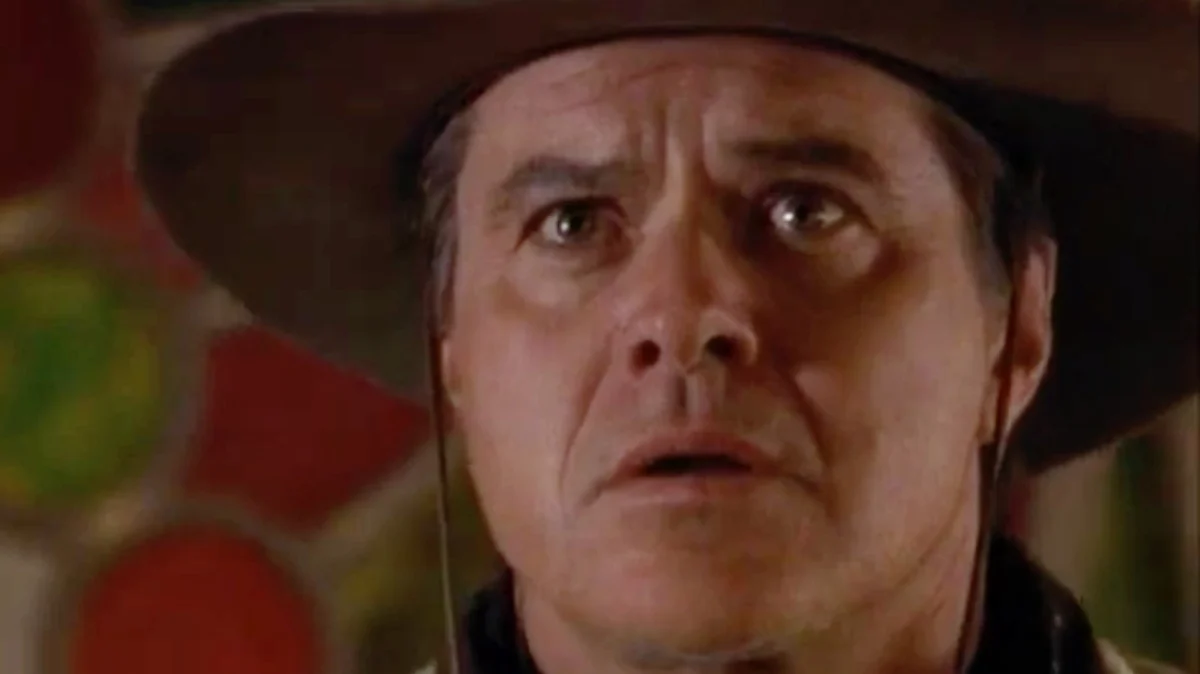
In the landscape of television history, few genres have experienced as many fluctuations in popularity as the American Western. While the 1950s and 1960s were dominated by the "oater" aesthetic, the 1990s attempted a sophisticated revival. Among these efforts was The Lazarus Man, a 1996 series with a high-concept premise that promised to redefine the genre. However, what began as a promising narrative odyssey was abruptly cut short, not by poor ratings or critical disdain, but by a heart-wrenching real-world tragedy involving its leading man, the beloved Robert Urich.
The Premise: A Mystery Wrapped in the Post-Civil War Frontier
Created by writer and producer Dick Beebee, The Lazarus Man offered a narrative hook that felt both grounded in historical reality and steeped in gothic mystery. The story centered on an unnamed U.S. Army officer, played by Robert Urich, who is discovered alive in a shallow grave in the immediate aftermath of the Civil War. Suffering from profound retrograde amnesia, the protagonist—later dubbed "Lazarus"—possesses no memory of his identity or his past.
As the series progressed, the mystery deepened. Lazarus began to uncover fragments of his former life, revealing that he had served as a bodyguard to President Abraham Lincoln during the period leading up to his assassination. The central tension of the show revolved around his desperate search for the truth regarding a betrayal within his own military unit—a conspiracy that allegedly allowed for the President’s murder.
By blending the traditional Western tropes of the wandering stranger with a serialized, character-driven mystery, The Lazarus Man distinguished itself from the more episodic Westerns of the era. It was a show that demanded the audience’s attention, rewarding them with a complex, unfolding puzzle.
Chronology of a Short-Lived Series
The production trajectory of The Lazarus Man was as turbulent as the era it depicted.
- 1996: The Launch: The series premiered on TNT in early 1996. It was backed by Castle Rock Entertainment, a major production house known for its prestige projects. The series was positioned as a flagship drama for the network.
- Late 1996: The Diagnosis: During the production of the show’s first season, Robert Urich began to experience health complications. He was subsequently diagnosed with synovial cell sarcoma, a rare and aggressive form of soft-tissue cancer.
- 1997: The Cancellation: Despite the critical potential of the series and Urich’s desire to continue working, Castle Rock Entertainment opted not to renew the show for a second season. The decision was inextricably linked to the legal and logistical uncertainty caused by Urich’s health crisis.
- Post-Cancellation: Legal Disputes: The cancellation triggered a significant breach-of-contract lawsuit. Urich, having been promised $1.5 million for a sophomore season that was now off the table, challenged the studio’s decision to drop him.
- The Aftermath: The legal battle was eventually resolved through a private settlement. While the show ended as a "what-if" footnote, Urich continued to be a vocal advocate for cancer research until his passing in 2002.
The Human Cost: Robert Urich’s Battle
Robert Urich was a staple of American television, known for his charismatic turns in Vega$, Spenser: For Hire, and his iconic performance in the 1989 Western miniseries Lonesome Dove. His work in Lonesome Dove, alongside Robert Duvall and Tommy Lee Jones, remains the gold standard for Western television.
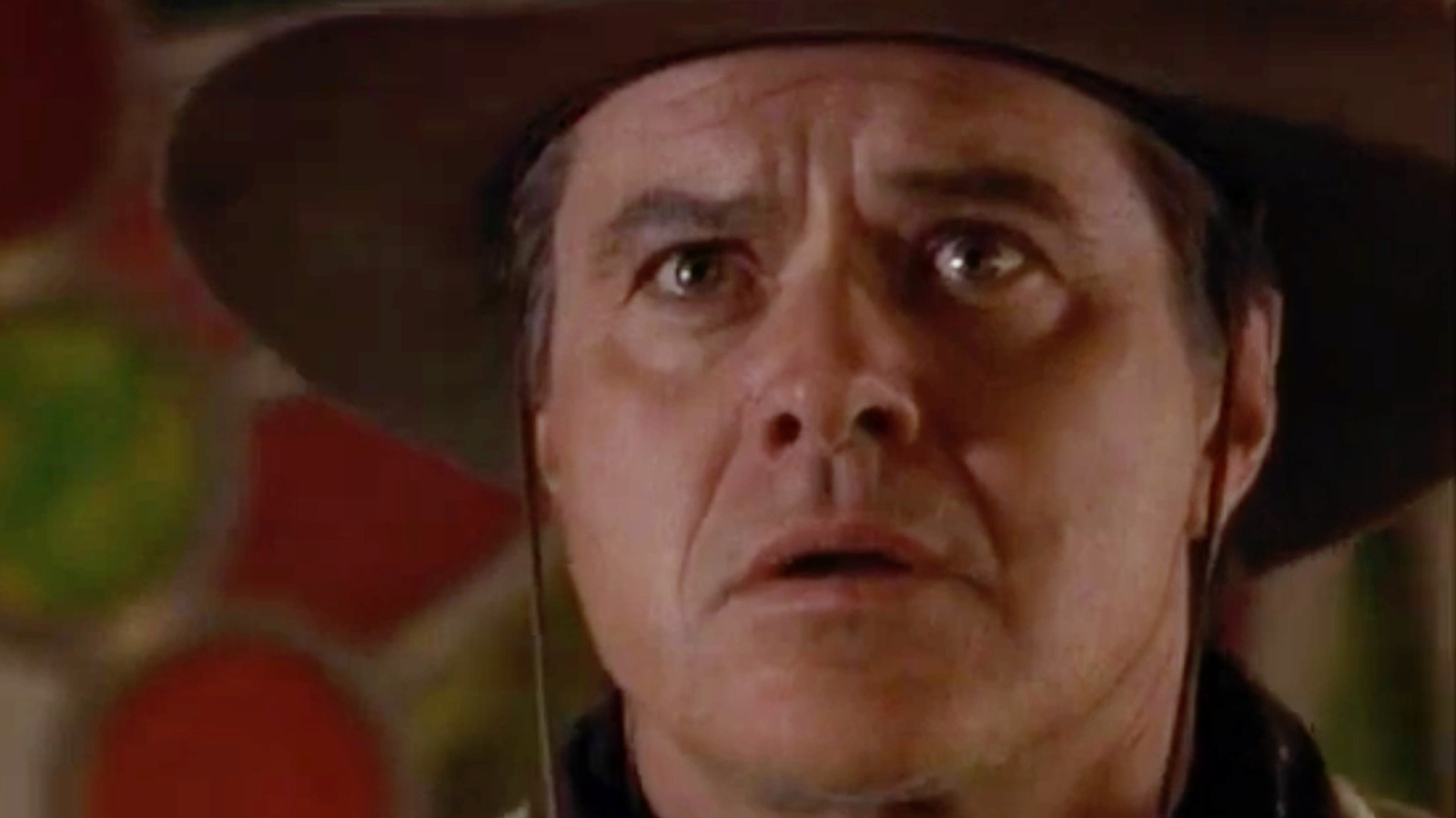
When Urich transitioned to The Lazarus Man, he brought that same gravitas to the role of the amnesiac soldier. However, the diagnosis of synovial cell sarcoma changed everything. At the time, the prognosis for such a diagnosis was dire. Despite his condition, Urich maintained a profound commitment to his craft. Reports from the time indicated that the actor was fully prepared to continue filming the second season, believing that his work was a therapeutic outlet during his treatments.
The studio’s decision to pull the plug was based on the standard industry practice of mitigating risk. For Castle Rock, the uncertainty of a lead actor’s health presented an insurmountable hurdle for a production that required intense physical commitment. The resulting lawsuit was less about the show’s quality and more about the cold, corporate reality of television production in the 1990s.
Supporting Data: Why It Matters Today
Why do we still discuss a show that only ran for one season? In the current era of "Peak TV," where audiences are constantly looking for hidden gems and forgotten classics, The Lazarus Man represents a lost opportunity for genre innovation.
The show’s creator, Dick Beebee, was a writer of considerable range. After The Lazarus Man, he went on to contribute to projects like the 1999 remake of House on Haunted Hill and the controversial Book of Shadows: Blair Witch 2. His work consistently explored the intersection of mystery and character psychological depth. The Lazarus Man was perhaps his most ambitious television endeavor, aiming to bring a long-form, serialized mystery to a genre that was, at the time, largely stagnant.
From a production standpoint, the series is a case study in the vulnerability of "star-driven" television. When a series is built entirely around the persona and physical presence of a single actor, any threat to that actor’s availability becomes an existential threat to the entire project.
The Legal and Ethical Implications
The breach-of-contract lawsuit filed by Urich highlights the precarious nature of actor contracts in the 1990s. While modern contracts have evolved to include more nuanced "force majeure" and health-related clauses, in 1996, these disputes were often settled behind closed doors.
The fact that the case was settled suggests that both parties recognized the complexity of the situation. Urich’s legal team argued that his diagnosis did not necessarily preclude him from fulfilling his professional obligations, while Castle Rock sought to protect their financial investment in a project that required a high degree of physical vigor. It remains a poignant reminder of the tension between the business of entertainment and the realities of human health.
How to Access the Series Today
For those looking to explore this lost piece of Western history, the options are, unfortunately, limited.
- Streaming Status: Currently, The Lazarus Man is not available on any major subscription streaming platforms. This is common for many mid-90s series that did not maintain a long-term syndication presence.
- Digital Archives: There are fragmented episodes available on platforms like YouTube. However, these uploads are often unauthorized and subject to copyright removal. They are also rarely organized in a way that allows a viewer to follow the narrative arc effectively.
- Physical Media: The most reliable way to experience the series is through the DVD release. While out of print in some regions, it remains accessible through secondary markets like Amazon and eBay. For the dedicated Western enthusiast, this is the only way to view the show as it was intended to be seen.
Conclusion: A Footnote with a Lasting Impact
The Lazarus Man serves as a bridge between the classic Westerns of the past and the serialized, mystery-driven dramas of the future. While it never reached the legendary status of Lonesome Dove, its premise—a man literally rising from the dead to solve the riddle of his own existence—is as compelling today as it was in 1996.
The show stands as a testament to Robert Urich’s enduring talent and the unfortunate reality of a production halted by a personal tragedy. It reminds us that behind every canceled show is a team of creators, writers, and performers whose work is often defined as much by the circumstances of its end as by the vision of its beginning. For the patient viewer, tracking down a copy of The Lazarus Man is not just an act of nostalgia; it is an act of historical appreciation for a series that dared to be different, even if its time in the sun was cut far too short.


 Azzam Bilal Chamdy
 Evan Lee Salim