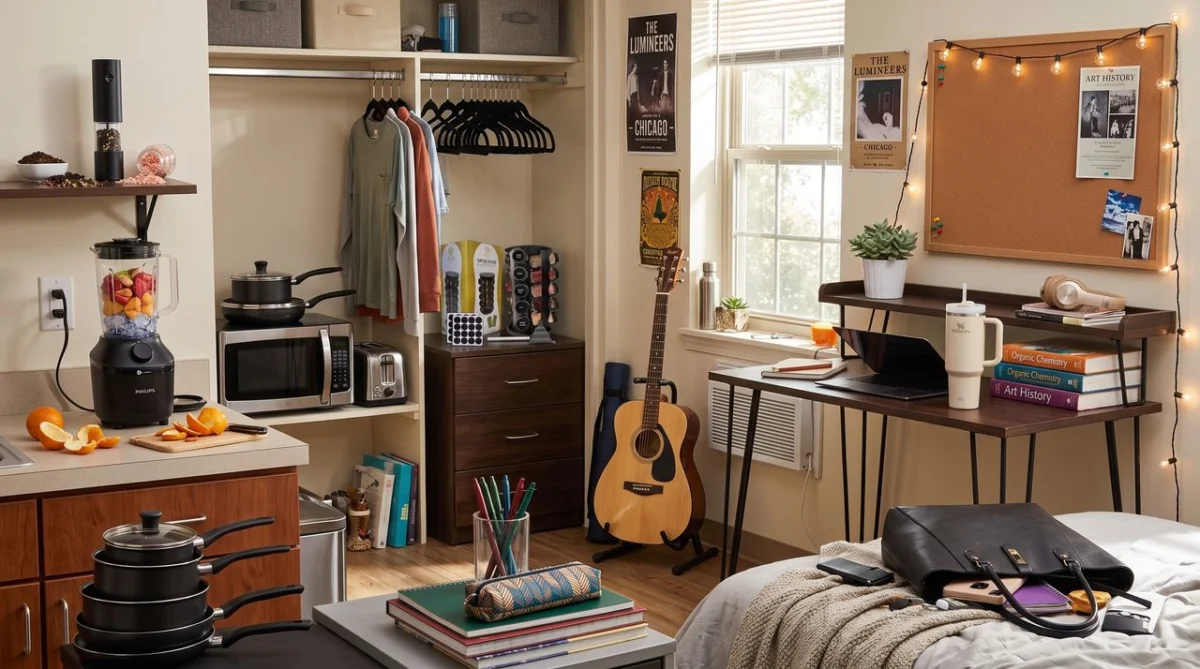
When the current generation of university students begins their journey into higher education, the traditional rite of passage—the "big shop" for dorm essentials—is looking significantly different than it did a decade ago. Gone are the days of scouring car boot sales for a solitary, rusted tin opener and a pre-loved frying pan. Today, the aspirational aesthetic of the "university experience" is being curated by high-end retailers, leading to a disconnect between the reality of the student loan and the expectations of modern campus living.
British retail giant John Lewis recently released its "University Packing Checklist," a guide intended to help students prepare for their move. However, the list has ignited a fierce debate online, with many labeling it as wildly out of touch with the financial constraints facing the average undergraduate.
The Evolution of the Dorm Aesthetic: A Shift in Expectations
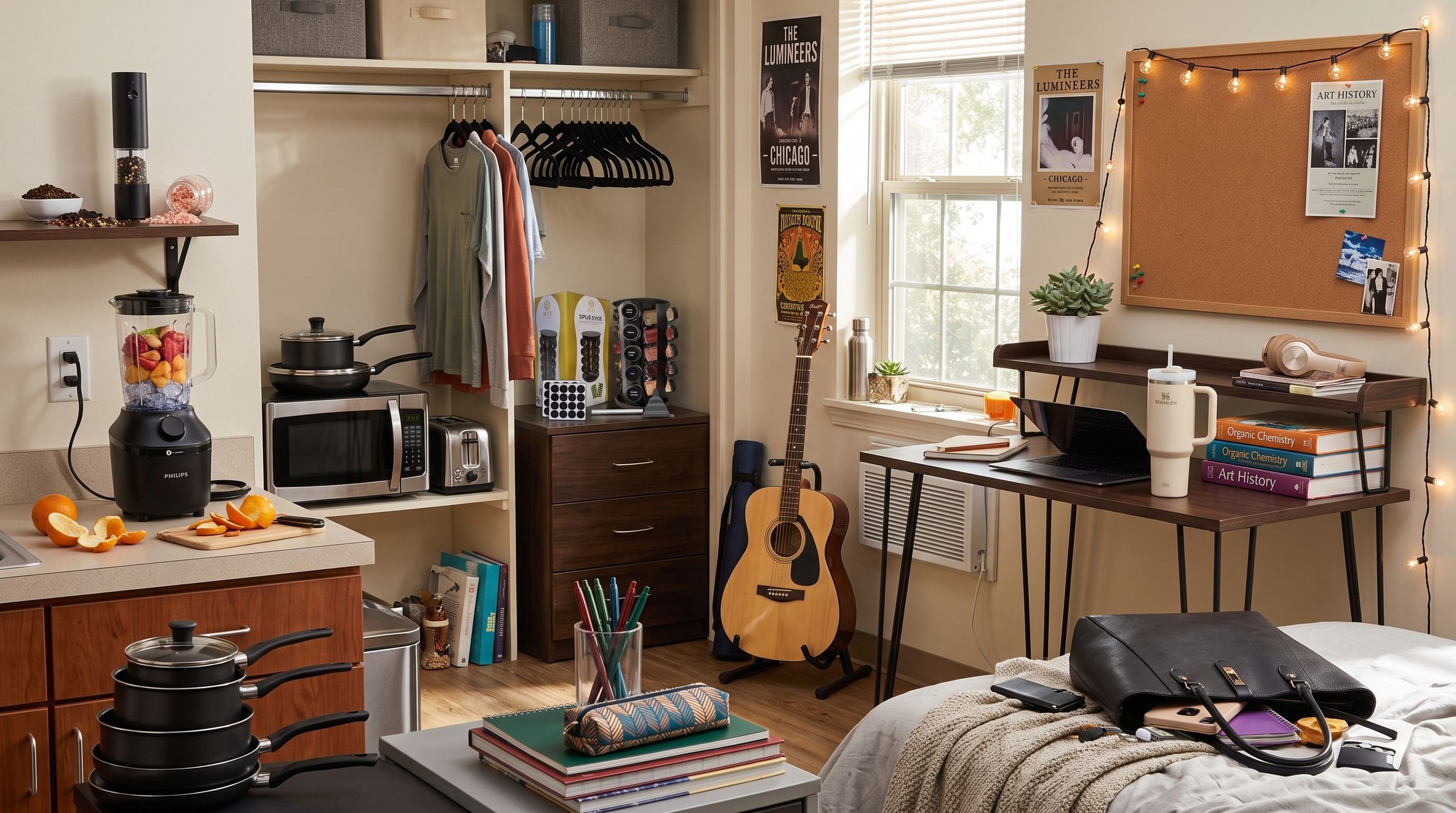
The John Lewis checklist reads less like a survival guide for a freshman and more like an inventory for a boutique hotel. Among the suggested items are 40 "Standard" velvet clothes hangers, a £495 Marc Jacobs tote bag, a £399 desk, an £80 spice rack carousel, and a £185 Ralph Lauren quarter-zip sweater.
For many, the inclusion of such high-end luxury items in a student-focused guide feels akin to Jony Ive’s famously curated "every day" design tools—technically exquisite, but entirely inaccessible to the vast majority of the population. The suggestion that a student needs an £80 carousel to store their oregano or a nearly £500 designer bag to carry their textbooks has been widely ridiculed on platforms like TikTok, where students are documenting the disparity between "John Lewis expectations" and "student budget realities."
Chronology of the Controversy
The backlash began shortly after the checklist was published online. Within hours, social media users—many of whom are current students or recent graduates—began dissecting the list, highlighting the absurdity of the price points.
- Initial Publication: John Lewis promotes its "University Packing Checklist" as a comprehensive guide for students heading to campus.
- The TikTok Reaction: Content creators began filming "react" videos, juxtaposing the high-priced items with the reality of living in shared, often cramped, student accommodation.
- The "Dupes" Movement: Following the viral roasting, a counter-movement emerged. Savvy shoppers began hunting for budget-friendly alternatives that mimic the aesthetic of the luxury list without the four-figure price tag.
- Wider Public Discourse: The conversation quickly moved beyond fashion and homeware, evolving into a broader critique of how retailers market to young people who are already struggling with the rising costs of tuition and accommodation.
The Economics of "Student Essentials"
To understand why this list has caused such a stir, one must look at the current economic climate. According to data from the National Union of Students (NUS), the cost-of-living crisis is the primary concern for the majority of undergraduates. With rent prices in university cities hitting record highs and the real-term value of student maintenance loans stagnating, the suggestion that a student should spend £50 on an electronic pepper mill feels not just out of touch, but tone-deaf.
Breakdown of the "Luxury" Basket:
- The Kitchen: An £80 spice rack and a £50 electric pepper mill.
- The Wardrobe: A £495 designer bag and a £185 branded quarter-zip.
- The Study: A £399 desk—which, ironically, may not even fit in a standard-issue university room.
- The Organization: 40 velvet hangers, which are premium versions of the basic plastic ones that serve the exact same function.
When aggregated, these items alone represent a significant percentage of a student’s entire termly maintenance loan. The psychological impact of such marketing cannot be ignored; it reinforces a culture of "lifestyle inflation" that pressures young people to compete with their peers on social media platforms, even when they lack the financial means to do so.
Corporate Response and Retail Strategy
John Lewis has long positioned itself as a purveyor of quality and aspirational living. From a retail strategy perspective, the list is designed to upsell. By placing a £50 pepper mill alongside essential items like bedsheets and power strips, the retailer is attempting to "premiumize" the student shopping experience.
However, the brand has yet to issue a formal apology for the perceived elitism of the list. In previous years, similar "back to school" guides from major retailers have faced criticism for their lack of inclusivity. Experts in retail marketing suggest that while John Lewis likely intended to capture the "aspirational" market—specifically parents who are footing the bill for their children’s move—they failed to account for the optics of such a list in a year marked by high inflation and economic anxiety.
The Implications: Is "Dupe Culture" the New Reality?
The rise of "dupe culture" is perhaps the most significant outcome of this controversy. Rather than shunning the aesthetic entirely, many students are proving that they are highly resourceful. By finding items that look like the £80 spice rack for a fraction of the cost—often on marketplaces like Amazon, IKEA, or even local charity shops—students are reclaiming the narrative.
The "dupes" that are gaining traction on social media aren’t just about saving money; they are a form of rebellion against the idea that your university experience is defined by the brand name on your desk or your water bottle.
Why Students Are Rejecting the High-End Narrative:
- Financial Necessity: Most students simply cannot afford these items.
- Environmental Awareness: The "fast-homeware" trend is increasingly viewed as unsustainable.
- Authenticity: There is a growing preference for "lived-in" or curated thrifted styles over the sterile, "catalog-ready" look promoted by high-end department stores.
Practical Advice for the Modern Student
If you are currently preparing for university, the advice from industry experts—and from students who have been through the experience—is to ignore the curated lists and focus on the fundamentals.
- Prioritize Tech: Instead of an expensive desk, prioritize the best student laptop your budget allows. High-performance computing is an actual requirement for success; a designer bag is not.
- The "Wait and See" Method: Do not buy 40 hangers or expensive kitchen gadgets before you move in. Most university rooms have limited storage, and you may find that you don’t have the physical space for the items on a department store checklist.
- Shop Second-Hand: Local Facebook Marketplace groups and charity shops are the gold mines of university living. You can often find high-quality, durable furniture from students who are moving out and looking to offload items for cheap.
Conclusion: A Lesson for Retailers
The controversy surrounding the John Lewis student packing list serves as a case study for modern retailers. It highlights a widening gap between traditional high-street marketing and the reality of the consumer base. In an era where students are increasingly vocal about their financial challenges, retailers must strike a balance between aspirational branding and tangible utility.
While it is true that many students want their first home away from home to be stylish, they also want it to be sustainable and affordable. By pushing an unattainable lifestyle, retailers risk alienating the very demographic they hope to capture. As for the students? The takeaway is clear: university life is about the connections you make and the degree you earn—not the brand of the pepper mill in your kitchen.
Moving forward, it is likely that the trend toward "thrifty" and "authentic" living will continue to dominate. As students continue to share their budget-friendly hacks online, the power dynamic between the retailer and the shopper is shifting, ensuring that the next generation of graduates will be far more discerning about where their money goes.