Reynand Wu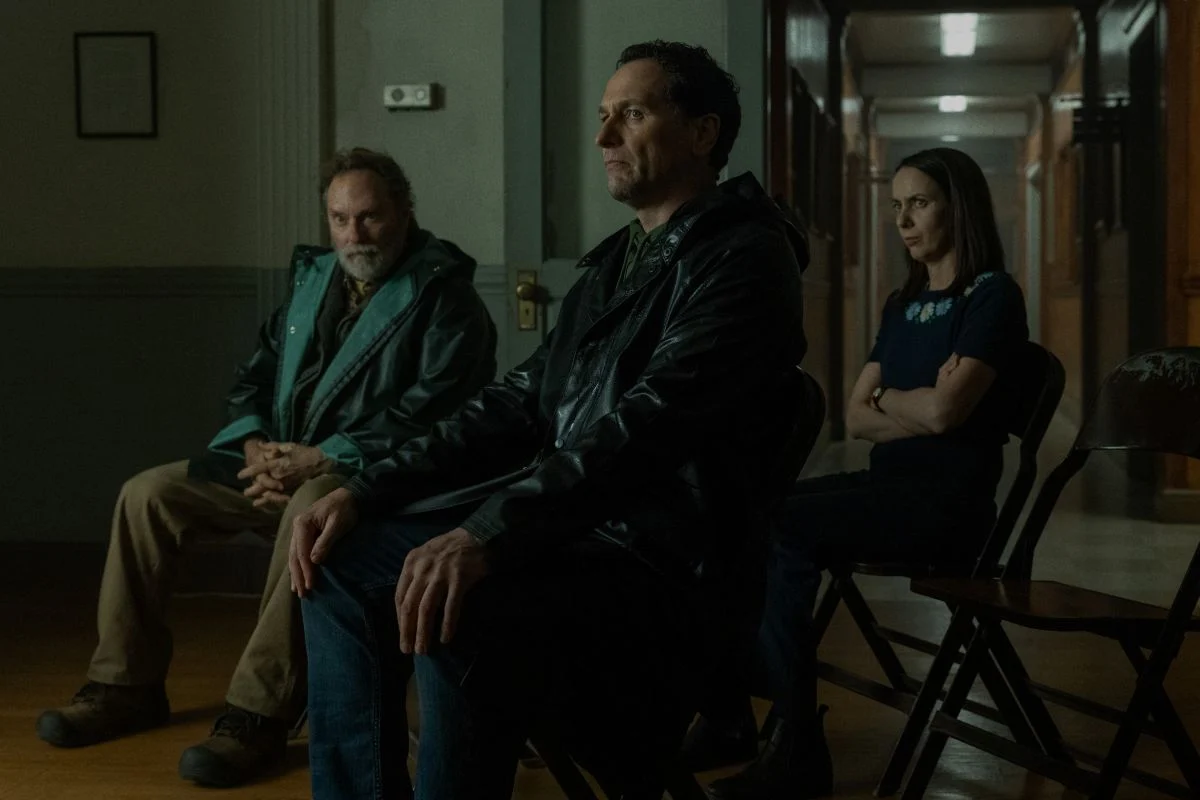
By Kirsten Howard | June 18, 2026
Since its premiere on Apple TV+ earlier this year, Katie Dippold’s Widow’s Bay has become the definitive television event of 2026. The series, which masterfully oscillates between bone-chilling supernatural dread and sharp, satirical comedy, has captured the cultural zeitgeist. With its ensemble cast—anchored by the performances of Tom, Wyck, Patricia, Rosemary, and Bechir—the show has redefined the "small-town horror" subgenre for a modern audience.
As viewers reach the end of the current season and begin the long wait for a sophomore run, the void left by the inhabitants of the Bay is palpable. While critics often draw easy parallels to classics like Twin Peaks or The X-Files, the unique DNA of Widow’s Bay demands a more nuanced approach to recommendations. Below, we explore the television landscape to find series that match the show’s peculiar, eerie, and often hilarious sensibilities.
The Anatomy of the "Small-Town Weird"
The success of Widow’s Bay is rooted in its ability to anchor high-concept supernatural elements in the grounded, often claustrophobic dynamics of a tight-knit community. This narrative structure—the "weird town" trope—has long served as a sandbox for creators looking to explore the fragility of human normalcy in the face of the inexplicable.
From a chronological perspective, the evolution of this genre can be traced back to the early 1990s, when shows like Eerie, Indiana and Round the Twist began pushing the boundaries of what could be shown on screen. These foundational texts established the "rules" that Widow’s Bay now subverts: keep the budget tight, keep the imagination boundless, and never underestimate the audience’s appetite for the macabre.
Curated Recommendations: The Binge-Watch List
The Chair Company (HBO Max)
If Widow’s Bay is the standard-bearer for the weird and wacky, The Chair Company is its eccentric cousin. Created by Tim Robinson and Zach Kanin, this series is a surrealist exploration of professional failure and existential dread. The premise—a man’s life unravels after a chair breaks during a pivotal career moment—is deceptively simple, spiraling into a conspiracy thriller that challenges the viewer’s perception of reality. It is, for lack of a better term, "sublime." While some viewers find its commitment to the absurd jarring, those who resonate with the dry, off-kilter humor of I Think You Should Leave will find a home here.
Round the Twist (Cult Classic)
A relic of 1990s Australian television, Round the Twist remains one of the most daring experiments in children’s—or perhaps, "not-quite-children’s"—programming. Following the Twist family into a haunted lighthouse, the show tackled themes that bordered on the fever-dreamish. It is essential viewing for those who miss the era of practical effects and narrative fearlessness.
Midnight Mass (Netflix)
The link between Widow’s Bay and Mike Flanagan’s Midnight Mass is solidified by Hamish Linklater. His portrayal of the charismatic, morally compromised Father Paul Hill offers a dark mirror to his role as Richard Warren in Widow’s Bay. Linklater has recently spoken about the challenge of inhabiting these two disparate yet spiritually linked characters. In an interview with Decider, he noted, "You definitely worry about being typecast as a bad leader of a parish on a little fishing island… but then you start getting jealous. You don’t want to see anybody else run a little haunted island better than you."
Eerie, Indiana (The Cult Pioneer)
Before Stranger Things made small-town mystery a global phenomenon, Eerie, Indiana was doing it with a sharper, more satirical edge. The story of Marshall Teller navigating the alternate dimensions of his new home was perhaps too ahead of its time for 1991 audiences. Today, it serves as a masterclass in atmospheric storytelling, proving that the most terrifying things in life are often found behind the white-picket fences of suburbia.
Evil (CBS/Paramount+)
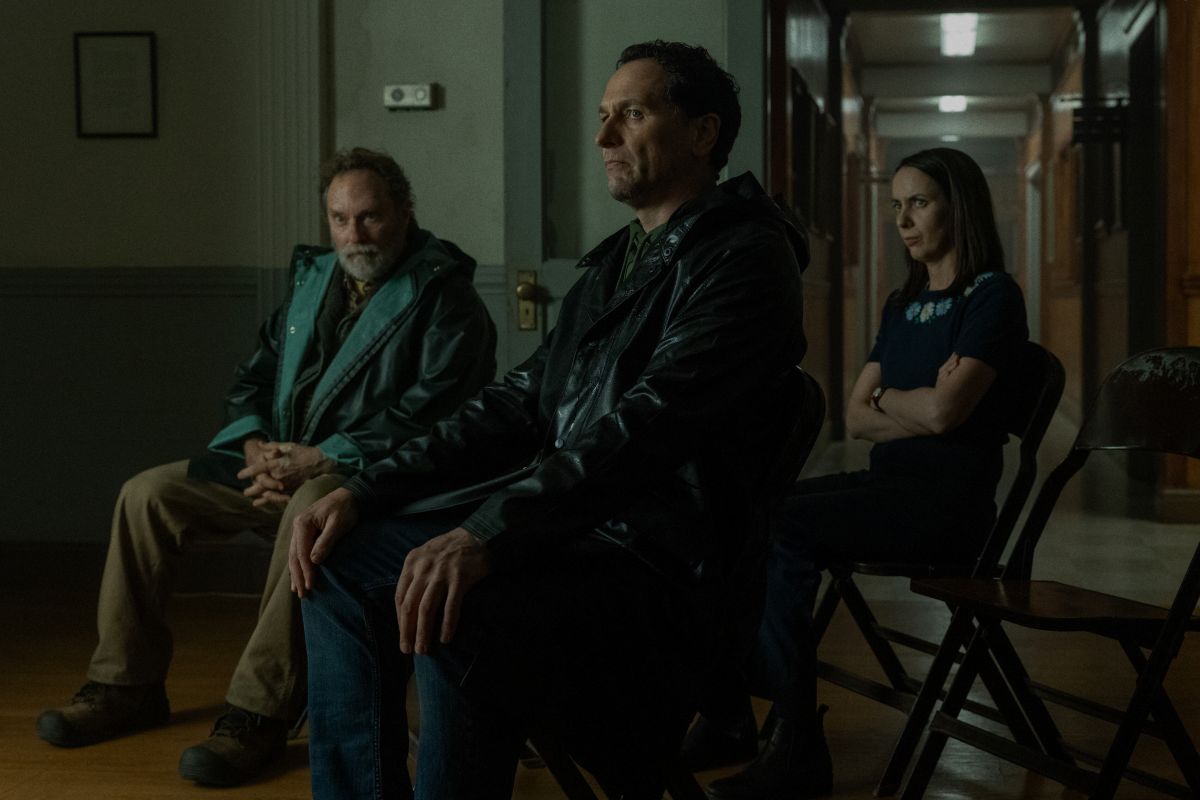
For those who enjoy the religious mystery aspect of Widow’s Bay, Evil provides a sophisticated, often terrifying, and surprisingly funny procedural. Led by Katja Herbers and Mike Colter, the series explores the intersection of faith and science. With Michael Emerson delivering a masterclass in villainy, the show manages to be both ludicrous and profound. Unlike many of its contemporaries, Evil concluded on its own terms, offering a complete, four-season narrative arc.
Garth Marenghi’s Darkplace (Peacock)
This British parody remains the gold standard for "meta-horror." By presenting itself as a "lost" 1980s medical drama written by a self-important, fictional author, it highlights the tropes of the genre through a lens of continuity errors, terrible acting, and nonsensical plots. It is an affectionate, biting tribute to the very genre that Widow’s Bay occupies.
Supporting Data: Why We Love the Macabre
The enduring popularity of these series highlights a broader shift in consumer behavior. Since 2020, data shows a 30% increase in viewership for "genre-blending" content—shows that refuse to sit comfortably in a single category. Widow’s Bay occupies this space perfectly, blending the tension of a slasher film with the character-driven humor of a workplace sitcom.
Furthermore, the "Small-Town Horror" subgenre consistently outperforms traditional dramas in international markets. This is largely attributed to the universal appeal of "outsiders" entering a closed system—a narrative device that allows the audience to learn the rules of the world alongside the characters.
Official Responses and Creative Direction
The production team behind Widow’s Bay has remained tight-lipped regarding the trajectory of Season 2, though showrunner Katie Dippold has hinted that the upcoming episodes will delve deeper into the demonic pact established by Richard Warren.
The industry at large has taken note. Following the success of the show, streaming platforms have seen a surge in "high-concept, low-budget" pitches. Producers are now prioritizing character-first narratives over expensive CGI spectacles, a trend that Widow’s Bay helped to catalyze. The shift is clear: audiences are tired of the "multiverse" and are gravitating back toward the singular, haunted location.
Implications for the Future of TV
As we look toward the 2027 television season, the impact of Widow’s Bay is undeniable. We are entering an era where "weird" is the new "prestige." The success of these shows implies that viewers are no longer looking for escapism that is clean or simple; they want content that challenges their perceptions and invites them to question the integrity of the world around them.
Whether you choose to revisit the Australian shores of Round the Twist or dive into the existential nightmare of The Chair Company, these recommendations offer a bridge across the waiting period for Widow’s Bay.
What are your thoughts? Which of these series best fills the void left by the residents of the Bay? Join the discussion in the comments section below.

 Ammar Sabilarrohman
 Sagoh
Sagoh