

In the vast, interconnected tapestry of the Star Wars galaxy, few characters have undergone a transformation as radical—or as unexpected—as Rotta the Hutt. While audiences were first introduced to the character as a sickly, vulnerable infant in the 2008 Star Wars: The Clone Wars feature film, his return in Jon Favreau’s The Mandalorian and Grogu presents a figure completely unrecognizable from his origins.
Despite being largely absent from the film’s marketing campaign, Rotta has emerged as a pivotal figure in the narrative, challenging the legacy of his notorious father, Jabba the Hutt, and carving out a surprisingly sympathetic, albeit physically imposing, path in the lawless Outer Rim.
The Main Facts: A New Chapter in the Outer Rim
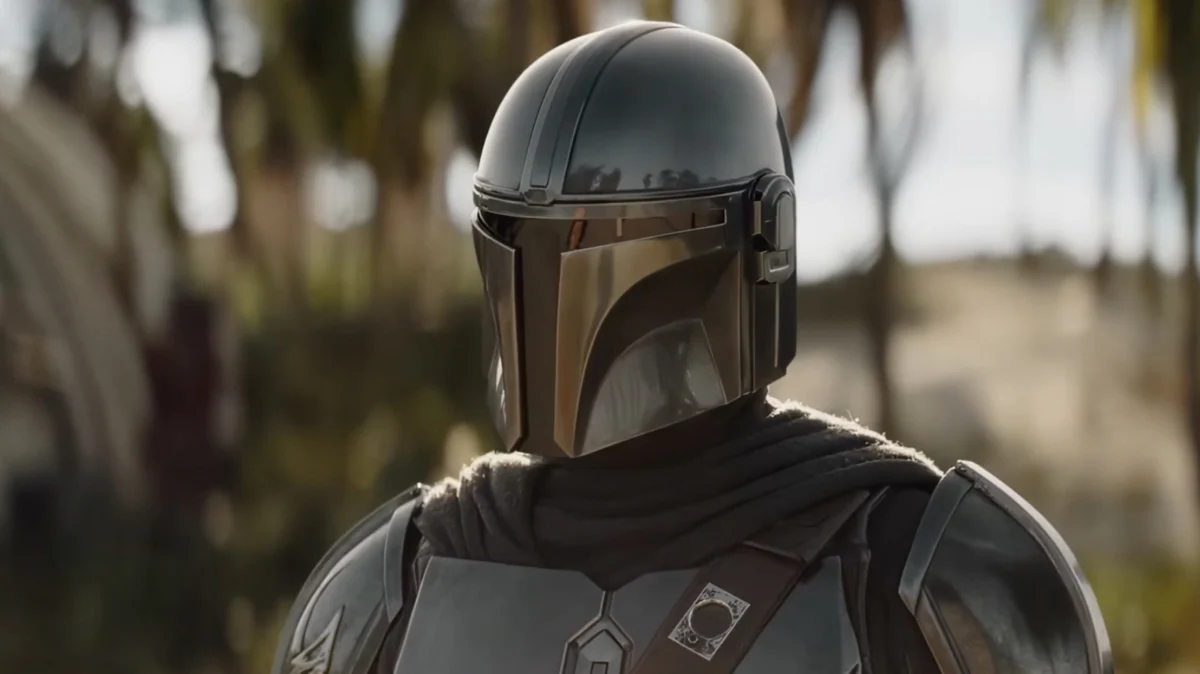
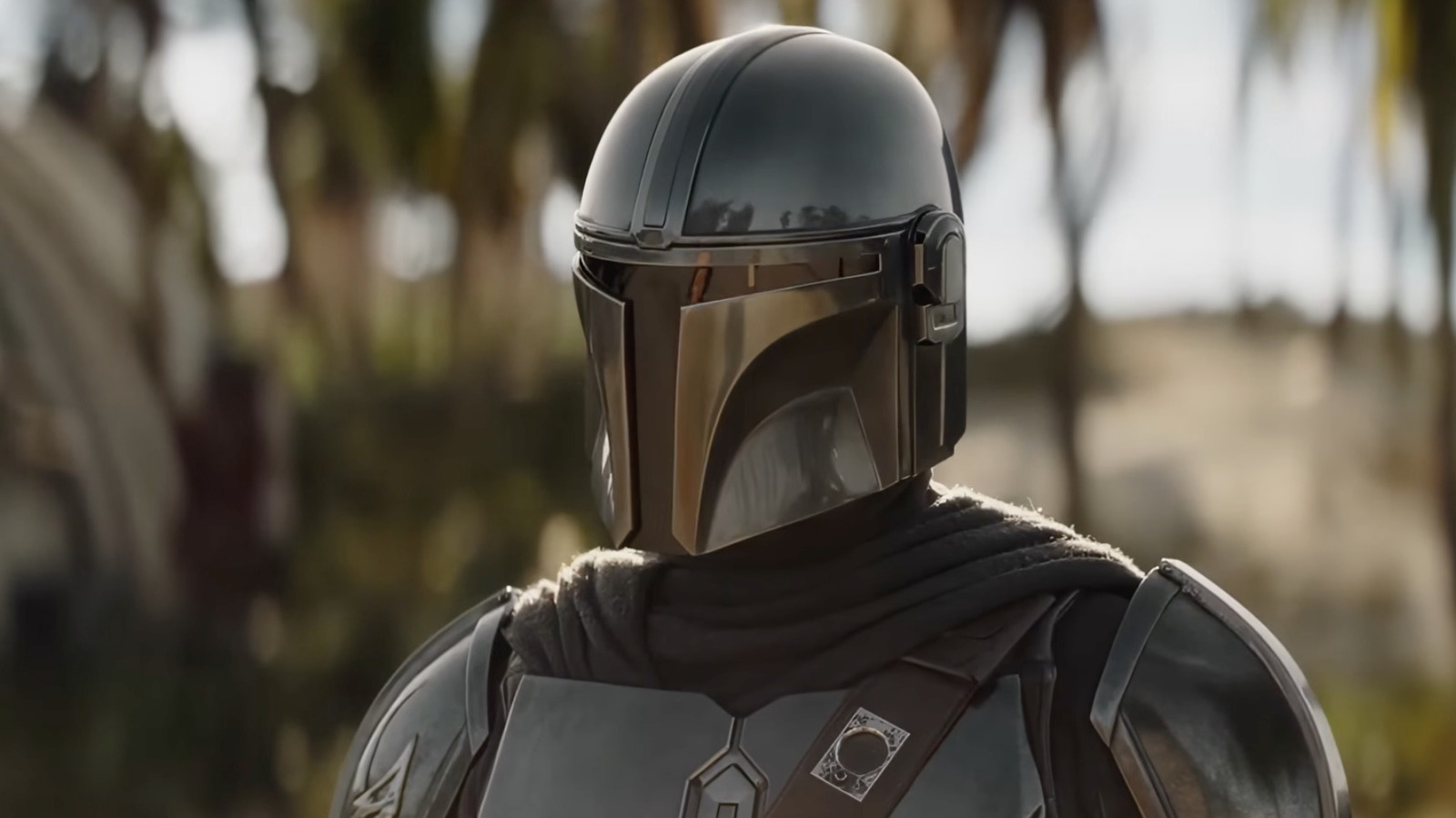
The Mandalorian and Grogu, the cinematic expansion of the acclaimed Disney+ series, finds Din Djarin (Pedro Pascal) and his charge, the force-sensitive Grogu, operating in the volatile New Republic era. Set in the years following the collapse of the Empire but preceding the rise of the First Order, the galaxy is in a state of precarious flux.
The plot centers on a high-stakes mission: Din Djarin is hired to retrieve Rotta the Hutt, who has been kidnapped and enslaved by an underground pit-fighting syndicate. The mission is not merely altruistic; the Hutt family possesses intelligence regarding the whereabouts of a dangerous former Imperial general, information that could prove vital to the survival of the New Republic. However, upon locating the target, the narrative pivots. Rotta is no longer the helpless infant of the Clone Wars; he is a battle-hardened gladiator who has grown weary of his father’s criminal shadow. Instead of seeking a return to his family’s corrupt empire, Rotta expresses a profound desire to forge his own destiny, even if it means fighting for his life in the arenas of the Outer Rim.
Chronology: From Kidnapping Victim to Arena Legend
To understand the significance of Rotta’s role in the current film, one must revisit his origin. In the 2008 Clone Wars film, Rotta’s kidnapping by the Separatists served as the primary catalyst for the alliance between the Jedi Order and the Hutt Cartel. Anakin Skywalker and his Padawan, Ahsoka Tano, were tasked with the dangerous mission of returning the infant to Jabba, a maneuver that cemented the Jedi’s complicated relationship with the criminal underworld.
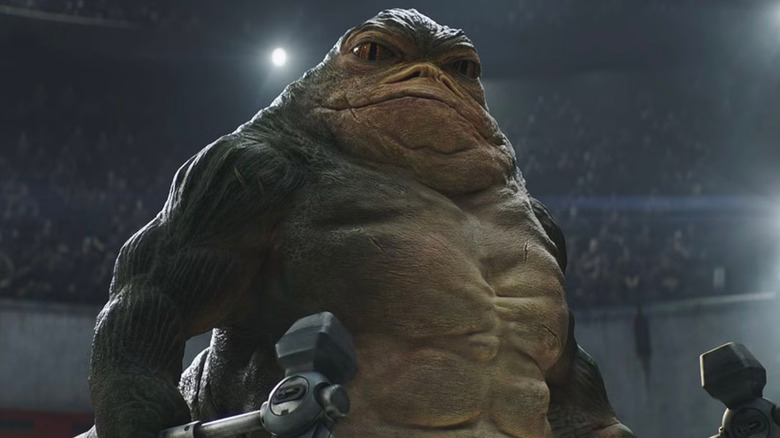
For decades, Rotta remained a footnote in Star Wars lore. His re-emergence in The Mandalorian and Grogu marks the first time the audience has seen a major Hutt character navigate the transition from childhood to adulthood. Unlike his father, who relied on influence, intimidation, and a network of sycophants, this version of Rotta—voiced by Jeremy Allen White—is defined by physical agency. He has been forced into gladiatorial combat, a life that has left him not only battle-scarred but physically formidable. He is, by all accounts, the first "buff" Hutt ever depicted in the franchise, possessing a muscular physique that defies the traditional, sedentary image of his species.
Supporting Data: Character Dynamics and The "Creed" Comparison
The film’s episodic structure allows for a deep dive into Rotta’s psychology. He is essentially the guest star of a multi-act arc that highlights his isolation. Rotta’s dialogue at length regarding his hatred for the Hutt legacy serves as a thematic mirror to Din Djarin’s own struggle with Mandalorian tradition.
Perhaps most surprising is the chemistry between the giant slug-gladiator and Grogu. The film depicts moments of genuine tenderness between the two, with Rotta displaying a protective, almost paternal affection for the child. This subversion of expectation—pairing a Hutt with a Jedi-adjacent foundling—adds a layer of emotional resonance that the film’s trailers entirely obscured.
The production team, led by Jon Favreau, drew specific inspiration from modern sports dramas to ground this alien character. In an exclusive interview with Empire, Favreau drew a direct parallel between Rotta’s journey and that of Adonis Creed from the Rocky legacy films. "When you’re trying to establish yourself and your name is famous, when you’re Jabba the Hutt’s kid, what does that do? How has that affected his trajectory? I get a kick out of that," Favreau noted. By treating Rotta like a protagonist rather than a visual gag, the film succeeds in evolving a legacy character into a compelling, three-dimensional figure.
Official Responses: The Creative Strategy Behind the Reveal
The decision to minimize Rotta’s presence in the promotional materials was a calculated gamble by Lucasfilm. In an era where trailers often reveal the entirety of a film’s plot, the choice to keep the audience in the dark regarding Rotta’s role was intended to preserve the impact of his introduction.
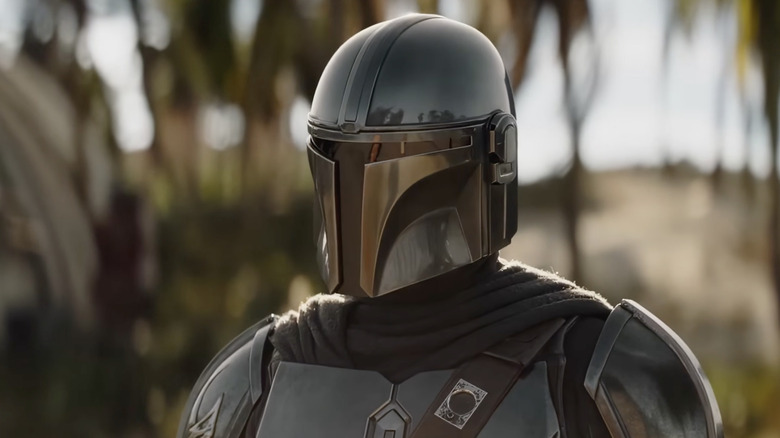
The creative team behind The Mandalorian and Grogu sought to avoid the pitfalls of "fan service." By keeping the focus on the central duo in the trailers, they ensured that when Rotta finally appeared on screen—not as a helpless baby, but as a formidable warrior wielding axes in a gladiatorial arena—the audience would be genuinely surprised. This choice reflects a broader shift in the Star Wars production philosophy, prioritizing narrative shock and character development over predictable marketing beats.
Furthermore, the character’s design required significant practical and digital integration. Developing a "muscular" Hutt required a departure from the established aesthetics of Jabba or Gardulla. The design team utilized a mix of sophisticated puppetry and advanced CGI to convey the agility required for the character’s action sequences, ensuring that his movements in the arena felt visceral and dangerous.
Implications: A Shift in the Outer Rim Power Structure
The inclusion of an independent, combat-trained Hutt has massive implications for the future of the Star Wars universe. With the Hutt Cartel’s historical influence waning in the post-Imperial vacuum, the emergence of a dissident heir who is capable of standing his own ground suggests a massive shift in how criminal syndicates operate in the Outer Rim.
Rotta’s decision to align with Din Djarin, even temporarily, suggests that the rigid lines between the "heroic" Mandalorians and the "villainous" criminal syndicates are becoming increasingly blurred. The film poses a difficult question: if a Hutt chooses to reject the corruption of his heritage, is he still an enemy of the Republic?
Furthermore, the minimal presence of other secondary characters—such as the Lasat pilot Zeb, who appears only briefly—highlights that the film is not interested in checking off boxes for legacy character appearances. Instead, it is interested in evolving the world through fresh, unexpected lenses. By focusing on Rotta, the filmmakers have taken a character once defined by his vulnerability and successfully transformed him into a symbol of the struggle for identity in a galaxy that expects everyone to remain exactly who they were born to be.
Conclusion: A Legacy Reimagined
The Mandalorian and Grogu proves that there is still significant creative life left in the deep cuts of the Star Wars timeline. By taking an infant character from a 2008 animated film and recontextualizing him as an action-heavy, complex individual, Jon Favreau has managed to provide one of the most rewarding character arcs in recent franchise history.
Rotta the Hutt’s journey from the hands of the Separatists to the blood-soaked floors of a gladiatorial pit is more than just a fun callback; it is a meditation on the burden of legacy. As the film continues its theatrical run, audiences are finding that the most memorable character in the story was the one they never saw coming. In a galaxy filled with Jedi, Sith, and soldiers, it turns out that a disillusioned, axe-wielding Hutt is exactly the kind of unexpected hero the Star Wars universe needed.









No comments yet. Be the first to join the conversation!