

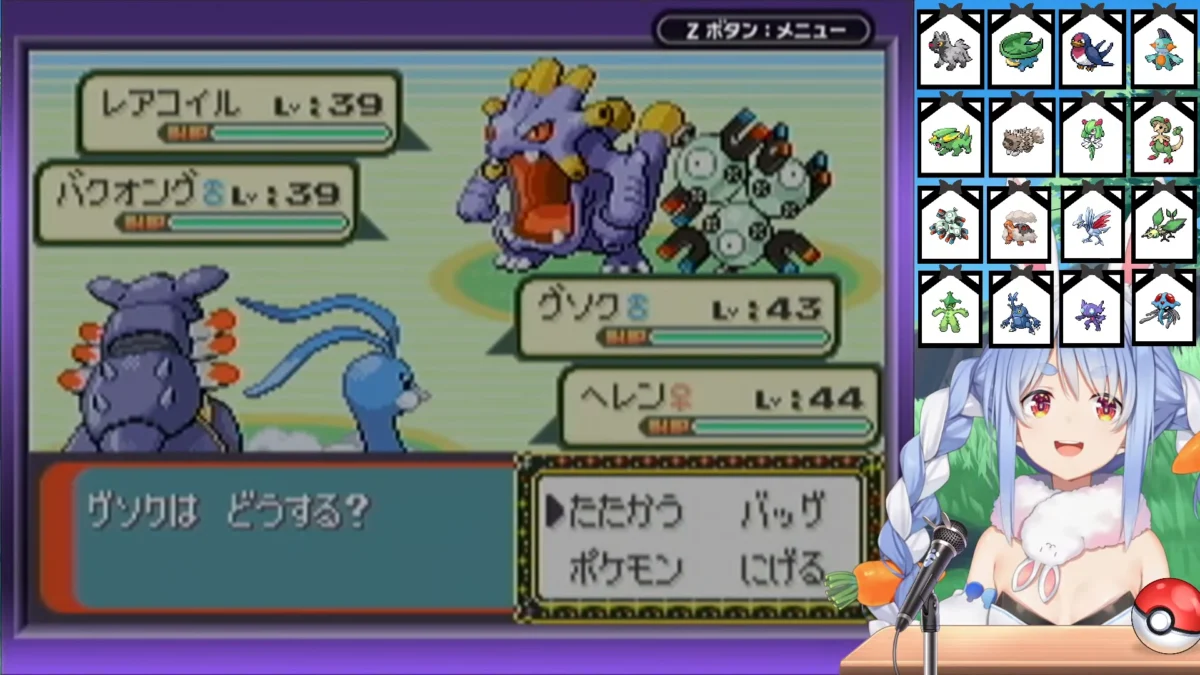
In the high-stakes world of VTubing, where thousands of fans tune in to witness the digital personas of their favorite entertainers, a simple desire for nostalgia can quickly spiral into a complex legal entanglement. Such was the case for Usada Pekora, the superstar VTuber associated with the Hololive production agency, whose attempt to capture a legendary Pokémon in a retro title resulted in the sudden deletion of her content, an official corporate apology, and a stark reminder of Japan’s rigid intellectual property landscape.
The incident serves as a cautionary tale for content creators operating in the gray areas of retro gaming. It highlights the friction between the preservationist desires of fans and the strict, protective policies of gaming giants like Nintendo, particularly in a region where the legal definition of "piracy" and "modding" is increasingly unforgiving.
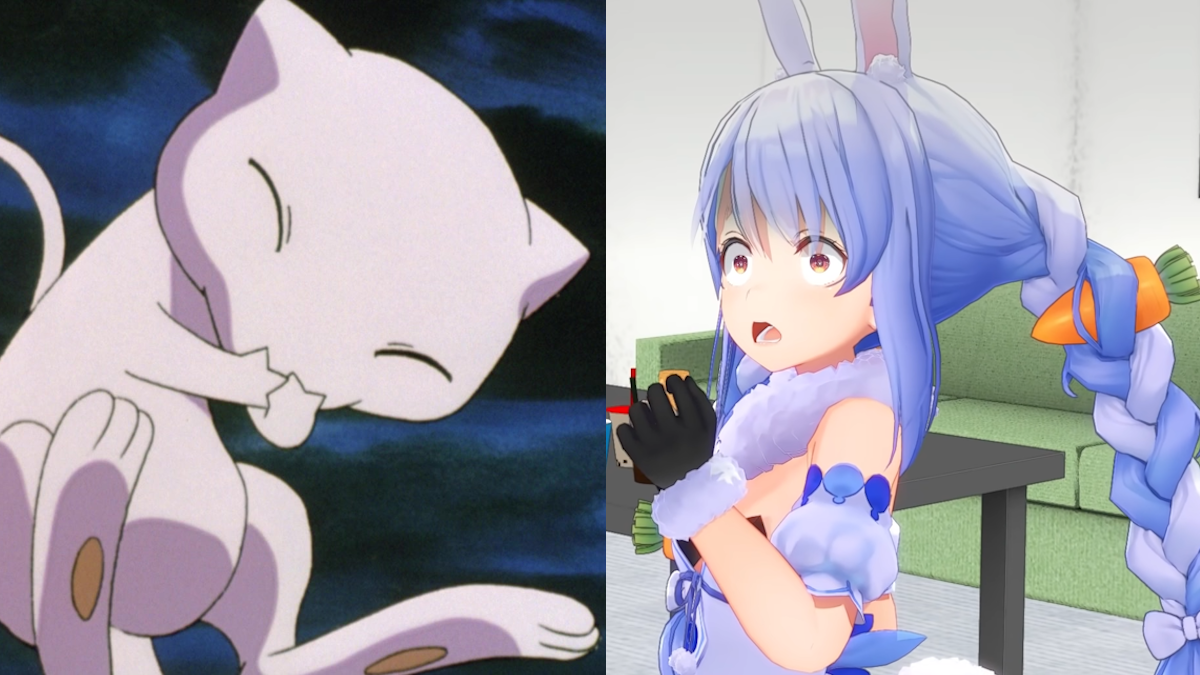
The Quest for the Old Sea Map
The controversy began with a seemingly benign goal: Usada Pekora, a popular personality known for her mischievous and high-energy broadcasts, decided to play Pokémon Emerald, the classic 2004 Game Boy Advance title. To enhance the experience, Pekora sought to acquire a physical copy of the game through secondary auction markets. Her specific objective was to find a cartridge that contained the rare, event-exclusive "Old Sea Map," an item that allows players to travel to Faraway Island to catch the mythical Pokémon Mew.
The Old Sea Map was only distributed during specific, real-life events in Japan in 2005. Because these events concluded nearly two decades ago, obtaining an authentic, un-wiped cartridge containing the item is exceptionally rare. During her live stream, Pekora was visibly elated to discover that her second-hand copy appeared to contain both the Old Sea Map and the "Mystic Ticket"—another rare item used to encounter Lugia and Ho-Oh.
However, her excitement was short-lived. Viewers in her chat, well-versed in the nuances of retro hardware, began to voice suspicions that the cartridge was not a genuine, untouched relic, but a "hacked" or "repro" (reproduction) cart. These cartridges are often mass-produced or modified to include pre-loaded save files, injected event items, or even altered ROM data.
A Chronology of the Incident
The events surrounding the stream unfolded rapidly over the course of one week in April:

- The Stream: Pekora broadcast her Pokémon Emerald session, showcasing her discovery of the event items and expressing her determination to hunt for a "Shiny" Mew.
- Public Scrutiny: Following the stream, the internet began to debate the authenticity of the cartridge. The debate centered on the physical labeling of the "Mystery Gift" card, which some fans argued did not match original documentation, suggesting the game data had been tampered with.
- Corporate Intervention: Within five days, the situation escalated from a fan debate to a formal business issue. Hololive Productions, the agency behind Pekora, announced that it had entered into direct discussions with Nintendo regarding the stream.
- The Deletion: In accordance with Nintendo’s request, the archived VOD (Video on Demand) of the Pokémon Emerald stream was made private, effectively removing it from the public eye.
- Official Statement: Hololive released a formal notice to fans, apologizing for the incident and outlining a shift in their internal procedures regarding game distribution.
- The Resolution: Pekora addressed her audience in a subsequent stream, explaining that she would cease her attempts to catch Mew, citing concerns that the cartridge was likely a modified, unofficial product.
The Legal Landscape: Japan’s Unfair Competition Prevention Act
To understand why Nintendo—and by extension, Hololive—reacted with such severity, one must look at the specific legal environment in Japan. In 2019, the Japanese government amended the Unfair Competition Prevention Act to bolster protections for software developers and intellectual property holders.
While the amendment was initially intended to curb the illicit resale of game keys and digital licenses, it also cast a wide net over the modification of hardware and software. Under this law, the distribution of tools meant to alter save data, as well as the sale of unauthorized software, is illegal. Penalties for violating these statutes are severe, including fines of up to ¥5 million ($34,870 USD) and prison sentences of up to five years.

Recent history in Japan underscores that these are not empty threats. In April 2024, a man was arrested for selling "modded" Pokémon in Pokémon Scarlet and Violet. Later that same year, another individual was apprehended for selling save data for Pokémon Sun that contained hundreds of illegally obtained event-exclusive creatures. Perhaps most significantly, a 58-year-old man was recently given a suspended prison sentence for selling modded Nintendo Switch consoles that allowed for the playing of pirated games. For Nintendo, maintaining a zero-tolerance policy against any form of unauthorized modification—whether it is a $30 Pokémon save file or a modded console—is a core component of their brand protection strategy.
Official Responses and Corporate Compliance
Hololive’s response was characteristically professional and cautious. In their public statement, the agency noted that they had "consulted with Nintendo Corporation" and agreed to several conditions. These included making the video private to prevent "misunderstanding," avoiding future projects that might risk violating Nintendo’s strict streaming guidelines, and implementing more rigorous internal training for their talents.
The agency’s tone was apologetic, emphasizing the need for fans to enjoy content with "peace of mind." They also explicitly requested that fans refrain from contacting their talents directly regarding the issue—a clear attempt to de-escalate the harassment that often follows such controversies.
For many Western viewers, the reaction felt disproportionate, with many pointing to the fact that Pokémon Emerald is an aging title that is no longer being sold new by Nintendo. However, for a Japanese corporation operating in a country with strict copyright enforcement, the issue is not about the age of the game, but about the precedent of allowing the use of modified hardware on a massive public platform. By allowing the stream to remain, Hololive could have been perceived as tacitly endorsing or ignoring the use of hacked game files, which could have strained their working relationship with Nintendo.

Implications for the Future of Streaming
The "Mew" incident illustrates a growing divide between the "Wild West" culture of early internet streaming and the increasingly corporatized reality of professional VTubing.
1. The Death of the "Grey Zone"
For years, streamers have operated in a grey area, playing retro games using emulators or second-hand hardware without much pushback from developers. This incident proves that even the largest agencies are not immune to the demands of IP holders. Future streams will likely require more rigorous pre-screening of hardware and software to ensure that everything used is 100% authentic and compliant with developer guidelines.

2. The Burden of Responsibility
The responsibility now falls squarely on the agencies to educate their talents. As Hololive mentioned in their statement, they are "improving the flow for implementing the project." This likely means that before a talent launches a new game series, there will be a bureaucratic layer of approval to verify that the game is legal, the hardware is legitimate, and the stream does not violate any specific developer terms of service.
3. The Chilling Effect on Retro Content
While this might prevent legal issues, it also creates a chilling effect on retro gaming content. Part of the appeal of watching a streamer play Pokémon Emerald is the potential for discovering rare, "glitchy," or unexpected elements—the very things that often make retro carts desirable. If streamers must stick to strictly "clean" and "verified" software, the organic, unpredictable nature of retro gaming streams may diminish.

Conclusion: A Lesson in Caution
Usada Pekora, despite her initial disappointment, handled the situation with the grace expected of a top-tier entertainer. By ultimately deciding to abandon the quest for the Shiny Mew and pivoting to Pokémon Fire Red, she demonstrated a willingness to prioritize the health of her agency’s relationship with developers over her personal gaming goals.
The incident remains a landmark moment for the VTuber industry. It serves as a stark reminder that as the industry matures, the legal protections surrounding video games will only become more robust. For creators, the message is clear: when dealing with major IP holders, there is no such thing as a "harmless" hacked cartridge. In the world of modern digital entertainment, compliance is just as important as creativity. As the industry moves forward, both agencies and individual creators will need to tread carefully, ensuring that their pursuit of nostalgia does not inadvertently lead them into a legal quagmire.









No comments yet. Be the first to join the conversation!