The landscape of open-source development is currently undergoing a tectonic shift. In a landmark decision that highlights the growing friction between human-led collaboration and automated efficiency, the Godot Foundation—the steward of one of the world’s most popular open-source game engines—has officially amended its contribution guidelines. Effective immediately, the project has implemented a strict ban on AI-authored code, pull requests (PRs) submitted by AI agents, and AI-generated text in human-to-human communications within its repository.
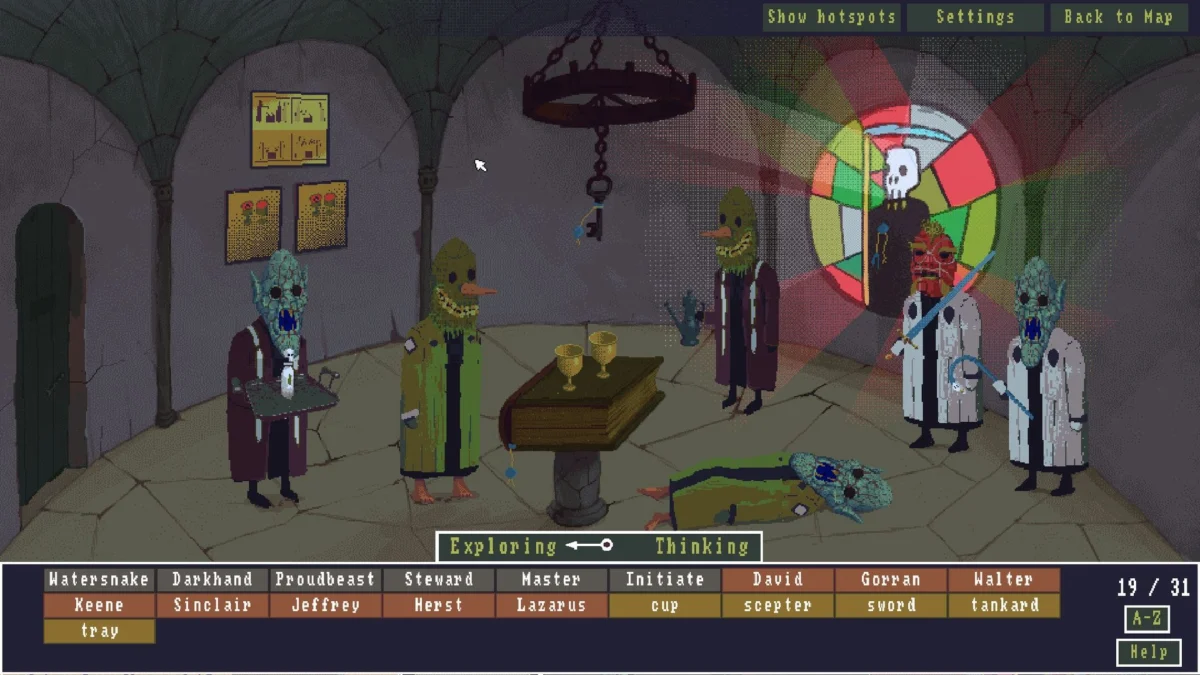
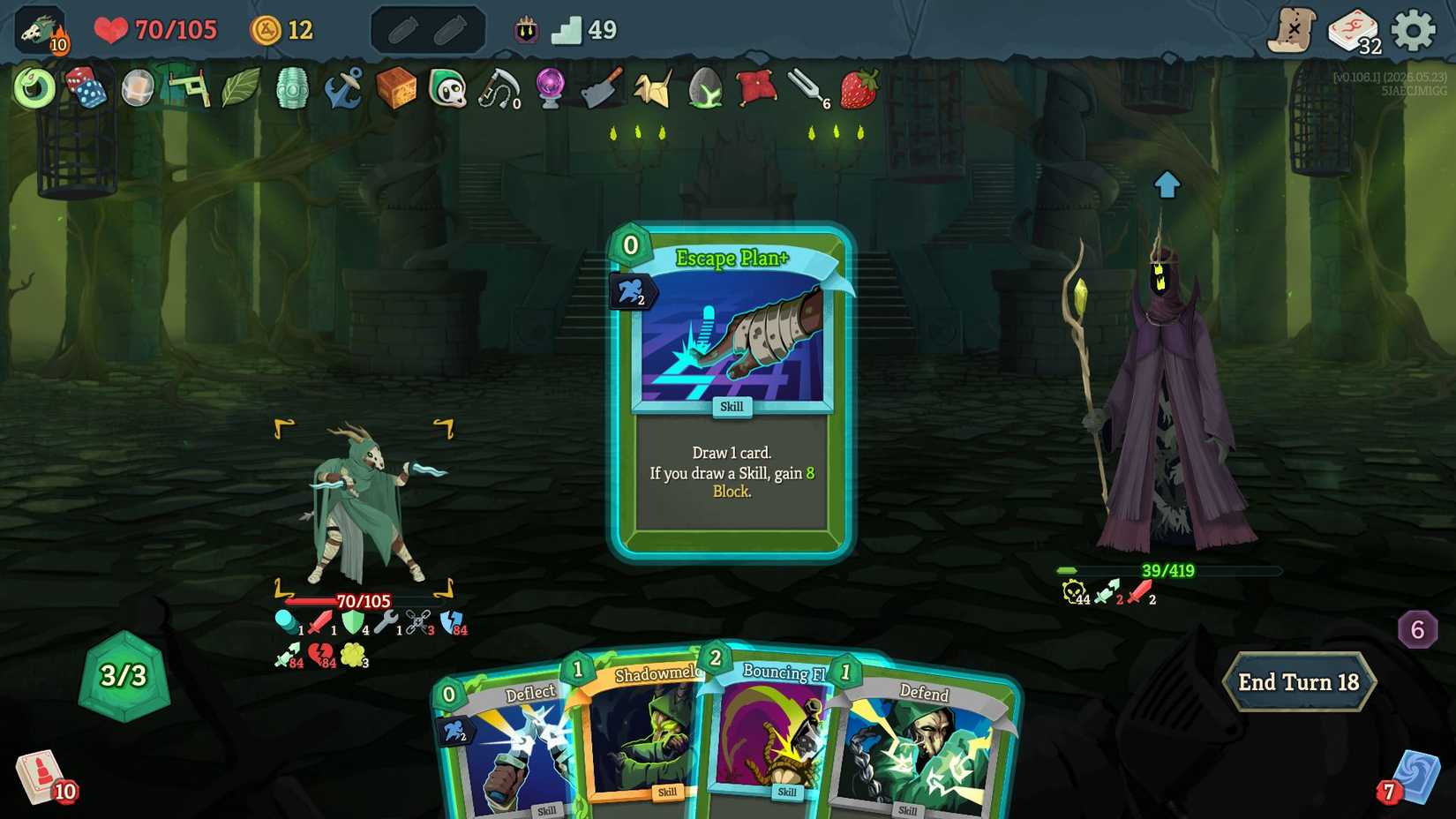
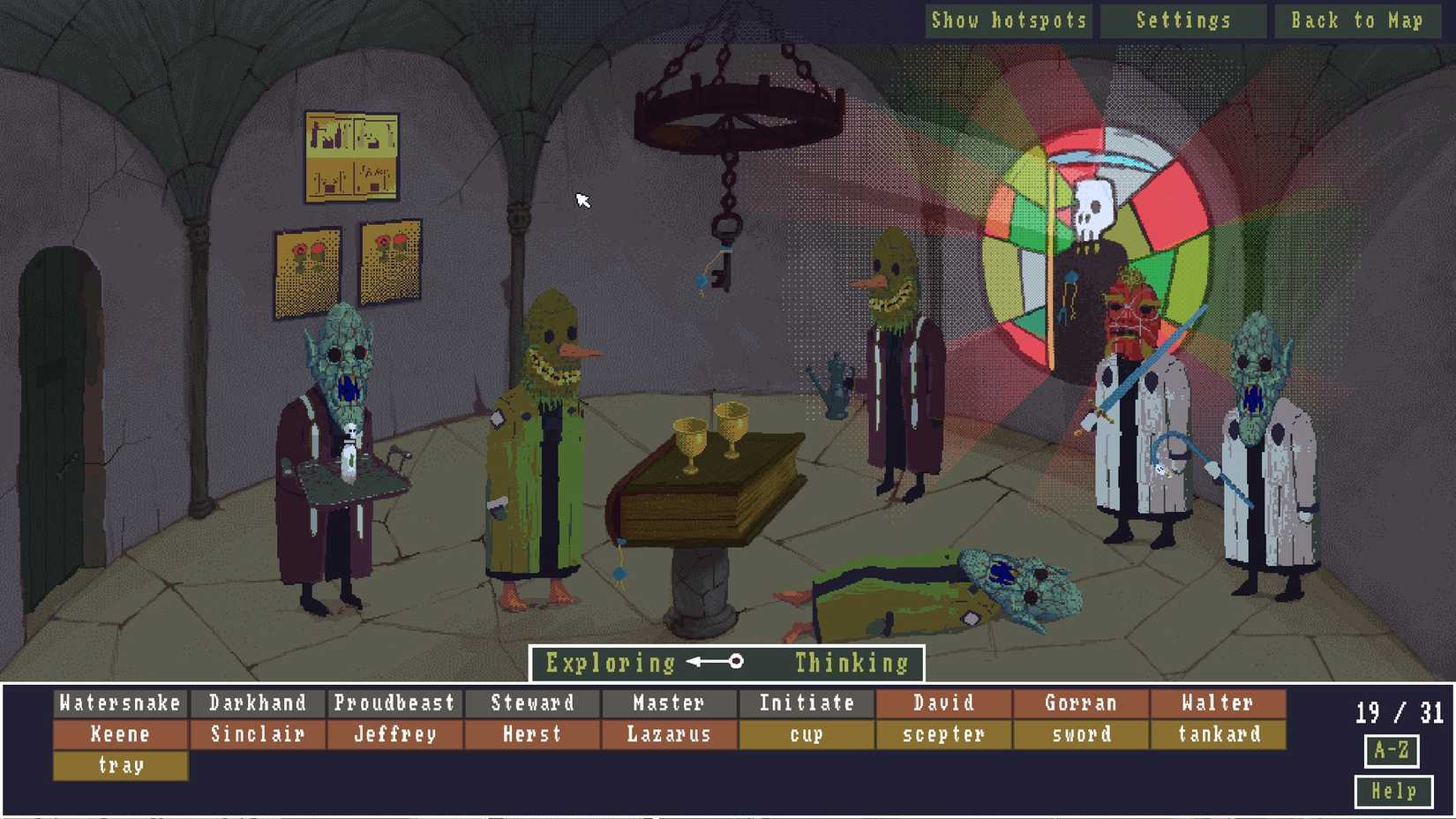
This policy shift, while seemingly restrictive, represents a defensive maneuver to protect the soul of open-source software: the human-to-human mentorship and collaboration that sustains projects like Godot, which powers acclaimed titles such as Slay the Spire 2 and The Case of the Golden Idol.
A Chronology of the Crisis: From "Demoralizing" to Banned
The move was not a sudden impulse but the culmination of months of mounting tension. As early as February 2026, maintainers of the Godot engine began signaling that the influx of AI-generated content was becoming unsustainable.
In public discussions, core developers described the experience of reviewing AI-driven pull requests as "increasingly draining and demoralizing." The issue was not merely the quality of the code—though that remained a significant point of contention—but the sheer volume. The automated generation of code allowed contributors to flood the queue, overwhelming a small, volunteer-based team of maintainers who were already stretched thin. By the end of June 2026, the Foundation determined that the "noise" had reached a threshold that threatened the health of the entire project, leading to the formal adoption of the new, restrictive guidelines.
The Policy Breakdown: Defining the Boundaries
The Godot Foundation has been precise in its language, ensuring that the ban on AI does not unfairly penalize developers who use modern tools in a limited, supportive capacity. The policy can be distilled into three core tenets:
1. The Ban on Autonomous Agents
The most stringent aspect of the policy is the total prohibition of autonomous AI agents and "vibe coding"—a colloquial term for using AI to generate code based on vague, high-level prompts. Any submission originating from an automated agent will trigger an immediate ban from the repository. The Foundation is clear: code must be written by a human who understands the logic behind it.

2. Limitations on AI-Assisted Code
The Foundation recognizes that modern development often involves minor AI assistance. Consequently, the use of AI is restricted to "menial" tasks. This includes standard code completion, regex generation, or simple find-and-replace operations. If a contributor uses AI for these limited purposes, they are now required to disclose it during the PR discussion. Substantial pieces of code generated by large language models (LLMs) are strictly forbidden.
3. Protecting Human Discourse
Perhaps the most unique aspect of the policy is the requirement for human-to-human communication. Maintainers view their role as mentors, and they expect to interact with human contributors. Automated or AI-generated responses in comment threads are now banned, as the Foundation argues that a human volunteer’s time is a finite resource that should not be wasted on automated interactions. The only exception remains machine translation, provided the core message is human-authored.
Parallel Constraints: Building Trust Incrementally
Beyond the specific AI prohibitions, the Foundation has implemented a new structural policy to manage the backlog of contributions. Moving forward, "new contributors"—defined as those with three or fewer merged pull requests—are restricted from submitting major features or significant refactorings.

This policy is designed to foster a culture of quality over quantity. By requiring new contributors to start with bug fixes and documentation, the Foundation ensures that developers understand the codebase’s architecture before attempting high-stakes changes. It is a system built on incremental trust, a stark contrast to the "fire-and-forget" mentality often associated with AI-driven development.
The Technical Argument: Quality and Accountability
The technical case against AI-generated code in complex projects like game engines is well-documented. The Godot Foundation points to three primary concerns:
- Quality Variance: AI models often produce code that is syntactically correct but functionally flawed or architecturally unsound within the context of a massive game engine.
- Accountability Gaps: When a piece of AI-generated code fails, the contributor who submitted it often lacks the foundational knowledge to debug or fix it. This leaves maintainers in a position where they must either rewrite the code themselves or spend hours guiding a contributor through a process the contributor didn’t understand in the first place.
- Maintainability: Codebases are not just about functionality; they are about long-term readability and maintenance. AI-generated code often ignores project-specific conventions, creating a "technical debt" that burdens future developers.
The Human Argument: The Sustainability of Open Source
The most compelling aspect of the Godot Foundation’s announcement is its emphasis on the "social contract" of open-source development. Open-source software is not a product manufactured by a corporation; it is a community-driven endeavor.
Maintainers are volunteers. Their motivation is not solely monetary; it is fueled by the reward of mentoring others, fostering a community, and building something of lasting value. When a maintainer spends their Saturday reviewing a pull request, they are making an investment in a person. They are teaching a contributor how to write better code, how to navigate the engine’s architecture, and how to become a future maintainer.
AI-generated contributions break this cycle of mentorship. A machine cannot be mentored; it cannot learn to be a future contributor or a project lead. When the feedback loop is interrupted by a machine, the incentive for the human maintainer to continue their volunteer work evaporates. The Godot Foundation has correctly identified that if they allow this to continue, they risk burning out their most valuable human assets.
Broader Implications for the Gaming Industry
The Godot Foundation’s decision serves as a warning shot to other open-source projects and, by extension, the wider tech industry. We are currently in an era where the temptation to use AI to scale output is high, but the cost of that scaling—in terms of quality and human burnout—is rarely calculated until it is too late.

Companies like Krafton have recently moved toward "AI-first" environments, including the automation of HR and development workflows. While such moves are framed as efficiency gains, the Godot approach suggests that there is a "human cost" to such automation.
If major open-source projects follow suit, we may see a bifurcation in the tech world: a space for "AI-generated" repositories that prioritize speed and quantity, and a space for "Human-authored" repositories that prioritize long-term stability, mentorship, and craftsmanship.
A Pro-Human Stance
The Godot Foundation’s new policy is not an act of Luddism. It is a pragmatic, well-reasoned decision to preserve the integrity of the project. By drawing a line in the sand, they are affirming that while technology is a tool to be used, it cannot be a substitute for the human intuition, accountability, and collaborative spirit that drives innovation.
As the industry grapples with the integration of AI, the Godot Foundation’s stance provides a blueprint for sustainability. They are betting that in the long run, the value of human expertise, mentorship, and community-driven development will outweigh the short-term gains of automated generation. For developers who care about the future of open-source software, the message is clear: the code is only as strong as the community that writes it.