Basiran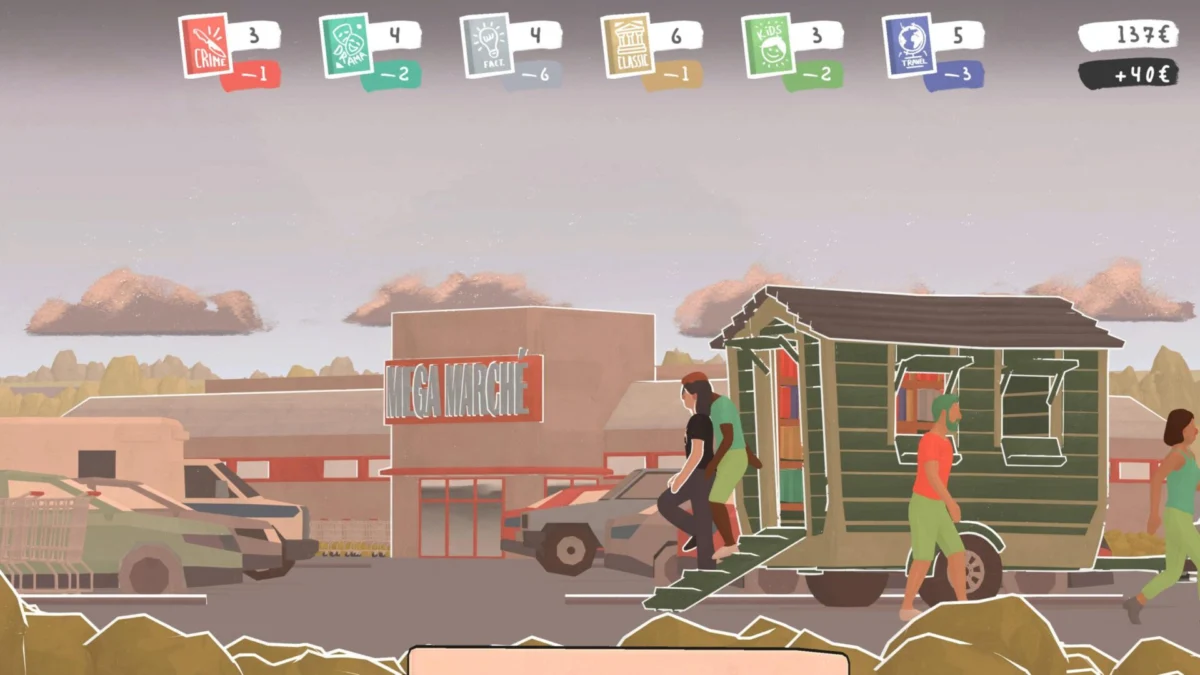
The landscape of mobile gaming is frequently criticized for its reliance on aggressive monetization strategies, intrusive advertisements, and "pay-to-win" mechanics. However, developer neoludic is set to challenge that paradigm with the mobile port of their critically acclaimed title, Tiny Bookshop. On July 9th, the cozy, slice-of-life management simulation will make its debut on Android and iOS, offering a premium, distraction-free experience for players looking to curate their own mobile literary haven.
The Core Concept: Managing a Traveling Literary Oasis
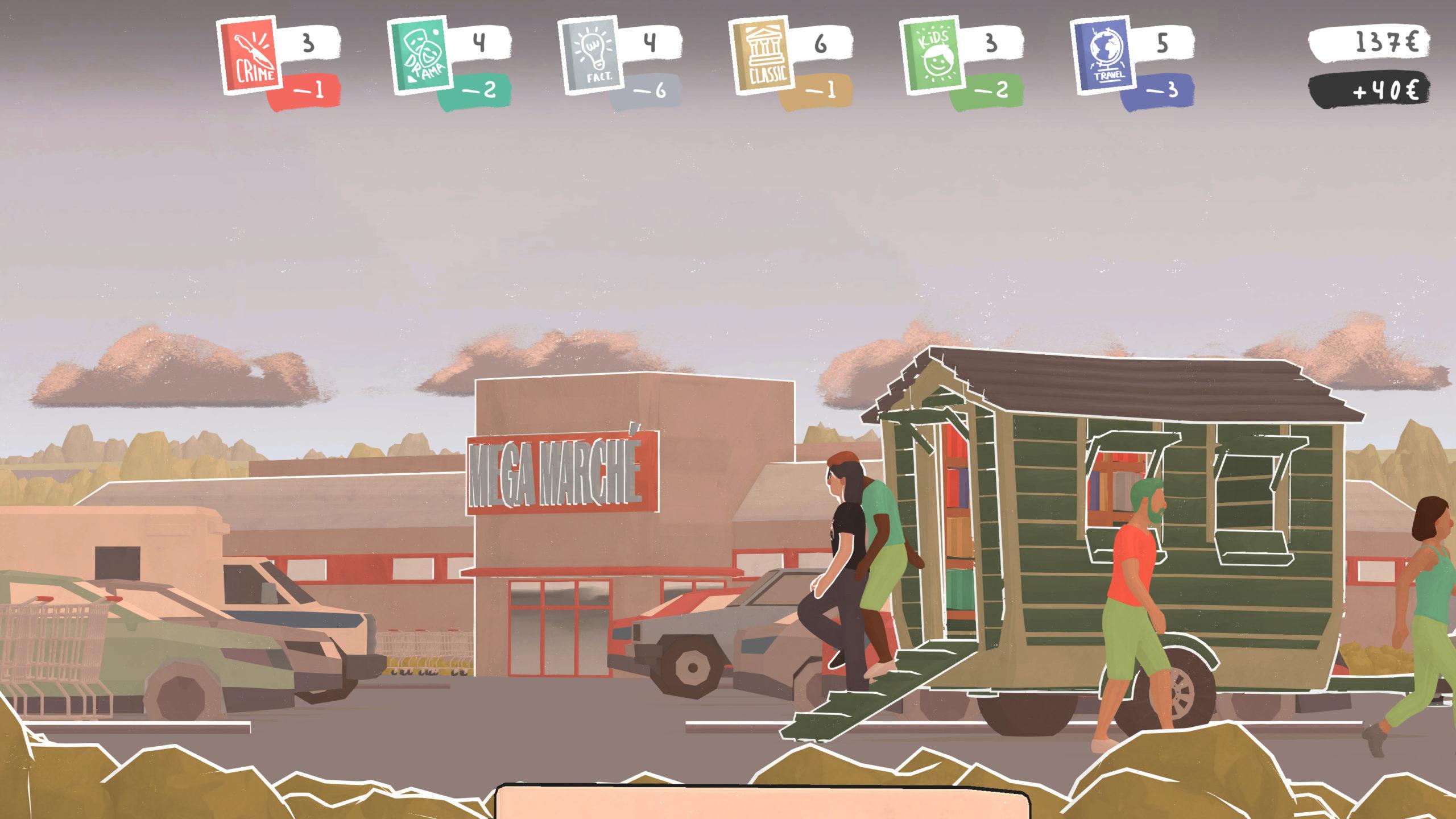
Tiny Bookshop places players in the shoes of a bookstore owner operating out of a charming, mobile trailer. The game functions as a management simulation with a heavy emphasis on narrative and atmosphere. Players travel from town to town, selecting which books to stock, organizing their shelves to attract specific demographics, and—most importantly—engaging with the diverse inhabitants of the town of Bookstonbury.
The gameplay loop is designed to be restorative rather than stressful. By balancing the inventory of their shop with the needs of the community, players uncover personal stories and build relationships. It is a game defined by its "cozy" aesthetic, prioritizing relaxation, soft visuals, and meaningful character interactions over high-stakes conflict.
Chronology: From Indie Gem to Pocket-Sized Success
The journey of Tiny Bookshop reflects the trajectory of many successful indie projects that find their footing through community engagement and iterative design.
- Initial Development: The project began as a labor of love for the team at neoludic, with a focus on creating a game that captured the "slow living" movement.
- PC Reception: Upon its initial release, the game garnered praise for its quaint writing and low-pressure gameplay. Reviewers highlighted the charm of the NPCs, noting that the game’s strength lies in its ability to make the player feel like a fixture of the community rather than just a shopkeeper.
- The Porting Phase: Recognizing the inherent compatibility between the game’s slow-paced design and mobile devices, the developers committed to a touch-first interface. This was not a simple conversion; the team spent months ensuring that the UI felt native to touchscreens, emphasizing the tactile nature of organizing books and interacting with customers.
- July 9th Launch: With the mobile version slated for a mid-summer release, neoludic aims to capture a demographic of players who prefer shorter, meaningful sessions during commutes or quiet evenings.
Supporting Data and Monetization Philosophy
One of the most significant aspects of the Tiny Bookshop mobile release is its commitment to a "player-first" business model. In an era where mobile storefronts are saturated with free-to-play titles that rely on microtransactions to sustain development, neoludic has opted for a transparent approach:
- The Demo Model: The mobile app will launch with a comprehensive free-to-play demo, allowing prospective players to experience the game’s atmosphere and mechanics before committing to a purchase.
- Premium Access: The full game is unlocked via a single, one-time purchase.
- Ad-Free Experience: The developers have explicitly confirmed there will be no in-game advertisements, ensuring that the immersion of the game’s cozy world is never interrupted by pop-ups or forced viewing.
- No Microtransactions: There are no "currency packs" or "speed-ups." The game is sold as a complete, finished product, respecting the player’s time and financial investment.
This strategy serves as a litmus test for the mobile market. If successful, Tiny Bookshop could provide a case study for other indie developers that premium, high-quality experiences can thrive on mobile platforms without resorting to the "freemium" model that dominates the charts.
Official Responses and Developer Vision
The transition to mobile was a deliberate choice driven by the developers’ desire to make the game’s world accessible in more intimate settings. David Zapfe-Wildemann of neoludic highlighted the philosophy behind the port:
"Bookstonbury was always the kind of place you should be able to carry around with you," Zapfe-Wildemann stated. "Mobile is the natural home for a game like this: slow afternoons, long commutes, the last quiet half hour before sleep. We built the touch version to feel like it belongs there."
This sentiment echoes the feedback from early reviewers, who often described the game as a sanctuary. By moving away from the desktop environment, neoludic is positioning the game as a digital companion, emphasizing the portability of the experience. The development team has worked extensively to ensure that the "touch-first" interface feels intuitive, allowing players to drag and drop books and navigate dialogue trees with the ease one might expect from a physical book.
Critical Analysis: The Experience of the Reader-Manager
In previous reviews of the title, critics pointed to the unique narrative depth provided by the game’s characters. A recurring highlight is the way the game handles customer dialogue. When special customers enter the shop, they bring with them specific, character-driven narratives that define their presence in Bookstonbury.
While the writing is consistently lauded as "quaint and interesting," some early feedback did suggest that the pacing of the text could be improved. Critics noted that during the PC version’s early run, the dialogue would occasionally linger, creating a slight disconnect for readers who wanted to consume the text at their own pace. It is expected that the mobile port, with its emphasis on refined UI, will address these quality-of-life adjustments, allowing for a more fluid reading experience that fits the "slice-of-life" genre perfectly.
Implications: The Future of Cozy Games on Mobile
The arrival of Tiny Bookshop on mobile devices carries broader implications for the indie games industry.
1. The Rise of "Slow Gaming"
There is a growing demand for games that do not demand constant engagement or "grinding." Tiny Bookshop represents a subset of the industry that views games as a form of digital mindfulness. By bringing this to mobile, neoludic is tapping into a market segment that uses their phones to decompress rather than compete.
2. The Viability of Premium Mobile Ports
Many developers are wary of the mobile market due to the perceived "race to the bottom" in terms of pricing. Tiny Bookshop serves as a proof-of-concept that high-quality, narrative-driven titles can find an audience on Android and iOS without compromising their design integrity. If the game performs well, it may encourage larger studios to port their own "cozy" titles to mobile, further diversifying the app stores.
3. Accessibility and UI Design
The success of this port will largely hinge on how well the touch controls mimic the precision of a mouse. If the developers have successfully created a "touch-first" environment, they will have set a new standard for how management games can function on smaller screens. The reliance on intuitive gestures rather than complex menu navigation is a key factor in making this game accessible to non-traditional gamers—a demographic that mobile gaming companies have been trying to reach for years.
Conclusion: A Welcome Addition to the Mobile Library
Tiny Bookshop is more than just a game; it is an invitation to slow down. As the release date of July 9th approaches, the anticipation among fans of the cozy game genre is palpable. By refusing to compromise on their vision, neoludic is not just delivering a mobile port—they are delivering a promise.
For the mobile gamer, the prospect of a high-quality, narrative-heavy simulation that respects their intelligence and their time is a refreshing change of pace. Whether you are a fan of management games, a bibliophile, or simply someone looking for a quiet moment in a busy world, Tiny Bookshop offers a unique, portable, and deeply personal experience. In a marketplace often filled with noise, this little bookstore promises to be a quiet place where stories—both the ones in the books and the ones the players create—can truly flourish.


 Layla Zulfa
 Laily UPN