

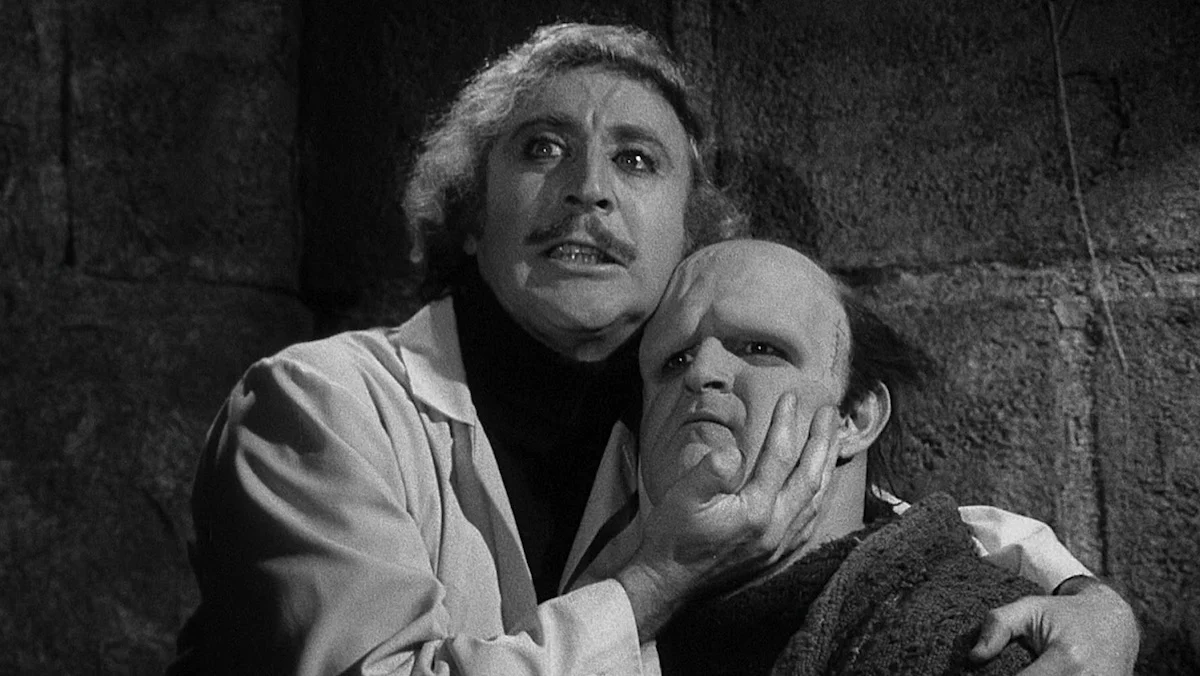
For decades, Mel Brooks has stood as the undisputed titan of cinematic parody. With an uncanny ability to dismantle the tropes of Hollywood’s most sacred genres, Brooks transformed the western in Blazing Saddles, poked fun at the grandeur of space opera in Spaceballs, and dissected the psychological tension of Alfred Hitchcock in High Anxiety. Yet, among his expansive filmography, none achieved the delicate, alchemical balance of reverence and irreverence quite like 1974’s Young Frankenstein.
Now, the legacy of that black-and-white masterpiece is set to be resurrected. In a major development for television comedy, FX has officially issued a straight-to-series order for Very Young Frankenstein, a new project that promises to marry the DNA of the original classic with the subversive, modern comedic sensibilities of the team behind What We Do in the Shadows.
The Creative Powerhouse Behind the Resurrection
The announcement, first reported by Deadline, has sent waves of excitement through the industry. The series is spearheaded by the creative trio of Stefani Robinson, Taika Waititi, and Garrett Basch—the same visionary team responsible for the critical and commercial success of FX’s What We Do in the Shadows.
Robinson, who has carved out a reputation for razor-sharp wit and cultural commentary, has penned the pilot script. Taika Waititi, known for his distinct visual flair and improvisational comedic style, has stepped behind the camera to direct. The ensemble cast is equally formidable, featuring the inimitable Zach Galifianakis in a lead role. Joining him are Dolly Wells, Spencer House, Nikki Crawford, and the incomparable Kumail Nanjiani. Notably, the production also features Cary Elwes, a veteran of the "Brooks-verse" who famously starred in Robin Hood: Men in Tights, further cementing the link between the classic era of parody and this new television venture.
A Chronology of Parody: From 1974 to the Present
To understand the weight of this new series, one must look at the historical context of the original Young Frankenstein. Released in 1974, the film was a labor of love for Mel Brooks and Gene Wilder. While Abbott and Costello Meet Frankenstein (1948) had previously attempted to blend horror with comedy, Young Frankenstein achieved something far more profound: it served as a genuine love letter to the original Universal Monsters films.
By utilizing the original sets from the 1931 Frankenstein and employing black-and-white cinematography, Brooks and Wilder created a film that felt like a lost artifact of the golden age of horror. It was a parody, yes, but it was built on a foundation of deep, genuine affection for the source material.
The path to Very Young Frankenstein has been long and paved with a deep appreciation for this specific brand of humor. Following the conclusion of What We Do in the Shadows, which successfully adapted a cult-classic film into a multi-season television juggernaut, the industry began to speculate on what Robinson and Waititi would tackle next. Their ability to manage an ensemble cast while balancing supernatural elements with mundane, human-centric comedy makes them the ideal architects for a Young Frankenstein revival.
Supporting Data and the Evolution of FX Comedy
FX has long been the home of "prestige" comedy, prioritizing creator-driven projects that push boundaries. The network’s history—from It’s Always Sunny in Philadelphia to Atlanta—suggests a comfort with projects that defy easy categorization.
Very Young Frankenstein fits neatly into this strategy. By taking a "fan-favorite" property and filtering it through the "inventive, irreverent spirit" that defines the network, FX is banking on a crossover audience. The data surrounding What We Do in the Shadows—which earned consistent acclaim and a dedicated cult following—provides the studio with a blueprint for success. The series is not merely a reboot; it is an original, series-length exploration of the Frankenstein mythos, designed to function as both a companion piece to the 1974 film and a standalone comedic entity.
Official Responses: A Vision for the Future
The reception from the executive suite at FX has been one of unbridled enthusiasm. Nick Grad, President of FX Entertainment, issued a statement reflecting on the nature of the project:
"Very Young Frankenstein blends inspiration from the fan-favorite movie with the inventive, irreverent spirit that has defined FX comedies over the years, making this a completely original take on the classic story. In the hands of FX veterans Stefani, Taika, and Garrett, alongside the iconic Mel Brooks, we know that fans will have as much fun watching this series as we’re having making it."
The involvement of Mel Brooks himself as an executive producer is perhaps the most significant stamp of approval. At 97 years old, Brooks remains an active participant in his legacy. Along with Michael Gruskoff and Kevin Salter, the production team represents a bridge between the old guard of Hollywood comedy and the new generation of showrunners who grew up idolizing their work.
Implications for the Industry and the "Brooks-aissance"
The greenlighting of Very Young Frankenstein occurs in a climate where intellectual property (IP) is king, but audiences are increasingly wary of "lazy" reboots. This series, however, feels different. By bringing in a team that has already proven they can honor the spirit of an existing property while reinventing it for a modern audience, FX is setting a new standard for how classic films can be adapted for television.
Furthermore, this news arrives amidst a broader resurgence of interest in Mel Brooks’ catalog. With a long-awaited Spaceballs sequel also currently in development, we are entering a "Brooks-aissance." For the dedicated fan, this is a golden age. The return of these properties suggests that there is a hunger for the specific kind of intelligent, slapstick, and occasionally absurd comedy that Brooks pioneered.
The Challenges of Modernizing Classic Humor
The primary challenge for Robinson and Waititi will be navigating the shift in cultural sensibilities. Comedy in the 1970s operated under a different set of social mores than comedy in the 2020s. However, the success of What We Do in the Shadows proves that the team is more than capable of navigating these waters. They have shown an aptitude for creating humor that is inclusive and contemporary, without losing the biting, often anarchic, edge that made the original films work.
What to Expect: Tone and Narrative
While specific plot details remain under wraps, the title Very Young Frankenstein implies a potential origin story or a focus on a younger, perhaps even more inept, generation of the Frankenstein lineage. Given the involvement of Zach Galifianakis, one can expect a performance that leans into the awkward, high-anxiety energy that Gene Wilder perfected, while simultaneously carving out a unique comedic space.
The collaboration with Taika Waititi also suggests a visual language that will be distinct. Waititi’s work often features saturated colors or, in the case of his darker projects, a stark, deliberate aesthetic. Whether the series will maintain the black-and-white aesthetic of the 1974 film or modernize it remains to be seen, but the choice will undoubtedly be a key factor in the show’s overall tone.
Conclusion: A Legacy Refreshed
The announcement of Very Young Frankenstein is more than just a press release; it is a promise of quality in an era of media saturation. By pairing the comedic genius of the past with the visionary showrunners of the present, FX has positioned itself to deliver one of the most anticipated series of the coming years.
For the casual viewer, it is a chance to see a fresh take on a classic character. For the Mel Brooks devotee, it is a sign that the master’s influence continues to permeate the very fabric of television comedy. As the production gears up, one thing remains certain: the world is ready to shout "It’s alive!" all over again.
Whether the series will capture the same lightning in a bottle as the 1974 film remains to be seen, but with the pedigree of the creative team involved, the odds are firmly in their favor. The experiment is underway, and the results, if the history of these creators is any indication, will be nothing short of monstrously entertaining.










No comments yet. Be the first to join the conversation!