

In the landscape of modern cinema, few filmmakers possess the gravity to translate ancient epic poetry into a contemporary blockbuster with the intensity of Christopher Nolan. His latest cinematic venture, an adaptation of Homer’s The Odyssey, has not only dominated the global box office—challenging the records set by his own Oppenheimer—but has also sparked a profound cultural conversation regarding its central thematic pillar: "Zeus’ Law."
While Nolan is often associated with the high-concept mechanics of time and physics, his take on this foundational Greek epic pivots toward the sociological. By stripping away much of the overt supernatural interference—with the notable exception of Zendaya’s grounded portrayal of Athena—Nolan transforms the myth into a harrowing meditation on human survival, morality, and the fragile tether of civilization.
The Core Tenets of Zeus’ Law: Beyond the Golden Rule
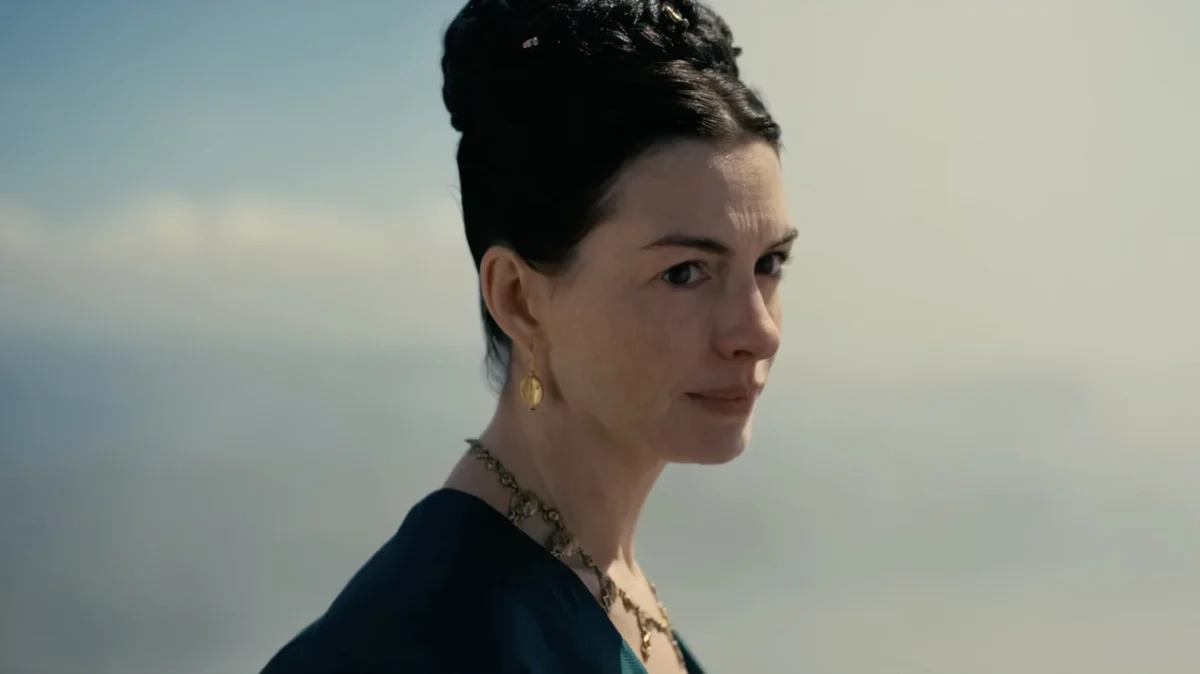
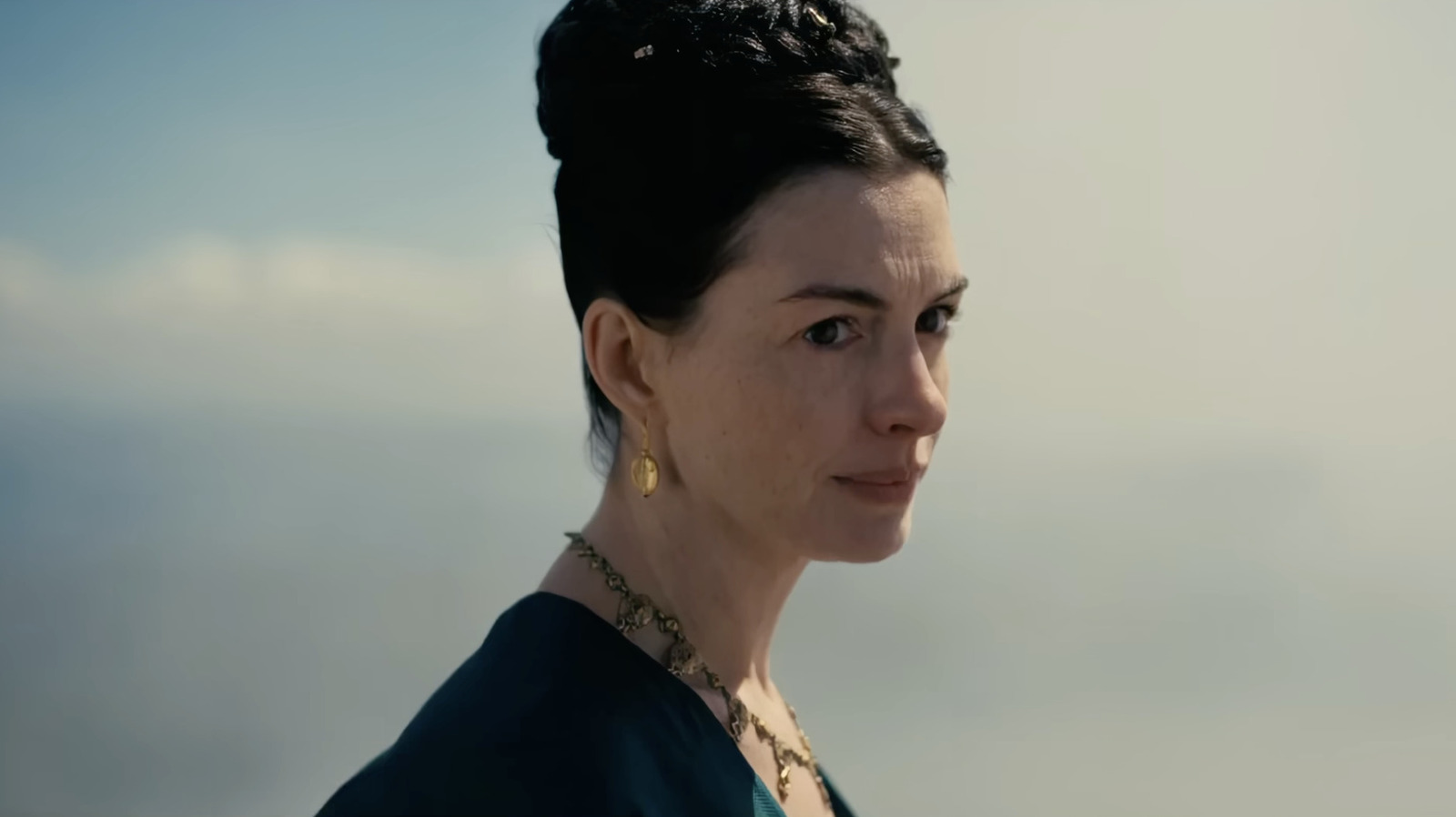
At its narrative heart, the film constantly circles back to the concept of "Zeus’ Law." While characters like Penelope (Anne Hathaway), Telemachus (Tom Holland), and the titular Odysseus (Matt Damon) invoke it with varying degrees of reverence and desperation, its definition remains consistent: it is the ancient, immutable mandate of radical hospitality and reciprocity.
In the world of the film, Zeus’ Law is presented as the foundational "Golden Rule." It dictates that one must treat a stranger with the same dignity and care that one would wish to receive. This is intrinsically tied to the Greek concept of xenia—the sacred duty of the host to provide for the guest. As demonstrated in one of the film’s most poignant sequences, when Penelope welcomes a weathered, unrecognizable beggar into her home, she does so not out of charity, but out of a strict adherence to this law. She acknowledges that the stranger could be anyone—even a god in disguise—and that failure to offer sanctuary is not merely a social faux pas, but a cosmic transgression.
Chronology of a Moral Crisis
To understand why "Zeus’ Law" carries such weight in Nolan’s vision, one must look at the chronology of the narrative’s moral decay. The film establishes early on that the world is in a state of precarious flux.
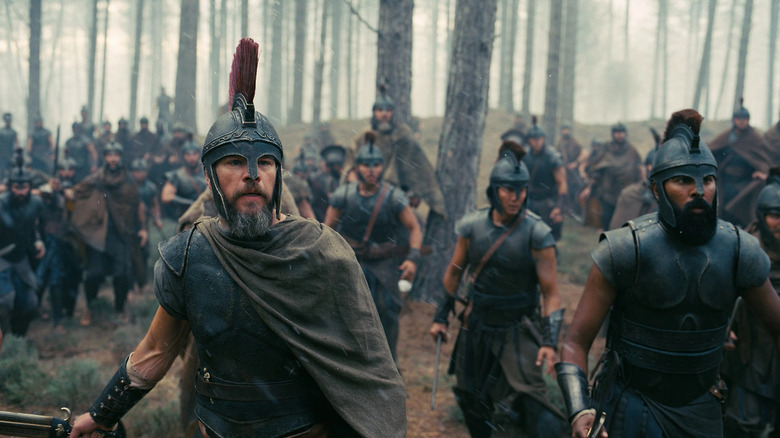
- The Siege of Troy: The story begins not with a homecoming, but with a betrayal. The film’s depiction of the Trojan Horse—a sequence noted for its visceral, claustrophobic intensity—serves as the primary inciting incident for the moral decline of Odysseus.
- The Breaking of the Law: By using the Horse as a vehicle of deceit, Odysseus and his men weaponize the very hospitality they are expected to uphold. They violate the sacred trust of xenia to achieve military victory, setting the stage for their long, torturous journey home.
- The Exile and Memory: As Odysseus drifts through the Mediterranean, aided by the ethereal and intoxicating influence of Calypso (Charlize Theron), he loses his grip on his own history. His struggle to return home is depicted not just as a physical trek, but as an attempt to re-align himself with the laws of humanity he abandoned in the belly of the horse.
- The Reckoning: The final act, anchored by Matt Damon’s powerhouse monologue, forces the protagonist to confront the reality that his suffering was a direct consequence of his initial transgression. The law he broke in Troy became the architect of his own isolation.
Supporting Data: The Anatomy of a Modern Epic
Nolan’s The Odyssey is a masterclass in scale and restraint. By choosing to frame the gods as distant or human-bound, the burden of morality shifts entirely onto the shoulders of the mortals.
- Box Office Performance: Industry analysts are noting that the film’s reach is expanding at a rate that may soon eclipse Oppenheimer. This suggests that audiences are not only craving the spectacle of a Nolan film but are deeply invested in the philosophical questions he poses.
- The Absence of the Supernatural: By removing the "deus ex machina" elements typically found in Homeric adaptations, Nolan makes the stakes feel immediate. When a character mentions Zeus’ Law, they aren’t speaking of a distant deity; they are speaking of the survival of their own civilization.
- The Human Cost: The film’s production design, which emphasizes the grit of the ancient world, serves to highlight the vulnerability of the traveler. The message is blunt: in a world without safety nets, the kindness of a stranger is the only currency that matters.
Official Responses: Nolan on the Necessity of Kindness
In an extensive interview with The New York Times, Christopher Nolan addressed the relevance of such an ancient concept in the 21st century. His perspective is rooted in the idea that civilization is not a static state, but a constant practice.
"The greatness of the poem is such that you approach these things as if they’re foreign and ancient," Nolan explained. "Then, as you explore them, they suddenly become stunningly relevant. Zeus’s law, it’s the Golden Rule—treat as you would be treated—and with a theological underpinning in their world, that you might be a god in disguise."
Nolan further emphasized the "survivalist" aspect of the law. He noted that in the context of the film, anyone who leaves the safety of their home is essentially throwing themselves at the mercy of strangers. "That’s everything in terms of holding civilization together, or even defining civilization," he remarked.
This philosophy extended behind the scenes as well. Reports from People Magazine indicate that the cast—including Hathaway and Damon—found the collaborative atmosphere on set to be a reflection of the film’s themes. Nolan maintained that on a production of this magnitude, practicing "Zeus’ Law" through small acts of kindness and support was the only way to ensure the project could be completed successfully.
Implications: The Fragility of Civilization
The final, lingering question posed by Nolan’s The Odyssey is whether a society can survive without a shared moral code. By portraying the violation of Zeus’ Law as the catalyst for Odysseus’s years of agony, the film offers a cautionary tale.
The implication is clear: civilization is defined by how we treat those who have no power over us. When that empathy is replaced by deception, as seen in the Trojan Horse sequence, the foundations of the social contract begin to crumble. The film suggests that the "dire consequences" faced by Odysseus are not just punishments from the gods, but the natural outcome of a world that has ceased to value the humanity of the "other."
In the final assessment, The Odyssey is more than a historical epic; it is a mirror. It asks the audience to consider their own role in the preservation of civilization. If, as Nolan suggests, every traveler is a potential god in disguise, then the way we treat the stranger at our door may be the ultimate test of our own humanity. As the film continues to draw record-breaking audiences, it serves as a timely reminder that while gods may change, the law of human kindness remains the most essential, and fragile, structure we have.








