Nila Kartika Wati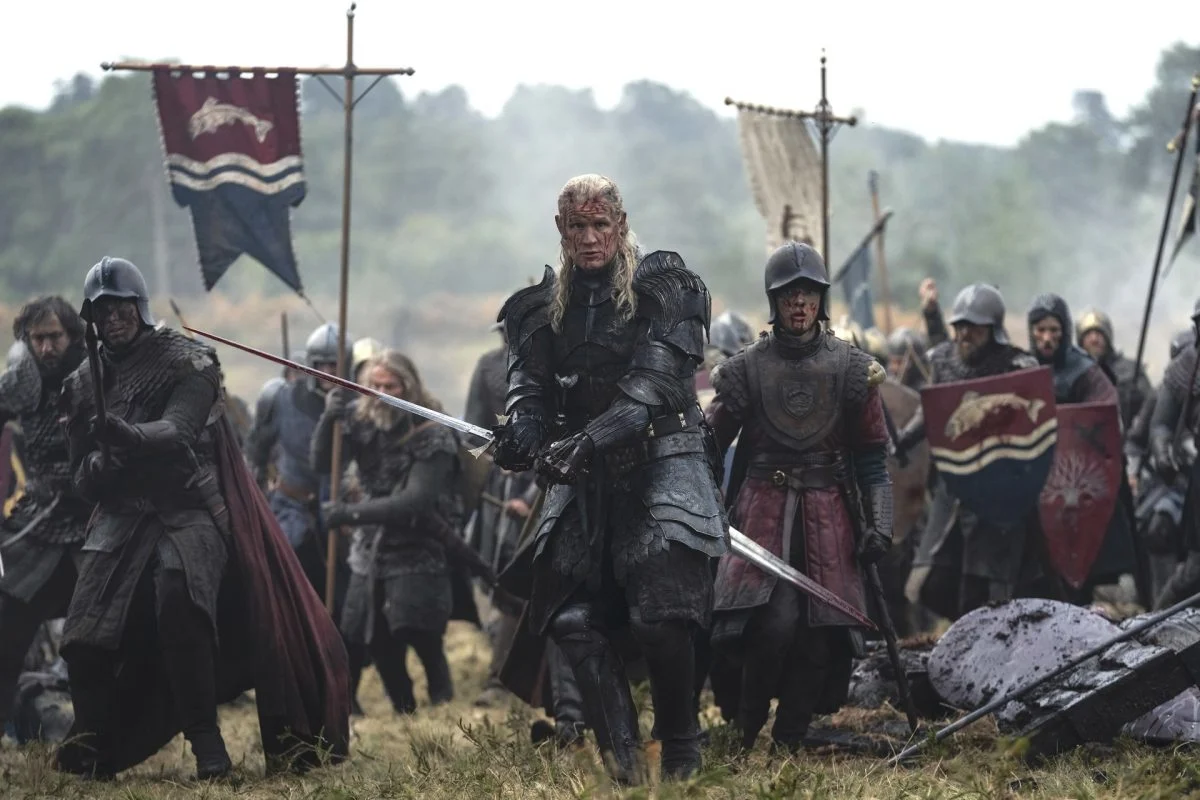
Following a second season that ignited fervent debate among both critics and the core A Song of Ice and Fire fanbase, HBO’s House of the Dragon is firmly looking ahead. Despite the controversy surrounding the pacing and narrative deviations of the previous installment, the production team is charging forward, promising that the third season will serve as a definitive escalation in the Targaryen civil war. As the series enters its penultimate chapter, the stakes have never been higher, the alliances more brittle, and the looming threat of dragon-fire more tangible.
Main Facts: The Path Toward the End
House of the Dragon Season 3 is officially confirmed to be the penultimate entry in the series, with HBO executive producers and showrunner Ryan Condal having mapped out a four-season arc for the prequel. The upcoming eight-episode run is set to debut on June 21, 2026, marking a return to the high-stakes political maneuvering and visceral combat that defined the series’ debut.

The primary narrative focus remains the "Dance of the Dragons," the brutal succession war that threatens to reduce the Seven Kingdoms to ash. While Season 2 was criticized by some for its focus on preparation rather than confrontation, the production has teased that the upcoming episodes will lean heavily into the explosive conflict readers of George R.R. Martin’s Fire & Blood have long anticipated.
Chronology of Production
The road to Season 3 has been marked by a rigorous schedule aimed at maintaining the show’s high production standards:

- Fall 2024: Pre-production officially commenced, with the writers’ room finalizing scripts and production designers scouting new locations to represent the evolving landscape of a war-torn Westeros.
- March 2025: Principal photography began, following the timeline established by showrunner Ryan Condal. This schedule was designed to ensure that the complex visual effects required for the series’ numerous dragon sequences receive adequate post-production time.
- May 2026: Teaser material and promotional insights began surfacing, specifically regarding the highly anticipated "Battle of the Gullet," a naval engagement described as one of the most cataclysmic events in the history of the realm.
- June 21, 2026: The global premiere date for the third season, ushering in the beginning of the end for the Targaryen dynasty.
Supporting Data: The Expanding Cast and Key Players
The return of the core ensemble is central to the show’s continuity. Emma D’Arcy (Rhaenyra Targaryen), Olivia Cooke (Alicent Hightower), and Matt Smith (Daemon Targaryen) are set to anchor the season, supported by the return of key players such as Steve Toussaint, Fabien Frankel, Ewan Mitchell, and Tom Glynn-Carney.
However, the expansion of the roster is equally significant. The production has secured high-profile talent to flesh out the secondary tiers of the conflict:

- James Norton: Cast as the pivotal figure of Ormund Hightower. Long mentioned in the lore as the Lord of Oldtown, his arrival on screen coincides with the marching of the massive Hightower host, a force that will fundamentally shift the balance of power on the ground.
- New Knights: The series has bolstered its ranks with three notable additions: Tom Cullen (The Gold) as Ser Luthor Largent, Joplin Sibtain (Andor) as the formidable Ser "Bold" Jon Roxton, and Barry Sloane (The Sandman) as Ser Adrian Redfort. These characters are expected to serve as key tactical assets for their respective factions as the theater of war expands.
Official Responses and Creative Tensions
The creative direction of House of the Dragon has become a focal point of industry discourse, particularly regarding the relationship between the show’s writing staff and author George R.R. Martin.
Showrunner Ryan Condal has been notably transparent regarding fan reactions. In a series of statements following the Season 2 finale, he acknowledged the frustration expressed by viewers who felt the season lacked the climactic payoffs expected from the source material. Condal characterized these criticisms as a "misalignment of pacing expectations," while simultaneously promising that the third season would rectify these concerns by delivering the major historical beats that the audience has been waiting for.

The dynamic with George R.R. Martin remains complex. While the author is still officially credited as a co-creator and executive producer on HBO’s formal documentation, his public commentary—specifically via his personal blog—has signaled a deep dissatisfaction with the adaptation process. Martin’s critique of the show’s divergence from his written work has created an atmosphere of uncertainty regarding his future influence on the project. Despite this, the production team, including executive producers Sara Hess and Alan Taylor, continues to steer the ship with the intent of balancing the needs of a television audience with the dense mythology of the novels.
Implications for the Finale
The decision to conclude the series with Season 4 has profound implications for the narrative structure of the upcoming episodes. With only sixteen episodes remaining in the series’ total lifespan, there is little room for filler.

The State of the Realm
As we enter Season 3, the geopolitical map of Westeros is in chaos:
- The Hightower Defection: Alicent Hightower’s decision to bargain her son Aegon’s safety for a chance at peace has left the Greens in a state of internal collapse. With Aegon currently fleeing King’s Landing alongside Larys Strong, the leadership of the Green faction is in disarray.
- The Captivity of Otto: The former Hand of the King, Otto Hightower, remains in an undisclosed location under the watch of an unknown jailer. His absence from the small council creates a power vacuum that is already being filled by more volatile elements.
- The Escalation of War: The "Battle of the Gullet" serves as the primary hook for the upcoming season. It is not merely a tactical engagement but a symbolic turning point where the conflict shifts from a dispute of succession to a total, unrestricted war of attrition.
A Question of Legacy
For HBO, the success of the final two seasons is critical to the longevity of the Game of Thrones franchise. While the original series ended with a polarizing finale, House of the Dragon has been viewed as a chance to restore the luster of the franchise. The pressure to deliver a conclusion that satisfies both the critical establishment and the massive, vocal fanbase is immense.

As the production team moves into the final phase of filming, the focus is clearly on scale and consequence. The "Dance of the Dragons" is, by design, a story of tragedy and inevitable decline. The challenge for Season 3 will be to maintain the emotional intimacy of the characters while delivering the high-octane spectacle that modern fantasy television demands.
Ultimately, whether the third season manages to silence the critics or continues to fuel the debate remains to be seen. What is certain, however, is that the journey to the end of the Targaryen reign will be as fiery, complex, and ruthless as the history books suggest. As the banners are raised and the dragons take to the skies, the audience can expect a season that refuses to look back, focusing instead on the devastating path toward the series’ inevitable, heart-wrenching conclusion.

 Siti Muinah
 Azzam Bilal Chamdy