

In the modern digital landscape, Instagram has evolved from a simple photo-sharing app into a critical revenue engine for small-to-medium businesses (SMBs). However, as the platform’s algorithm becomes increasingly sophisticated, many lean teams find themselves trapped in the "vanity metric cycle"—obsessively tracking likes and follower counts that feel satisfying but fail to correlate with actual business growth.
For the small business owner, time is the scarcest resource. Every hour spent manually compiling data is an hour taken away from product development, customer service, or strategy. This guide explores how to pivot from passive observation to data-backed execution, ensuring every post contributes to the bottom line.
The Reality of Instagram Analytics for SMBs
For large enterprises with dedicated marketing departments, Instagram analytics are often used to gauge long-term brand sentiment. For SMBs, the stakes are different. With limited budgets and tighter margins, every piece of content must serve a dual purpose: brand building and direct conversion.
"Guessing what works" is a luxury small teams cannot afford. Analytics provide a diagnostic lens, revealing exactly what users are watching, saving, and engaging with. When you base your content strategy on concrete data rather than intuition, you transform your social media presence from a chore into a predictable, ROI-generating asset.

Linking Social Interaction to Revenue
The most significant hurdle for small businesses is bridging the gap between an "engagement" (like a comment or share) and a "transaction" (a sale, a booking, or a website visit). If your Instagram metrics are not informing your bank account, you are likely focusing on the wrong numbers.
The Power of Trackable URLs
The most effective way to track ROI is through the implementation of UTM (Urchin Tracking Module) parameters. By appending these simple tags to every link shared in your Instagram bio, Stories, or Direct Messages (DMs), you gain the ability to trace a visitor’s journey back to the specific piece of content that triggered their interest.
Consider the example of a local boutique fitness studio. By adding a unique link sticker to an Instagram Story showcasing a "first-class free" promotion, the studio can use UTM tags to see that 42 people clicked the link and 12 of them successfully registered for a session. This data transforms a "good post" into a measurable business outcome.
Strategic Growth Through Historical Analysis
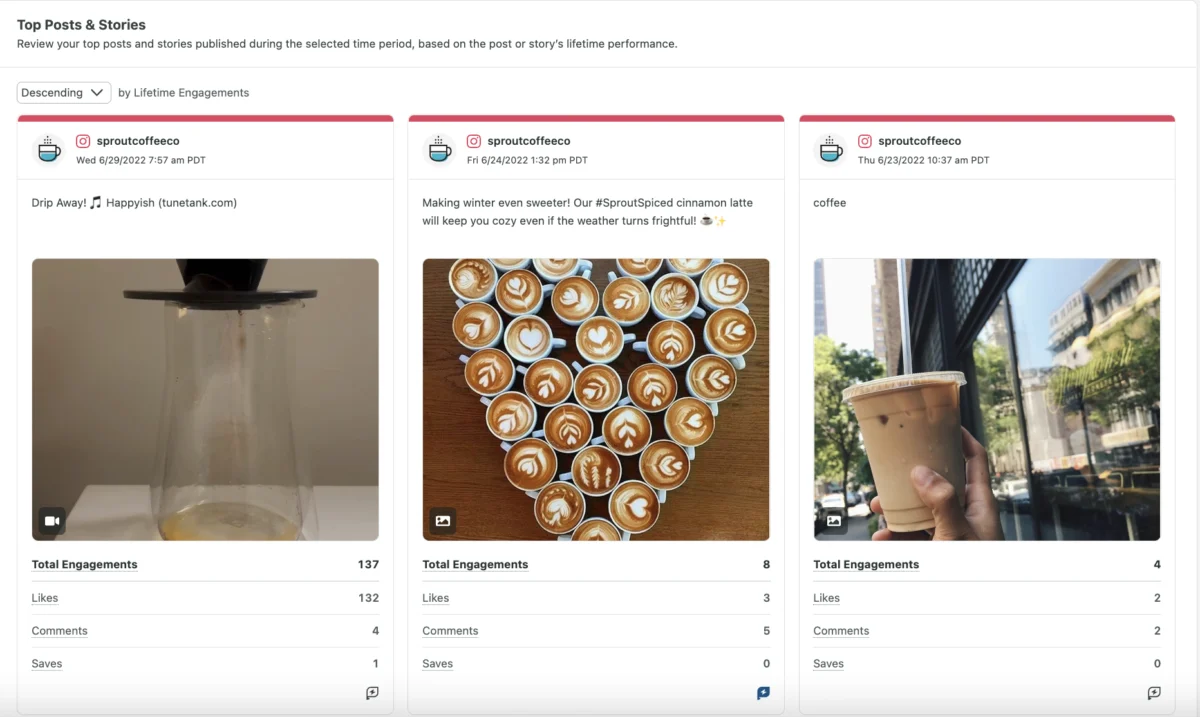
True growth occurs when you identify and double down on proven patterns. By reviewing your top-performing posts over the last 90 days, you can uncover consistent themes. Perhaps your audience consistently engages more with educational carousels than with polished, high-production Reels. By identifying these nuances, you stop wasting time on formats that don’t resonate and start leaning into the content that builds community and drives clicks.
Key Metrics: What Actually Matters?
In the vast dashboard of Instagram Insights, not all data points are created equal. While "Likes" provide a superficial signal of approval, they are often passive. A user can "like" a post in a fraction of a second while scrolling through their feed. To truly understand audience intent, businesses must look deeper.
Metrics of Intent
- Saves: This is the ultimate indicator of utility. When a user saves your post, they are signaling that the content is valuable enough to revisit.
- Shares: This indicates that your content is compelling enough for a user to associate their own reputation with your brand by recommending it to others.
- Comments: These reflect a high level of engagement and provide a direct line of feedback from your customers.
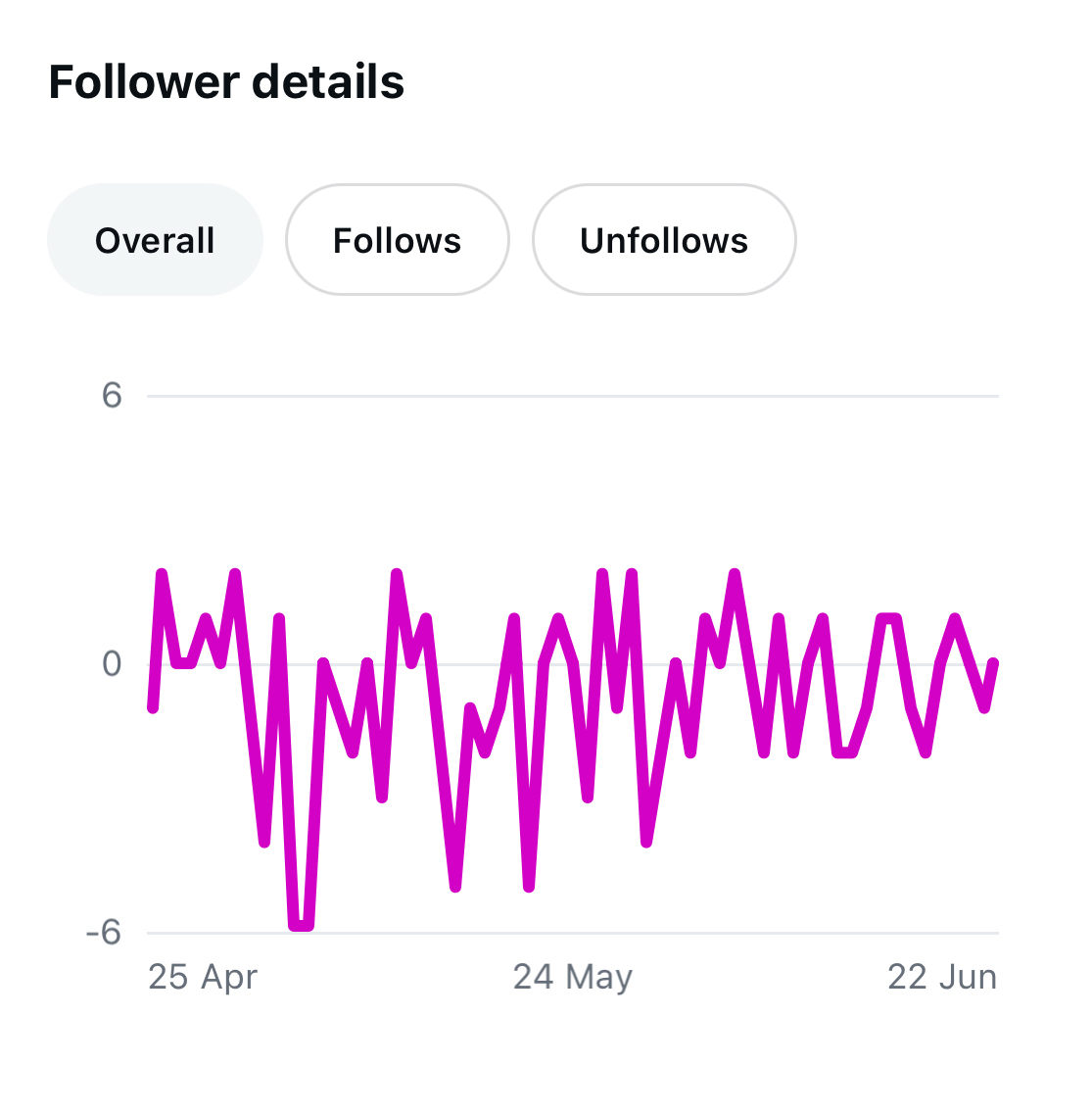
- Follower Growth Rate: Rather than focusing on the total count, look at the rate of growth. A steady, organic increase is significantly more valuable than a sudden spike of low-intent accounts.
By monitoring these metrics in tandem, you can build a health report for your brand. For instance, high reach but low engagement suggests your content is being seen but not valued. Conversely, high engagement on a small reach suggests a highly loyal, albeit small, community—a perfect foundation for future scaling.
The Limitations of Native Tools
Instagram’s native analytics tools are a double-edged sword. While they are accessible and free, they carry a "hidden tax" on your productivity. Because these metrics are siloed within the mobile app, business owners often find themselves caught in a cycle of manual labor: taking screenshots, cross-referencing numbers in spreadsheets, and manually calculating month-over-month growth.
The "Admin Trap"
As your business scales, the manual approach becomes unsustainable. The historical window provided by Instagram is limited, meaning you lose valuable long-term data if you don’t export it regularly. Furthermore, if you manage multiple channels—such as Facebook, LinkedIn, or Pinterest—the time required to reconcile these fragmented dashboards grows exponentially.
When to Graduate to Third-Party Software
If your team spends more time reporting than creating, it is time to move to a professional social media management platform. A unified dashboard acts as a "single source of truth," pulling data from all channels into one view. This transition is not merely a cost; it is an investment in the efficiency of your team, allowing you to reclaim hours that would otherwise be spent on administrative drudgery.
Leveraging Sprout Social Essentials
For the ambitious small business, Sprout Social Essentials offers a pathway to professional-grade analytics at a price point ($79/month) designed for lean teams. It solves the fragmentation problem by centralizing performance tracking, trend identification, and content planning.
Automating the Reporting Workflow
Sprout Essentials eliminates the need for manual data entry through automated reporting. Instead of spending your Monday morning in a spreadsheet, you can access real-time reports that highlight:
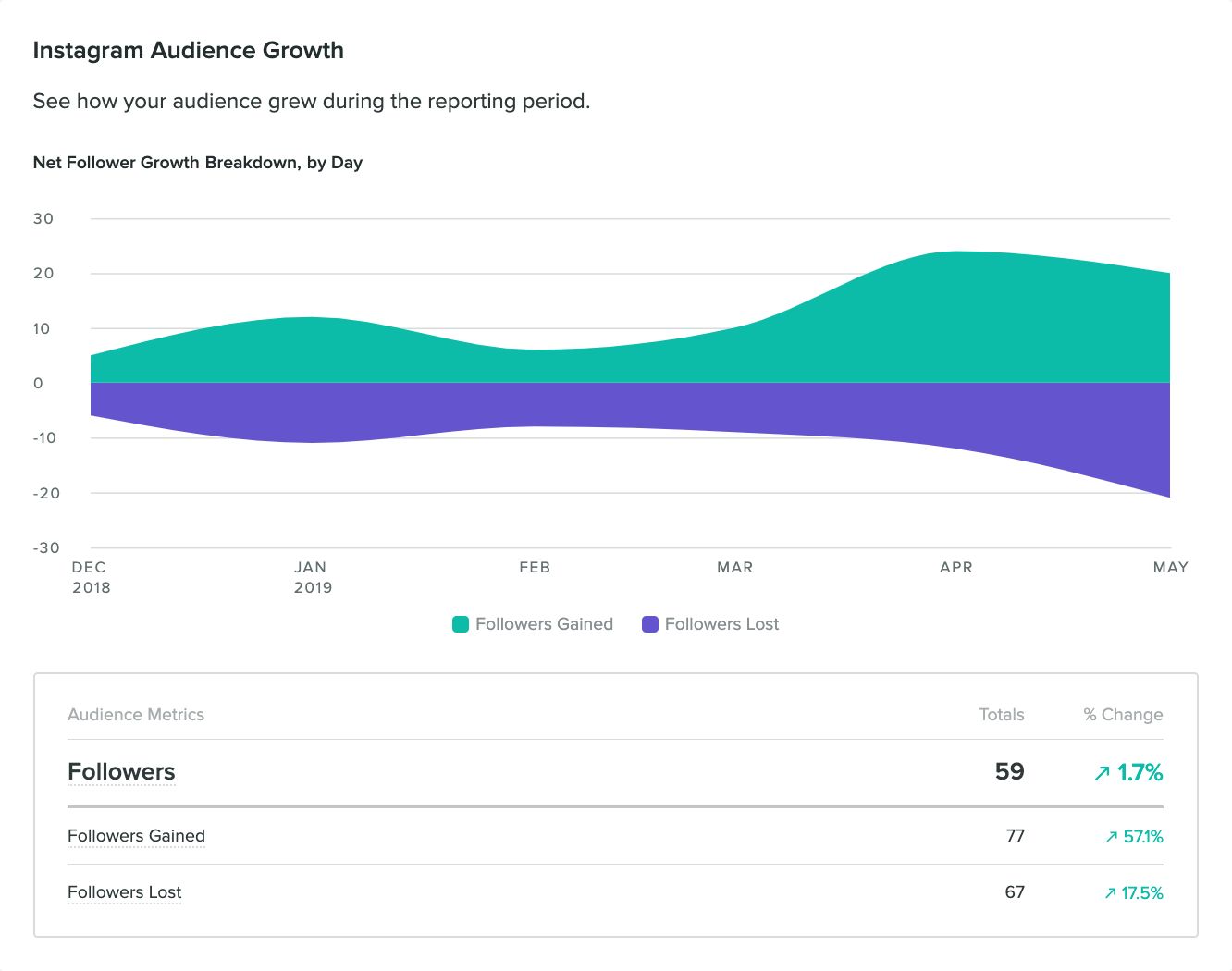
- Cross-Network Audience Growth: Tracking how your brand is performing across all social platforms in one place.
- Top-Performing Content: Automatically identifying which posts, stories, or Reels drove the most traffic and engagement.
- Demographic Breakdown: Deep dives into your audience’s age, gender, and location, ensuring your content is hitting the right target.
Scaling Success Through Content Calendars
Once your analytics reveal a winning format—such as a series of "behind-the-scenes" Reels that consistently drive saves—the next step is execution. Sprout Social’s integrated content calendar allows you to plan these winning formats in advance. By mapping out your content around peak engagement times and using features like bulk scheduling, you ensure that your brand voice remains consistent without the need for constant, manual intervention.
Strategic Implications: From Data to Action
The ultimate goal of Instagram analytics is not to produce a report; it is to make a decision. Whether that decision is to increase your ad spend on a specific type of video, to change the time you post to capture a specific demographic, or to sunset a series that isn’t converting, data must lead to action.
The Future of SMB Social Strategy
As the digital marketplace becomes more saturated, the businesses that succeed will be those that view their Instagram analytics as a roadmap for innovation. By focusing on high-intent metrics, leveraging the right tools to minimize manual effort, and iterating based on historical performance, small businesses can compete with larger brands.
The transition from "guessing" to "knowing" is the most important step any entrepreneur can take in their social media journey. By investing in the right systems today, you are not just managing a social media account; you are building a sustainable, data-driven engine for your business’s future.
Conclusion
Instagram is more than a creative outlet; it is a business tool that requires the same level of analytical rigor as any other department. By moving beyond vanity metrics, automating the reporting process, and focusing on the content that drives actual revenue, you can turn your social media presence into a reliable driver of growth. For the small business owner, the question is no longer "what should I post?" but "what does the data tell me to build next?"










