Nana Wu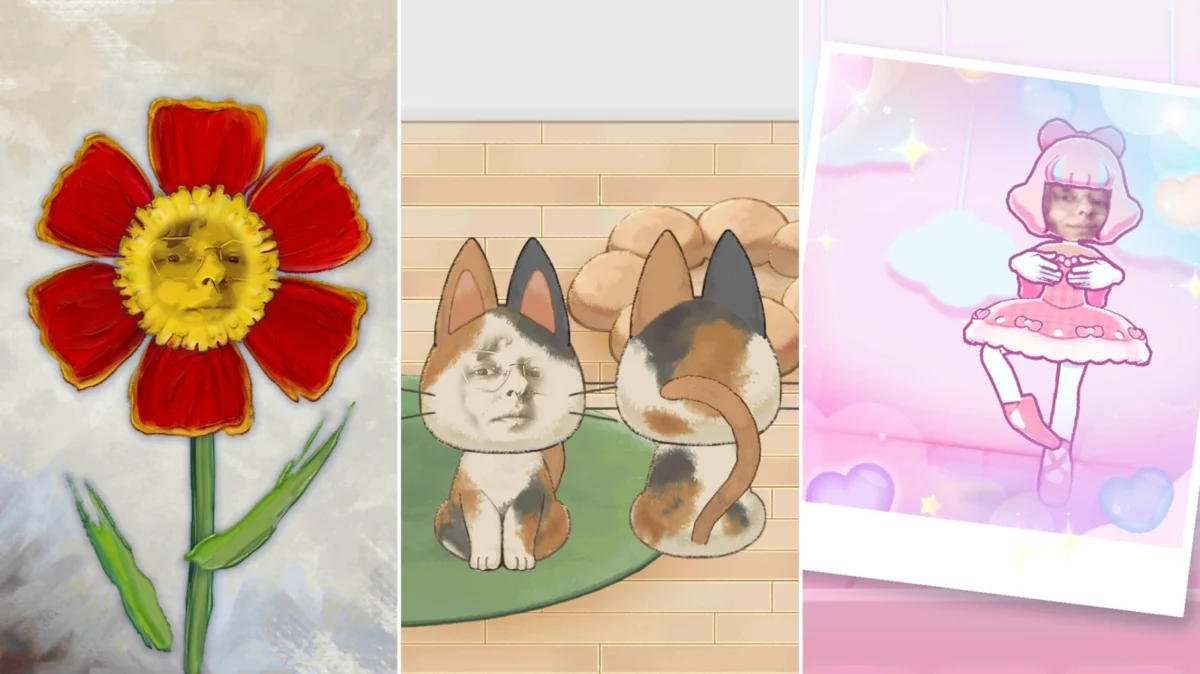
At first glance, Pictonico!—Nintendo’s latest foray into the mobile gaming space—appears to be a fever dream of neon colors, frenetic arcade soundscapes, and unpredictable humor. It is a title that invites comparisons to the legendary WarioWare series, trading in traditional pixel art for the most intimate canvas available: your own photo gallery. While the concept of granting a mobile application access to one’s personal life initially triggers a reflexive privacy hesitation, Pictonico! manages to turn that apprehension into an unexpectedly delightful, high-energy experience that pushes the boundaries of what personalized gaming can look like.
The Core Concept: Gamifying Your Personal Gallery
Pictonico! operates on a simple, yet chaotic, premise. By scanning the faces found within a user’s chosen photo albums, the game seamlessly integrates the player—and their loved ones—into a series of rapid-fire microgames. The objective is rarely complex, but the execution is always frantic. One moment, you might find yourself controlling a digital version of your own face fitted with a nutcracker-style jaw, chomping down on falling items with rhythmic precision. The next, you are a cartoon flower with your own features, racing to pluck petals before the timer expires.
This is not a game designed for long-term strategic planning or deep narrative immersion. Instead, it is a masterclass in the "microgame" genre, popularized by Nintendo over two decades ago. The challenge lies in the sheer absurdity of the task and the vanishingly small window of time provided to complete it.
Chronology of the Experience: From Hesitation to Engagement
The user journey with Pictonico! typically follows a predictable trajectory. Initially, there is the friction of the privacy prompt. For many users, the concept of a game manipulating photos of their own faces—or those of their family members—is a significant barrier.
The Setup Phase
Upon launching the application, users are presented with a setup process that allows for granular control. Nintendo has addressed privacy concerns by ensuring that photo processing remains local to the device. The application does not upload personal imagery to external servers, a critical distinction for a modern mobile title. Furthermore, users are not forced to grant broad access to their entire gallery. The game allows for the selection of specific, curated albums. This is a crucial feature, as it allows users to filter out sensitive imagery while selecting photos that the game’s facial recognition software can effectively map.
The Learning Curve
Once the photos are imported, the game enters the "Demo" phase. Here, the player is introduced to the rapid-fire nature of the stages. Each stage is comprised of ten individual microgames that must be completed in succession. If a player fails a microgame, they lose a "life," with the game ending if the threshold for failure is reached. As the player progresses, the rhythm of the music speeds up, and the visual clutter intensifies, forcing the player to abandon logic and lean into pure, reactive instinct.
Advanced Mastery
For those who find the initial levels too forgiving, the "Score Attack" mode provides a deeper, more punishing experience. This mode includes three distinct tiers:
- Normal: A standard progression where the difficulty curve is balanced.
- High-Speed: A test of raw reflex, where the pacing is significantly accelerated.
- Danger Zone: A "permadeath" mode that provides no room for error, requiring absolute perfection to survive.
Supporting Data and Technical Architecture
While the game is marketed as a free-to-play experience, the reality of its business model is rooted in episodic content. Pictonico! utilizes a tiered pricing structure that separates the game into "Volumes."
- Vol. 1: Offers 20 distinct stages for $8.00.
- Vol. 2: Offers 12 distinct stages for $6.00.
This model is a departure from the "freemium" trend of loot boxes and microtransactions. By opting for a direct purchase of content packs, Nintendo is positioning Pictonico! as a premium, albeit small-scale, mobile experience.
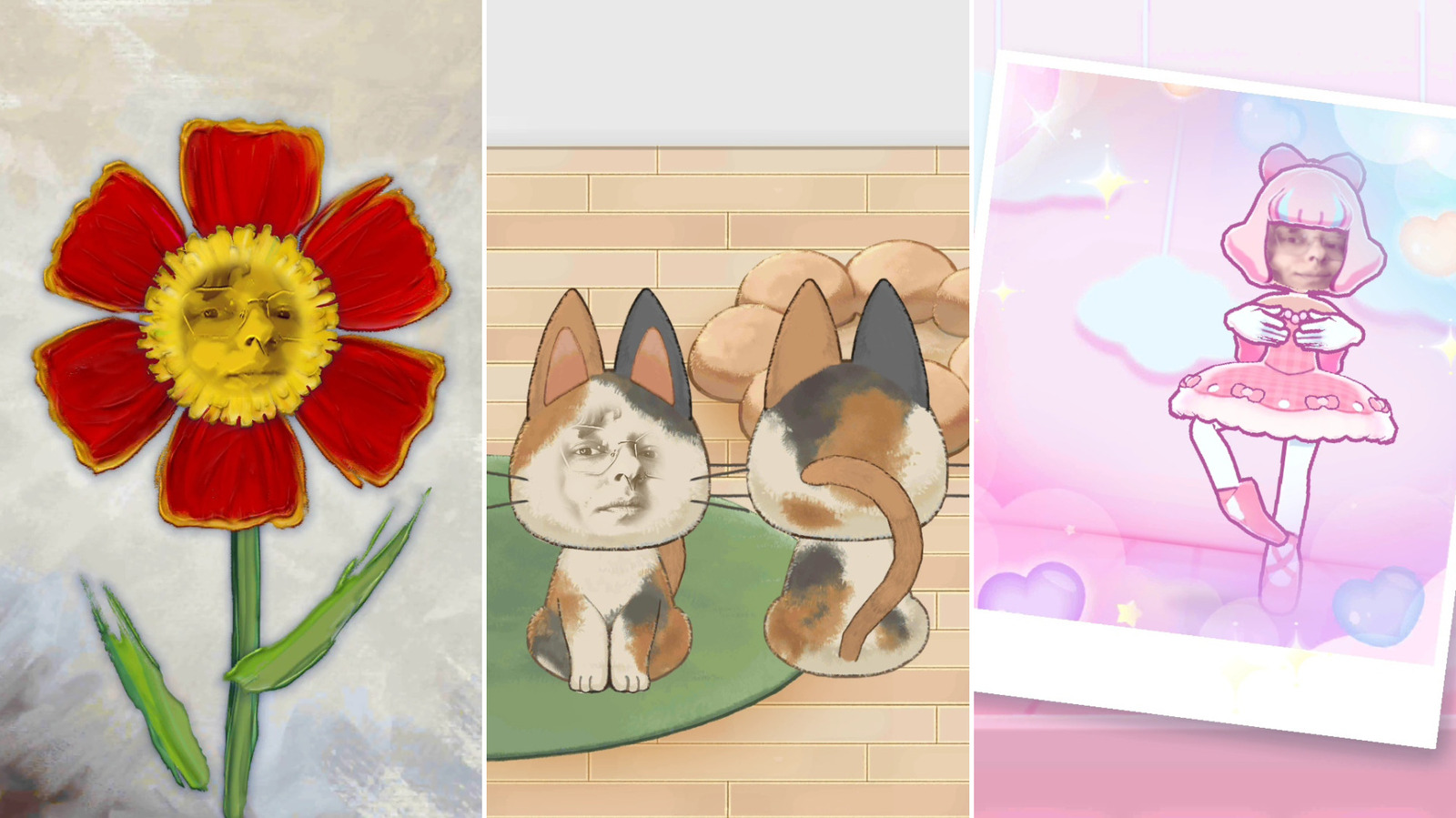
Technically, the game is a marvel of image mapping. The application uses sophisticated facial detection algorithms to overlay, warp, and animate user photos. While the software struggles with non-human subjects—such as pets—it displays a surprising level of flexibility. In internal testing, the engine successfully processed inanimate objects, such as a photograph of a uniquely shaped potato, suggesting that the software relies on contrast and structural features rather than strict biological recognition. In instances where the gallery lacks sufficient usable content, the game intelligently backfills the experience with high-quality, pre-loaded assets, such as snowmen or stuffed animals, ensuring the gameplay loop remains unbroken.
Official Responses and Privacy Considerations
The most significant hurdle for Pictonico! is the current climate of data skepticism. When asked about the necessity of local storage, Nintendo representatives have emphasized that the game’s architecture is specifically designed to function offline.
"The integrity of the user’s data is paramount," a spokesperson noted during the game’s quiet rollout. "By restricting the image processing to the local hardware, we ensure that the personal moments captured in these games remain strictly on the device."
This transparency is vital for the game’s target demographic: families. Pictonico! is explicitly marketed as a social, multigenerational experience. By removing the fear of cloud-based data harvesting, Nintendo has lowered the barrier to entry for parents who might otherwise be wary of having their children’s photos processed by a third-party application.
The Implications: Is This the Future of Casual Gaming?
The success of Pictonico! carries several implications for the future of the mobile gaming market. First, it proves that "weird" still has a place in a market dominated by live-service games and hyper-casual clones. By injecting the player’s personal identity into the game, Nintendo has bypassed the need for complex, expensive character models, replacing them with the ultimate form of customization: the self.
Second, it highlights a shift toward "social-first" gaming. Pictonico! is not designed to be played in isolation. While it is certainly possible to play alone, the game reaches its potential only when a group of people is gathered around the device, laughing at the distorted faces and the absurd situations the game creates. It turns a smartphone from a device of isolation into a digital toy for the living room.
Finally, the pricing model indicates a potential fatigue with traditional mobile monetization. By charging upfront for content packs, Nintendo is attempting to build a sustainable ecosystem that values quality and transparency over the predatory "gacha" mechanics that have plagued the mobile space for years.
Conclusion: Why Pictonico! Matters
Pictonico! is an exercise in managed chaos. It is not going to replace the high-fidelity experiences found on a console or PC, nor is it intended to. Instead, it serves as a reminder that games are, at their core, meant to be fun. By taking the photos that exist in the mundane corners of our smartphones and injecting them with the frenetic energy of the WarioWare philosophy, Nintendo has created something that is difficult to replicate.
It is a game about laughing at oneself. It is a game about the absurdity of a potato with a face and the hilarity of seeing your best friend’s features stretched across a cartoon ballerina. In an industry that often takes itself too seriously, Pictonico! arrives as a much-needed breath of fresh air—a high-energy fever dream that, quite unexpectedly, is exactly what we needed. Whether you are a casual player looking for a laugh or a parent seeking a wholesome, silly activity to share with your family, Pictonico! provides an experience that is as memorable as it is brief. It is, undeniably, a chaotic and unexpectedly good time.


 Azzam Bilal Chamdy
 Jia Lissa