Raul Delapena Setiawan
The landscape of cellular connectivity is undergoing a tectonic shift. For years, the promise of “direct-to-cell” satellite technology—the ability for a standard smartphone to connect to orbiting satellites when terrestrial towers fail—has been the holy grail of wireless carriers. Now, a major development has surfaced: Verizon, AT&T, and T-Mobile appear to be coalescing around a joint, carrier-led initiative to pool satellite spectrum resources.
Notably absent from this emerging coalition is Starlink, the SpaceX subsidiary that has long been the primary face of satellite-to-phone technology. As the exclusivity window for the T-Mobile and Starlink partnership nears its expiration this summer, the wireless industry is forced to ask: Are the major carriers building a future that renders Elon Musk’s satellite ambitions redundant, or is Starlink simply preparing to pivot toward a more disruptive, independent mobile strategy?
The Current State of Play: A Strategic Realignment
The core of this new industry movement is a collaborative effort to standardize and pool satellite spectrum. By creating a unified resource pool, the three major US carriers aim to deliver a consistent, high-availability emergency backup service that functions across all networks. The goal is to move beyond proprietary, siloed satellite solutions and toward a robust, industry-wide standard that ensures users remain connected regardless of their specific carrier or geographic location.
However, the exclusion of Starlink from this unified vision is not merely an oversight; it is a calculated strategic move. Starlink has dominated the narrative surrounding satellite connectivity for the better part of a decade, but its relationship with traditional carriers has always been one of "frenemy" convenience. By forming a united front, the Big Three are signaling that they intend to control the infrastructure of the future rather than relying on an external, high-profile partner whose business interests may not always align with those of the legacy telecom giants.
A Chronology of the Satellite Evolution
To understand the gravity of the current situation, one must look at the timeline of events that brought the industry to this impasse.
- 2022: The T-Mobile and Starlink Alliance: T-Mobile announced an ambitious partnership with SpaceX to bring “Coverage Above and Beyond” to its subscribers, utilizing Starlink’s V2 satellites to eliminate mobile dead zones.
- 2023: Spectrum Consolidation: Starlink began aggressive moves to secure its own regulatory footing, including the acquisition of terrestrial spectrum licenses from EchoStar and Dish Network.
- Late 2024: Trademark Expansion: SpaceX filed trademarks for "Starlink Mobile" and "Powered by Starlink," signaling that the company was moving beyond simple connectivity and toward a broader consumer-facing mobile brand.
- February 2025: Musk’s Mobile Ambitions: Elon Musk confirmed that the company was developing a “Starlink mobile device.” Crucially, he clarified that this was not a smartphone, but rather a sophisticated, AI-integrated satellite hardware solution.
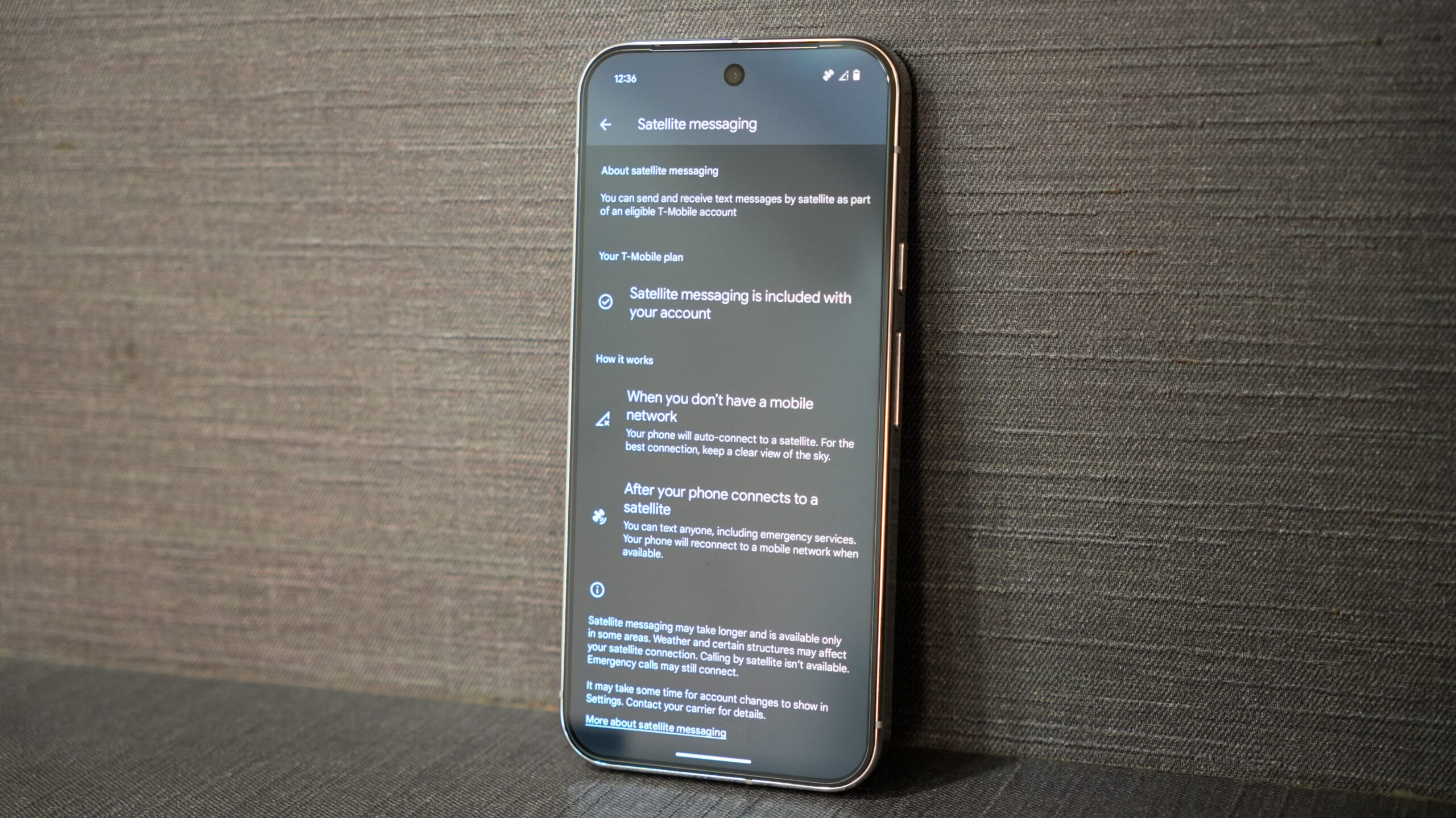
- March 2025: The Carrier Pivot: News surfaced that Verizon, AT&T, and T-Mobile were exploring a joint spectrum pool, while T-Mobile leadership publicly downplayed the success of the T-Satellite initiative, noting it was receiving "less usage than expected."
Supporting Data and Technical Context
The shift in strategy is supported by the technical limitations of current satellite-to-phone solutions. Existing systems are largely designed for "emergency-only" scenarios. They are triggered only when a phone fails to register on a terrestrial tower. However, as noted by industry analysts, this "binary" trigger system is flawed.
In many semi-remote regions, phones may technically register a weak, unusable signal from a distant tower, preventing the device from switching to a satellite connection. This creates a "dead zone in plain sight" where a user has one bar of service but zero data throughput. The new carrier-led initiative seeks to solve this by creating a more intelligent, integrated handover process.
Furthermore, the financial metrics of MVNO (Mobile Virtual Network Operator) arrangements are changing. T-Mobile CEO Srinivasan Gopalan’s recent comments regarding the lack of plans for a Starlink MVNO highlight a shift in corporate priorities. If the "Big Three" can internalize the satellite backup feature, they retain full control over the user experience, the billing, and the data, rather than sharing revenue or technical control with SpaceX.
Official Responses and Industry Sentiment
The silence from Starlink regarding its potential exclusion from the carrier consortium is deafening, though its recent actions speak volumes. SpaceX has been aggressively hiring talent in the mobile telecommunications sector, and the acquisition of AWS-3 spectrum suggests that the company is no longer interested in playing the role of a "back-end" provider.
Conversely, the carriers are moving to protect their turf. T-Mobile’s admission that T-Satellite usage is below expectations acts as a diplomatic way of saying the partnership has failed to generate the value they originally envisioned. By distancing themselves from the Starlink brand, the carriers are effectively "de-risking" their infrastructure. They are no longer dependent on a single private company’s constellation, which could be subject to the whims or shifting priorities of its leadership.
The Implications: Starlink’s Independent Path
Where does this leave Starlink? The company finds itself at a crossroads. It can either retreat into the background, providing infrastructure to smaller, niche carriers, or it can launch an aggressive, independent consumer service.
The Case for "Starlink Mobile"
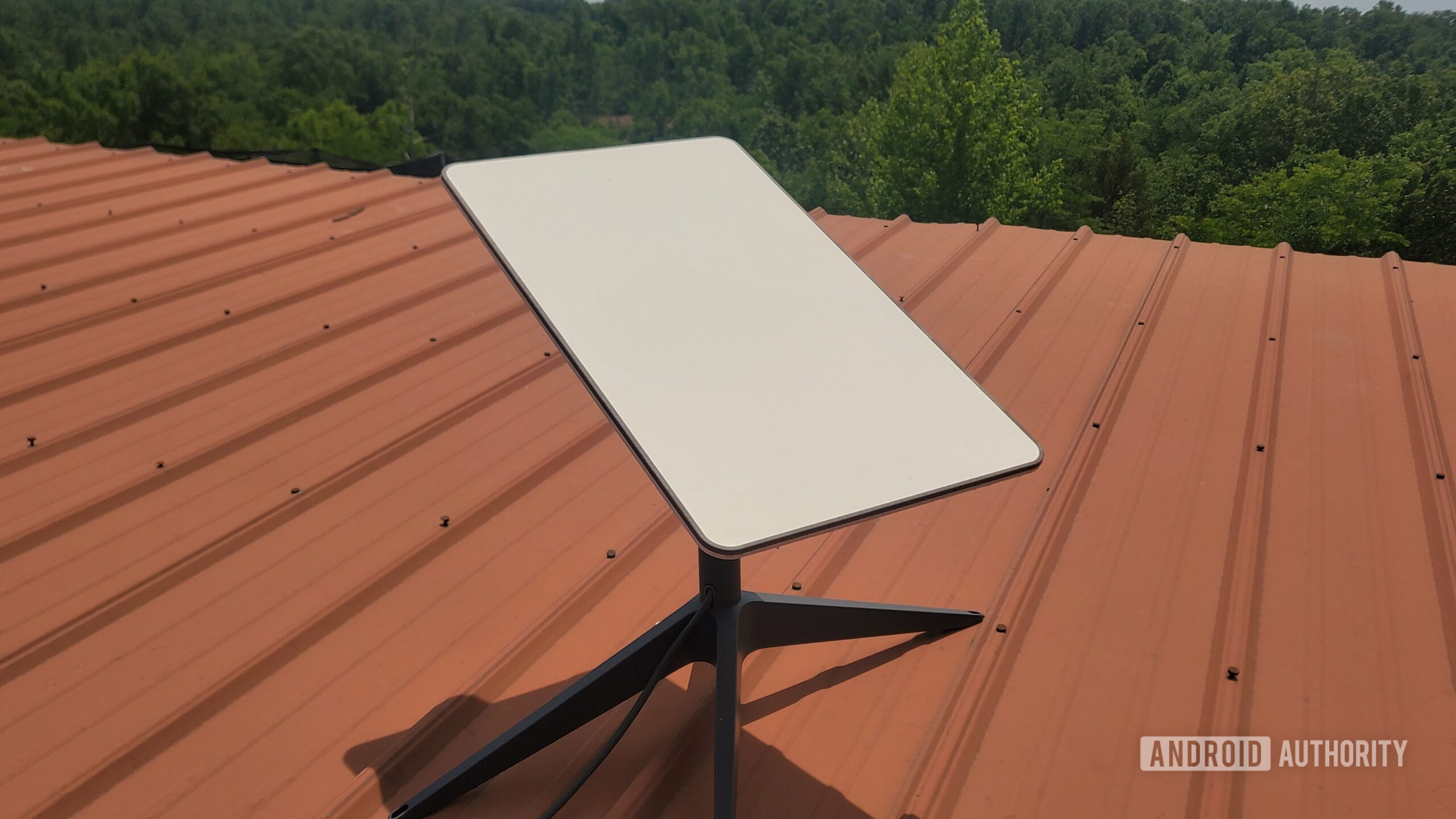
If Starlink opts for the latter, the implications are significant. An independent Starlink Mobile service would likely target the "prosumer" and rural markets—users who are currently underserved by traditional carriers. By leveraging its own satellite constellation and acquired terrestrial spectrum, Starlink could offer a service that is less about replacing the iPhone experience and more about providing high-speed, on-demand satellite data.
The "smart satellite hotspot" predicted by industry watchers could revolutionize how we travel. Imagine a device that acts as an intelligent bridge, providing high-bandwidth internet in the middle of a national park or on a remote ocean voyage, far exceeding the speed and capability of the "emergency-only" SMS services currently being touted by Apple or the major carriers.
The Competitive Hurdle
However, the barrier to entry remains immense. Starlink cannot realistically match the terrestrial coverage, speed, and latency of a multi-billion dollar fiber and 5G network maintained by AT&T or Verizon. To succeed, Starlink must offer a value proposition that is distinct.
If they can implement a model where a user manually switches on satellite data for a flat monthly fee—perhaps priced under $30—it would cater to a specific segment of the population: remote workers, international travelers, and outdoor enthusiasts. This would not be a mass-market product, but a premium utility.
Future Outlook: A Fragmented Sky
The next 24 to 36 months will be defined by the success or failure of these two divergent paths. On one hand, we have the "Unified Carrier" model, which prioritizes seamless, ubiquitous, and simple emergency connectivity for the average user. On the other, we have the "Starlink Independent" model, which leans into technical superiority, custom hardware, and niche-market disruption.
The carriers’ decision to leave Starlink out of the conversation is a bold bet that the mass market doesn’t actually want "satellite connectivity" as a standalone service—they just want their phones to stop dying when they leave the city. If the carriers succeed in making satellite backup a "behind-the-scenes" feature that just works, they may successfully commoditize Starlink’s innovation.
Yet, history has shown that when industry giants try to box in a company like SpaceX, the result is rarely a quiet exit. Starlink’s pivot into terrestrial spectrum and proprietary mobile hardware suggests they have no intention of becoming a mere utility provider for the Big Three. Instead, we are likely moving toward a fragmented market where the "sky" becomes a competitive space, divided between the legacy providers ensuring safety and a new, independent player pushing the boundaries of what a mobile device can actually do.
For the consumer, this tension is ultimately a win. Whether it comes from a joint effort between Verizon, AT&T, and T-Mobile, or a disruptive move by Starlink, the era of the "no-signal" dead zone is rapidly coming to an end. The only question that remains is which of these giants will own the connection when it happens.


 Jia Lissa
 Neng Nana