

In the modern digital landscape, the line between personal influence and political advocacy has effectively vanished. For years, influencer marketing was governed by a simple equation: reach, aesthetic, and conversion. However, a seismic shift in consumer expectations has transformed creators from mere product promoters into central pillars of social and political discourse. As audiences increasingly demand that their favorite creators take a stand, brands are finding themselves at a critical crossroads.
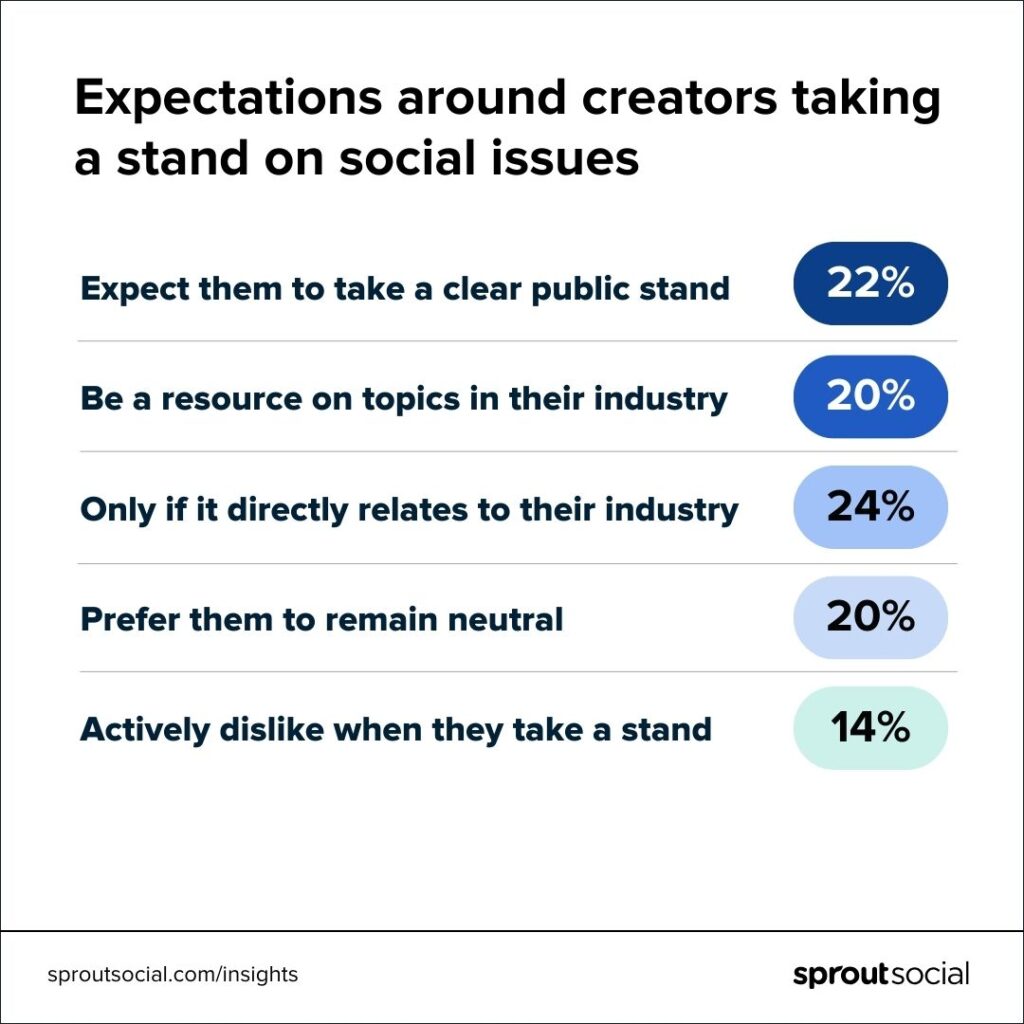
According to recent data from Sprout Social, nearly 50% of consumers expect influencers to speak out on social issues—particularly those within their industry—while 20% look to these creators as resources for grassroots activism. For the modern marketing organization, the era of the "neutral creator" is coming to an end.
The Evolution of the Digital Soapbox
The rise of influencer activism did not happen in a vacuum. It is the natural evolution of the "brand activism" movement that reached a boiling point in 2020. Amidst the global COVID-19 pandemic and the widespread mobilization of the Black Lives Matter movement, consumers began to view silence as complicity.

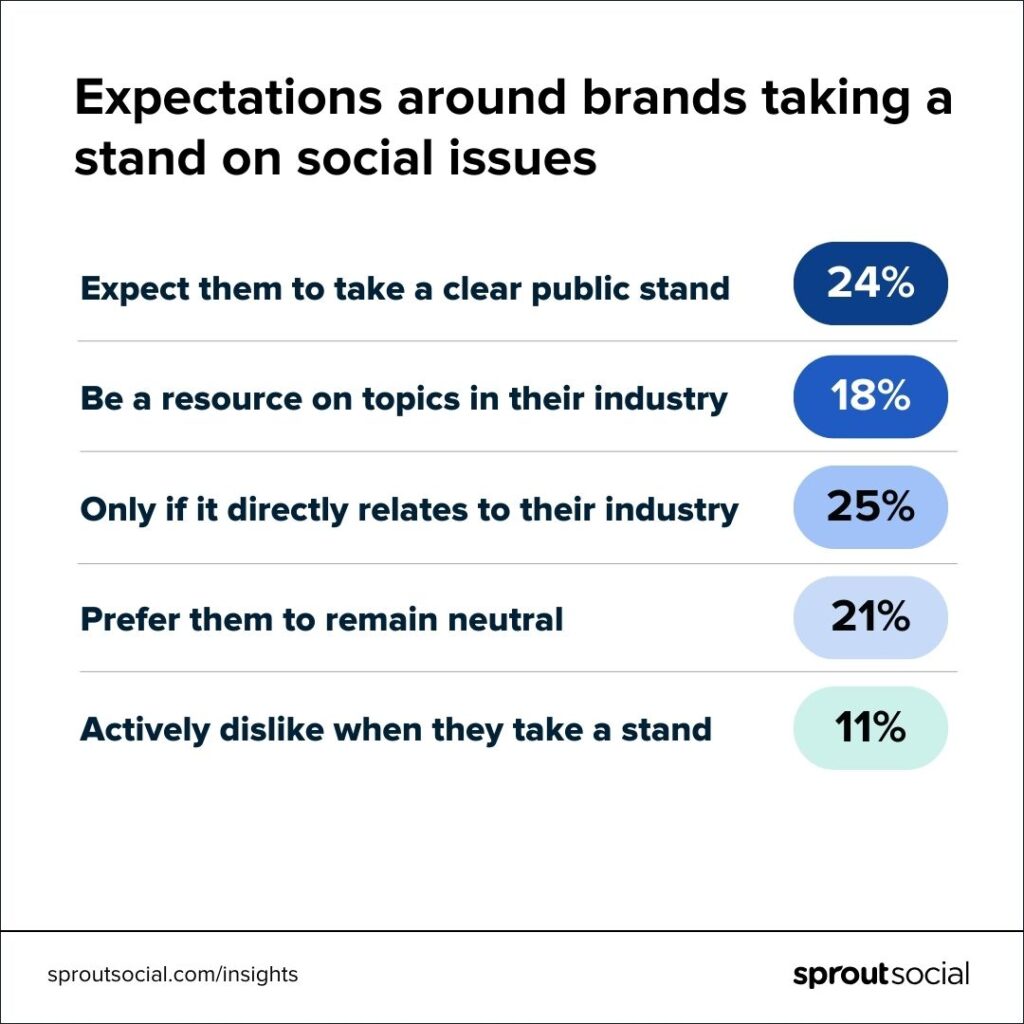
Historically, corporate social responsibility was confined to annual reports and charitable donations. Today, however, consumers view brands—and the individuals they partner with—as actors in the broader political zeitgeist. The Q1 2026 Sprout Pulse Survey reveals that this pressure has not subsided; it has intensified. With 67% of consumers now expecting brands to take a public stand on social or industry-related issues, the pressure has inevitably bled into creator partnerships.
A Chronology of Expectation
- 2018–2019: The Rise of Values-Based Consumption. Consumers began shifting their loyalty toward brands that prioritized sustainability and ethical labor, setting the stage for more vocal corporate communication.
- 2020: The Catalyst. The confluence of a global health crisis and civil rights protests forced a reckoning. Brands were expected to pivot from commercial messaging to social commentary, often with mixed results.
- 2021–2024: The Era of Scrutiny. As social media platforms became the primary source of news for Gen Z and Millennials, the "performative" nature of corporate statements was exposed. Audiences began demanding "receipts"—tangible actions rather than just hashtag activism.
- 2025–2026: The Normalization of Activism. Activism is now a baseline expectation. Creators are no longer expected to be neutral; they are expected to be informed. The failure to address a major cultural event is now often perceived as a deliberate choice to remain indifferent.
Data-Driven Demand: What Consumers Really Want
The data paints a clear picture: the appetite for activism is not a monolith, but it is pervasive. When asked about their expectations for influencer advocacy, the consumer base splits into distinct categories:
- The Industry-Specific Advocates (24%): These consumers believe creators should only engage with issues directly related to their field (e.g., a beauty influencer discussing chemical safety, or a tech creator discussing data privacy legislation).
- The Expectant Public (22%): A significant segment expects their favorite creators to take clear, public stances on major social and political issues regardless of their niche.
- The Skeptics (14%): This group remains wary of influencer interference in political discourse, often citing a desire for social media to remain an "escapist" space.
Crucially, the financial implications are impossible to ignore. Nearly 30% of consumers report they will actively boycott a brand if its values (or the values of its partners) clash with their own. For Gen Z, that number climbs to 83%, cementing the fact that brand alignment is now a primary driver of purchase intent.
The Pitfalls of Performative "Slacktivism"
As the demand for advocacy grows, so too does the risk of "slacktivism." This term describes superficial engagement—posting a black square or a trending hashtag without long-term commitment or genuine understanding.
Influencers who speak out without being properly informed, or who do so purely to protect their follower count, often face a swift and severe backlash. Audiences are increasingly adept at spotting the difference between authentic advocacy and "virtue signaling." When an influencer’s activism feels like a cynical play for engagement, the result is a loss of credibility that impacts both the creator and the brand partner.
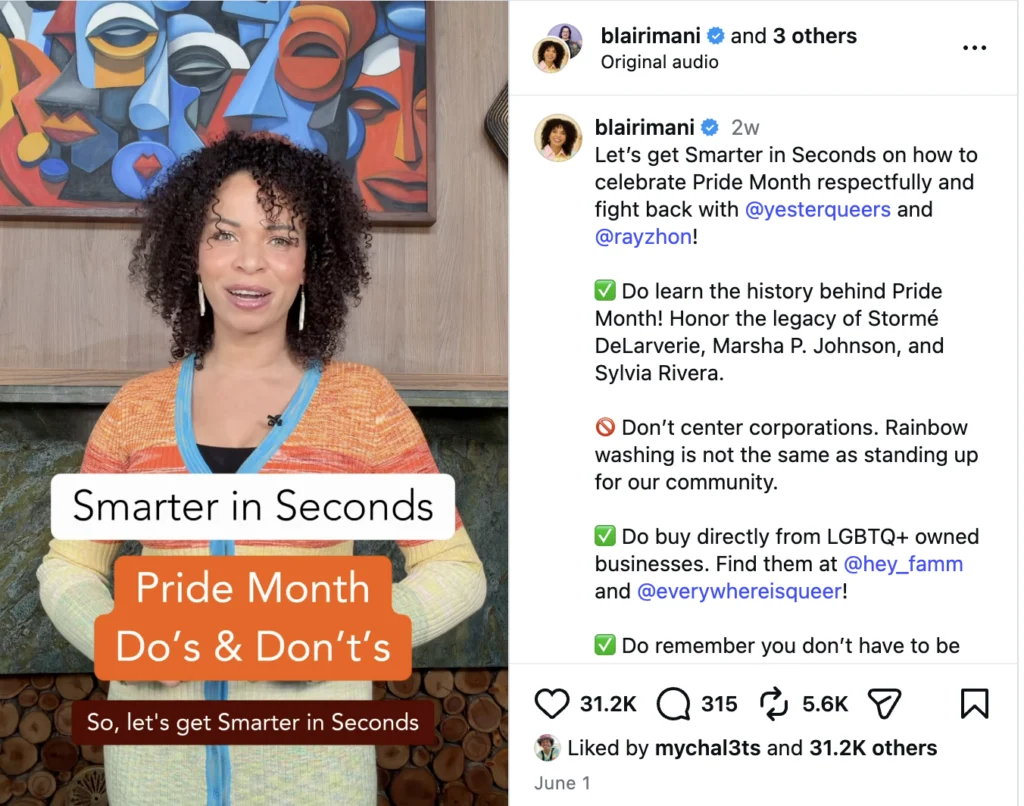
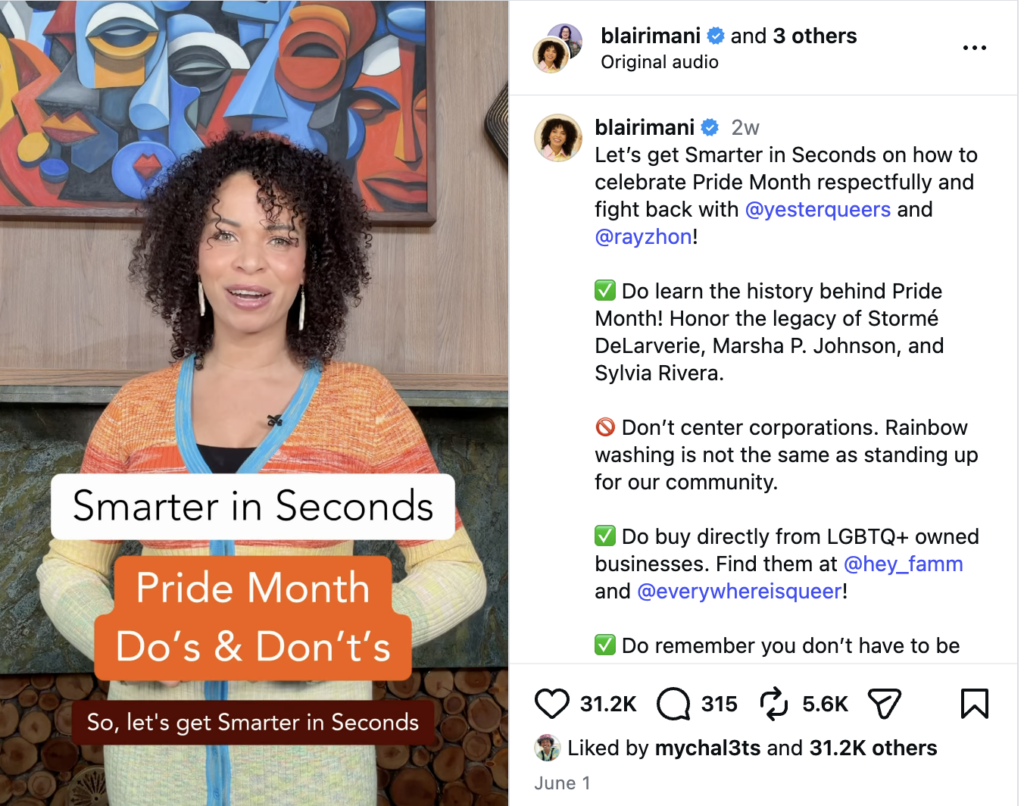
True activism, as exemplified by creators like Blair Imani, requires more than a post; it requires education and tangible action. Imani’s "Smarter in Seconds" series succeeds because it provides her audience with actionable steps and historical context, transforming her platform into a legitimate educational resource rather than a vanity project.
Strategic Implications for Brand Partnerships
For marketing teams, the shift toward influencer activism necessitates a fundamental change in how they vet and maintain partnerships. The "plug-and-play" model of influencer marketing—where an influencer is hired, posts, and moves on—is now a liability.
Rethinking the Vetting Process
Brands must move beyond engagement rates and follower counts. A comprehensive vetting process now requires:
- Deep-Dive Historical Analysis: Reviewing an influencer’s past content to understand their stance on core issues.
- Values Mapping: Identifying where the creator’s activism aligns with the brand’s long-term social mission.
- Audience Sentiment Analysis: Utilizing social listening tools to understand how the creator’s audience reacts to political or social discourse.
The Power of Long-Term Alignment
The most effective brand partnerships today are those that mirror the structure of an organization’s CSR initiatives. For example, the mattress brand Avocado leverages partnerships with influencers who are genuinely invested in climate activism. By working with creators who share their commitment to sustainability, Avocado builds a narrative that feels consistent and trustworthy. When creator ReLauren partners with the brand, she is not just selling a mattress; she is reinforcing a shared lifestyle and value system that includes plant-based living and grassroots political action.
Establishing Brand Safety in a Volatile Climate
Even with the best vetting, the current climate is volatile. Brands must establish clear protocols to protect their reputation while allowing their partners the freedom to be authentic. This begins with internal alignment:
- Legal and Leadership Buy-in: Does the brand have a clear stance on sensitive issues? If not, how should a partner react if they are asked to comment?
- The "Off-Limits" Discussion: While it is impossible to predict every news cycle, brands should establish a framework for how to handle controversial topics.
- Crisis Readiness: What is the protocol if an influencer partner says something that causes a public relations firestorm? Having a pre-established response plan is essential to preventing a minor controversy from turning into a brand-damaging crisis.
Conclusion: Embracing the Future
The emergence of influencer activism is not a temporary trend; it is a permanent adjustment to the digital power structure. Consumers now view the influencers they follow as extensions of their own identities and values.
Brands that attempt to suppress this reality, or that force their partners to remain silent, will likely find themselves increasingly disconnected from the modern consumer. Conversely, brands that lean into this shift—by identifying and collaborating with thoughtful, value-aligned creators—will find that they can build deeper, more resilient relationships with their audiences.
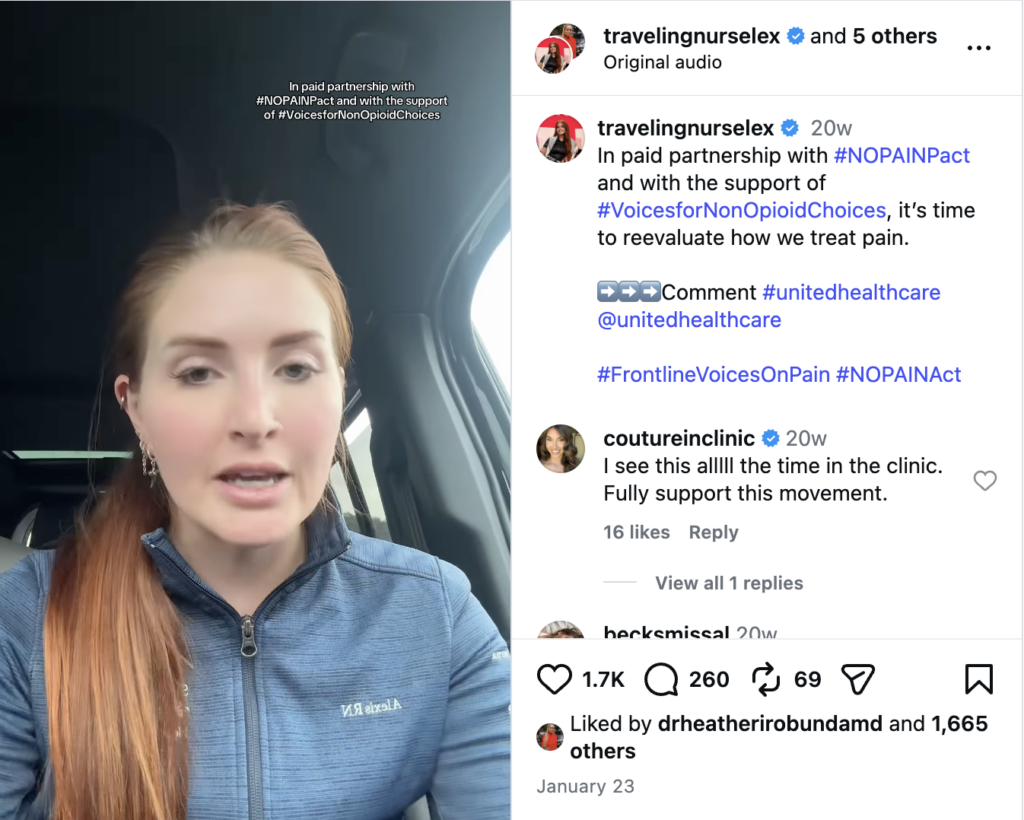
The future of influencer marketing is not just about reach; it is about resonance. By treating influencers as partners in advocacy rather than mere billboards, organizations can ensure they remain relevant in a world that demands more than just a product—it demands a purpose.











