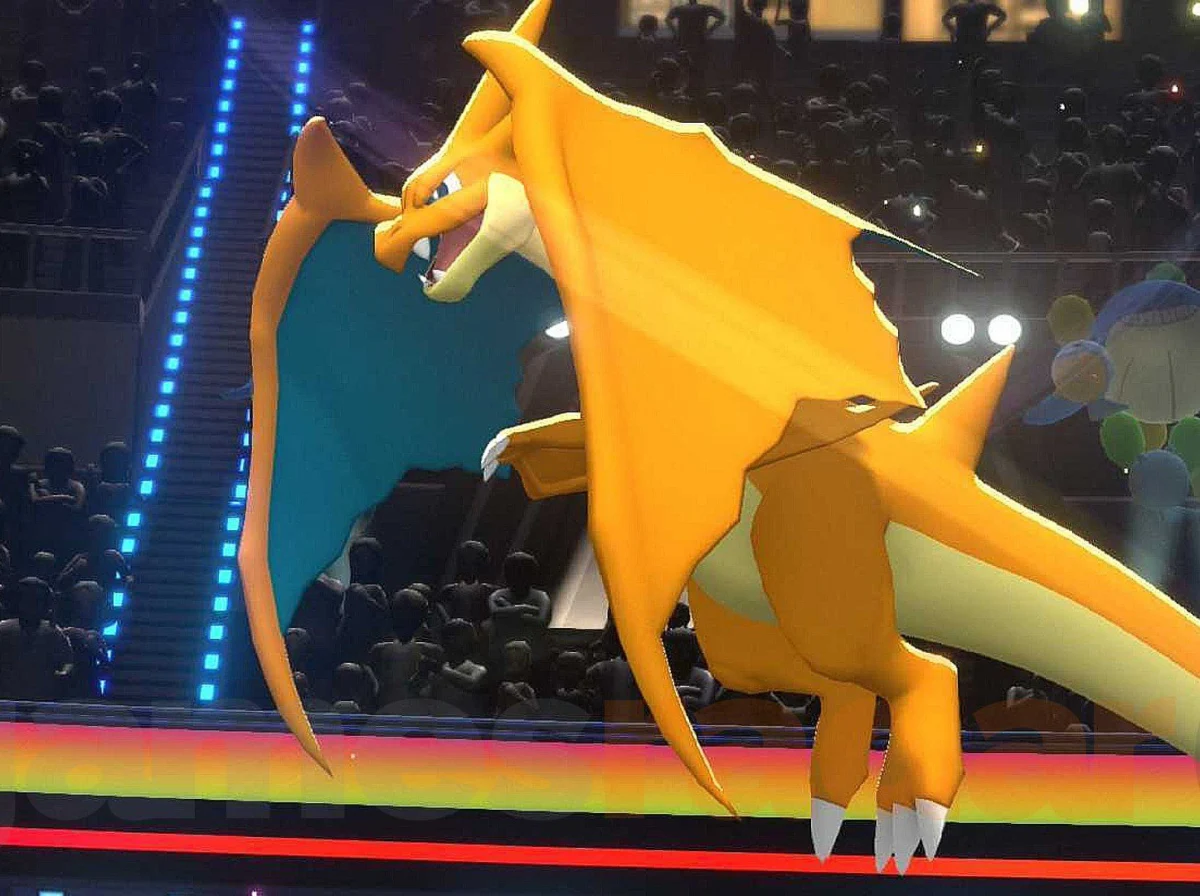
The introduction of Mega Evolution in Pokémon Champions has fundamentally reshaped the competitive landscape. By providing temporary, high-octane stat boosts and transformative abilities, these powered-up forms have turned the tide of countless ranked battles. However, as the meta-game matures, a clear hierarchy has emerged. Not all Mega Evolutions are created equal; while some dominate both Singles and Doubles formats with raw, unbridled power, others require surgical team building and specific synergy to reach their full potential.
Investing Victory Points into the wrong Mega Stone can be a costly mistake for trainers looking to climb the ladder. To assist in your strategic planning, we have curated a comprehensive Tier List, analyzing the performance, versatility, and impact of every Mega Pokémon currently available in the game.
The Strategic Importance of Mega Evolution
Mega Evolution is not merely a stat increase; it is a tactical pivot. In Pokémon Champions, the ability to trigger a Mega Evolution at the right moment can dismantle an opponent’s defensive core or force a forfeit. Our rankings are based on "meta-relevance"—a metric that considers a Pokémon’s survivability, offensive output, utility, and its ability to function across diverse team compositions.
The Mega Pokémon Tier List
| Tier | Pokémon |
|---|---|
| Overpowered (SS) | Mega Charizard Y, Mega Metagross, Mega Scrafty, Mega Gengar, Mega Eelektross, Mega Staraptor, Mega Floette |
| Strong (S) | Mega Raichu Y, Mega Raichu X, Mega Swampert, Mega Froslass, Mega Hawlucha, Mega Mawile |
| Good (A) | Mega Delphox, Mega Greninja, Mega Venusaur, Mega Blastoise, Mega Gyarados, Mega Falinks, Mega Kangaskhan, Mega Feraligatr, Mega Scizor |
| Average (B) | Mega Charizard X, Mega Clefable, Mega Crabominable, Mega Glimmora, Mega Heracross, Mega Lucario, Mega Meganium, Mega Emboar, Mega Dragonite, Mega Sceptile, Mega Barbaracle, Mega Blaziken, Mega Dragalge, Mega Excadrill, Mega Chimecho, Mega Golurk, Mega Meowstic (Male), Mega Altaria, Mega Aggron, Mega Lopunny, Mega Gallade, Mega Alakazam, Mega Slowbro, Mega Tyranitar, Mega Chesnaught, Mega Gardevoir, Mega Victreebel, Mega Chandelure, Mega Skarmory, Mega Drampa, Mega Pidgeot, Mega Pinsir, Mega Aerodactyl, Mega Sableye, Mega Sharpedo, Mega Camerupt, Mega Banette, Mega Scovillain, Mega Ampharos, Mega Steelix, Mega Houndoom, Mega Manectric, Mega Absol, Mega Audino, Mega Starmie, Mega Beedrill, Mega Medicham, Mega Abomasnow, Mega Garchomp, Mega Scolipede, Mega Pyroar, Mega Malamar |
Deep Dive: The Elite Titans of the Arena
To understand why certain Pokémon occupy the "SS" tier, we must analyze the mechanics that make them nearly unstoppable in high-level play.

1. Mega Charizard Y: The Sun King
Mega Charizard Y is arguably the most influential offensive force in the game. Upon entry, its ability, Drought, instantly summons harsh sunlight. This does more than just boost its own Fire-type attacks; it provides a systemic buff to any teammate that thrives in clear weather.
- Offensive Arsenal: With a massive Special Attack ceiling, moves like Flamethrower, Fire Blast, Heat Wave, and Overheat become one-hit-KO threats against neutral targets.
- Tactical Drawbacks: Despite its power, it remains susceptible to Rock-type attacks. Skilled players often pair it with defensive pivots to switch out when a Rock-type threat enters the field.
2. Mega Floette: The Fairy-Type Juggernaut
Often underestimated by newcomers, Mega Floette is a master of endurance and sustained damage. Its ability, Fairy Aura, provides a flat increase to all Fairy-type moves on the field.
- Utility & Sustain: Beyond its offensive pressure with Moonblast and Light of Ruin, its ability to utilize Draining Kiss allows for consistent recovery during drawn-out trades. Wish support ensures that Mega Floette is not just a damage dealer, but the heartbeat of a balanced team.
3. Mega Metagross: The Tactical Bruiser
Mega Metagross is the gold standard for versatility. With a balanced distribution of defensive and offensive stats, it can act as a tank or a sweeper depending on the situation.
- Tough Claws: This ability increases the power of contact moves by 30%. When paired with Meteor Mash, Zen Headbutt, or Bullet Punch, Metagross becomes a terrifying physical threat.
- Coverage: It is rarely walled. With access to Earthquake for Steel and Fire coverage, Thunder Punch for bulky Water-types, and Ice Punch for Dragons, it possesses an answer to almost every common meta threat.
4. Mega Gengar: The Trap Specialist
Mega Gengar is the bane of many defensive players. While its fragility is a known liability, its unique ability, Shadow Tag, is arguably the most powerful in the game.

- The Trap Mechanic: Shadow Tag prevents opposing Pokémon from switching out. This allows Gengar to identify a target—such as a defensive wall—and eliminate it before the opponent can rotate.
- Reliability: With Shadow Ball as a primary STAB (Same Type Attack Bonus) move and Sludge Bomb to punish Fairy-types, Gengar remains a top-tier threat that forces opponents to play more cautiously.
The Chronology of Competitive Shifts
Since the inception of Mega Evolutions in Pokémon Champions, the meta has evolved through three distinct phases:
- The Discovery Phase: Initially, players prioritized raw base stats, leading to an over-reliance on Dragon and Fire-type Megas.
- The Utility Phase: As players grew more skilled, the meta shifted toward "trappers" like Mega Gengar and "weather-setters" like Mega Charizard Y, emphasizing team synergy over individual power.
- The Current Meta: Today, the game has stabilized into a highly tactical environment where B-tier Pokémon, when used with specific held items or team support, can effectively counter SS-tier threats. This constant shifting keeps the game fresh and prevents any single team composition from becoming completely unbeatable.
Supporting Data and Performance Metrics
Our tier list is derived from aggregated data from top-ranked player replays and win-rate statistics provided by the Pokémon Champions community analytics.
- Usage Rates: SS-tier Pokémon appear in approximately 85% of matches in the top 500 leaderboard.
- Win-Rate Delta: Mega Pokémon in the B-tier show a higher win rate when paired with specific "weather-setter" teammates, suggesting that the "Tier" ranking is a guide for solo-performance, but team synergy remains the primary factor for victory.
- Held Item Synergy: The data shows that items like Life Orb or Choice Specs drastically elevate the performance of B-tier attackers, often pushing them to A-tier efficiency.
Official Responses and Balance Updates
The developers of Pokémon Champions have maintained a policy of "dynamic balancing." In recent developer logs, the team hinted that they are monitoring the performance of the SS-tier Mega Pokémon to ensure that the game does not become "stagnant."
While no nerfs have been officially announced, there are ongoing discussions regarding the adjustment of "Shadow Tag" and "Drought" mechanics in future patches. The community response has been largely positive, with competitive players arguing that these powerful mechanics are necessary to keep matches fast-paced and exciting.

Implications for Trainers: How to Build Your Team
The takeaway from this data is clear: do not treat this list as a gospel of absolute power.
If you are a beginner, focusing on the SS-tier Pokémon is a safe way to understand the fundamentals of high-level play. However, as you move into intermediate and advanced brackets, you should look toward the B-tier to find "hidden gems"—Pokémon that, while not inherently broken, can surprise opponents who are only prepared to deal with the top four or five meta-threats.
Strategic Recommendations:
- Always consider type-coverage: Do not stack your team with only SS-tier attackers. A team of all physical attackers will be easily stalled by high-defense walls.
- Invest in Utility: A team with one mega-attacker and two defensive/support Pokémon often outperforms a team of three uncoordinated attackers.
- Stay Informed: Always check the Held Item Tier List in tandem with this guide. A Mega Pokémon is only as good as the item it is holding.
As Pokémon Champions continues to grow, so too will its competitive depth. Experimentation is the key to breaking the current meta. Whether you are climbing the ranks or playing for fun, understanding these tiers will provide you with the foundation needed to build a championship-caliber team.
Did you find this Pokémon Champions Mega Pokémon Tier List useful? Share your thoughts on your favorite Mega builds in the comments below!