

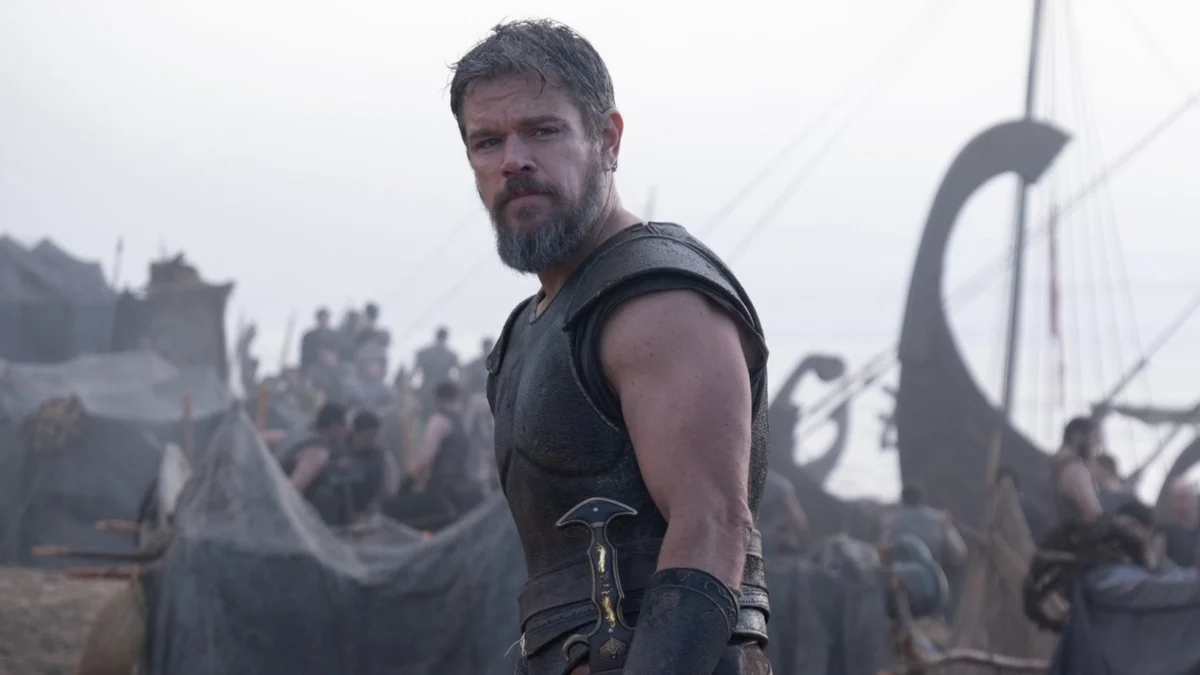
In the modern cinematic landscape, few names carry the weight of a major studio franchise. Christopher Nolan, however, stands as the notable exception. In an era where intellectual property and established universes dominate the global box office, Nolan has cultivated a brand identity that transcends the source material. Audiences do not just show up for a story; they show up for a "Christopher Nolan film."
As we look toward the summer of 2026, all eyes are on The Odyssey. With a staggering production budget of $250 million and an official R-rating from the Motion Picture Association (MPA), the film is poised to challenge the industry’s long-standing belief that high-stakes, big-budget spectacles must cater to the PG-13 demographic to ensure profitability.
The Shift Toward Adult-Oriented Spectacle
The confirmation that The Odyssey has secured an R-rating is more than a mere administrative detail; it is a profound statement on Nolan’s creative evolution. For the better part of his career, Nolan navigated the "PG-13 sweet spot," delivering complex, cerebral, and often violent narratives—such as The Dark Knight trilogy, Inception, and Interstellar—while maintaining a rating that allowed for maximum theatrical accessibility.
For two decades, Nolan’s relationship with the R-rating was sporadic. Following his early successes with Following (1998) and Memento (2000), and his 2002 thriller Insomnia, Nolan largely pivoted toward PG-13 projects. Even his gritty depiction of the Dunkirk evacuation, a film defined by its visceral terror and claustrophobic tension, managed to secure a PG-13 rating. The 2023 release of Oppenheimer served as the first major pivot point, marking his return to the R-rated category after twenty years. Now, with The Odyssey, Nolan is doubling down on this maturity, signaling a willingness to push the boundaries of tone, language, and intensity in his epic storytelling.
A Chronology of Nolan’s Rating Evolution
To understand the significance of this shift, one must look at the historical trajectory of Nolan’s filmography:
- 1998–2002: The Early Years (R-Rated Roots): Nolan’s breakout films were defined by their raw, unvarnished look at human nature. Following and Memento used their R-ratings to explore moral ambiguity and psychological fragmentation without censorship.
- 2005–2017: The PG-13 Hegemony: During this period, Nolan redefined the blockbuster. From the grounded realism of Batman Begins to the high-concept physics of Interstellar, he proved that massive scale and intellectual depth could flourish within the PG-13 framework.
- 2023: The Oppenheimer Paradigm Shift: By securing an R-rating for a three-hour historical biopic, Nolan shattered the notion that "adult" cinema couldn’t be a commercial juggernaut. The film’s success proved that the "prestige" audience was starving for high-caliber, non-franchise entertainment.
- 2026: The Odyssey and the High-Budget Frontier: By applying an R-rating to a $250 million epic, Nolan is now testing the ceiling of what an R-rated film can be.
The Economic Implications of a $250 Million R-Rating
The budget for The Odyssey places it in rarified air. Historically, studios have been terrified of the "R-rated ceiling." The logic was simple: by limiting the potential audience to those 17 and older (or those with guardians), you automatically prune a significant portion of the teenage demographic that drives opening weekend numbers.
However, the industry landscape is changing. The massive success of Deadpool & Wolverine, which grossed over $1.3 billion, proved that an R-rating is no longer a death knell for a blockbuster. It is, in fact, a marketing tool. It signals authenticity, edge, and creative freedom.
For Universal Pictures, the $250 million investment in The Odyssey is a calculated risk based on Nolan’s unparalleled track record. Oppenheimer was not just a critical darling; it was a financial phenomenon, becoming the first blockbuster in two decades to win Best Picture at the Academy Awards while earning nearly $1 billion globally. Universal is betting that the "Nolan Factor"—the collective trust of the global audience—is sufficient to offset the traditional limitations of an R-rating.
The Creative Vision: Why The Odyssey Demands an R
While Universal has remained tight-lipped regarding the specific content that earned the film its R-rating, analysts suggest that adapting Homer’s Odyssey requires a level of grit that a PG-13 rating would stifle. The source material is, at its heart, a brutal story of war, survival, and the psychological toll of long-term trauma.
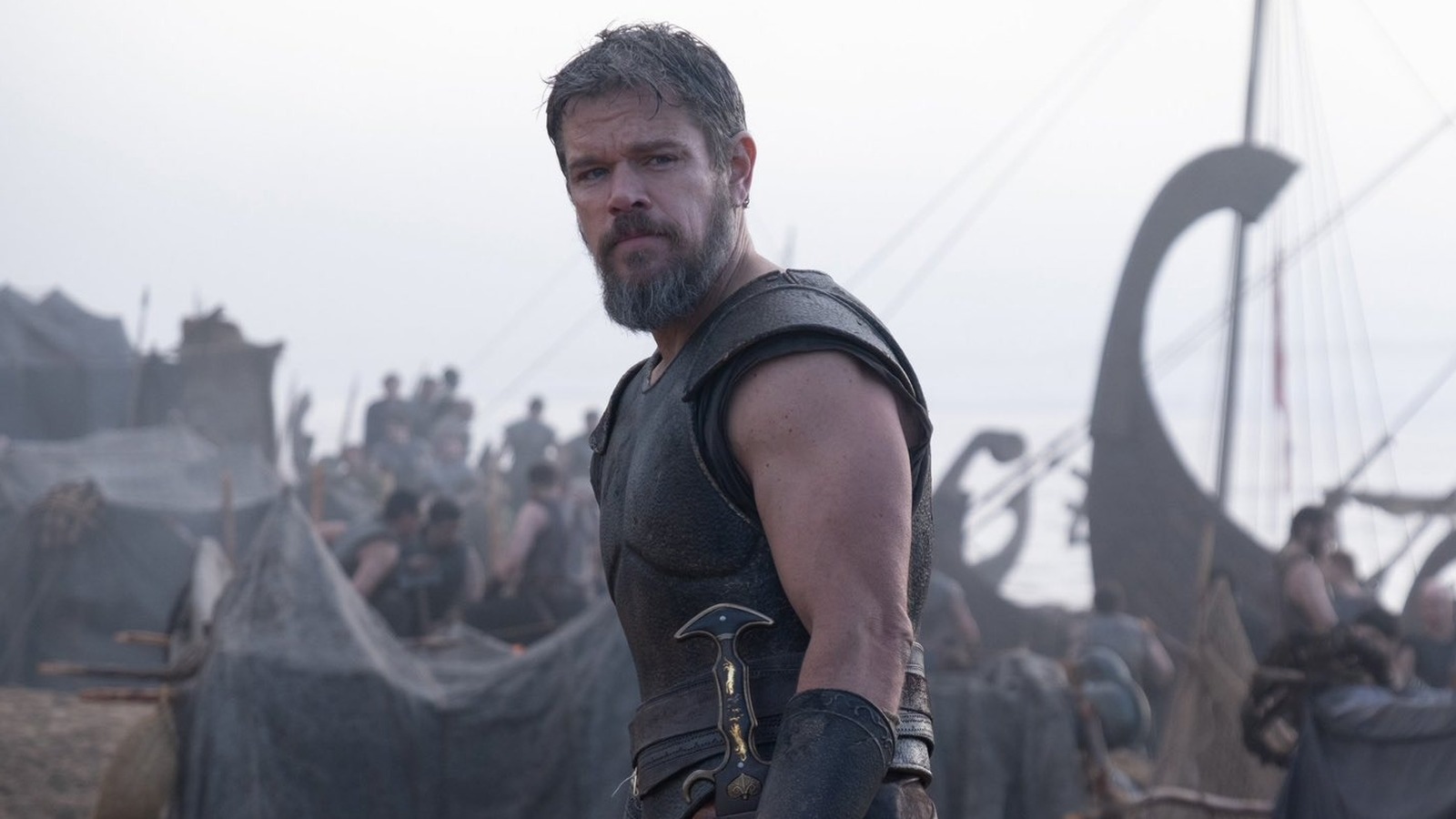
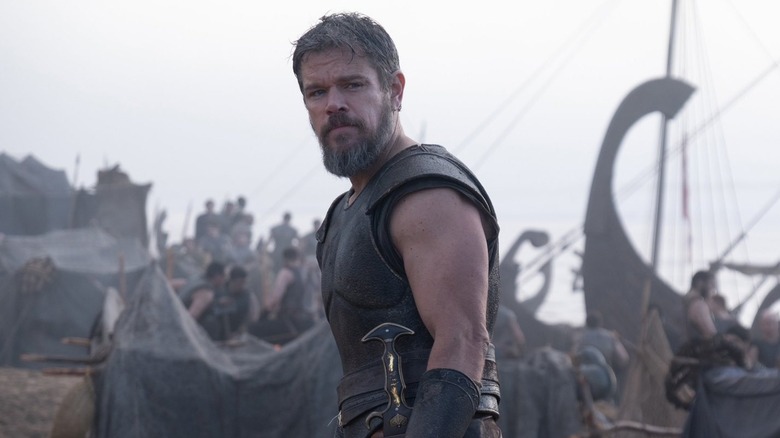
Matt Damon, stepping into the role of the legendary Odysseus, leads a cast that reads like a "who’s who" of modern Hollywood: Tom Holland, Anne Hathaway, Robert Pattinson, Lupita Nyong’o, Zendaya, and Charlize Theron. This ensemble suggests that the film will focus as much on the interpersonal power struggles and the moral decay of war as it does on the grand mythological spectacle. By opting for an R-rating, Nolan is likely ensuring that the violence of the Trojan War and the harrowing nature of Odysseus’s journey are depicted with the gravity they deserve, rather than being sanitized for a wider release.
Industry Implications: A New Benchmark for Auteurs
The success or failure of The Odyssey will have a ripple effect across Hollywood. If a $250 million original epic can dominate the box office with an R-rating, it provides a blueprint for other A-list directors to move away from the constraints of franchise-driven PG-13 mandates.
Moreover, this shift highlights the changing relationship between studios and directors. In an environment where original ideas are struggling to find funding, Nolan’s ability to command massive budgets for adult-oriented content is a rare privilege. It demonstrates that studios are increasingly willing to empower "auteur-driven" blockbusters—films that prioritize a singular creative vision over the committee-led process typical of shared universes.
Looking Ahead: July 17, 2026
As the release date of July 17, 2026, approaches, the discourse surrounding The Odyssey will undoubtedly intensify. We are witnessing a transition in what constitutes a "tentpole" movie. It is no longer enough to have massive sets, A-list talent, and cutting-edge visual effects. Today’s audiences are looking for a unique, uncompromising voice.
Christopher Nolan has spent his career building a foundation of trust with the public. Every film he directs is an invitation to witness a specific vision of the world—one that is often dark, complex, and deeply human. By choosing to push The Odyssey into the R-rated space, he is not just telling an ancient story; he is reaffirming his commitment to the kind of uncompromising cinema that once defined the golden age of the Hollywood epic.
Whether The Odyssey will ultimately surpass the heights of Oppenheimer remains to be seen. But one thing is certain: the industry is watching, and for the first time in years, the most anticipated movie of the summer is one that doesn’t rely on a mask, a cape, or an existing franchise to justify its existence. It relies on the power of the story, the scale of the vision, and the director’s refusal to play by the rules of the rating board.









No comments yet. Be the first to join the conversation!