

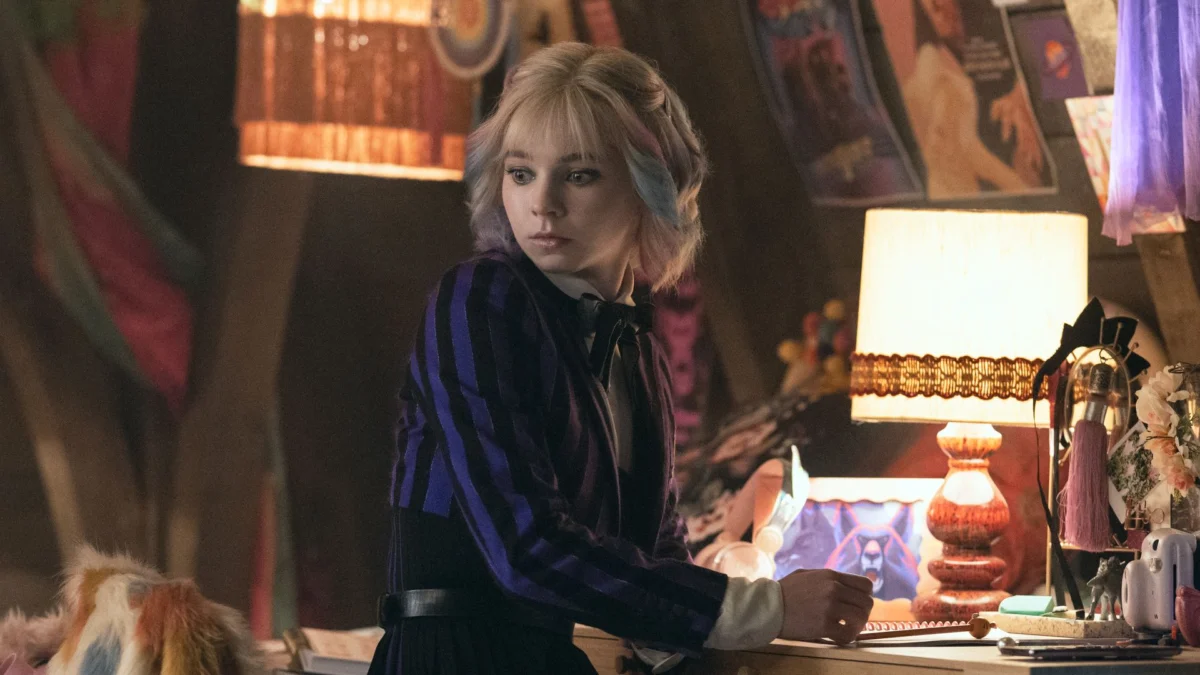
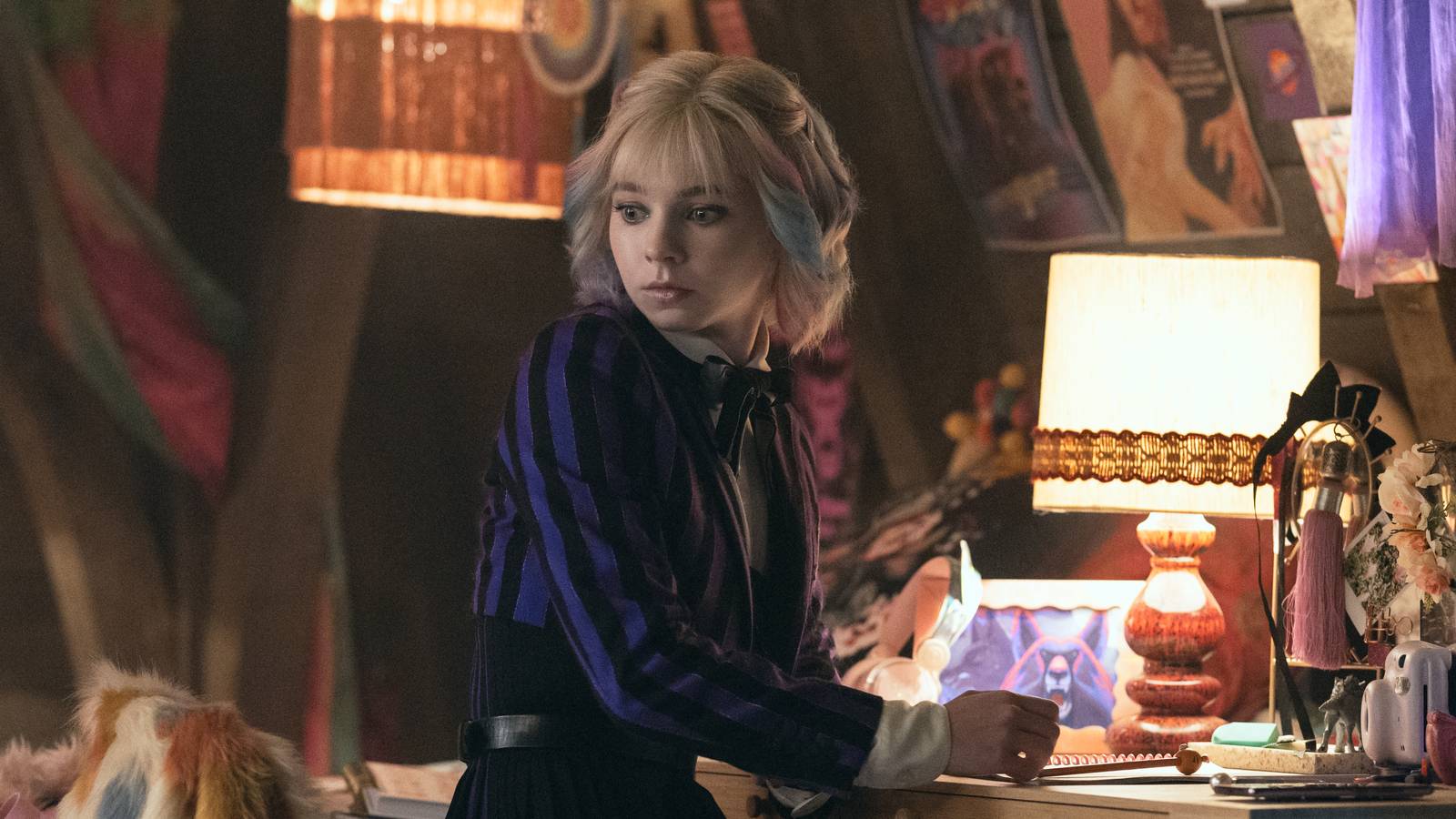
While audiences first fell in love with Emma Myers as the kaleidoscope-bright, werewolf-transforming Enid Sinclair in Netflix’s global phenomenon Wednesday, a quieter, more cerebral transformation has been taking place in the shadows of a British small town. With the highly anticipated return of A Good Girl’s Guide to Murder for its second season, it has become undeniably clear that the role of Pippa "Pip" Fitz-Amobi is not just another credit on Myers’ resume—it is her defining performance.
As the series returns to screens, the mystery surrounding the murder of Andie Bell has evolved from a local investigation into a complex character study, one that showcases the breadth of Myers’ range far beyond the vibrant energy of her most famous role.
The Main Facts: A Mystery Reborn
A Good Girl’s Guide to Murder first captivated audiences with its sharp, grounded take on the Young Adult mystery genre. Based on the best-selling novel by Holly Jackson, the series follows the tenacious and methodical Pip Fitz-Amobi. In the first season, Pip—convinced that her classmate Andie Bell’s death was not the closed-and-shut case the police claimed—begins an amateur investigation. Her goal was to clear the name of Sal Singh, a boy she remembers as a figure of kindness, despite the town’s insistence that he was a killer.
By the conclusion of the inaugural season, the truth was unearthed, revealing a grim web of systemic betrayal and the predatory actions of Max Hastings. However, the show’s second season elevates the stakes. No longer a student merely playing detective, the Pip we encounter now is a character grappling with the psychological fallout of her actions. With Max Hastings heading to trial, the investigation into the disappearance of key witness Jaymie Reynolds forces Pip into a corner, transforming the narrative from a standard "whodunit" into a high-stakes legal and moral thriller.
Chronology of a Case: From Amateur Sleuth to Reluctant Crusader
To understand the gravity of the second season, one must look at the trajectory of the series. The chronology of the A Good Girl’s Guide universe is one of accelerating tension:
- The Catalyst: Five years after the disappearance of Andie Bell, Pip initiates her investigation for a school project, defying the local authorities and the town’s status quo.
- The Resolution of Season 1: The truth behind the Andie Bell case is revealed, exposing the corrupt underbelly of Little Kilton and naming Max Hastings as the primary antagonist.
- The Interim: The period between seasons highlights the lingering trauma and social isolation Pip faces after upending her community’s narrative.
- The Return (Season 2): As the legal proceedings against Hastings begin, the disappearance of Jaymie Reynolds serves as the inciting incident for the new season. Pip is no longer just solving a cold case; she is actively involved in an unfolding, dangerous situation.
Supporting Data: Why This Role Transcends the YA Genre
What distinguishes this season from its predecessor—and indeed from much of the current YA landscape—is the internal depth Myers brings to Pip. While the genre is often criticized for surface-level characterization, A Good Girl’s Guide to Murder leans into the complexities of neurodivergence and high-functioning anxiety.
Myers portrays Pip not as a stereotypical "detective," but as a young woman whose mind is a constant, grinding engine. Her performance highlights the traits of black-and-white thinking and hyperfixation, showing how these elements of her personality are both her greatest strengths and her potential undoing. Unlike the bubbly, externalized energy of Enid Sinclair, Pip is internal. Her intensity is conveyed through micro-expressions—a twitch of the eye when a lie is detected, or the rigid stillness of her posture when she is building a logical argument.
Supporting data from critics and audience sentiment suggests that this "quiet" acting is resonating more deeply with viewers than traditional high-octane drama. In season 2, we see the consequences of her obsession. Where she once attempted to balance her school life and friendships, the trial of Max Hastings consumes her. The writing allows Myers to explore the "spiral"—a state of being where her need for justice becomes an all-encompassing force that alienates those closest to her.
Official Responses and Production Insight
The production team behind the show, including creators Poppy Cogan and Holly Jackson, have spoken extensively about the necessity of maintaining the authenticity of the source material while allowing the medium of television to push the characters further.
"Emma was always our first choice for Pip," a production spokesperson noted during early promotional junkets. "The way she approaches the script is forensic. She doesn’t just read the lines; she maps out the mental state of the character at every stage of the investigation."

Directors Tom Vaughan and Dolly Wells have also emphasized that the aesthetic shift in Season 2—a move toward darker, more claustrophobic cinematography—was designed to mirror Pip’s deteriorating mental clarity. The decision to lean into the emotional toll of the mystery reflects a broader industry trend of treating "teen" content with the same narrative gravity as prestige adult dramas.
The Implications: A New Benchmark for Young Adult Television
The success of A Good Girl’s Guide to Murder season 2 has significant implications for the future of the genre.
1. The Death of the "One-Note" Teen Archetype
For years, teen dramas were defined by romantic entanglements and social hierarchies. The performance delivered by Myers proves that audiences are hungry for stories where the "mystery" is secondary to the psychological integrity of the protagonist. Pip’s journey is not just about solving a murder; it is about the cost of truth-seeking.
2. The Power of Neurodivergent Representation
By portraying a character who experiences hyperfixation and social discomfort not as a punchline, but as a valid (and often heroic) way of experiencing the world, the show sets a new bar for representation. Myers plays these traits with a vulnerability that validates the experiences of many viewers who see themselves in Pip.
3. Emma Myers’ Star Power
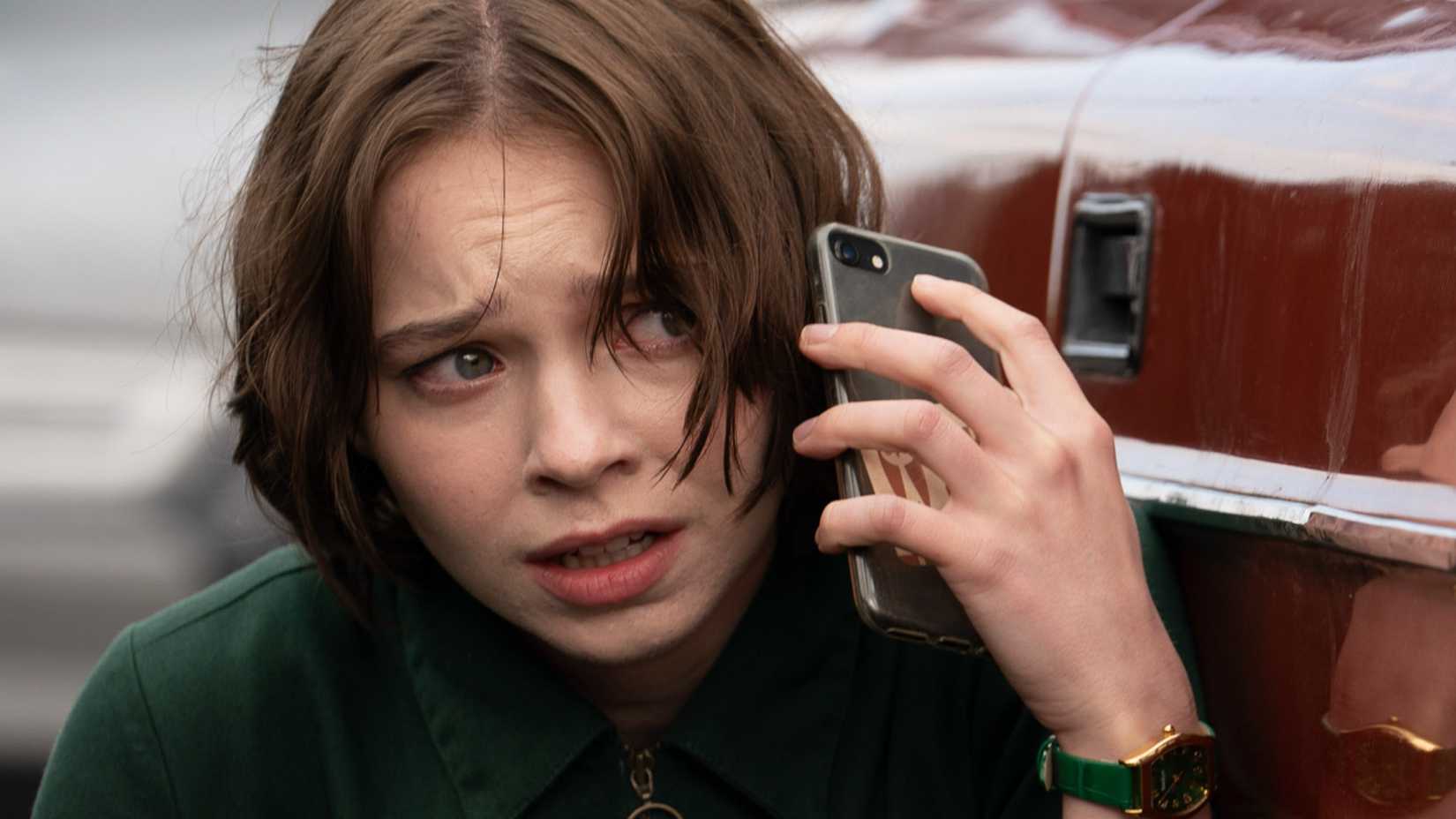
With this role, Myers has successfully shed the "sidekick" label she occupied in Wednesday. While her role as Enid was a masterclass in physical comedy and optimism, her role as Pip is a masterclass in restraint. It signals a shift in her career path, potentially leading her toward more complex, dramatic, and perhaps darker roles in the coming years. She has proven that she can carry a series, anchor a narrative, and elicit deep emotional responses from an audience with nothing more than a furrowed brow.
Conclusion: Why You Must Watch
Ultimately, A Good Girl’s Guide to Murder season 2 is more than a follow-up to a successful book adaptation. It is a showcase for one of the most compelling young talents in the industry. As the season progresses, the stakes for Pip Fitz-Amobi become personal, desperate, and heartbreakingly real.
Whether you are a fan of the original novels, a follower of Emma Myers’ career, or simply someone who appreciates a tightly woven, character-driven mystery, this season is essential viewing. It challenges the viewer to look past the surface of the "detective" trope and see the human being underneath—a young woman fighting for justice in a world that would prefer she stay silent.
Awards shows may historically overlook the YA genre, but the performance given by Emma Myers in this season is undeniably award-worthy. It is a performance that reminds us that the best mysteries aren’t just about finding the killer; they are about finding out who you are when the world is looking the other way. For those ready to dive into the dark, twisty, and emotionally resonant world of Pip Fitz-Amobi, the trial of Max Hastings is only the beginning of the journey.











No comments yet. Be the first to join the conversation!