

By David Crow | July 15, 2026
In the vast, shifting landscape of modern cinema, few directors possess the gravitational pull of Christopher Nolan. With The Odyssey, his latest monumental endeavor, Nolan returns to the themes that have defined his illustrious career—time, obsession, and the crushing weight of memory—only this time, he anchors them in the bedrock of Western literature.
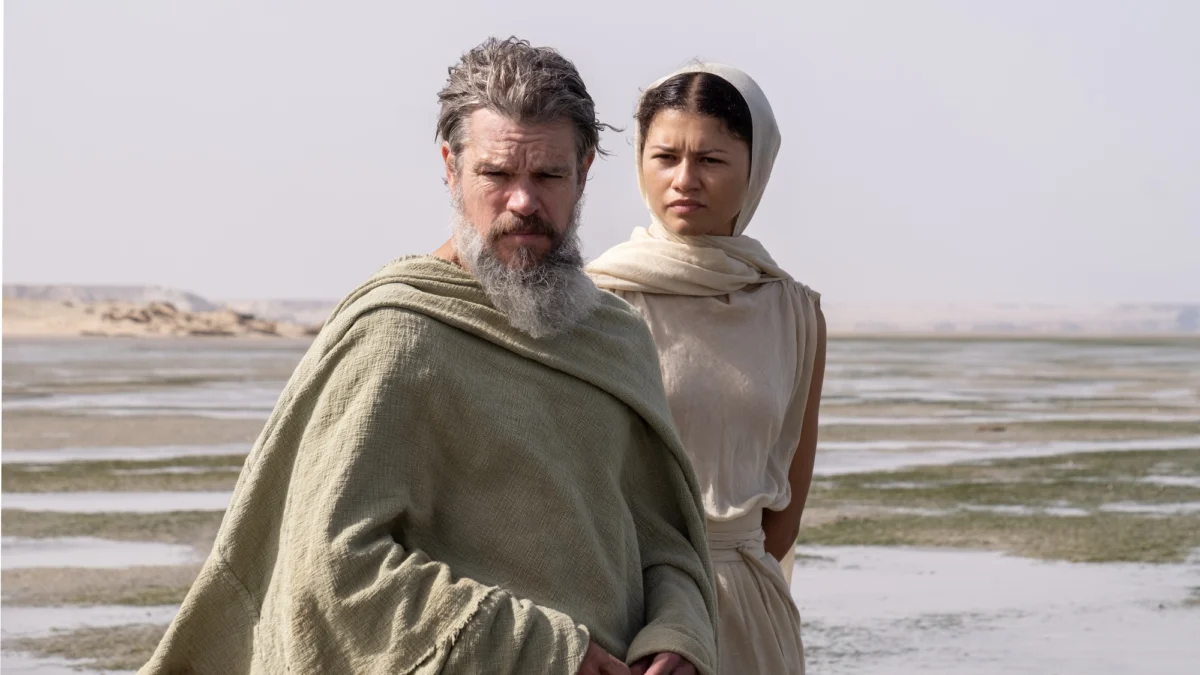
Before the audience ever catches a glimpse of the protagonist, the Odysseus of Christopher Nolan’s The Odyssey has already been subsumed by myth. He is present in the film’s opening moments, technically, tucked away within the claustrophobic, splintering wood of the Trojan Horse on the shores of a doomed city. Yet, this is not the Odysseus Matt Damon portrays in the film’s primary narrative. The hero we eventually meet is a man hollowed out by time, a ghost haunting his own legend.
Main Facts: A Titan of Myth Reimagined
Nolan’s The Odyssey is a three-hour epic that defies simple categorization. It is simultaneously a faithful adaptation of Homer’s ancient poem and a distinctly Nolan-esque meditation on the cost of greatness. The film, shot entirely in IMAX 70mm—a first for the industry, as the format was utilized for every dialogue sequence—is a visual marvel that brings the Mediterranean of the Bronze Age to life with startling, tactile clarity.
The core of the narrative focuses on the return of Odysseus (Matt Damon) to his island home of Ithaca, where he finds his wife, Penelope (Anne Hathaway), holding a crumbling kingdom together against a tide of predatory suitors. While the film features the expected mythological set pieces—the Cyclops, the enchantress Circe, and the sirens—these elements are filtered through Nolan’s preference for grounded, physical realism. The result is a film that balances the scale of a blockbuster with the intimacy of a domestic drama, exploring the fractured psyche of a man who has lost his sense of self in the fog of war.
Chronology of a Hero’s Descent
The film’s structure is non-linear, a hallmark of Nolan’s work, yet it remains tethered to the 10-year odyssey of its protagonist.
- The Trojan Prelude: The film opens in media res at the tail end of the Trojan War. We see the tactical genius of Odysseus, but also the brutal cost of his "wooden horse" strategy, which leaves a civilization reduced to ash and bondage.
- The Lost Years: The narrative frequently flashes back to the trials of the Aegean. We witness the encounter with Polyphemus, the Cyclops, executed with a harrowing, claustrophobic intensity. We see the influence of Athena (Zendaya), who serves as both a mentor and a haunting, ethereal judge of Odysseus’s moral trajectory.
- The Ithacan Present: The bulk of the film unfolds in the final days of Penelope’s resistance. As she fends off the suitors who occupy her home, the film builds a slow-burning tension that contrasts sharply with the frantic, violent memories of Odysseus’s travels.
- The Convergence: The third act sees the return of the king. It is a masterclass in pacing, leading to a showdown with the primary antagonist, Antinous (Robert Pattinson), which serves as the emotional and visceral climax of the journey.
Supporting Data: Technical and Narrative Mastery
The technical achievement of The Odyssey cannot be overstated. Cinematographer Hoyte van Hoytema has captured the Aegean with a sensory richness that makes the environment feel like a character in its own right. From the salt-crusted decks of the galleys to the desolate, sun-bleached cliffs of Calypso’s island, the film is a masterclass in naturalistic cinematography.
A Cast of Legends
The performances provide the emotional pulse for the film’s gargantuan scope:
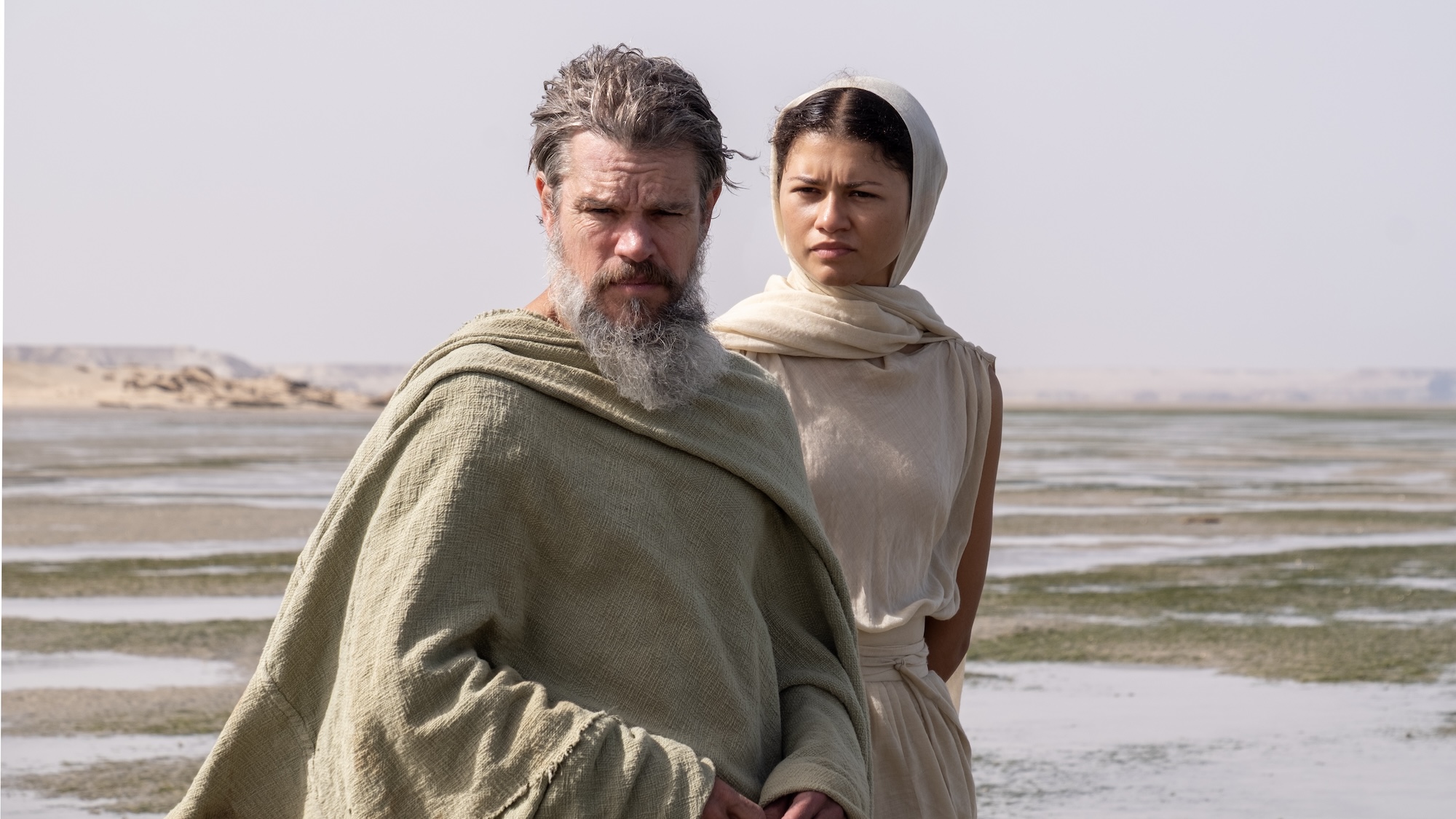
- Matt Damon (Odysseus): Damon delivers a career-best performance, portraying a man who is physically and mentally broken, burdened by the realization that his return home may be the final tragedy of his life.
- Anne Hathaway (Penelope): Hathaway is the film’s emotional anchor. As a queen governing a realm that refuses to acknowledge her authority, her performance is one of quiet, steely resolve.
- Samantha Morton (Circe): Morton’s portrayal of the witch-goddess is a standout. She injects a sense of visceral, body-horror dread into the film, elevating her brief screen time to the level of high art.
- Robert Pattinson (Antinous): As the primary suitor, Pattinson is deliciously detestable, embodying the arrogance of the men who have laid siege to Ithaca.
Official Perspectives: The Director’s Vision
In recent press junkets, Nolan has described The Odyssey as the "ultimate homecoming." For a filmmaker who has spent decades exploring the distance between characters and their families—from the dream-layers of Inception to the cosmic isolation of Interstellar—this project feels like the final piece of a thematic puzzle.
"I wanted to understand the man behind the myth," Nolan stated during a preview event. "We often celebrate the ‘hero’s journey’ without looking at the cost. Odysseus is a man who destroyed his own life to save a world that, by the time he returned, barely recognized him."
The film’s production design, spearheaded by Ruth De Jong, emphasizes this theme of "home." The sets are textured and lived-in, moving away from the sanitized aesthetic often found in Greek epics. Every prop, from the armor of the soldiers to the simple pottery in the palace, feels like a relic of a lost civilization.
Implications: A New Standard for the Mythological Epic
The Odyssey serves as a sobering reminder of the power of cinema to act as a mirror to our own societal anxieties. By incorporating the historical "Sea People"—the mysterious confederation of naval raiders who contributed to the Bronze Age collapse—Nolan draws a direct parallel between the geopolitical instability of the past and the fracturing of modern global civility.
The film does not shy away from the darker aspects of the source material. It examines the "beastly nature of men," a theme explored through Circe’s magic, and the inherent corruption of power. It is a cautionary tale about hubris, suggesting that the greatest wars are not fought on distant shores, but within the hearts of those who struggle to find their way back to who they once were.
While critics may point to the film’s dense, expository dialogue or the truncated appearances of certain mythological creatures, these are minor fissures in a magnificent architectural achievement. The Odyssey is a massive, audacious, and deeply felt piece of filmmaking. It is a work that demands to be seen on the largest screen possible, not just for the spectacle of its storms and battles, but for the quiet, devastating power of its final, intimate scenes.
In the end, The Odyssey confirms Christopher Nolan’s place as one of the most vital storytellers of his generation. He has taken the oldest story in the Western canon and made it feel urgent, terrifying, and profoundly human. As the final frame fades, one is left with the sensation of having completed a long, arduous, and ultimately rewarding journey—much like the king of Ithaca himself.
The Odyssey arrives in theaters nationwide on Friday, July 17, 2026.










