

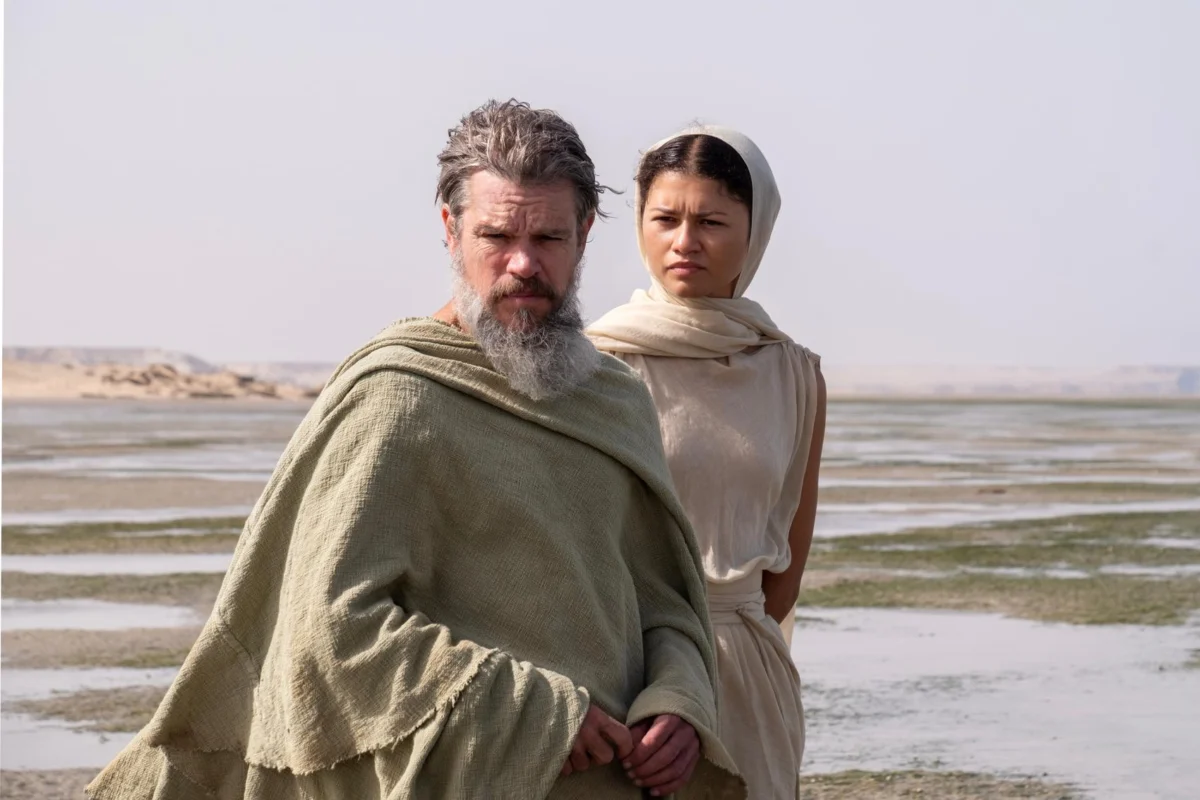
In a summer box-office landscape defined by franchise fatigue and the dominance of pre-existing intellectual property, Christopher Nolan has once again defied the odds, proving that his name alone carries more weight than any cinematic universe. His latest magnum opus, The Odyssey, has stormed into theaters with a staggering $124.5 million domestic opening, bolstered by a massive $139.6 million international debut.
The film, a bold and visceral adaptation of Homer’s ancient epic, has not only outperformed the initial launch of the director’s 2023 phenomenon Oppenheimer but has secured the most lucrative opening weekend for the British filmmaker since 2012’s The Dark Knight Rises. As the industry watches on with bated breath, The Odyssey stands as a testament to the enduring power of the "event film" and the singular, gravitational pull of Nolan’s visionary brand.
The Anatomy of an Unlikely Blockbuster
Universal Pictures took a calculated, high-stakes gamble on The Odyssey. With a production budget of $250 million and an additional $125 million marketing spend, the project ranks among the most expensive R-rated films in history. However, for a director who has spent two decades crafting an auteur-driven blockbusting model, the risk was calculated.
Unlike many of his contemporaries who rely on established comic book lore, Nolan chose to interpret one of the oldest pieces of literature in human history. By blending ancient mythology with the modern, high-fidelity spectacle of IMAX 70mm, he successfully bridged the gap between academic prestige and popcorn-fueled summer entertainment.
A Masterclass in Format
A defining characteristic of this release has been the "Nolan Premium." As the first feature film shot entirely with IMAX cameras, the format became the primary driver of the film’s financial success. IMAX reported its best weekend in company history, with The Odyssey accounting for $29.6 million in domestic IMAX ticket sales and $51.8 million globally.
The fervor for the 70mm format reached near-mythic proportions. To meet the unprecedented demand, theaters across the globe scheduled 3 a.m. screenings, which sold out within minutes of being posted. IMAX CEO Rich Gelfond noted that in many locations, tickets for the fifth week of the theatrical run were already being snatched up by eager cinephiles, solidifying the film’s status as a bona fide cultural event.
Chronology of a Cultural Phenomenon
The journey to The Odyssey’s record-breaking opening began long before the first frame hit the screen. The path to this success was paved with strategic marketing and a series of deliberate choices that solidified its place in the zeitgeist.
- The Lead-Up: A full year before the premiere, IMAX began taking presales for 70mm showtimes. This strategy tapped into a "collector’s mindset," turning the purchase of a ticket into a badge of honor for the most dedicated fans.
- The Opening Weekend: As the film officially hit screens, it faced zero significant competition. This clear release window allowed the film to suck the oxygen out of the room, drawing in a demographic that spanned from Gen Z cinephiles to older audiences who rarely visit theaters.
- The Future Outlook: With the next major tentpole, Spider-Man: Brand New Day, not hitting theaters until July 31, The Odyssey is perfectly positioned to dominate the domestic box office for the remainder of the month. Experts are already projecting a long, legs-heavy theatrical run that could carry the film well into the fall.
Supporting Data: By the Numbers
The metrics surrounding The Odyssey provide a clear picture of its dominance. According to Rentrak, the industry is currently trending toward its first $10 billion domestic year since the pre-pandemic era, with The Odyssey acting as the primary engine for this growth.
- Domestic Debut: $124.5 million
- International Debut: $139.6 million
- IMAX Domestic Share: $29.6 million
- Rotten Tomatoes Score: 95% (Certified Fresh)
- CinemaScore: "A"
- Demographic Split: 59% male, with notably strong performance across both the 17–25 and 55+ age brackets.
While conservative commentators voiced criticism regarding the casting choices—specifically the inclusion of Lupita Nyong’o as Helen and Elliot Page as a soldier—the data suggests that this controversy had zero impact on the general public’s interest. The film’s "A" CinemaScore indicates high audience satisfaction, rendering external political chatter largely irrelevant to the film’s bottom line.
Official Responses: Architects of the Success
Industry leaders have been quick to praise both the film’s quality and the role it plays in the current health of the cinema industry.
Jim Orr, head of domestic distribution for Universal, emphasized the "palpable excitement" that permeated theaters over the opening weekend. "Nolan has crafted an epic adventure," Orr stated. "It’s on a scale that audiences have responded to extraordinarily well. We are seeing a demographic that is ridiculously broad; it’s delivering for the 17-year-old and the 55-year-old alike."
Rich Gelfond of IMAX underscored the importance of the viewing experience: "The IMAX of it all helped turn it from a blockbuster into a global cultural event. We have tickets on sale for week five, and many are already sold out. It is a testament to the hunger for premium, big-screen storytelling."
Paul Dergarabedian, a senior analyst for Rentrak, perhaps captured the essence of the moment best: "Christopher Nolan and Tom Cruise may be the two most high-profile ambassadors for the big-screen experience. Nolan is a director who is a star as much as any actor in front of the camera."
Implications for the Future of Hollywood
The success of The Odyssey has profound implications for the future of the theatrical industry. For years, analysts have questioned whether the traditional blockbuster model was dying, crushed by the weight of streaming services and declining attention spans. Nolan’s success provides a definitive counter-argument.
The Return of the Auteur
In an era where "the brand" usually means a superhero franchise, Nolan has proven that the director remains the most potent brand in cinema. By refusing to compromise on his vision—insisting on IMAX cameras, practical effects, and an R-rated, intellectually demanding narrative—Nolan has attracted a loyal audience that trusts his creative choices implicitly.
The "Barbenheimer" Legacy
Nolan’s trajectory since 2020 has been nothing short of miraculous. During the darkest days of the pandemic, he championed the release of Tenet as a lifeline for theaters. His follow-up, Oppenheimer, which grossed $975 million worldwide, helped spark the "Barbenheimer" cultural phenomenon that proved audiences were still willing to show up in droves for challenging, original content. The Odyssey is the third pillar in this revival, effectively stabilizing the box office for the coming year.
A Lesson for Competitors
The struggle of other high-budget films—such as the recent underperformance of Disney’s live-action Moana remake, which has struggled to gain traction—highlights the growing divide between movies that feel like "events" and those that feel like "content." Moana’s 56% drop in its second weekend, despite a $250 million budget, serves as a stark warning to studios that audiences are becoming increasingly selective. In a world where theater tickets are a luxury, only the most "event-worthy" films are surviving.
As The Odyssey continues its run, the industry will undoubtedly study its marketing, its release strategy, and its reliance on premium formats. For now, however, Christopher Nolan sits atop the throne of global cinema, having turned an ancient Greek poem into the most vital, relevant, and profitable story of the modern age. The message is clear: if you build a theater experience worth witnessing, the audience will come—even if it means buying a ticket for 3 a.m. on a Tuesday.











