

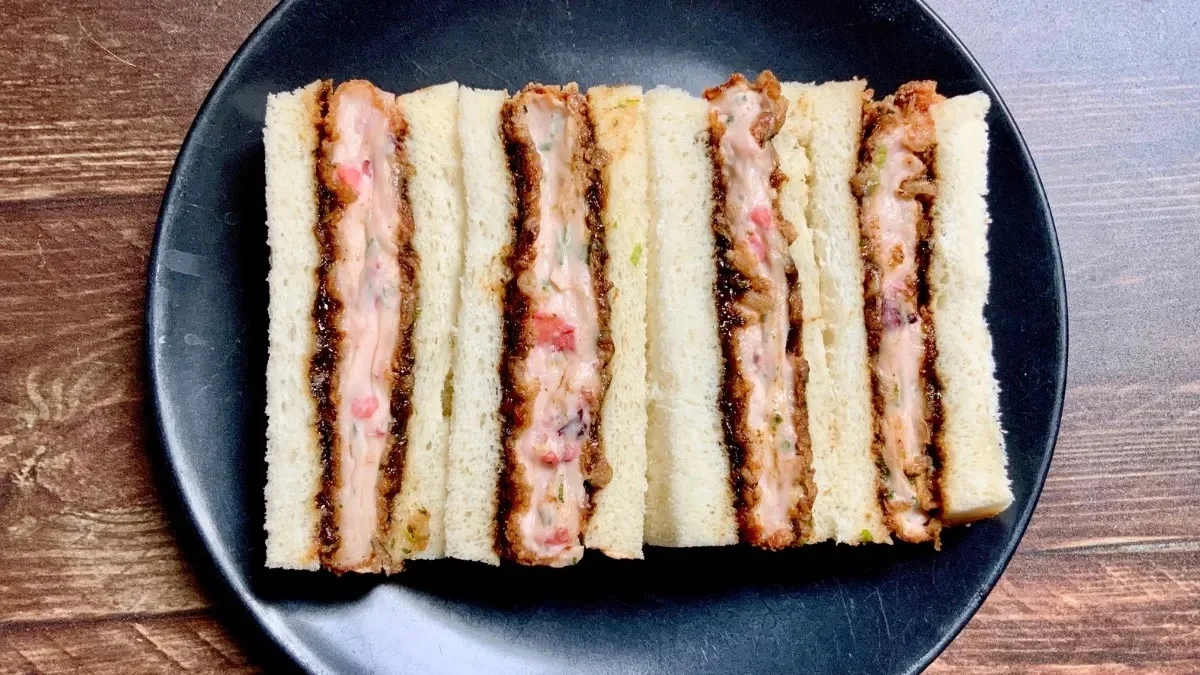
In the culinary landscape of Japan, few dishes are as iconic or as geographically tethered to their roots as takoyaki. These piping-hot, batter-dipped octopus spheres, traditionally griddled on the bustling street corners of Osaka, represent the heart and soul of Kansai soul food. Yet, in a move that has sent shockwaves through the Japanese gourmet community, the Michelin-listed restaurant Kushikatsu Bon has deconstructed this street-side staple, transforming it into a high-end, unexpected form: the "Takoyaki-style Cream Croquette Sandwich."
This culinary experiment challenges the traditional boundaries between casual street food and refined dining. By bridging the gap between a classic katsu sando (cutlet sandwich) and the savory, umami-rich profile of octopus balls, Kushikatsu Bon has created a dish that is as intellectually stimulating as it is palate-pleasing.
The Genesis of the Takoyaki Sandwich: Main Facts
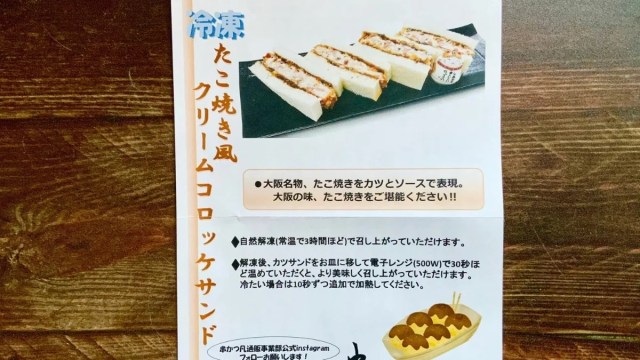
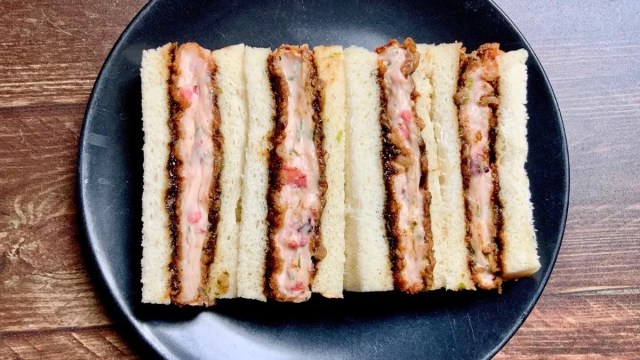
The Takoyaki-style Cream Croquette Sandwich is not merely a novelty item; it is a meticulously engineered piece of fusion cuisine. At its core, the sandwich replaces the typical pork cutlet found in a katsu sando with a custom-developed cream croquette. This croquette is infused with the essential elements of takoyaki: pieces of tender, chewy octopus (tako), fragrant spring onions, and the sharp, palate-cleansing zing of pickled ginger (beni shoga).
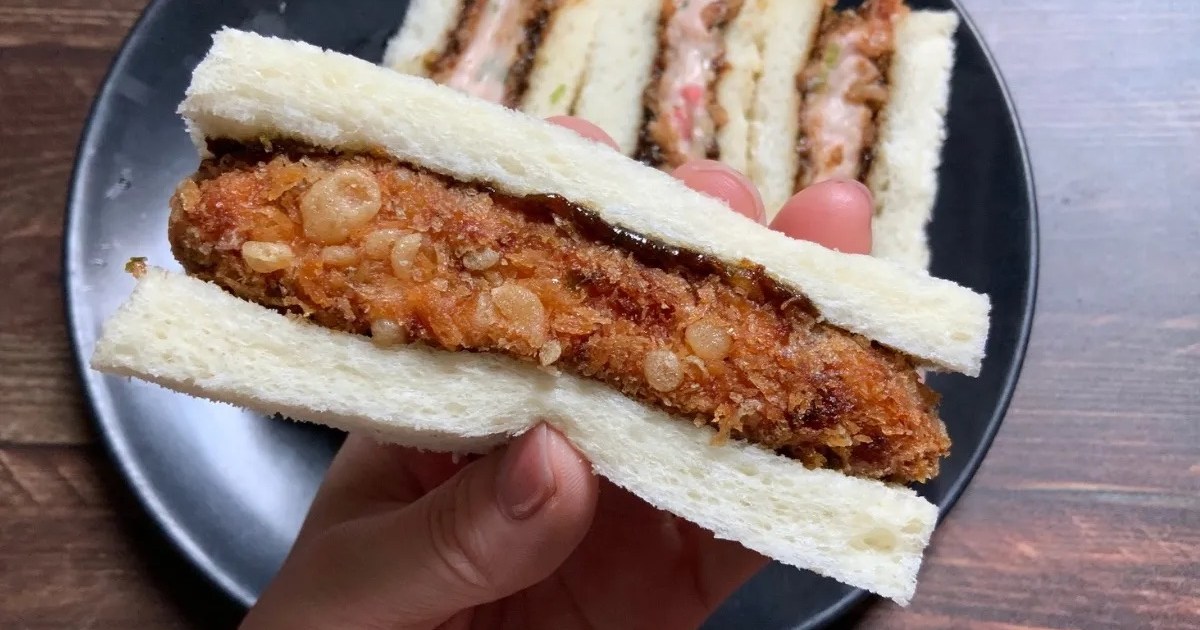
The exterior of the croquette is coated in a panko breadcrumb mixture fortified with crunchy tempura bits—a deliberate choice to mimic the crispy-yet-yielding texture of a freshly fried takoyaki ball. The entire assembly is then tucked between two slices of pillowy-soft white bread, standard for the Japanese sandwich aesthetic, and finished with a traditional, tangy takoyaki sauce.
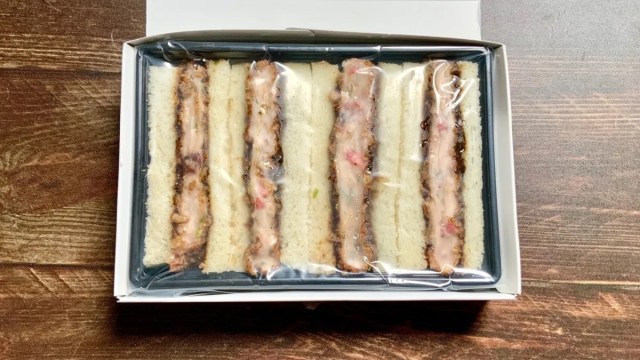
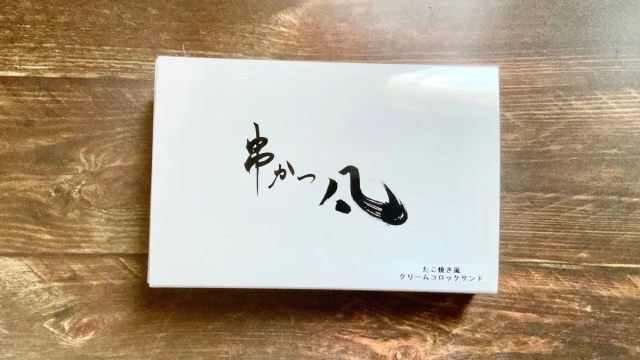
Available for purchase via the restaurant’s official Rakuten storefront, this product is sold frozen, retailing for 1,250 yen (approximately US$7.69). It serves as an accessible bridge for those unable to make the pilgrimage to Osaka, bringing the Michelin-standard interpretation of a street-food staple directly to the home kitchen.
A Culinary Chronology: From Street Side to Fine Dining
The journey of this sandwich from a conceptual draft to a consumer-ready product reflects the evolving nature of Japanese food tech.
Phase 1: Conceptualization and Prototyping
The chefs at Kushikatsu Bon began by analyzing the sensory profile of a traditional takoyaki. They identified the key "pain points" of home delivery: the loss of heat and the sogginess that often plagues the octopus ball’s delicate shell. To overcome this, they shifted toward the croquette format—a structural vessel that retains heat and maintains a crispy exterior far better than a traditional batter ball.
Phase 2: Product Testing and Distribution
Recognizing that a Michelin-level experience requires consistency, the restaurant opted for a blast-frozen delivery model. Upon receiving the order, the consumer is instructed to thaw the sandwich at room temperature for approximately three hours. This slow thaw prevents the bread from becoming gummy and allows the moisture within the croquette to redistribute evenly.
Phase 3: The Final Preparation
The final step in the chronology of the meal is a short, precise burst in the microwave. This step is critical; it warms the internal creamy filling without compromising the integrity of the bread or the crunch of the tempura-infused coating. When consumed, the result is a sensory "glitch"—the brain expects the texture of a katsu sando, but the tongue receives the distinct, savory flavor of a Takoyaki night-market stall.
Supporting Data: Why This Works
The success of the Takoyaki-style Cream Croquette Sandwich lies in the science of "umami layering."
- The Texture Contrast: In a traditional takoyaki, the texture is soft throughout, with only the octopus offering a firm bite. By incorporating the tempura-infused croquette, Kushikatsu Bon has introduced a consistent "crunch" factor that elevates the dish, separating it from the "mushiness" that detractors often criticize in standard takoyaki.
- The Creamy Bridge: The use of a cream-based filling (a bechamel style base) allows the disparate ingredients—octopus, ginger, and scallions—to coalesce. It acts as a binding agent that mellows the acidity of the pickled ginger while highlighting the brine of the octopus.
- The "Mind-Play" Factor: Gastronomy often relies on the element of surprise. By masking the takoyaki within a sandwich, the restaurant triggers a cognitive dissonance in the diner. The initial visual cues (the shape of the sandwich) clash with the olfactory and gustatory inputs (the aroma of the takoyaki sauce and the chew of the octopus). This experience forces the diner to engage more deeply with the flavor profile, elevating a simple snack into a memorable event.
Official Responses and Culinary Reception
While there has been no formal statement from the Michelin guide regarding this specific dish, the culinary community in Osaka has responded with a mixture of amusement and genuine appreciation. Critics who have sampled the item note that it maintains a "refined, well-balanced" quality—a testament to the pedigree of the kitchen that produced it.
Market data from the restaurant’s online store indicates high demand, particularly among younger demographics who are accustomed to "hybrid" foods—a trend that has been growing in Japan since the success of recent experiments like the takoyaki-filled Danish bread. The consensus is that Kushikatsu Bon has successfully performed a "high-wire act," balancing the kitschy nature of street food with the technical precision of a Michelin-listed kitchen.
Implications for the Future of Street Food
The emergence of the Takoyaki-style Cream Croquette Sandwich signals a broader shift in the Japanese culinary industry: the professionalization of the "comfort food" category.
Historically, Michelin-starred establishments kept a rigid distance from street food. However, the success of this sandwich suggests that haute cuisine is becoming increasingly interested in the "nostalgia economy." By reinterpreting beloved, everyday foods through the lens of culinary technique, restaurants like Kushikatsu Bon are finding new ways to reach consumers who value quality but crave the comfort of their cultural roots.
Furthermore, the shift to a frozen, e-commerce-ready model has profound implications for regional specialty food markets. It demonstrates that geography is no longer an insurmountable barrier to quality. A fan in Tokyo can now experience the specific, high-end interpretation of an Osaka staple, effectively democratizing the "Michelin experience" one sandwich at a time.
As we look toward the future, it is likely that we will see more "cross-pollination" between high-end kitchens and street food traditions. Whether this leads to a new golden age of fusion or a saturation of gimmicky products remains to be seen. For now, however, the Takoyaki-style Cream Croquette Sandwich stands as a fascinating, delicious testament to the power of culinary innovation. It is, quite arguably, the most interesting development in the world of Japanese sandwiches in years—a bold, savory, and undeniably clever advancement that demands to be tasted to be believed.











