The 2026 Primetime Emmy Awards landscape has been defined by the juggernaut success of HBO Max’s The Pitt, which secured a staggering 25 nominations. While the industry expected the usual suspects—series mainstays like Noah Wyle, Katherine LaNasa, and Shawn Hatosy—to dominate the major categories, the most compelling narrative of the cycle emerged from the "Outstanding Guest Actor/Actress" fields.
In a rare display of industry defiance, actors Brittany Allen and Jeff Kober secured Emmy nominations entirely through their own initiative, bypassing the official submission lists of HBO Max. Their success serves as a masterclass in independent campaigning and highlights the cutthroat, often opaque mechanics of Hollywood’s "For Your Consideration" (FYC) season.
The Anatomy of an Emmy Snub (And a Self-Made Triumph)
The nominations for The Pitt were largely expected to mirror the critical consensus surrounding its second season, which has been widely praised for its unflinching portrayal of medical crisis and human empathy. Returning favorites, including the aforementioned Wyle and a transitioned Shawn Hatosy (moving from Guest to Supporting Actor), solidified their places as industry darlings. However, when the list of 14 HBO Max-endorsed performers was released, two names were conspicuously absent: Brittany Allen and Jeff Kober.
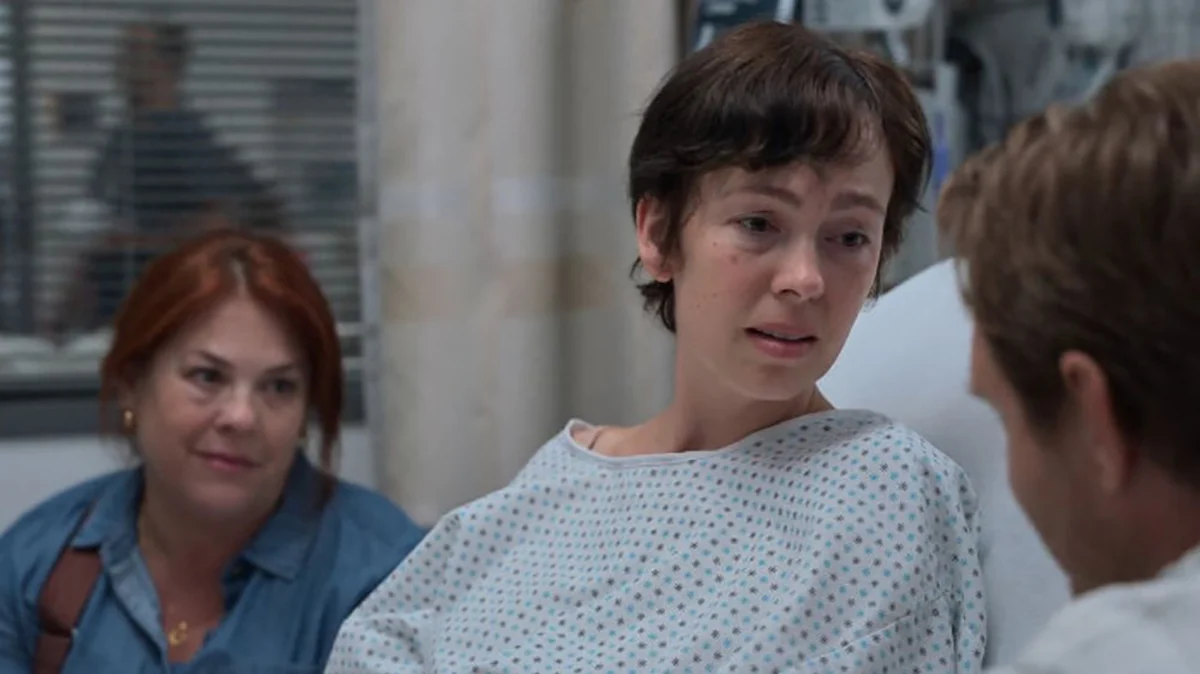
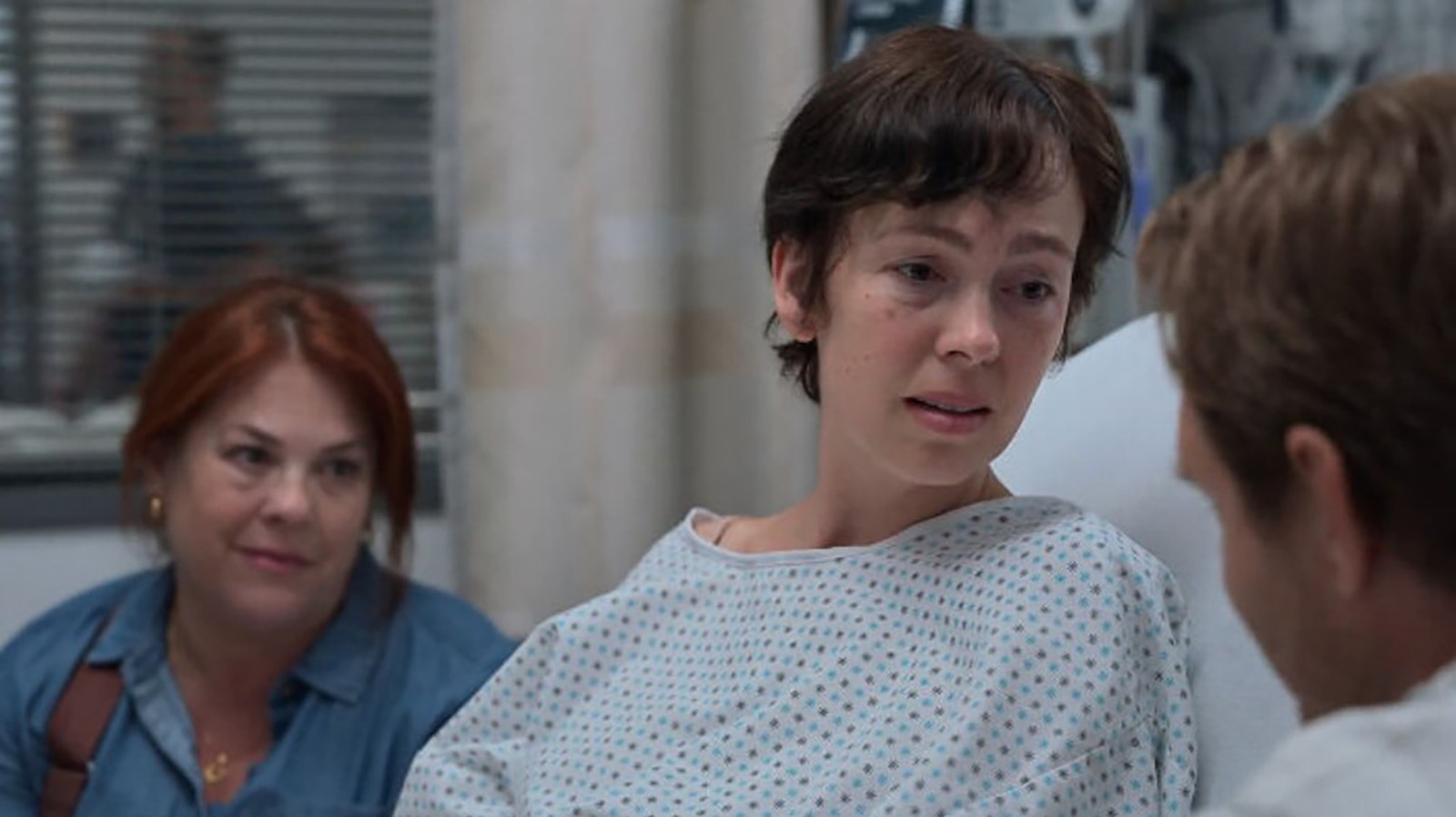
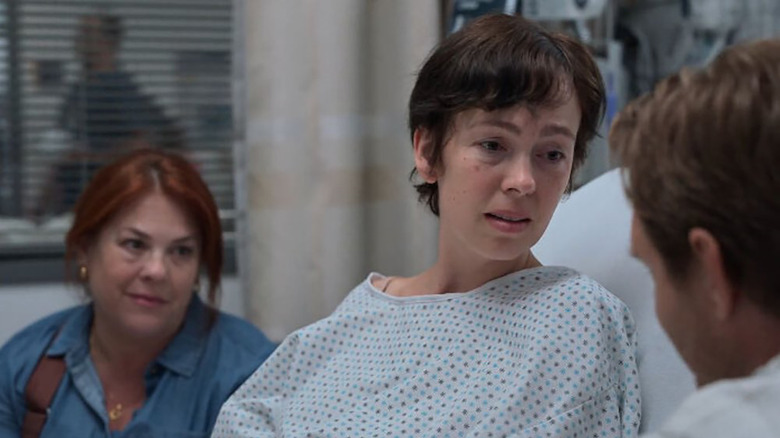
Allen’s portrayal of Roxie Hamler—a terminal cancer patient grappling with the finality of her condition—was arguably the emotional anchor of the season’s second half. Across six episodes, her performance was lauded for its devastating intimacy and technical precision. Similarly, veteran character actor Jeff Kober, a staple of television for over four decades, delivered a nuanced turn as Duke Ekins, a philosophical biker whose laid-back demeanor masked a brewing health crisis.
Despite the critical acclaim surrounding these performances, they were not among the names submitted by HBO Max. Rather than accepting the exclusion, Allen and Kober opted to utilize a little-known provision in the Television Academy’s rules: the right to individual self-submission. By paying the necessary entry fees and launching their own grassroots marketing campaigns, they successfully forced the Academy to consider their work on its own merits, ultimately securing their spots among the nominees.
The Mechanics of the "For Your Consideration" Machine
To understand the magnitude of Allen and Kober’s achievement, one must understand the high-stakes, industrial-scale nature of modern Emmy campaigning.
The "FYC" period is not merely a voting window; it is a multi-million-dollar industry. Studios, networks, and streaming giants like HBO Max operate with cold, mathematical precision. They rent out exclusive venues, curate expensive Q&A panels with A-list talent, and flood voters with "screener" packages.
The Strategy of Splitting the Vote
The reason studios often omit worthy performances from their official submission lists is not always a lack of appreciation. For ensemble-heavy dramas like The Pitt, the sheer volume of talent creates a strategic nightmare. If a network submits too many actors in a single category, they risk "splitting the vote"—whereby the ballots of the show’s supporters are diluted among four or five candidates, potentially causing all of them to lose to a performer from a less-crowded production.
By trimming their list to 14, HBO Max was likely attempting to concentrate their voting power on specific performers they felt had the best statistical chance of winning. This left Allen and Kober in the position of being "orphaned" by the studio’s strategic math.
A Chronology of the Campaign
The path to a self-submitted nomination is arduous, requiring the actor to transform into a publicist, strategist, and networker.
- Pre-Nomination Window: As the submission deadline approached, Allen and Kober recognized that their names were not on the official HBO Max slate.
- The Independent Push: Leveraging social media, industry podcasts, and targeted outreach to trade publications, both actors began a "guerrilla" campaign. They focused on highlighting the specific episodes of The Pitt that showcased their emotional range.
- The Voting Period: During the voting window, while HBO Max held official events for its endorsed stars, Allen and Kober relied on direct industry engagement. They participated in roundtable discussions and press interviews that emphasized their artistic contributions to the show’s second season.
- The Reveal: When the nominations were announced, the results were a testament to their efforts. Allen and Kober were listed alongside official studio candidates like Tal Anderson, Tina Ivlev, and Ernest Harden Jr., bringing the total number of guest acting nominations for The Pitt to five.
The "Soap Opera" Pedigree: A History of Betting on Oneself
Perhaps the most fascinating aspect of this story is that both actors are veterans of the high-pressure world of daytime television, where the skills required to gain recognition are often honed through sheer volume and dedication.
Brittany Allen rose to prominence on ABC’s All My Children, while Jeff Kober became a fixture on General Hospital. Both actors had previously navigated the complex rules of the Daytime Emmys, opting to submit themselves for consideration when their respective networks failed to do so. In both instances, they not only secured nominations but went on to win.
This track record suggests that Allen and Kober possess a unique intuition regarding what resonates with voters—a skill set that traditional studio executives, who often focus on "star power" and marketing metrics, may occasionally overlook.
The Broader Implications for the Industry
The success of Allen and Kober has sent a ripple through the industry, raising questions about the future of studio-led campaigning.
Empowerment vs. Cost
While self-submission allows actors to bypass the "gatekeeping" of studio publicity departments, it is not an accessible path for every performer. The submission fees alone can be prohibitive for working-class actors, and the time required to mount an independent campaign requires the resources of someone with a significant industry footprint. However, the precedent is clear: talent that is ignored by the machine can, with enough perseverance, override the machine’s decisions.
The Changing Landscape of Prestige TV
The Pitt has proven itself to be a titan of the television landscape, earning 25 nominations in a single year. Its ability to cultivate such depth of performance—from the series regulars to the guest stars who campaigned on their own dime—speaks to the strength of its casting and direction.
As the lines between streaming platforms and traditional networks blur, the influence of the "official" studio campaign may be waning. If actors can successfully lobby for their own recognition, it may encourage more performers to step out of the shadows of studio strategy. This shift could lead to a more meritocratic awards season, where the work—rather than the size of the network’s marketing budget—takes center stage.
Conclusion: A Victory for Artistic Autonomy
The saga of Brittany Allen and Jeff Kober is a reminder that the Emmys are not just a contest between corporations, but a recognition of individual human craft. By betting on themselves, they did more than just secure a nomination; they challenged the assumption that an actor’s worth is defined by their studio’s support.
As the awards ceremony approaches, all eyes will be on these two "underdogs." Whether or not they ultimately take home the trophy, their journey to the ballot has already secured them a place in the history of the industry—as the actors who proved that when the system ignores you, the most effective strategy is to simply write your own name on the list.