Nana
Nana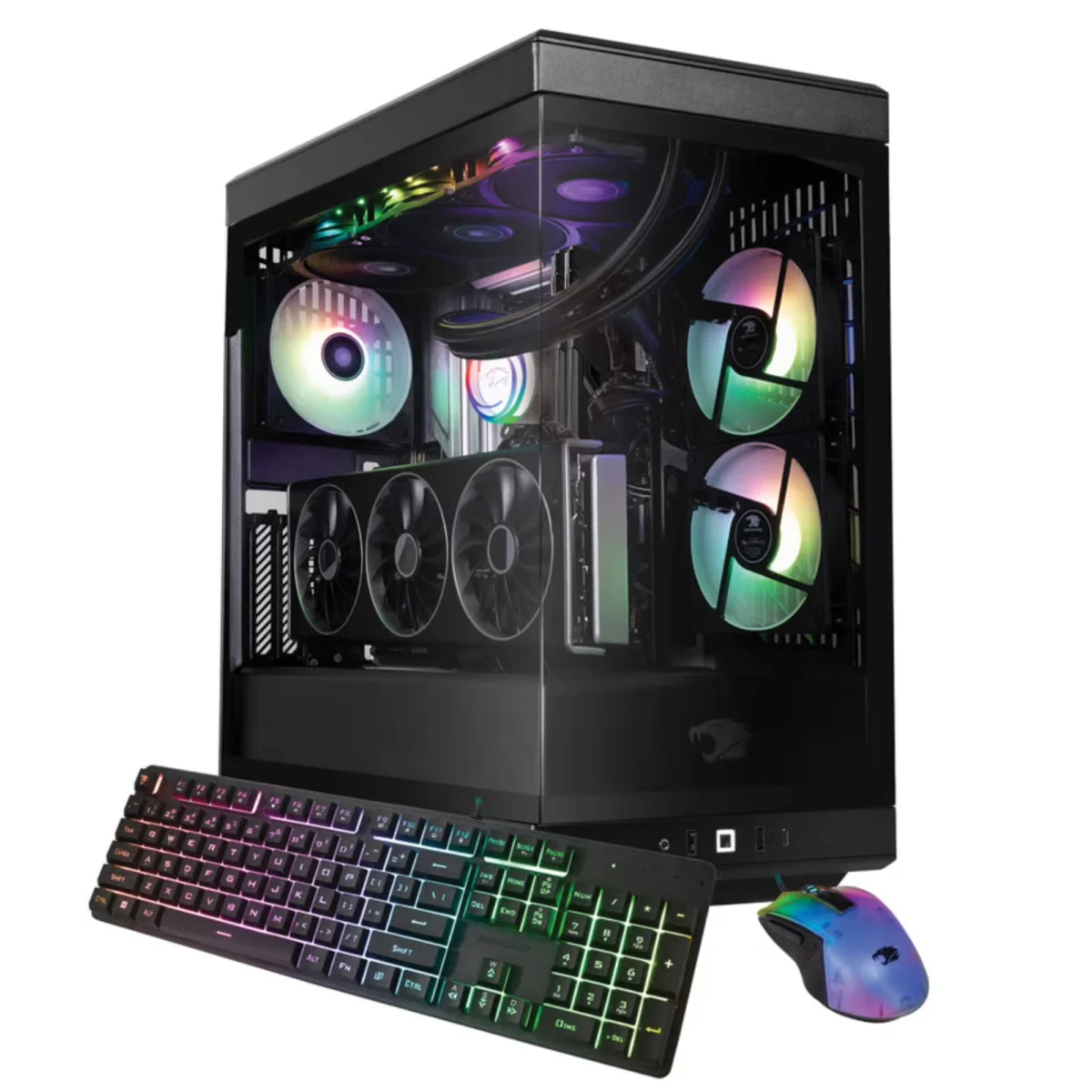
In the current landscape of high-performance computing, the age-old debate between "building vs. buying" has taken a dramatic turn. For years, the gold standard for enthusiasts has been to hand-select components, assemble them with care, and avoid the "prebuilt tax"—the premium manufacturers often charge for labor and proprietary parts. However, a massive price drop on the iBuyPower Element Pro gaming desktop at Walmart has effectively shattered that conventional wisdom, forcing even the most die-hard custom-builders to reconsider their approach.
Retailing originally for $2,500, this machine is currently seeing a staggering $750.99 discount, bringing the price down to just $1,749. To determine if this was merely a marketing gimmick or a genuine value proposition, we conducted a rigorous internal analysis, attempting to replicate the build piece-by-piece using the most cost-effective components available on the current market. The results were telling: even when sourcing the most budget-friendly, entry-level components for memory and storage, the total cost to build a mirror-image system exceeded $2,000. This deal is not just a discount; it is a market anomaly that renders the DIY route significantly more expensive.
The Core Specs: Power Without the Premium
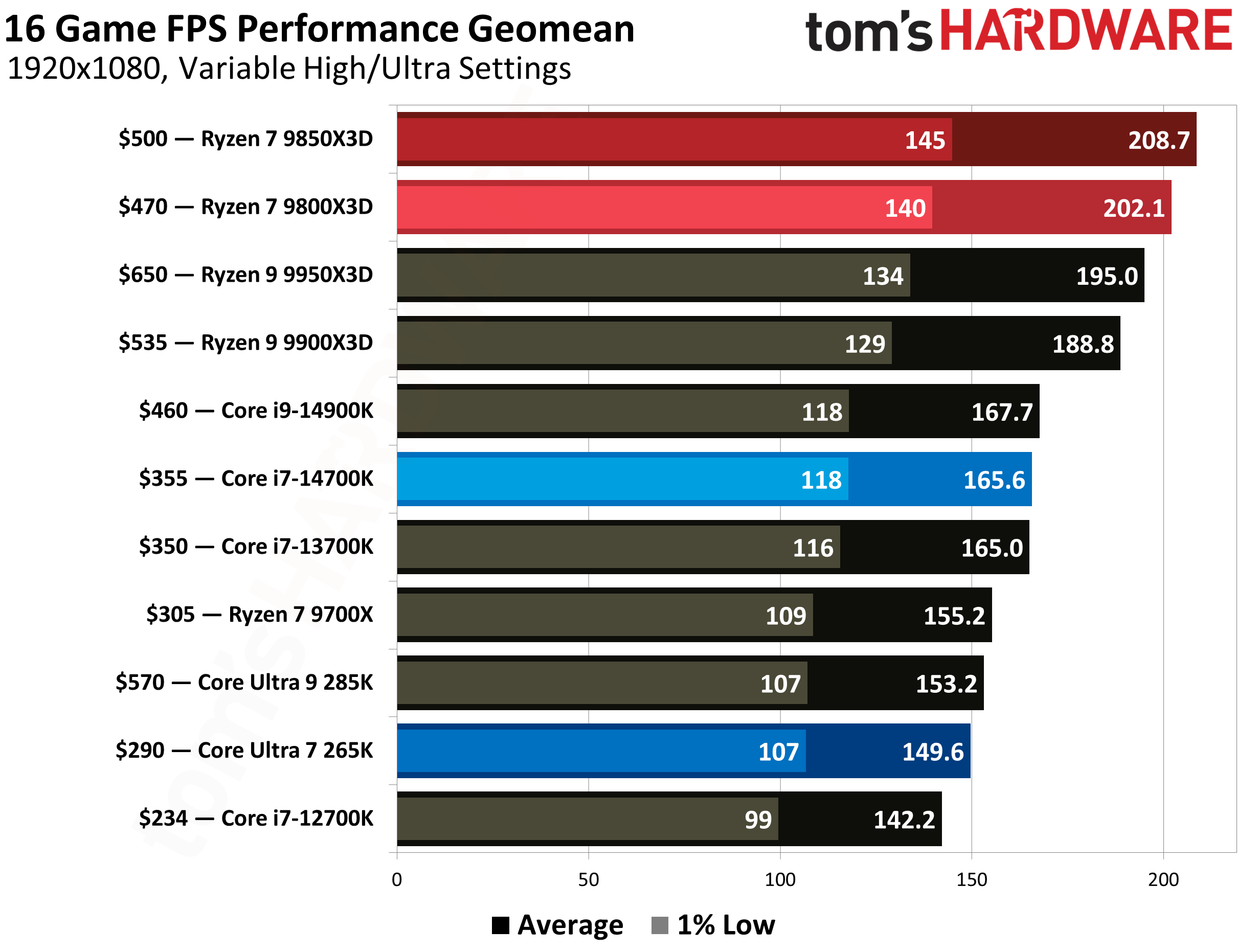
At the heart of the iBuyPower Element Pro lies a processing powerhouse: the AMD Ryzen 7 9800X3D. Widely regarded as the pinnacle of gaming CPUs, this chip utilizes AMD’s advanced 3D V-Cache technology to deliver frame rates that consistently outclass competitors. While it is technically shadowed in raw multi-threaded output by the overclocked Ryzen 7 9850X3D, the performance delta in gaming scenarios is negligible—and for most users, a moderate, stable overclock of the 9800X3D bridges the gap entirely.
Cooling is a frequent point of failure in budget prebuilts, but iBuyPower has avoided this pitfall by including a robust 360mm all-in-one (AIO) liquid cooler. This thermal headroom is essential for maintaining the boost clocks necessary for the 9800X3D to sustain its performance, and it provides users with the overhead required to experiment with the aforementioned overclocking potential.
On the graphical front, the system is equipped with the AMD Radeon RX 9070 XT. As the current flagship offering in AMD’s lineup, this card is a formidable piece of hardware designed specifically for high-refresh-rate 4K gaming. In our internal benchmarking, the RX 9070 XT demonstrates rasterization performance on par with the Nvidia GeForce RTX 4080 at 4K resolution, while comfortably outpacing the newer RTX 5070 Ti in 1440p environments.
Chronology of the Deal and Market Availability
The sudden price slash at Walmart represents a shift in how major retailers are clearing inventory to make room for mid-cycle refreshes. The deal, which appeared earlier this week, has seen rapid adoption from the PC gaming community. As of the time of writing, the stock level for this specific configuration is listed as 55% claimed.
For prospective buyers, the timeline is critical. Large-scale retail discounts of this magnitude rarely last beyond the depletion of the initial promotional allocation. Historically, once a "hot" prebuilt configuration hits this price-to-performance ratio, it either sells out entirely within 48 to 72 hours or sees a price correction back toward its MSRP as the retailer stabilizes its inventory levels.
Deep Dive: Performance and Component Analysis
While the CPU and GPU are the headline acts, a PC is only as fast as its slowest component. The iBuyPower Element Pro comes with 32GB of DDR5-5200 memory and a 1TB PCIe Gen4 NVMe SSD.
The RAM Situation
Critics might point to the 5200MHz speed of the RAM as a potential bottleneck. In many systems, faster memory (such as 6000MHz or 6400MHz) is required to feed hungry processors. However, the Ryzen 7 9800X3D is a unique case. Because of the massive, high-speed L3 cache integrated directly into the processor, the CPU is far less dependent on system memory bandwidth than standard processors. Consequently, the performance impact of the "slower" 5200MHz RAM is statistically insignificant in real-world gaming scenarios.
GPU Capabilities and AI Upscaling
AMD’s position in the market has historically been challenged by its ray-tracing performance relative to Nvidia. The RX 9070 XT remains in that same vein; while it falls slightly behind the RTX 4070 Ti in pure ray-tracing workloads, its native rasterization strength is undeniable. Furthermore, the inclusion of support for AMD’s FSR 4 (FidelityFX Super Resolution) technology is a major value-add. FSR 4 provides advanced AI-assisted upscaling and frame generation, which can significantly extend the longevity of the card by boosting frame rates in the most demanding AAA titles without sacrificing image quality.
Official Responses and Industry Context
While iBuyPower has not released a formal statement regarding this specific promotion, industry analysts suggest that this pricing is a strategic move to secure market share for the 9000-series AMD platform. By bundling high-end components into a prebuilt chassis, manufacturers like iBuyPower can leverage bulk purchasing power for motherboards, power supplies, and cases—components that individual consumers often overpay for when building from scratch.
"The prebuilt market has evolved," says a senior hardware analyst. "Companies are no longer just dumping old parts into cases. They are using high-tier CPUs and GPUs to attract power users who understand the value of these specific chips, and they are using these aggressive price points to keep their production lines moving during slower retail cycles."
The Economic Implications for Enthusiasts
The existence of this deal serves as a sobering reminder for the PC enthusiast community: the "DIY is always cheaper" mantra is not a universal law.
- Economies of Scale: When you build a PC, you pay retail for a single Windows license, a single case, and a single power supply. Manufacturers pay a fraction of that cost, and those savings are increasingly being passed down to the consumer during promotional events.
- The "Hassle" Factor: Beyond the price, there is the matter of time. Sourcing compatible parts, troubleshooting BIOS compatibility, managing cable routing, and performing the initial OS configuration takes hours—or even days—of labor. For $1,749, this machine arrives ready to run.
- Warranty and Support: A custom-built PC has a fragmented warranty landscape. If your GPU dies, you deal with the GPU manufacturer; if your motherboard fails, you deal with the board partner. With a prebuilt, the support experience is consolidated, which is a major factor for users who prioritize reliability over the ability to swap individual components on a whim.
Final Verdict
If you are currently in the market for a high-end gaming machine capable of handling 4K resolution at high refresh rates, the math is difficult to argue with. By building this system yourself, you would be paying a premium of nearly $300 to $400 for the privilege of assembly, without necessarily gaining a performance advantage.
For those who view the building process as a hobby, the DIY route remains the only choice. However, for those who view the PC as a tool for gaming, the iBuyPower Element Pro represents one of the most efficient uses of capital in the current market. As the inventory continues to dwindle toward the 55% mark, it is clear that many consumers have already recognized that this is a rare opportunity to bypass the cost-prohibitive nature of current-gen hardware procurement. Whether you choose to pull the trigger on this deal or continue your hunt for parts, one thing is certain: the bar for what constitutes a "good deal" in the prebuilt sector has been set remarkably high.

 Raul Delapena Setiawan
 Ali Ikhwan