The release of Deltarune Chapter 5 marks a pivotal moment in the evolution of modern indie gaming. Since the surprise debut of the first two chapters, Toby Fox’s Undertale successor has transformed from a mere curiosity into a cultural phenomenon. As the project pushes past its halfway point, the episodic release structure—a gamble that has baffled many in the industry—has proven to be a masterclass in community engagement, narrative pacing, and iterative design. Chapter 5 stands not just as a new installment, but as the most fully realized, intricate, and technically ambitious chapter to date.
The State of the Kingdom: Main Facts and Context
Deltarune Chapter 5 picks up the narrative threads left dangling by its predecessors, diving deeper into the complex relationship between the Light World and the Dark World. While previous chapters focused on establishing the core conflict and the nature of "The Prophecy," Chapter 5 shifts its lens toward intimacy and character development.
The story centers on the blossoming, albeit awkward, romance between Susie and Noelle, as well as the long-gestating mystery surrounding Kris’s fractured family history. By grounding these high-concept magical stakes in the relatable, melancholic reality of Asgore’s failing flower shop, Fox successfully pivots from the macro-narrative of world-saving to the micro-narrative of personal grief and transition. With a runtime reaching nearly 10 hours for completionists, this is the most substantial "drop" in the franchise’s history.
Chronological Progression: From Hometown Festival to Floral Frontiers
The chapter’s pacing is a deliberate departure from the frenetic energy of Chapters 3 and 4. It begins with "housekeeping" in Castle Town, providing players with a moment of relative peace before initiating a series of events in the Light World.
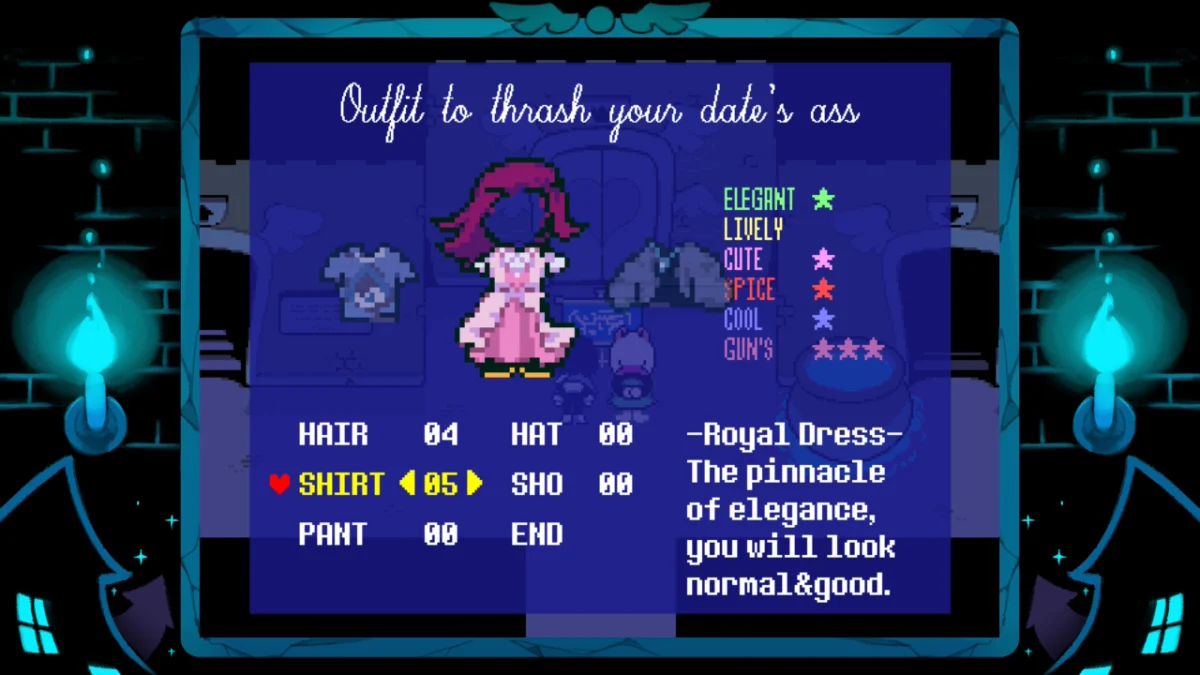
- The Hometown Festival: The chapter opens with a festival sequence in the Light World. Serving as the emotional anchor of the early game, it mirrors the lighthearted communal spirit of classic RPG staples like Chrono Trigger’s Millennial Fair. Here, Kris is thrust into the role of a "third wheel" during Susie and Noelle’s first date, an interaction that provides some of the series’ most endearing character beats.
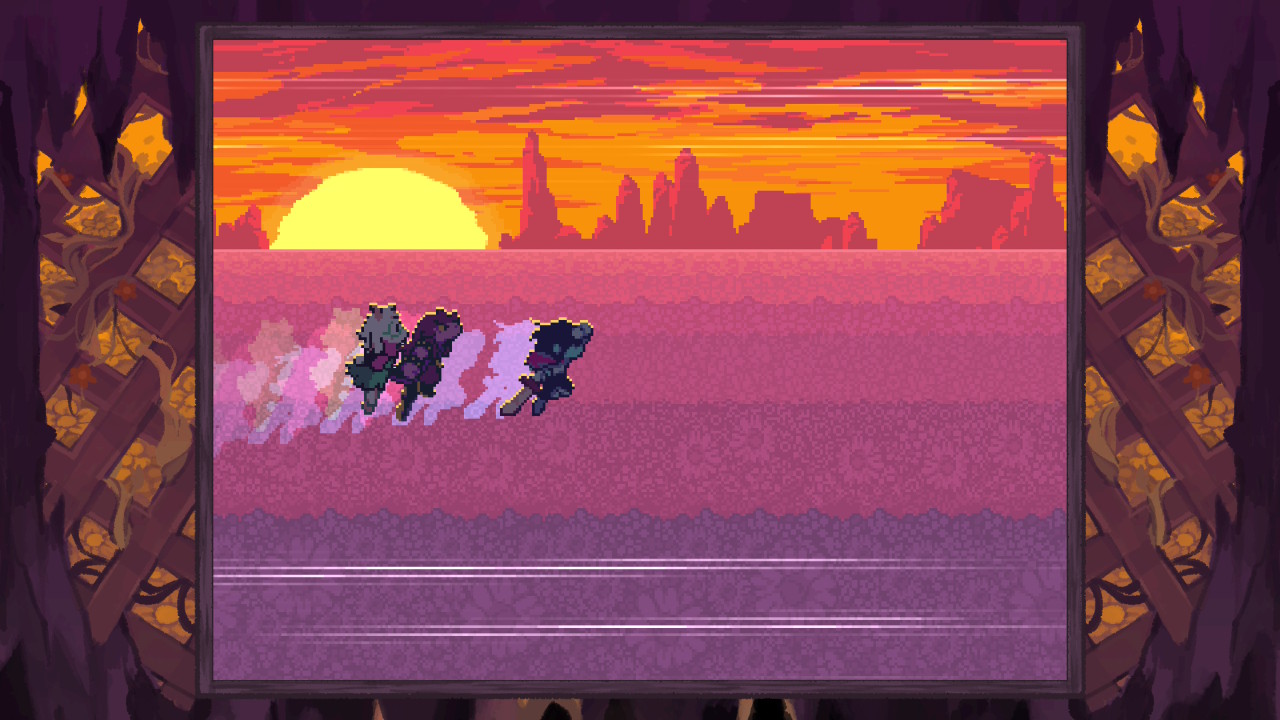
- The Dark World Entry: The narrative transition occurs within Asgore’s flower shop. As the player crosses the threshold into the Dark World, the tone shifts from suburban normalcy to a surreal, painterly landscape. The level design here is a notable leap forward; featuring a gorgeous, perpetual sunset in the "Cliffs" region, the environmental storytelling suggests that the game’s aesthetic ceiling is still climbing.
- The Climax: The chapter culminates in a series of confrontations involving an anthropomorphized cast of flowers, led by the antagonist Flowery—an otome-coded figure whose presence serves as a meta-commentary on both character archetypes and the hardware limitations of the 16-bit era.
Technical Innovation: A Genre-Bending Masterpiece
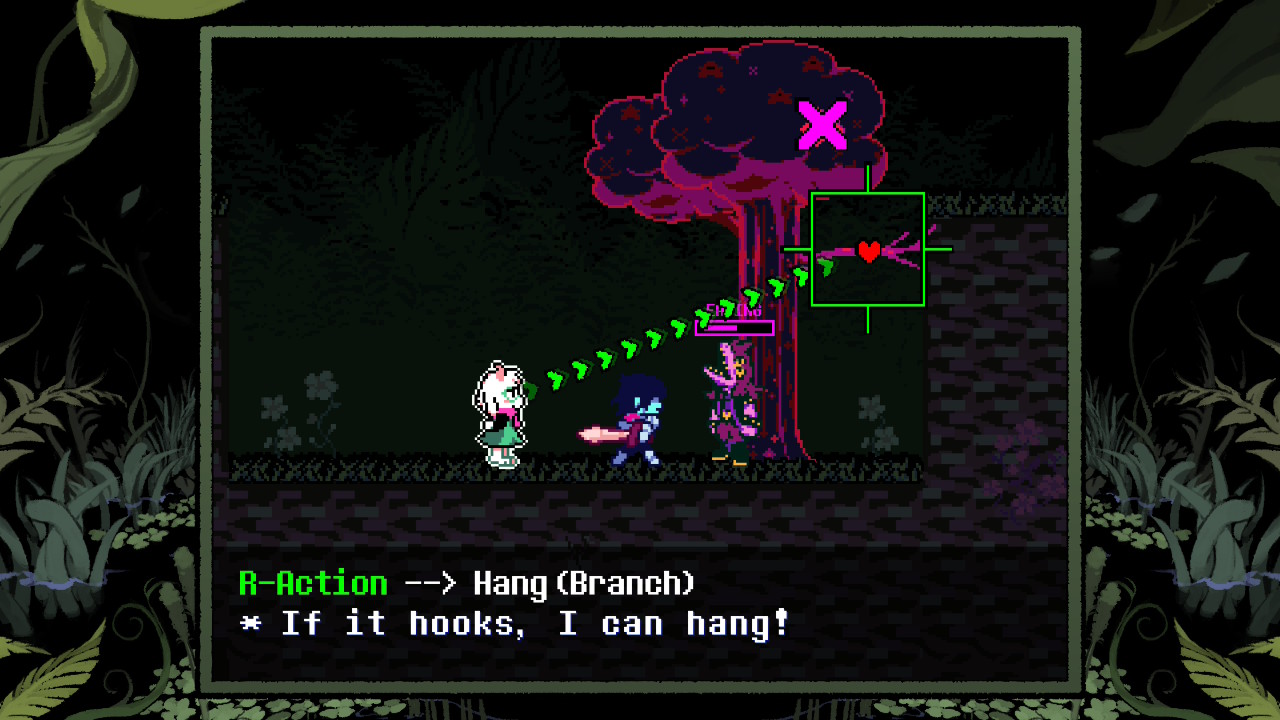
If Chapter 3 was defined by its "Game Show" structure and Chapter 4 by its level design, Chapter 5 will be remembered for its daring mechanical pivot. Early in the chapter, the player acquires a key accessory that shifts the perspective from traditional top-down RPG navigation to a side-scrolling action-platformer.
The Mechanics of the Shift
This isn’t merely a mini-game; it is a fully integrated mode that changes how the player interacts with the world. The transition between top-down turn-based combat and sidescrolling action is seamless.
- Action-RPG Elements: In the sidescrolling mode, the action/cancel buttons are repurposed for real-time sword swings and platforming jumps.
- Combat Coordination: A "Pause and Command" feature allows players to tactically assign moves to Susie and Ralsei mid-platforming, creating a layer of depth that feels reminiscent of the Mana series, blended with the precision-based challenge of titles like Hollow Knight.
- Pacing: The ability to switch between these two modes prevents the experience from becoming repetitive. The "cronch" of the sword impacts and the responsiveness of the controls elevate the game, proving that Fox’s development team is capable of mastering multiple genres simultaneously.
Supporting Data: Why the Episodic Format Works
Critics of episodic gaming often cite "narrative drift" as a primary concern—the idea that a story loses its cohesion when spread across several years. However, Deltarune thrives on this. By allowing the community to digest each chapter individually, the developer turns every release into a "monumental event."
The data from the player experience confirms this:
- Retention: Because each chapter functions as both a standalone adventure and a piece of a larger puzzle, the "voracious community" remains active, replaying chapters to find secrets.
- Resource Allocation: By focusing on specific mechanics per chapter (e.g., the Game Show in Ch. 3, the Platforming in Ch. 5), the team avoids the "bloat" that often plagues large-scale RPGs.
- Economy and Exploration: The introduction of new currencies tied specifically to secret-searching in the side-scrolling sections has significantly increased the "replayability" metric of this chapter compared to the more linear Chapter 4.
Official Responses and Creative Direction
While Toby Fox remains famously enigmatic in his public communications, the design philosophy behind Chapter 5 speaks volumes. The use of compressed vocal lines and 16-bit aesthetic filters—specifically the otome tropes used for the villain—shows an "innovative nostalgia." Fox is not just mimicking retro games; he is interrogating the technical limitations of the 90s to create a unique, modern emotional experience.
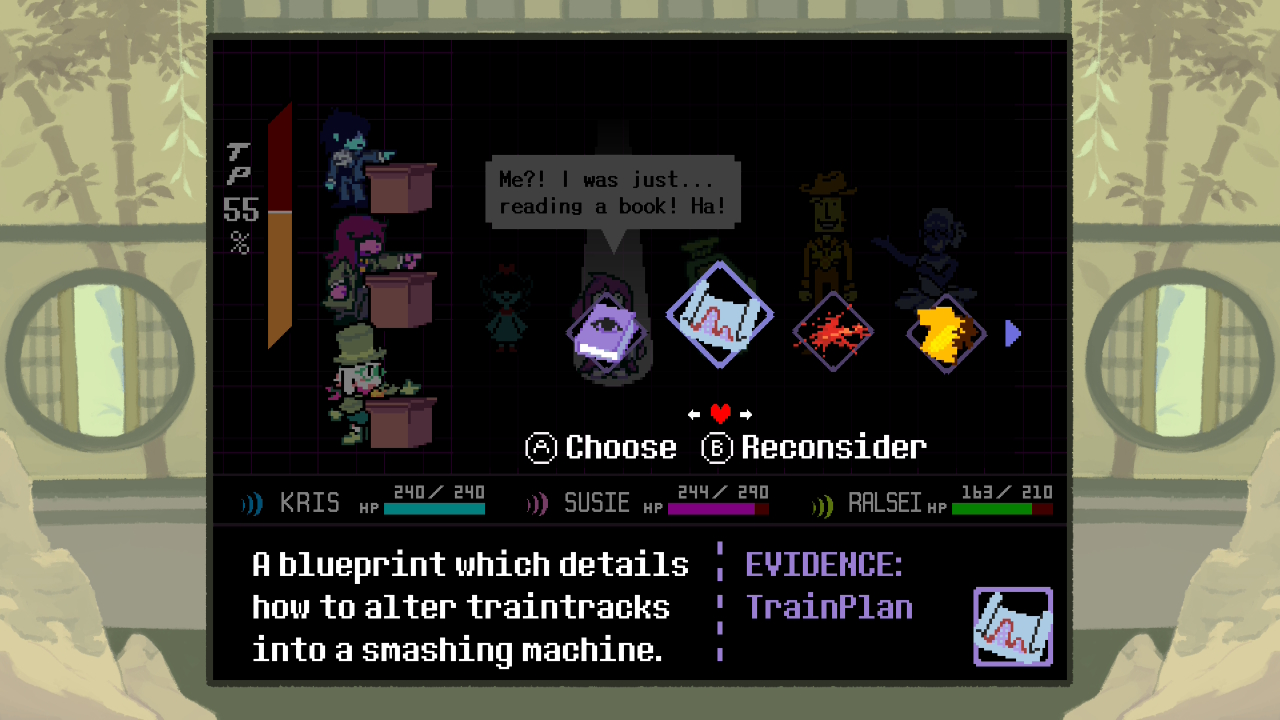
Regarding the overarching story, the focus on the seven flowers—and the subtle, perhaps intentional, allusions to Undertale lore—has ignited a firestorm of fan theory. By humanizing these entities and giving them dreams, desires, and distinct personalities, Fox has successfully raised the stakes. The "trial" sequence, which serves as a boss battle, is a perfect synthesis of the game’s core pillars: absurdity, mechanical ingenuity, and high-stakes character conflict.
Implications for the Future
With Chapter 5 now behind us, the implications for the remainder of the game are significant. We are approaching what the developer has hinted is the "big drop"—a shift in the narrative toward darker, more permanent consequences.
The success of Chapter 5 establishes a high bar for the final chapters. The narrative has effectively opened "worm-loaded cans"—introducing complex questions about the nature of the Light World and the history of Kris’s family—that the next installments will be forced to address. Can the momentum be sustained? Given the track record of the development team, there is little reason to doubt their capability.
Chapter 5 is the quintessential Deltarune experience: it is a work of profound sincerity wrapped in a package of surreal, genre-bending fun. It proves that the episodic format, when handled with such meticulous care, is not a hindrance, but a tool that allows for a level of polish and creative experimentation that is rarely seen in the contemporary RPG landscape. As we look toward the final act, one thing is certain: the world of Deltarune is not just a game, but an evolving, breathing entity, and we are all just along for the ride.