

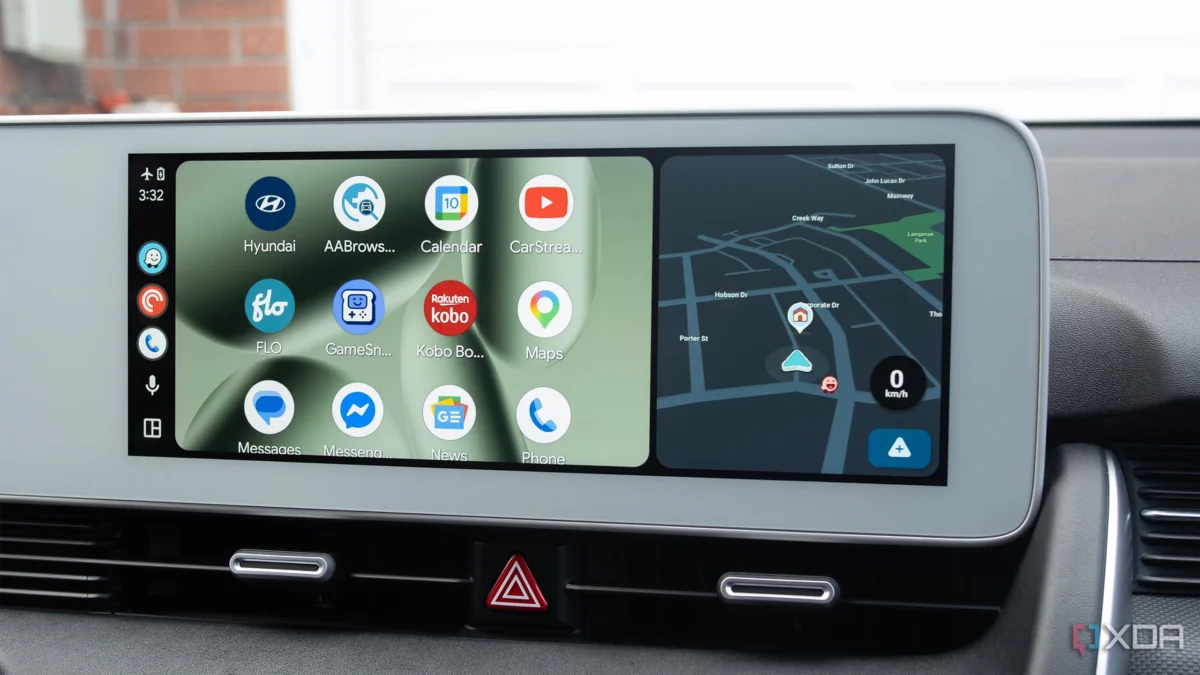
For millions of drivers, Android Auto has become an indispensable companion. It bridges the gap between the chaotic digital ecosystem of our smartphones and the increasingly complex infotainment systems integrated into our vehicles. However, for a significant subset of users, this bridge has been remarkably unstable. Reports of random, inexplicable, and persistent disconnections during wired sessions have plagued the platform for years, turning seamless commutes into exercises in frustration.
In the latest effort to quell these grievances, Google has pushed a new update, Android Auto v17.2.662614, which introduces a specific toggle aimed at resolving a conflict between the platform and Android’s security protocols. While the tech giant hopes this is the "silver bullet," the history of Android Auto updates suggests a more complicated reality.
The Core Conflict: Security vs. Connectivity
The root of the latest disconnection issue appears to be a technological "tug-of-war" between user convenience and device security. Specifically, the conflict centers on Android’s "Advanced Protection Mode."
Advanced Protection Mode is a robust security suite designed to harden devices against sophisticated threats. A core component of this suite is "USB Protection," which prevents unauthorized access to a device’s USB port while the handset is locked. By design, this feature restricts data and communication through the port until the user unlocks their device.
In a standard security context, this is a brilliant feature; it prevents "juice jacking" and unauthorized data extraction via malicious chargers or hardware interfaces. However, in the context of a vehicle, it acts as a gatekeeper that often misidentifies an infotainment system as an unauthorized external entity. When the phone is locked, the OS may suddenly sever the data handshake between the car and the device, leading to the dreaded "Android Auto Disconnected" notification mid-drive.
A New Toggle: "Start Android Auto While Locked"
With the rollout of version 17.2.662614, Google has acknowledged this friction by introducing a new setting: "Start Android Auto While Locked."
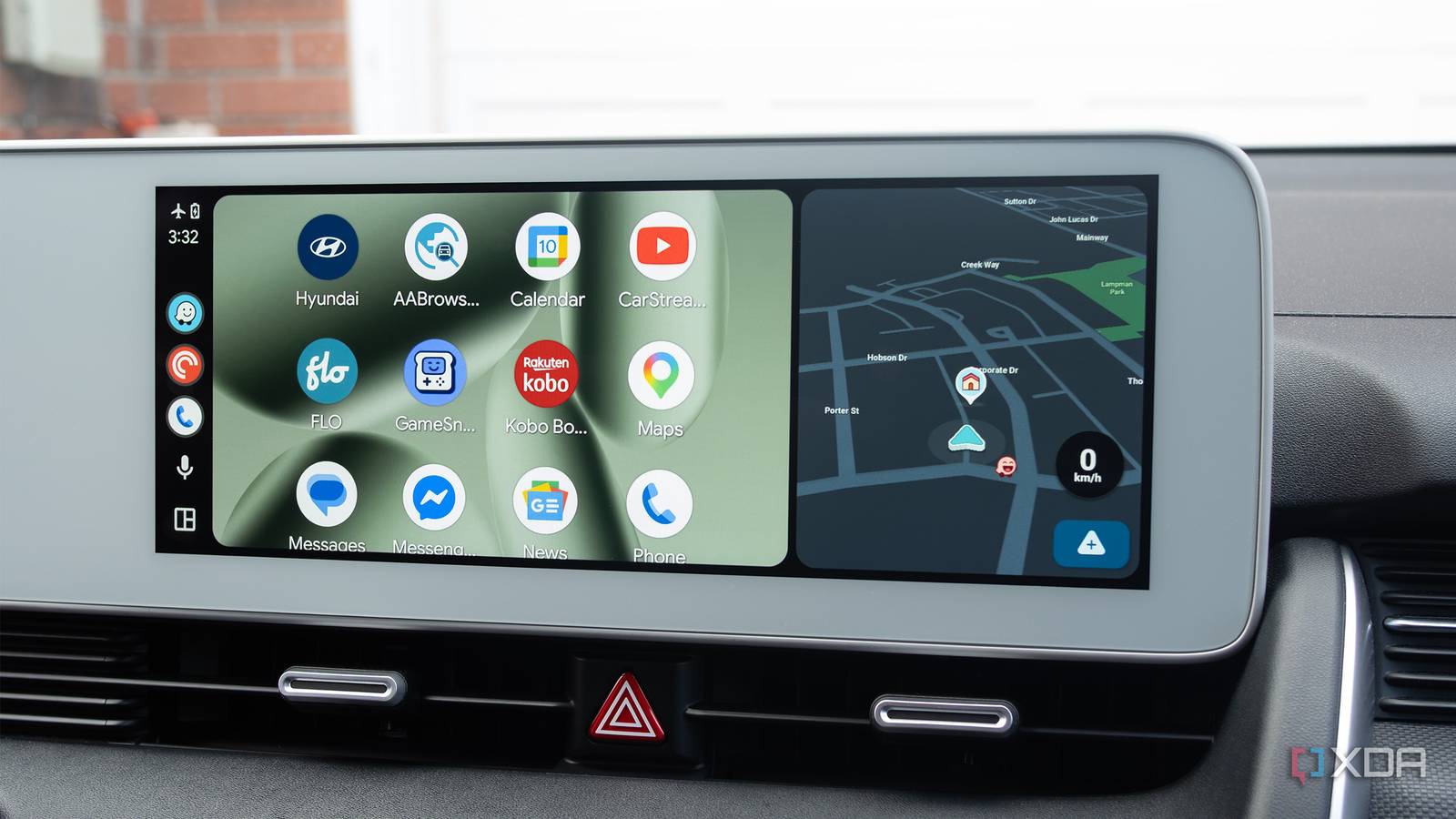
Located within the Android Auto settings menu, this toggle acts as an explicit override for the security-heavy restrictions of Advanced Protection Mode. When enabled, it grants the Android Auto interface permission to maintain an active data connection through the USB port even when the phone’s screen is locked.
The update also provides more granular transparency, clearly displaying a subtext message: "Auto connect over USB is disabled by Advanced Protection Mode. You can still connect wirelessly." This represents a shift in Google’s design philosophy, moving from a "blanket security" approach to one that acknowledges the legitimate utility of the wired connection. By allowing the user to make the informed choice to prioritize connection stability over the strictest interpretation of USB lockdown, Google hopes to eliminate the most common cause of mid-trip disconnects.
A Chronology of Connectivity Challenges
To understand why users are skeptical of this latest fix, one must look at the history of Android Auto’s stability woes.
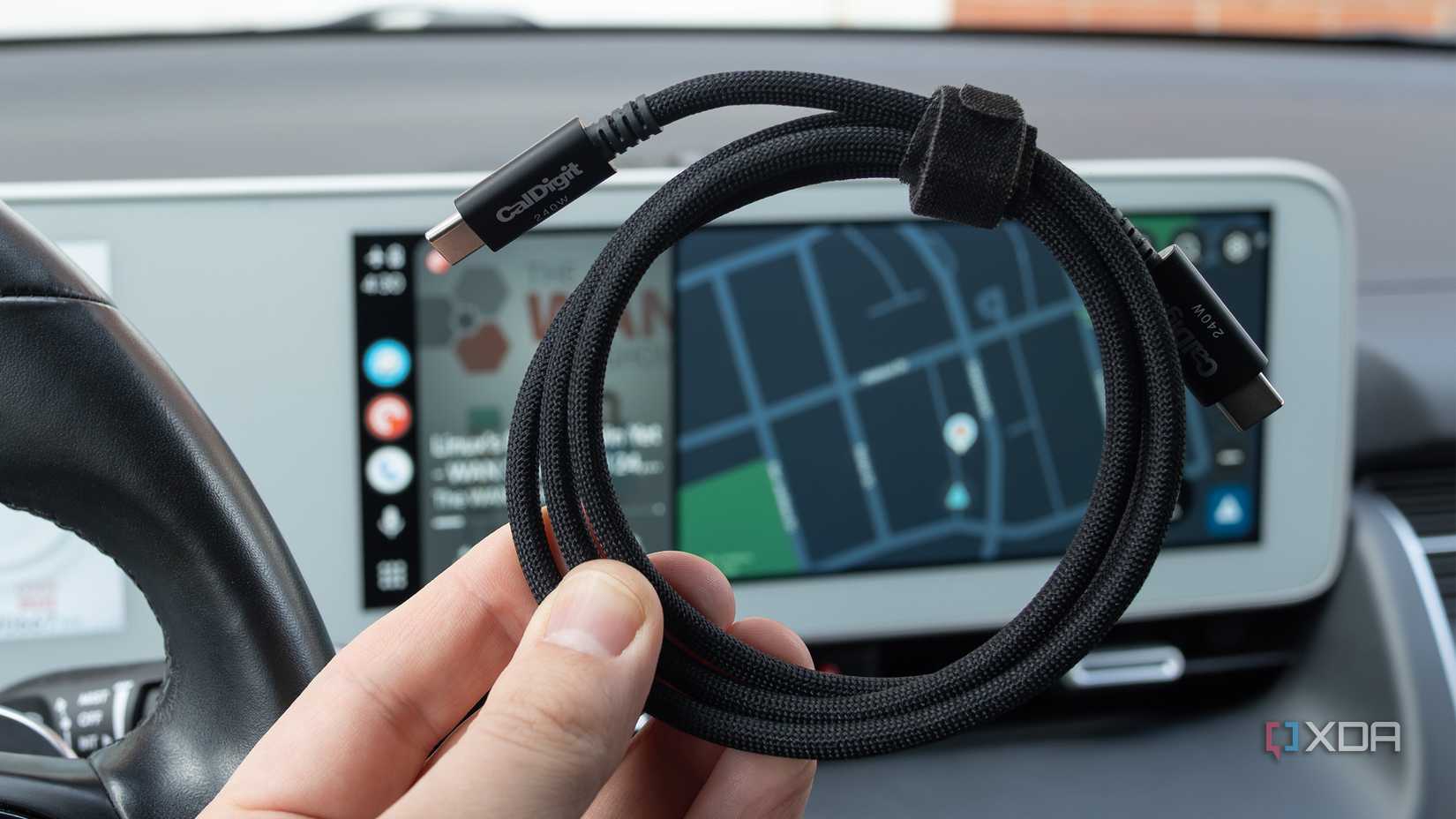
- 2023–2024 (The Cable Era): For years, the official narrative from Google support forums was that "bad cables" were to blame. Users spent hundreds of dollars on high-end, shielded USB-C cables, only to find the issues persisted.
- Early 2026 (The Play Services Patch): In June 2026, Google released a major update to Google Play Services that claimed to address "Device Connection related services." Many believed this would be the final solution for Pixel and Samsung S24/S25 series users.
- The Aftermath: Following that June patch, the XDA-Developers community and Reddit forums were flooded with mixed results. While some users reported improved stability, others found that the patch introduced new, secondary bugs, including app freezing and erratic UI behavior.
- July 2026 (The Security Conflict Identified): The current release marks the first time Google has explicitly linked the disconnection issues to the interplay between the OS’s security architecture and the infotainment handshake.
This history explains the guarded optimism within the community. Users have been promised fixes before, only to find that the "fix" was merely a band-aid on a deeper, architectural issue within the Android Auto software stack.
Supporting Data and User Experiences
Data gathered from online forums like r/AndroidAuto and the Google support community highlights a recurring pattern. A significant portion of reported issues involve newer flagship devices—specifically the Pixel 10 Pro and the Samsung Galaxy S series—which run the most aggressive versions of Android’s security software.
Conversely, older devices running legacy versions of the OS often report fewer disconnection issues, suggesting that as Android’s security layer has become more sophisticated, it has inadvertently become more "brittle" when interacting with external hardware.

Furthermore, the introduction of this new toggle has already sparked debate. While some users report immediate stability, others have noted that their devices are now experiencing increased "app-crashing" behavior. This suggests that while the USB port is now remaining "open," the background services managing the projection of the Android Auto interface may still be struggling to handle the transition between the locked and unlocked states.
Official Responses and Corporate Strategy
Google’s communication regarding Android Auto has historically been opaque. When asked about these persistent issues, representatives typically point toward standard troubleshooting steps: clearing the cache, checking cable integrity, or performing a factory reset of the infotainment head unit.
However, the inclusion of the "Start Android Auto While Locked" toggle signifies a shift in corporate strategy. It suggests that engineers at Google have finally accepted that the software, not the user’s hardware or cables, is the primary source of the problem. By creating a granular setting, Google is essentially admitting that its security protocols were too rigid for the specific use case of in-car connectivity.
The Broader Implications for the Auto Industry
The ongoing struggle with Android Auto has broader implications for the automotive industry. As car manufacturers increasingly outsource their infotainment needs to tech giants like Google (via Android Automotive OS) and Apple (via the next generation of CarPlay), the expectation of "five-nines" reliability—99.999% uptime—is becoming the industry standard.
When a phone disconnects, it is more than a minor annoyance; it is a safety issue. Drivers rely on these systems for navigation, hands-free calling, and traffic alerts. If the connection drops while a driver is navigating an unfamiliar city, the result is a distracted driver reaching for their phone to troubleshoot the issue.
This latest update proves that the integration of mobile operating systems into vehicles is a complex engineering challenge that requires constant refinement. It also highlights a critical need for better "handshaking" protocols between the mobile device and the vehicle. If the industry is to move toward a more seamless, wireless-first future, the software must be able to negotiate security and connectivity without requiring the user to become an IT professional.
Conclusion: A Step Forward, But Not the End of the Road
The introduction of the "Start Android Auto While Locked" setting is undoubtedly a positive development. It addresses a specific, identified technical conflict that has been the source of significant user frustration. However, given the platform’s history, it is unlikely to be the final chapter in the Android Auto stability saga.
For users currently suffering from disconnections, the recommendation remains the same: ensure your device is updated to the latest version of Android Auto, enable this new setting, and observe the results. If issues persist, it may be time to look into alternative USB configurations—such as switching to a lower data-transfer speed cable or adjusting the default USB tethering settings in Developer Options.
As the automotive world continues to embrace the digital dashboard, the success of platforms like Android Auto will depend on how quickly Google can move from "patching" issues to building a fundamentally more stable ecosystem. Until then, the community remains in a state of cautious testing, waiting to see if this latest update truly keeps the road ahead clear.











