

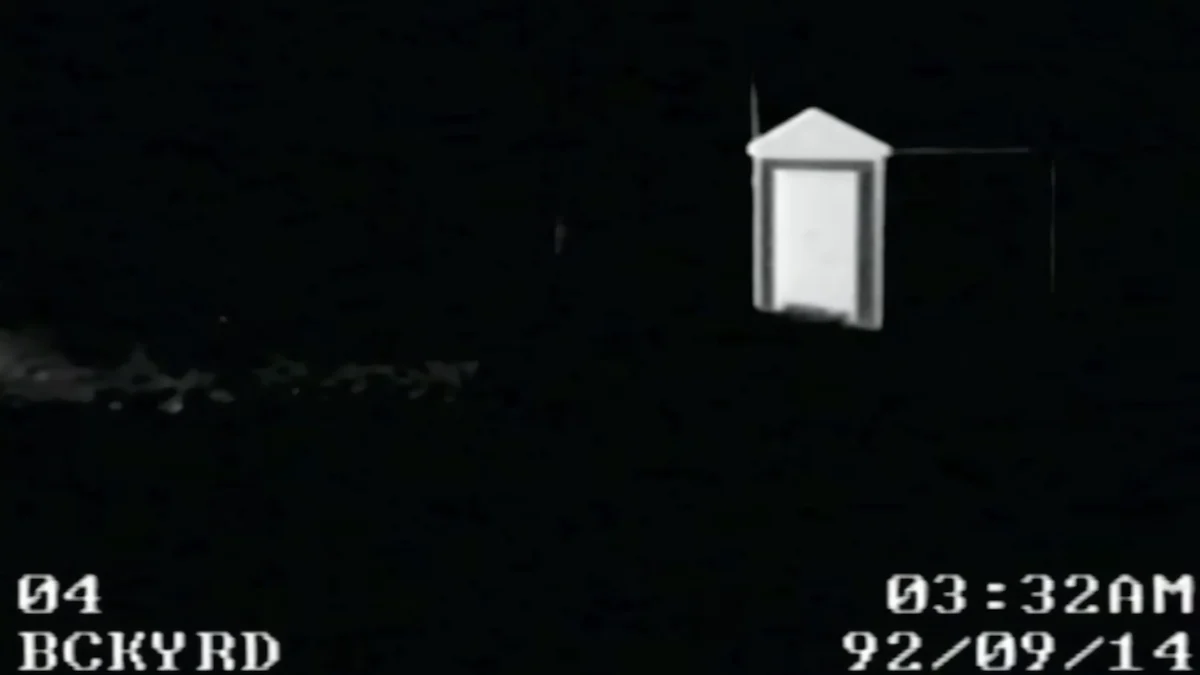
The landscape of modern horror is undergoing a seismic shift. For decades, the genre relied on established intellectual property—remakes of classic slashers, sequels to supernatural hits, or adaptations of Stephen King novels. Today, however, Hollywood is looking toward a new, decentralized frontier: the world of YouTube-native analog horror. In a move that signals the complete institutionalization of internet-born storytelling, Steven Spielberg’s Amblin Entertainment, alongside United Artists and Amazon MGM Studios, has officially greenlit a feature film adaptation of the viral phenomenon The Mandela Catalogue.
The deal, finalized following a fierce 11-studio bidding war, marks the most significant crossover to date for a genre defined by low-fidelity aesthetics and fragmented, cryptic narratives. With series creator Alex Kister attached to direct the adaptation alongside co-writer Tyler Clifton, the project is poised to test whether the existential dread of internet horror can survive the transition to the high-gloss environment of a major motion picture.
The Genesis of an Analog Nightmare
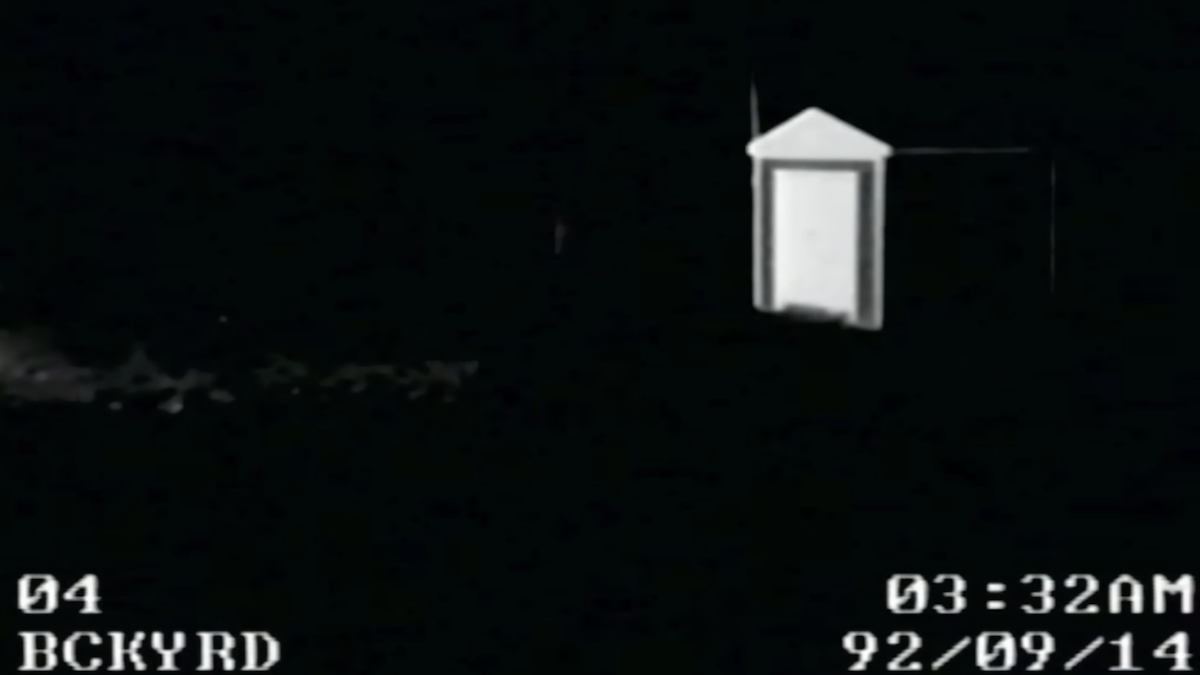
To understand the weight of this adaptation, one must first understand the medium. The Mandela Catalogue, which launched in 2021, is a cornerstone of the "analog horror" movement. Set in the fictional Mandela County, Wisconsin, the series utilizes the visual language of 1980s and 90s instructional VHS tapes, public service announcements, and found footage to depict an encroaching cosmic horror.
The primary antagonists are "Alternates"—shapeshifting, eldritch entities that mimic the appearances of loved ones to psychologically dismantle their human victims, often driving them to suicide. The series thrives on what is known as "liminal dread"—a feeling of being watched by something familiar yet fundamentally wrong. With over 100 million views across 19 episodes, the series transformed Kister from an independent creator into an architect of a new digital mythos, sitting alongside other titans of the craft such as Local 58, The Walten Files, and Gemini Home Entertainment.
Chronology of a Cultural Phenomenon
- 2021: Alex Kister uploads the inaugural video of The Mandela Catalogue. The series gains immediate traction for its unsettling, lo-fi aesthetic and innovative use of minimalist narrative tools.
- 2022–2023: The series solidifies its status as a genre leader, spawning a massive community of theorists and fans who meticulously decode its cryptic lore.
- March 2024: The series is engulfed in controversy. Kister faces allegations of grooming and inappropriate conduct. The resulting social media firestorm leads to the resignation of his production crew and the cancellation of a high-profile VHS release with Retro Release.
- April 2024: Following a formal response from Kister—in which he denied all allegations—one of the primary accusers retracts their claims. Kister announces his intention to continue the series.
- July 2026: After months of speculation, major studios finalize a deal to bring The Mandela Catalogue to theaters, signaling the industry’s continued appetite for internet-native IP.
The "YouTube-to-Hollywood" Pipeline
The decision by Spielberg’s Amblin Entertainment to back this project is not an isolated gamble; it is part of a calculated industry trend. Hollywood has finally realized that Gen Z’s horror habits are not just a trend—they are a goldmine.
The success of Curry Barker’s Obsession and Kane Parson’s Backrooms has acted as a proof-of-concept for studio executives. With Obsession and Backrooms pulling in $374 million and $331 million at the global box office respectively, the financial incentives for mining YouTube for horror content are undeniable. These films have successfully bridged the gap between the "short-form" attention span of the internet and the "feature-length" requirements of the multiplex.
However, The Mandela Catalogue presents a unique challenge. Unlike The Backrooms, which relies heavily on atmospheric world-building and visual set pieces, Kister’s work is deeply reliant on specific, low-fidelity editing techniques and a pacing style that is inherently "anti-cinematic." The question remains: can the "uncanny valley" effect—the primary driver of the series’ fear factor—be replicated on a multi-million dollar budget, or will the polish of Hollywood production values strip the series of its most terrifying asset?
The Shadow of Controversy
The announcement of the film has not been met with universal celebration. Within the analog horror community, the project has reignited the debate surrounding Kister’s 2024 controversy. Critics of the adaptation argue that by prioritizing The Mandela Catalogue for a mainstream release, Hollywood is inadvertently endorsing a creator whose professional and personal conduct remains a point of contention for many former fans.
"There is a wealth of talent in the analog horror space," one industry observer noted. "The decision to move forward with a creator who has been the subject of such high-profile scrutiny reflects a corporate desire for ‘proven’ viral reach over ethical vetting."
Despite the backlash, the production appears to be moving forward with full momentum. Kister’s retention as director suggests that the studio is prioritizing the creator’s specific vision, perhaps hoping that the original creative voice will provide the necessary authenticity to appease the existing fanbase.
Implications for the Future of Horror
The implications of this deal are far-reaching. We are witnessing the death of the "gatekeeper" model in horror cinema. In the past, horror directors had to prove themselves through independent festival circuits or short films that followed traditional narrative structures. Today, a teenager with a copy of Adobe Premiere and an unsettling idea can generate a global audience that rivals the reach of traditional horror franchises.
This shift carries both promise and risk:
1. The Death of the Niche
As more YouTube series are adapted, the "underground" feel of analog horror will inevitably vanish. When the obscure becomes mainstream, the storytelling often shifts to accommodate broader audiences. This may lead to a homogenization of the genre, where the "lo-fi" aesthetic becomes a stylistic choice rather than a narrative necessity.
2. Narrative Structure Challenges
Analog horror is defined by its fragmented, non-linear presentation. Movies require a beginning, middle, and end. Translating "instructional video" horror into a 90-minute script is a massive creative hurdle. If the film succeeds, it will provide a blueprint for all future internet-to-film adaptations. If it fails, it could serve as a cautionary tale for studios currently eyeing other viral hits.
3. The Generational Shift
Hollywood is clearly pivoting toward Gen Z-forward storytelling. The success of The Mandela Catalogue on the big screen would cement the idea that the "internet generation" is the new primary driver of the horror economy. This is a demographic that demands high-concept, high-anxiety content that reflects their unique digital experiences.
Looking Ahead
As production begins on The Mandela Catalogue, the film stands as a litmus test for the future of horror cinema. Will it honor the glitchy, uncomfortable, and deeply lonely aesthetic that defined its source material? Or will it succumb to the pressure of mass-market appeal, resulting in a watered-down version of its former self?
For now, the project remains shrouded in mystery—fitting, given the nature of the series. But one thing is clear: the wall between the digital creator and the Hollywood producer has crumbled. As the industry looks to the next generation of storytellers, the terrifying "Alternates" of Mandela County may be the ones to usher in a new era of cinematic fear. Whether or not that era is one we are ready for, however, is a question that will be answered when the lights dim in theaters across the world.










