Neng Nana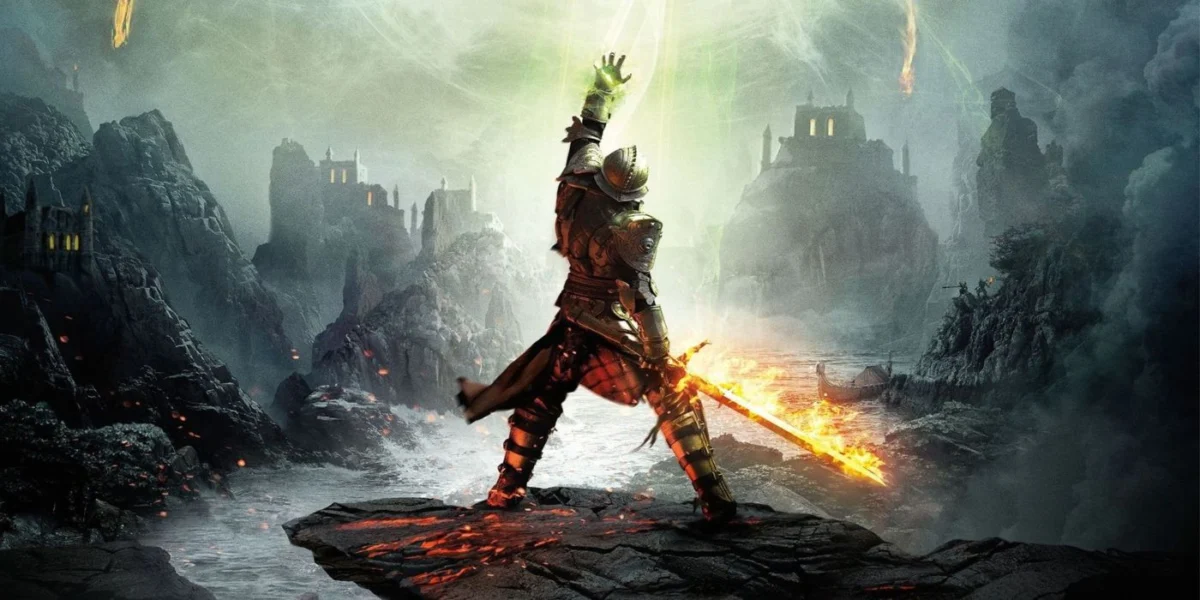
As the gaming industry turns its eyes toward 2026, the fervor surrounding Rockstar Games’ Grand Theft Auto VI has reached a fever pitch. With years of meticulous development, unprecedented scope, and the crushing weight of public expectation, GTA VI is already being hailed as the frontrunner for the Game of the Year (GOTY) at The Game Awards. Should it launch without significant delay, it stands poised to become one of the most significant cultural touchstones in interactive history.
However, as we anticipate the next titan of the medium, it is vital to reflect on the giants that came before. Since 2014, Geoff Keighley’s The Game Awards has evolved from a niche industry broadcast into the definitive gala of the gaming world. To win a GOTY award is to be cemented in history; it is a recognition of narrative depth, artistic innovation, mechanical prowess, and lasting influence. To appreciate the standard GTA VI aims to meet, we must look back at the winners that defined the last decade.
The Chronology of Excellence: A Decade in Review
The Game Awards, established in 2014, replaced the defunct Spike Video Game Awards with a more polished, industry-focused approach. Since its inception, the list of winners has reflected the shifting tides of the medium—moving from early cross-generational RPGs to the rise of indie darlings and the refinement of the "Soulslike" formula.
12. Overwatch (2016)
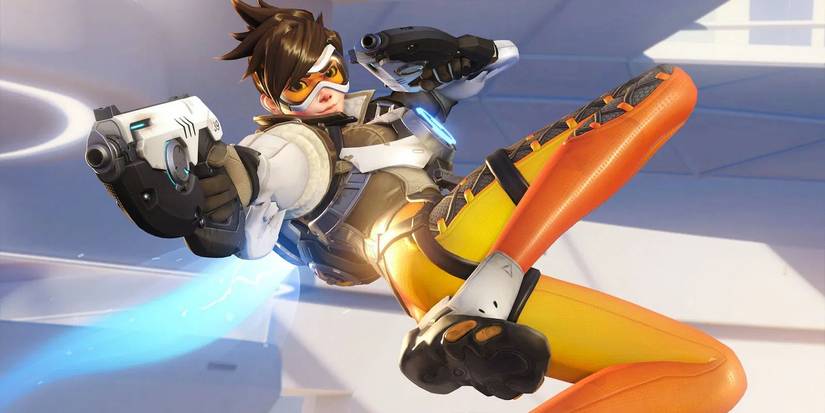
Kicking off our ranking is Blizzard Entertainment’s Overwatch. While it currently feels like a relic of a bygone era, its 2016 victory was undeniable. Overwatch didn’t just provide a multiplayer shooter; it created a hero-centric cultural phenomenon. Its team-based dynamics and vibrant character designs revolutionized the genre. While its influence has waned due to the shift in modern live-service models, it remains a testament to the power of character-driven design.
11. Clair Obscur: Expedition 33 (2025)
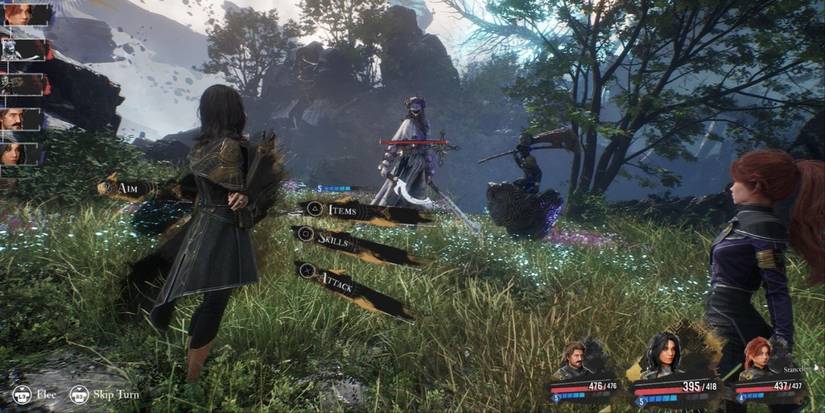
The most recent inductee into the pantheon of winners, Clair Obscur: Expedition 33, represents the pinnacle of modern "indie-blockbuster" hybrid design. In a world where the "Paintress" erases humanity’s history annually, the 33rd expedition serves as a desperate final stand. Its inclusion of real-time mechanics within a turn-based framework creates an innovative, rhythmic combat loop that feels both fresh and nostalgic.
10. The Last of Us Part II (2020)
Few games have divided audiences as sharply as Naughty Dog’s The Last of Us Part II. Navigating a post-apocalyptic landscape driven by a cycle of violence and revenge, the game was a technical and narrative tour de force. While the story’s bold, uncomfortable, and harrowing choices alienated some, its commitment to emotional maturity and mechanical refinement makes it an essential, if polarizing, masterpiece.
9. Astro Bot (2024)
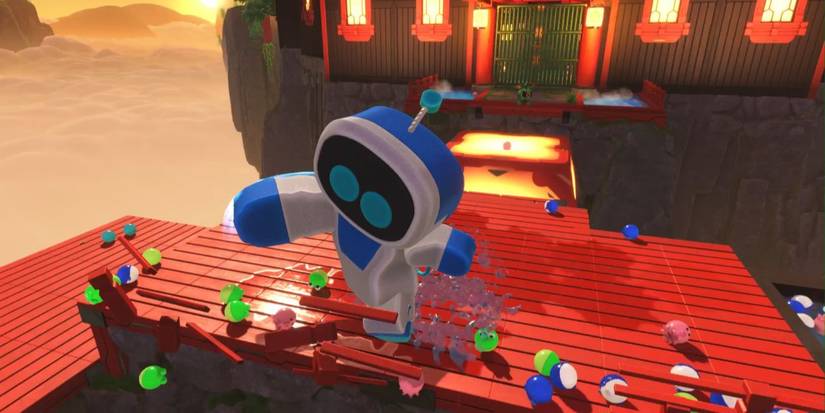
In a year dominated by heavy hitters, Astro Bot proved that the platformer remains the heartbeat of gaming. Team ASOBI delivered a masterclass in level design. By utilizing the PS5’s haptic feedback and providing a perfectly paced progression of skills, Astro Bot serves as a reminder that pure, unadulterated joy is a valid and vital pillar of game design.
8. Dragon Age: Inquisition (2014)
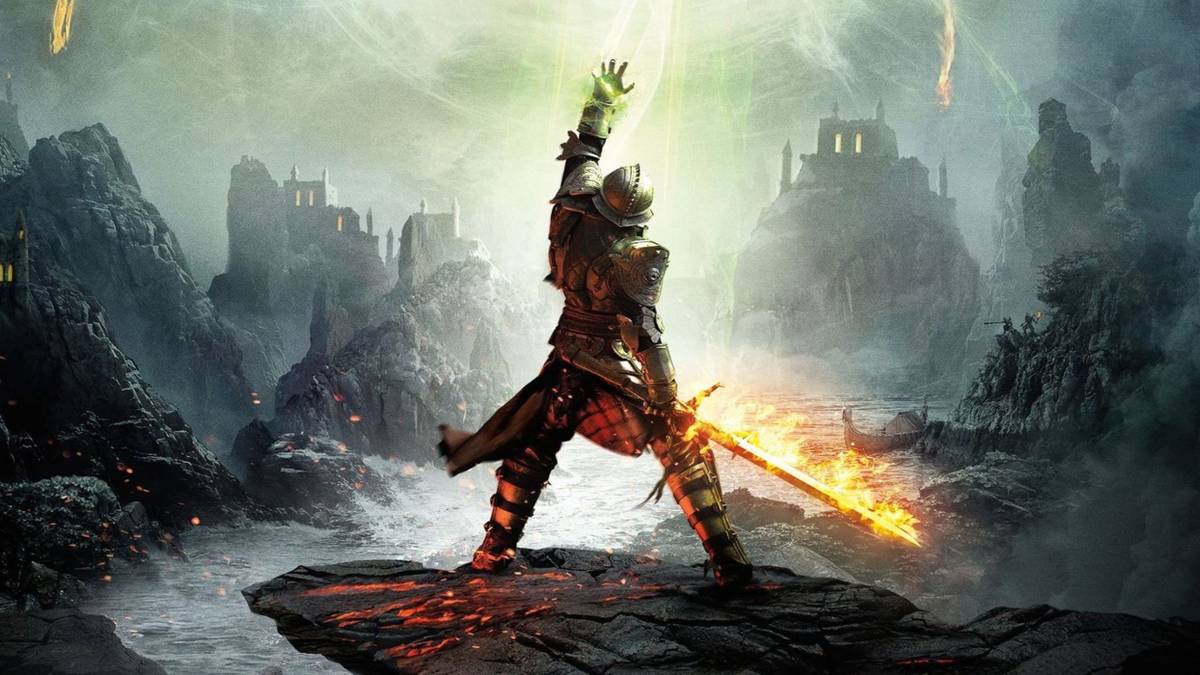
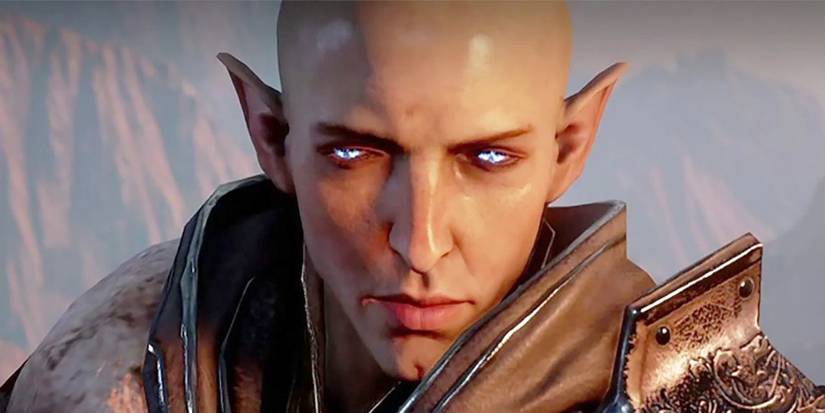
The first-ever winner of The Game Awards, Dragon Age: Inquisition, set a high bar for the RPG genre. Tasking the player with leading an organization to close magical tears in the sky, the game defined the mid-2010s. Its strength lies in its party dynamics and the sheer scale of its lore, cementing its place as a cornerstone of high-fantasy interactive storytelling.
7. Sekiro: Shadows Die Twice (2019)
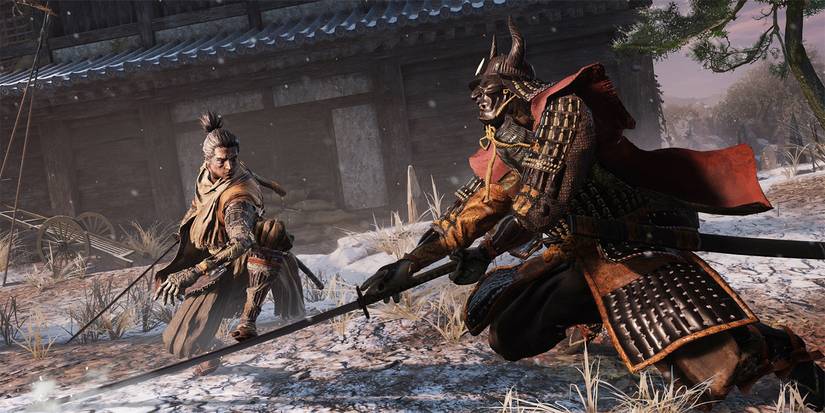
FromSoftware proved with Sekiro that they could pivot from the methodical pace of Dark Souls to a high-octane, rhythmic action game. Set in a reimagined Sengoku-era Japan, the combat is a dance of steel that demands precision and mastery. It remains the gold standard for third-person action combat.
6. It Takes Two (2021)
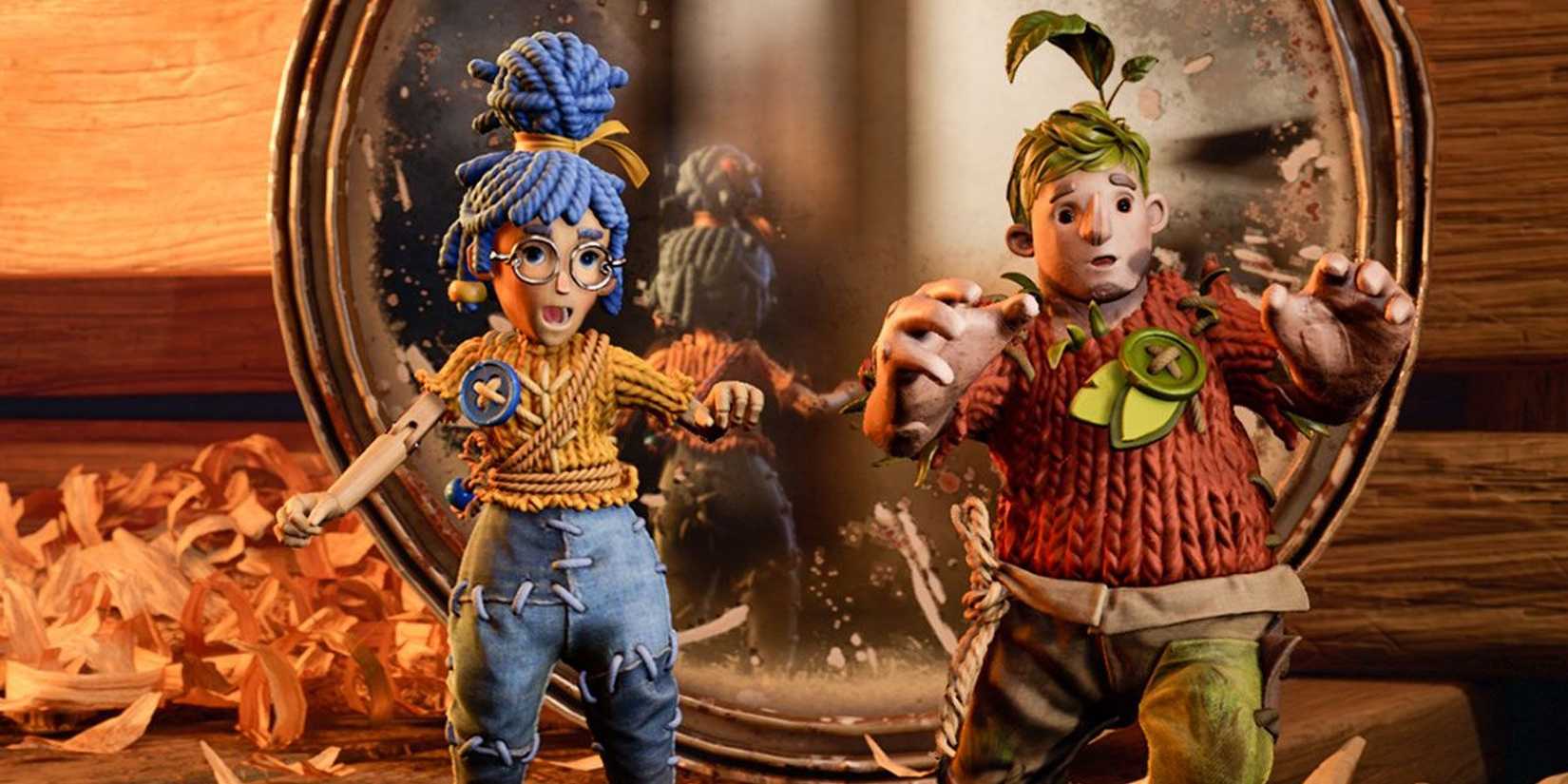
Breaking the mold of the single-player narrative, It Takes Two showed that cooperative play could be just as profound as a solo journey. Its design, which constantly shifts mechanics to match the emotional arc of a couple on the brink of divorce, is nothing short of brilliant. It is a rare game that uses its mechanics to reinforce the themes of communication and empathy.
5. The Witcher 3: Wild Hunt (2015)
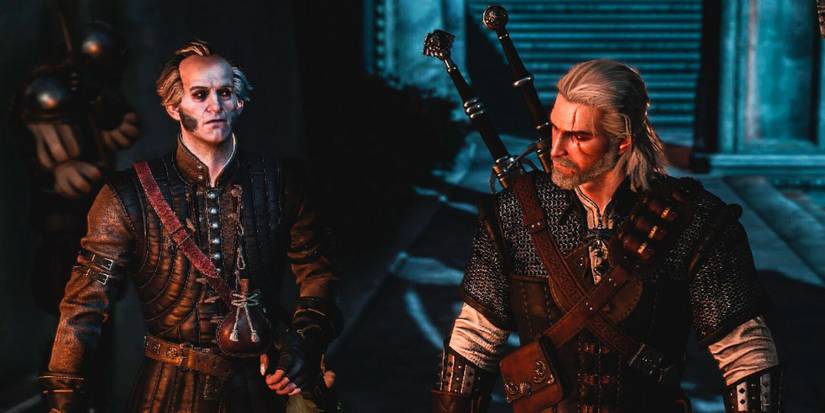
CD Projekt Red’s magnum opus remains the benchmark for open-world narrative design. While the main quest is epic, it is the side content—the small, personal stories of the citizens of the Continent—that solidified The Witcher 3 as a titan. It transformed the RPG into a literary medium, where every choice carried weight.
4. God of War (2018)
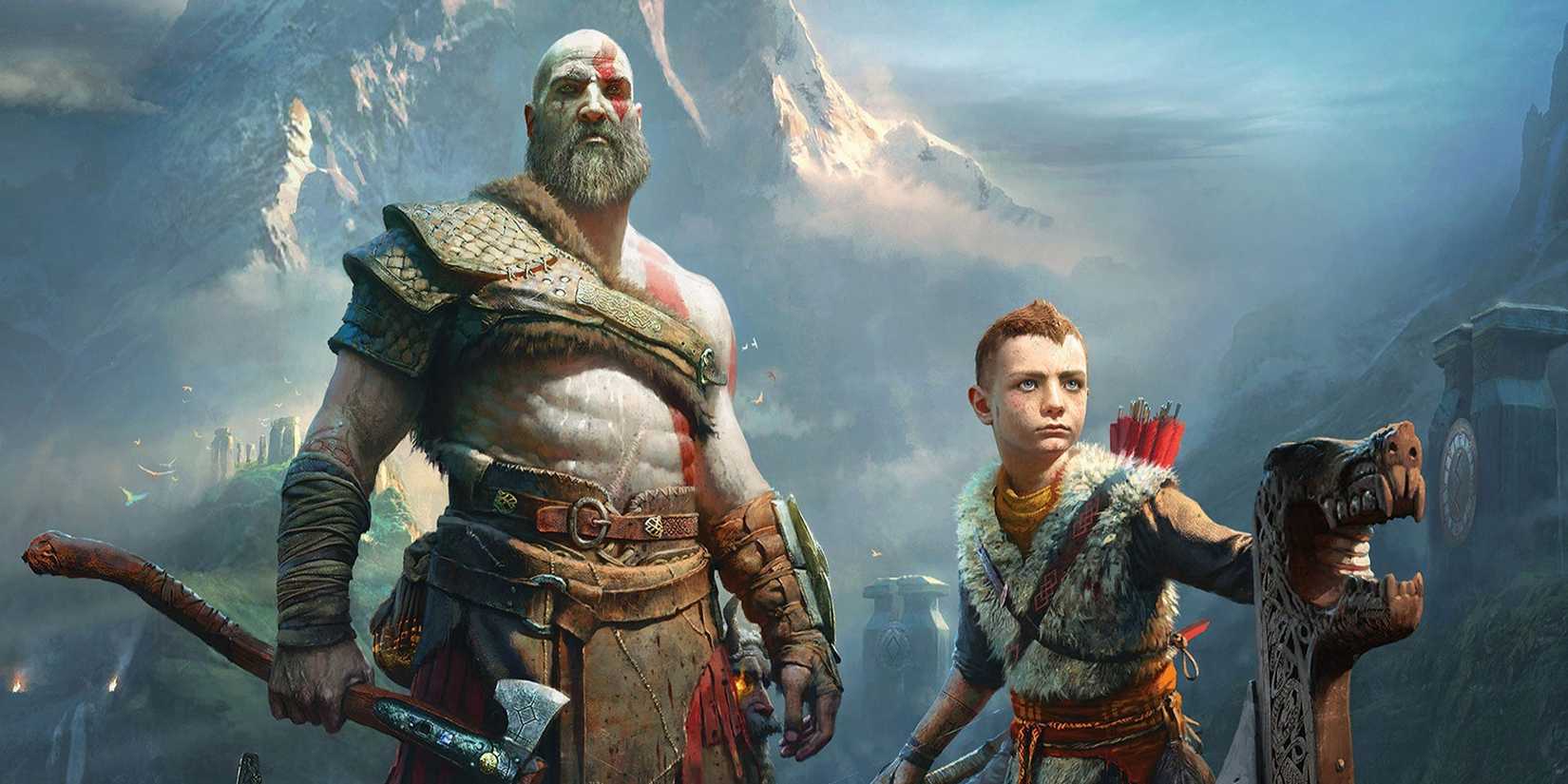
The transition of Kratos from a rage-fueled icon to a nuanced father figure was one of the most successful character reinventions in history. God of War (2018) mastered the "one-shot" camera technique, creating an intimate, cinematic experience that never sacrificed gameplay. Its combat—visceral, heavy, and immensely satisfying—perfectly complemented its tender narrative.
3. Elden Ring (2022)
FromSoftware’s Elden Ring is a miracle of world design. By combining the cryptic, rewarding exploration of the Souls series with an expansive, open-world map, it created an experience that refused to hand-hold the player. The collaboration with George R.R. Martin provided a foundation of deep, layered lore that makes the Lands Between feel like a living, breathing history.
Supporting Data: What Makes a Winner?
The ranking of these games is based on a synthesis of industry-wide metrics:
- Mechanical Integrity: How well do the systems (combat, traversal, economy) function?
- Narrative Resonance: Does the story evolve the player’s understanding of the world?
- Artistic Direction: Does the visual and auditory style create a cohesive atmosphere?
- Cultural Staying Power: Does the game continue to influence the industry long after its release?
While Overwatch leads the list in "initial cultural impact," games like Elden Ring and The Witcher 3 dominate in "long-term influence," shifting the development philosophies of studios worldwide.
Official Responses and Industry Implications
The Game Awards have often faced scrutiny regarding the "AAA-bias," where massive budgets tend to overshadow smaller, more experimental titles. However, the victory of It Takes Two in 2021 was a turning point. Geoff Keighley has frequently defended the jury’s choices by highlighting that the award is meant to celebrate the "best" of the year, regardless of the size of the development team or the budget.
Industry analysts suggest that the rise of titles like Astro Bot and Clair Obscur signals a return to "gameplay-first" design. As GTA VI approaches, the industry is watching closely to see if Rockstar will rely on its massive budget to define the game, or if it will innovate in the way Elden Ring or God of War did—by refining the core experience rather than just increasing the map size.
Looking Toward the Future: The GTA VI Factor
As we analyze the history of the Game of the Year, the expectations for Grand Theft Auto VI are placed in a specific context. It is not just competing with other titles in 2026; it is competing with the legacy of the last ten years of excellence.
The industry is currently in a state of high anticipation. If GTA VI manages to capture the zeitgeist as The Witcher 3 did, or redefine combat as Sekiro did, it will rightfully earn its place at the top of the hierarchy. But as our list shows, the most memorable winners are not always the biggest games; they are the ones that challenged the status quo, told stories that mattered, and, above all, respected the player’s intelligence.
The road to the 2026 Game Awards is long, and if history is any indication, the journey will be just as significant as the destination. Whether GTA VI secures the throne or a surprise indie contender rises to meet the challenge, the standard has been set, and the bar has never been higher.


 Sagoh
Sagoh
 Nana Wu