Asro
Asro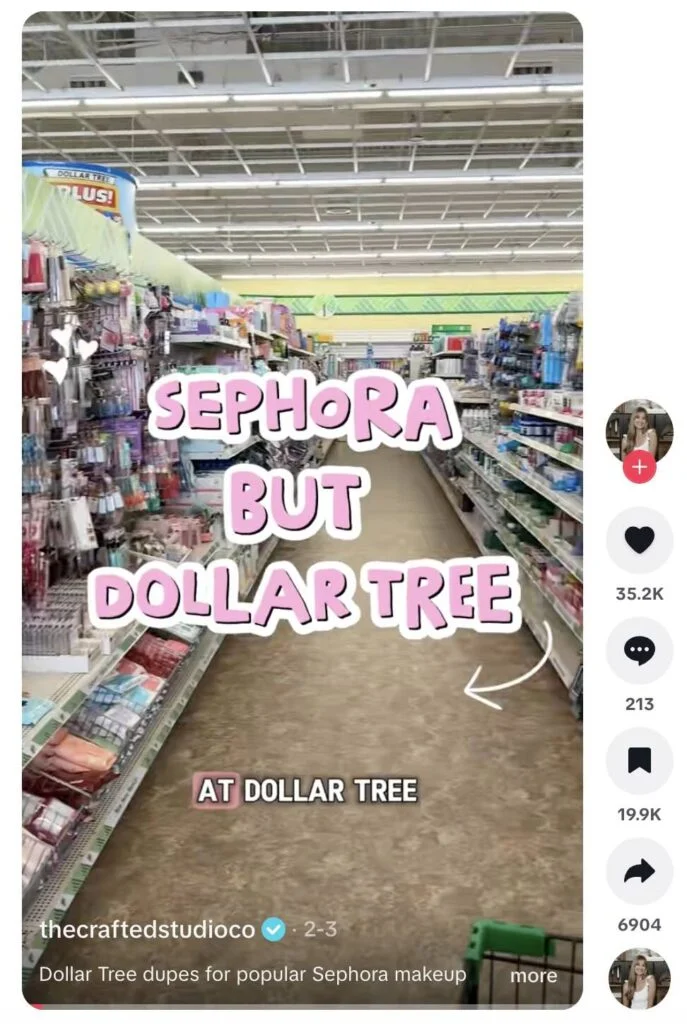
The landscape of influencer marketing is undergoing a seismic shift. For years, the industry was defined by a culture of aspiration: glossy, highly curated grids featuring luxury lifestyles, inaccessible travel, and high-end fashion. Today, however, that playbook has been unceremoniously discarded. In the wake of a tightening economic climate and shifting consumer sentiment, the modern influencer has traded the "aspirational" for the "attainable."
This evolution represents more than just a change in visual style; it is a fundamental realignment of how brands interact with the creator economy. Today, influence is no longer measured by how much a creator can make their audience want, but by how much they can help their audience save.
Main Facts: The Rise of the "Budget Baddie"
The current influencer zeitgeist is rooted in extreme pragmatism. Consumers, feeling the pinch of inflationary pressures and economic uncertainty, are turning to social media not for a window into a life they cannot afford, but for a toolkit to survive the one they are living.
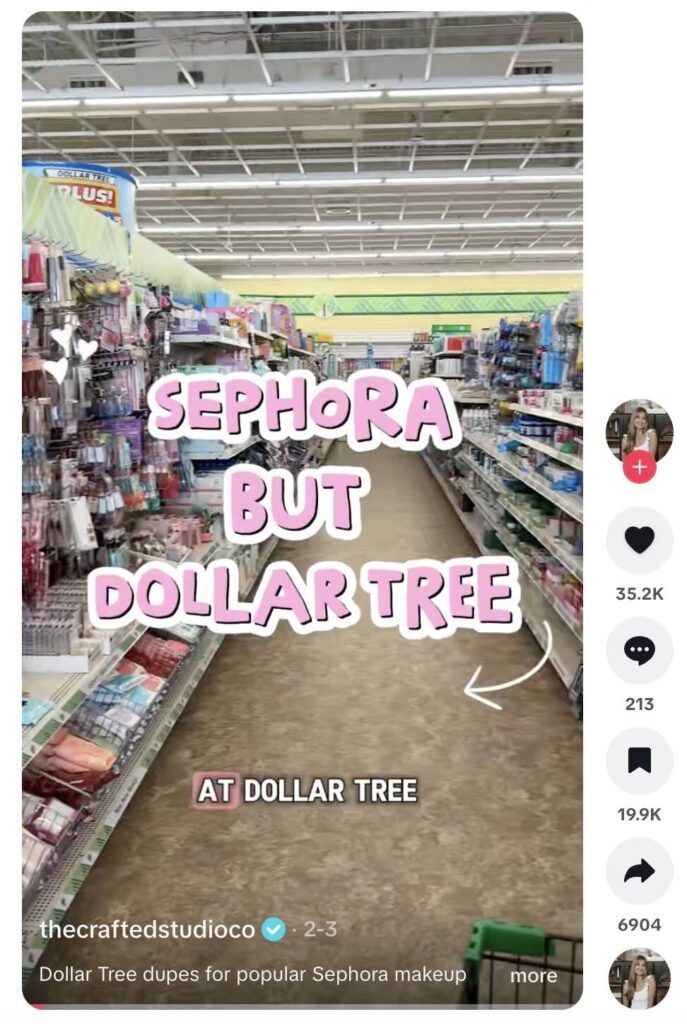
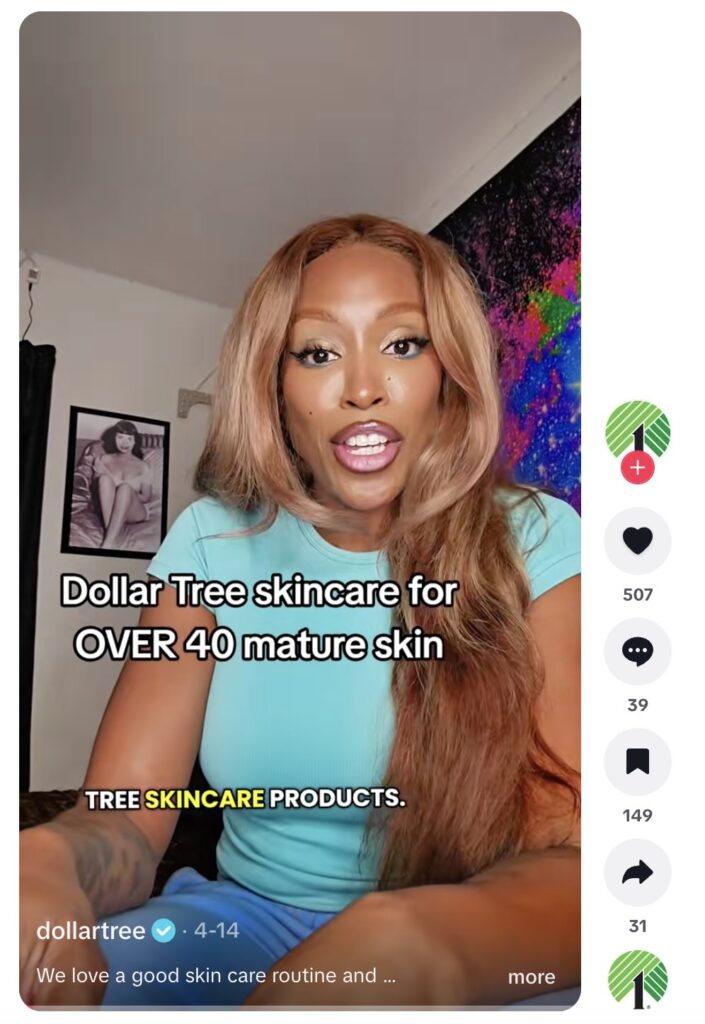
This trend is best exemplified by the rebranding of discount retailers. Dollar Tree has been hailed across TikTok and Instagram as "Sephora on a budget," with creators producing high-production-value content showcasing affordable skincare and beauty dupes. Similarly, "Aldi hauls"—once a niche interest—have exploded into viral staples that generate as much engagement as high-end fashion try-ons.
Even within the B2B and lifestyle sectors, the shift is palpable. The "Staples Baddie" phenomenon, which turned mundane office supplies into viral accessories, proves that consumers are hungry for content that validates their everyday needs rather than highlighting their lifestyle gaps.
Chronology: From Glossy Grids to Lo-Fi Reality
To understand the current state of influencer marketing, one must look at the trajectory of the medium over the last decade.
- 2015–2019 (The Aspirational Era): Influencer marketing was dominated by the "Instagram aesthetic." Success was predicated on high-definition imagery, expensive travel, and the promotion of luxury goods. Brands prioritized macro-influencers with massive follower counts, often treating influencer posts as digital billboards.
- 2020–2022 (The Transition): The global pandemic forced a reckoning. As travel stopped and luxury consumption became tone-deaf, creators began pulling back the curtain. The rise of "lo-fi" content—unedited, raw, and conversational—began to gain traction as audiences craved human connection during periods of isolation.
- 2023–Present (The Pragmatic Era): Economic headwinds have solidified this trend. The focus has moved from "showing off" to "smart shopping." Creators are now rewarded by algorithms for providing utility: budget hacks, product comparisons, and "dupes." The "aspirational" influencer has been replaced by the "knowledgeable peer."
Supporting Data: The Case for Relatable Influence
Data from the Q2 and Q3 2025 Sprout Pulse Surveys confirms that this is not merely a anecdotal shift; it is a measurable change in consumer behavior.
- Conversion Power: 64% of consumers report that they are more likely to purchase from a brand if it partners with an influencer they trust.
- The Gen Z Factor: The reliance on social media as a shopping guide is particularly pronounced among younger demographics. 53% of Gen Z and 48% of millennials have made a direct purchase through an influencer’s sponsored post.
- The Trust Gap: Perhaps most tellingly, 36% of all consumers—and 51% of Gen Z—trust social media content, including Reddit threads and TikTok reviews, more than traditional search engines or AI chatbots.
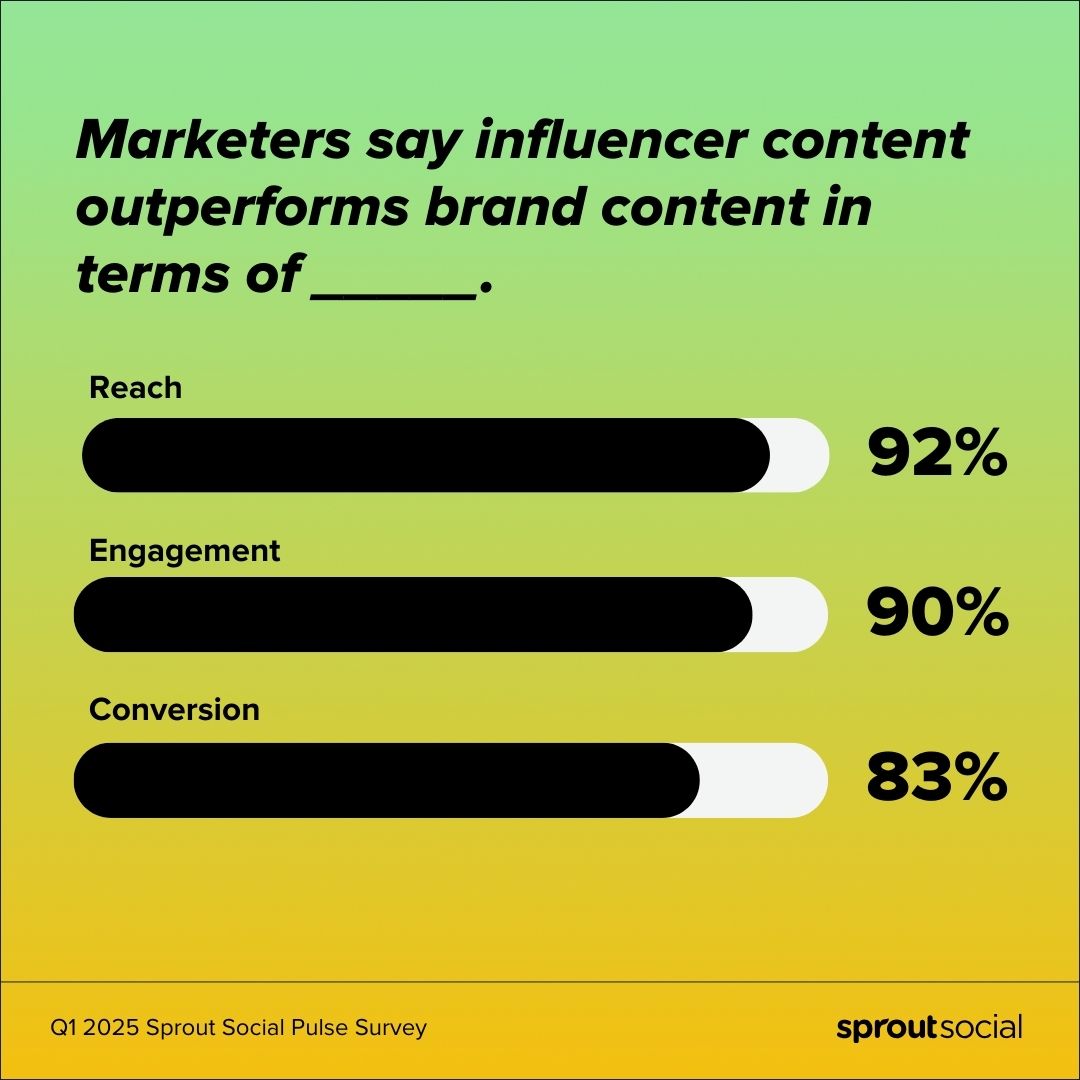
Marketers are taking note. According to the Q1 2025 Sprout Pulse Survey, 83% of marketers believe that influencer-generated content significantly outperforms brand-managed social posts in terms of conversions. The data suggests that when a brand hands over the creative reins to an influencer who understands their specific niche, the return on investment (ROI) is substantially higher.
Official Perspectives: Expert Insight
Greg Scavuzzo, Director of Product Marketing at Sprout Social, believes this shift is an opportunity for brands to humanize their product applications.
"When a brand team goes into a studio, they produce a handful of polished, product-focused assets," Scavuzzo explains. "But when you work with influencers, they have their own unique application for how the product comes to life. If a creator’s niche is budget-conscious living, they will reimagine your product in a way that resonates deeply with that audience."
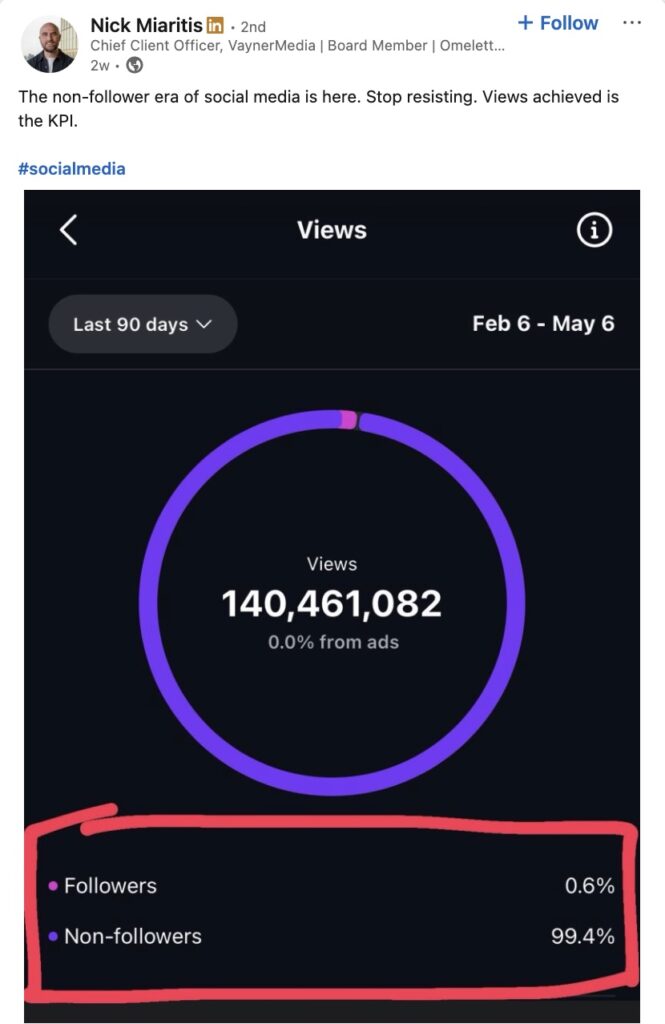
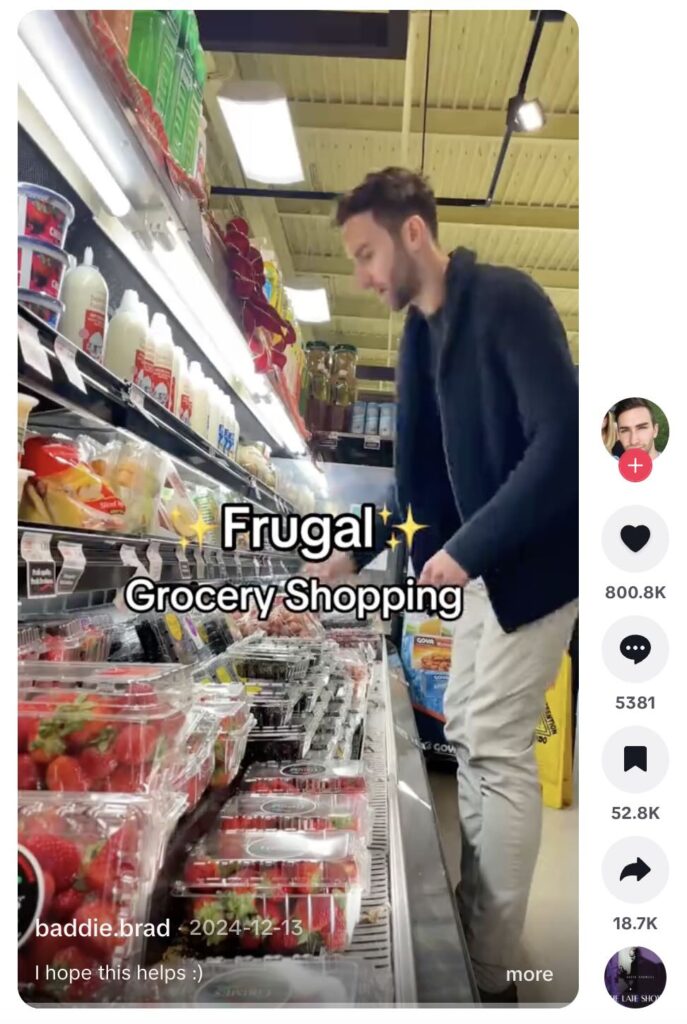
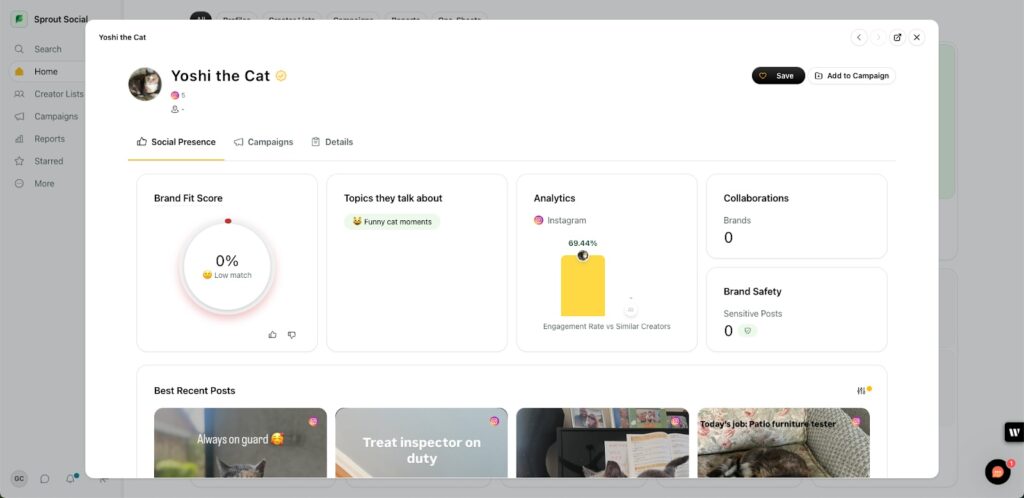
Scavuzzo emphasizes that the era of relying solely on demographic data and follower counts is over. "We are in an attention economy," he says. "Consumers are interested in topics, not just personalities. If you partner with a creator who is an expert in, say, frugal grocery shopping, you aren’t just buying an audience; you are buying credibility within a specific, highly engaged community."
Strategic Implications: Redefining the Partnership
For brands, the implications of this shift are twofold: they must prioritize niche expertise over massive reach, and they must prioritize authenticity over production value.
1. The Death of the "Celebrity" Influence
Macro-influencers who focus on broad, lifestyle-based content are increasingly being viewed as "out of touch." In contrast, micro and mid-tier influencers who maintain a laser focus on specific topics—whether it’s beauty dupes, sustainable home decor, or smart investing—are building far more loyal, actionable communities.
2. Discoverability over Follower Count
Brands should focus on "discoverability potential." With the rise of algorithmic feeds (such as the TikTok "For You" page), a creator with 50,000 followers who consistently produces viral, high-engagement content is more valuable than a creator with 2 million followers whose content is rarely shared or saved.
3. Integrating Influencer Content into the Marketing Mix
Influencer content should no longer live in a silo. It should be treated as the primary asset for both organic and paid social strategies. By leveraging a creator’s native style, brands can lower their cost-per-view (CPV) while simultaneously increasing engagement rates.
Standout Examples of Modern Storytelling
Several brands are already successfully navigating this new landscape:
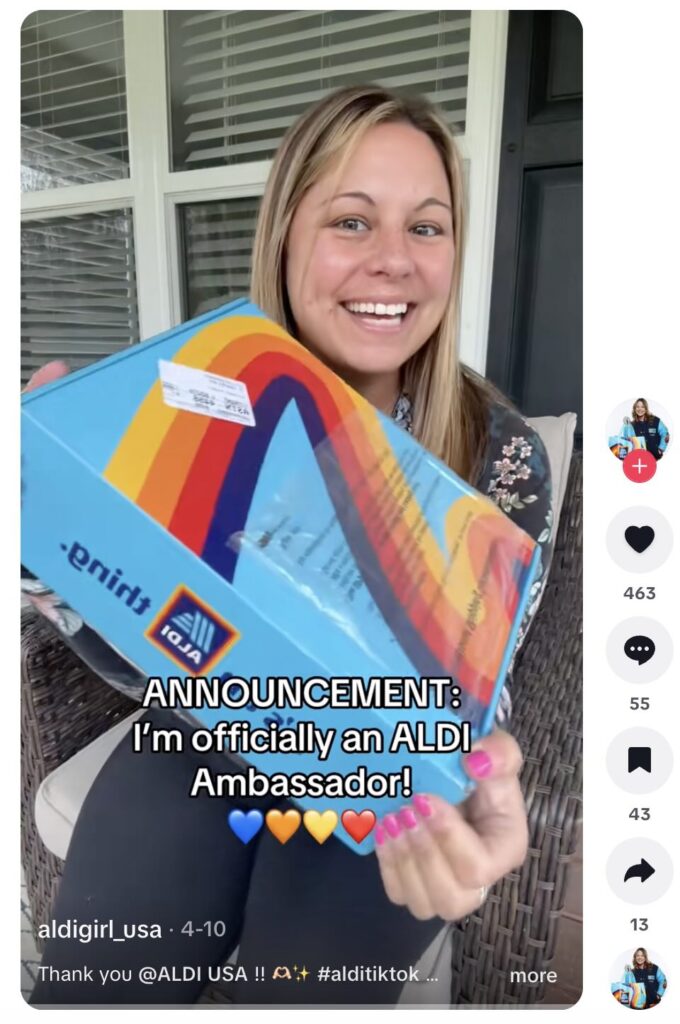
- Aldi: By launching an ambassador program that empowers "Aldi super-fans" to showcase their hauls and recipes, the brand has turned everyday shoppers into a decentralized marketing force. They are not asking influencers to be glamorous; they are asking them to be helpful.
- Dollar Tree: The brand’s strategy of leaning into the "Sephora dupe" trend was a masterclass in social listening. By resharing user-generated content from creators who were already using their products to create high-end looks on a budget, Dollar Tree validated their customers’ spending habits while simultaneously boosting their own brand equity.
- Eye Buy Direct: During major cultural events like Coachella, the brand pivoted away from traditional, luxury-focused event marketing. Instead, they collaborated with creators to show how affordable eyewear could fit into a trendy, high-energy festival lifestyle. The result was a campaign that felt accessible rather than exclusionary.
The Path Forward: Why Relatability is Priceless
As we look to the future, the primary challenge for marketers will be the ability to balance brand integrity with the need for creator autonomy. The most successful campaigns of the next few years will be those that empower creators to speak in their own voice, using their own budget-conscious logic, to solve the problems of their followers.
Relatability is not just a trend—it is a survival mechanism for brands in a cautious economy. By moving away from the unattainable and embracing the reality of the modern consumer, brands can build trust that is far more durable than any polished, high-budget ad campaign. The message is clear: if you want to win in the current market, stop trying to impress your customers and start trying to understand them.

 Nana Wu
 Nana
Nana