Asro
Asro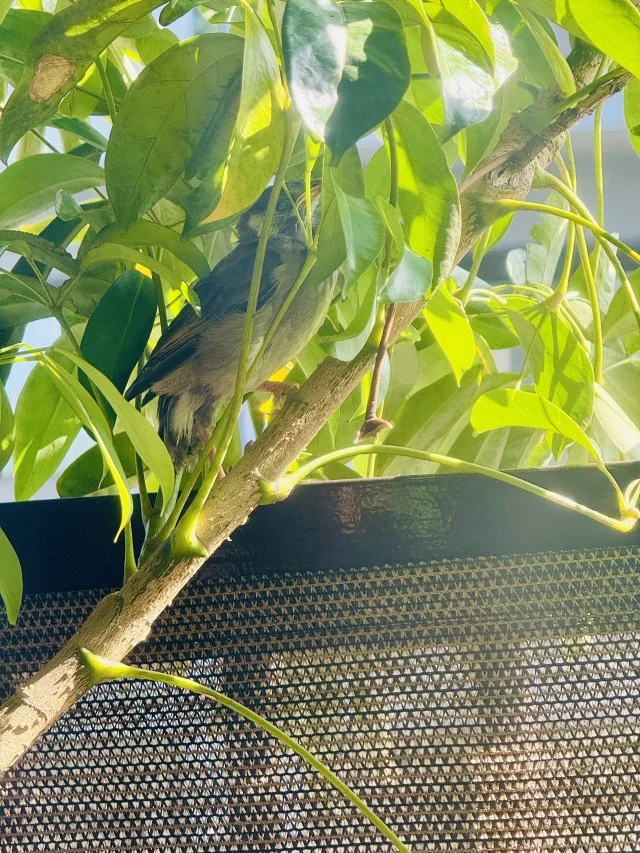
In the densely populated urban landscape of Japan, the struggle for balcony space between humans and local wildlife is a tale as old as high-rise living. For Go Hatori, a writer whose very name contains the kanji for "bird" (鳥), this conflict has become a recurring personal saga. Priding himself on maintaining an immaculate, pristine living environment, Hatori recently found his sanctuary compromised by a pair of romantic, albeit untidy, pigeons. Their persistent cooing and the resulting biological "residue" left on his property triggered a retaliatory strike that would ultimately prove more ironic than effective.
The Main Facts: A Quest for Cleanliness
The central issue is the persistent colonization of residential balconies by urban pigeons—a common nuisance in Japanese cities. For Hatori, the situation reached a breaking point when the romantic interludes of a specific pair of pigeons resulted in an unacceptable level of excrement on his balcony.
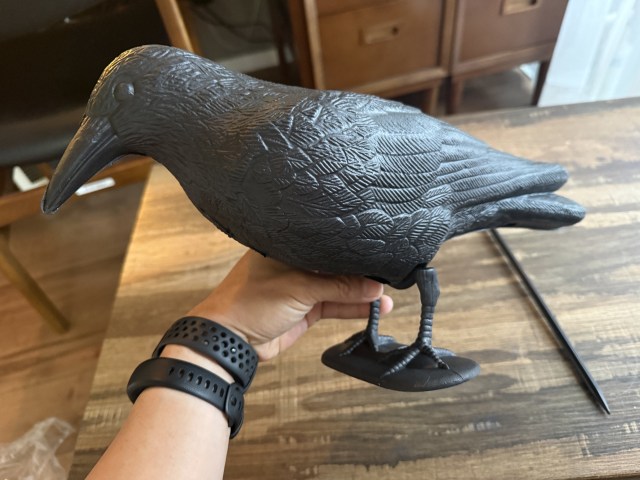
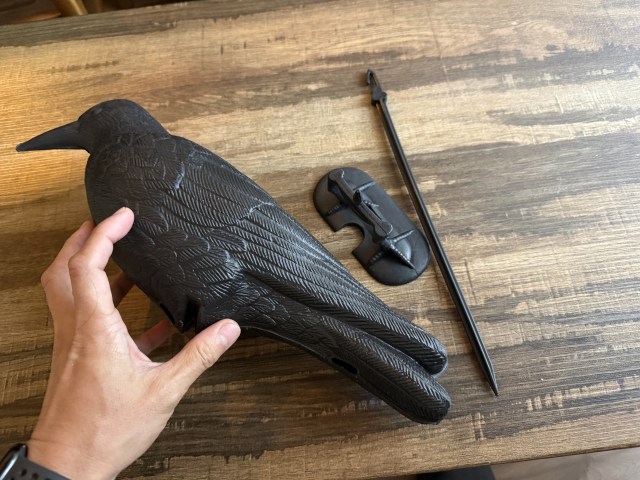
Having previously invested in high-tech ultrasonic repellers, which failed to deter the avian squatters, Hatori turned to a low-tech, classic solution: a life-sized plastic crow figure. Purchased from Amazon Japan for the modest sum of 999 yen (approximately $6.24 USD), the 200-gram decoy was intended to act as an apex predator, signaling to the pigeons that the territory was already claimed by a member of the Corvidae family—a group known for their territorial aggression and intelligence.
Chronology of the Avian Escalation
Phase I: The Deployment of the Decoy
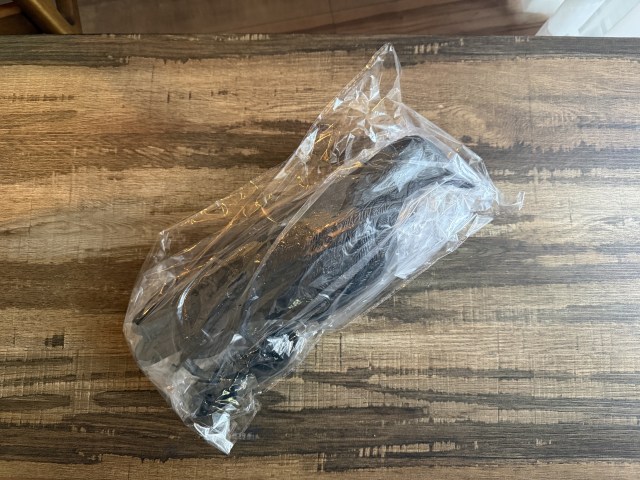
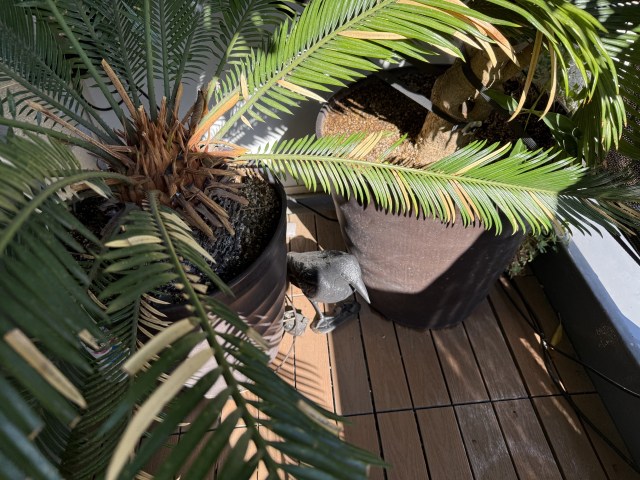
On a quiet Tuesday, Hatori received his package. Measuring 38 x 12 x 23 centimeters, the plastic crow was lightweight enough for versatile placement yet sufficiently realistic to serve as a psychological deterrent. Hatori carefully selected strategic locations on his balcony, positioning the figure near his planters to maximize visibility to incoming birds.
Phase II: The Psychological Toll
Interestingly, the primary victim of the decoy during the first 48 hours was not the pigeon population, but Hatori himself. On several occasions, the writer admitted to stepping onto his balcony in a state of morning autopilot, only to be startled by his own defensive measure. The realistic silhouette of the crow proved effective at inducing a "fight-or-flight" response in a human, yet the pigeons remained suspiciously unbothered by the silent, unmoving guardian.
Phase III: The Unexpected Guest
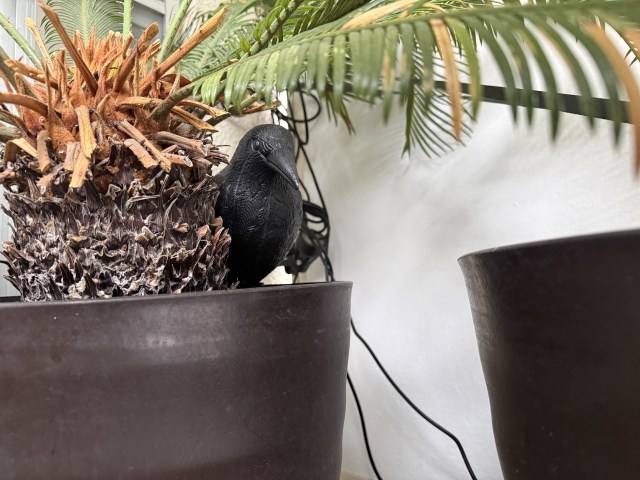
The operation took an unexpected turn later that week. While monitoring the balcony for the typical "coo-coo" sounds of his pigeon nemeses, Hatori heard a distinct, unfamiliar rustling in his foliage. Upon inspection, he discovered that his plan had not only failed to repel birds but had inadvertently provided a nesting ground for a different species: a juvenile white-cheeked starling (mukudori).
The young bird, seemingly unafraid of the plastic predator, appeared to be using the balcony—and the cover provided by the foliage near the crow—as a temporary waiting room while its parents foraged elsewhere.
Supporting Data and Technical Specifications
The failure of the device is not merely anecdotal; it reflects a broader biological reality.
-
The Decoy Specifications:
- Weight: 200 grams (7.05 ounces)
- Dimensions: 38cm x 12cm x 23cm
- Retail Cost: 999 JPY
- Material: Lightweight, weather-resistant plastic
-
Behavioral Observations:
- Pigeon Habituation: Pigeons are known for high levels of habituation. A static, non-threatening object, regardless of its appearance, quickly loses its status as a "threat" once the pigeons observe that it does not move, vocalize, or exhibit hunting behaviors.
- The Starling Factor: The white-cheeked starling is a highly adaptive urban bird. In some contexts, they are considered more nuisance-prone than pigeons due to their communal roosting and tendency to be more bold in human-populated areas. By creating a sheltered environment for his plants, Hatori may have inadvertently made his balcony more attractive to small, curious birds looking for temporary refuge.
The Failure of Ultrasonic and Static Deterrents
Hatori’s experience highlights a persistent gap in consumer pest-control products. While ultrasonic devices are frequently marketed as humane, non-toxic solutions, their efficacy is often undermined by the physical environment of a balcony, where concrete and glass surfaces can create sound shadows and reflections that render the pulses ineffective.
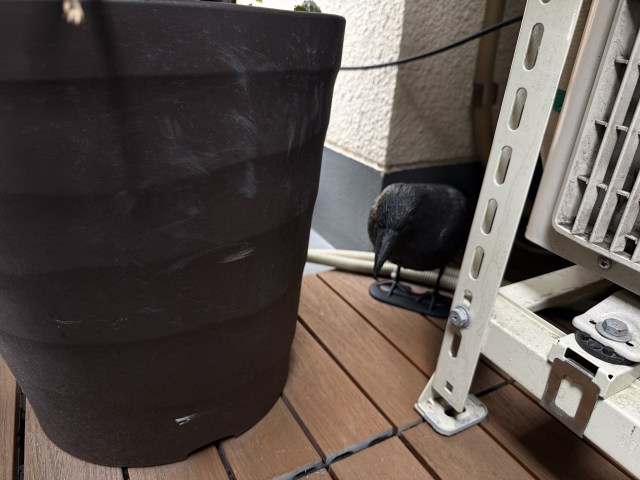
Similarly, static decoys fail because they lack the "dynamic reinforcement" required to maintain a fear response in intelligent animals. Without movement or the presence of a real threat, birds—especially the pigeons common in Tokyo—view such objects as part of the landscape rather than a predator. In many cases, these decoys eventually serve as perches for the very pests they were intended to scare away.
Implications for Urban Wildlife Management
The implications of this experiment are significant for apartment dwellers.
- The "Safety" Illusion: The presence of a predator decoy can often provide a false sense of security to the human owner, while simultaneously providing a visual landmark or resting post for urban wildlife.
- Adaptive Behavior: Wildlife in cities is becoming increasingly acclimated to human presence. Strategies that rely on fear are less effective than those that focus on physical exclusion, such as mesh netting or spikes, which provide a physical barrier rather than a psychological one.
- Human-Animal Coexistence: Hatori’s emotional reaction to the juvenile starling—which he found "cute" and reminiscent of a child waiting for a parent—suggests the complex psychological relationship between urbanites and nature. While he maintains his desire for a clean space, the inherent charm of the wildlife often softens the resolve to maintain a strictly sterile environment.
Conclusion: What’s Next for the Balcony?
As it stands, the plastic crow currently holds a position of honor on Hatori’s balcony, though its influence over the pigeon population is negligible at best. The "bird-named" writer is now at a crossroads. He has previously experimented with more extreme measures, including turning his apartment into a makeshift batting cage to ward off persistent visitors, and it appears he may be forced to revisit such drastic physical deterrents.
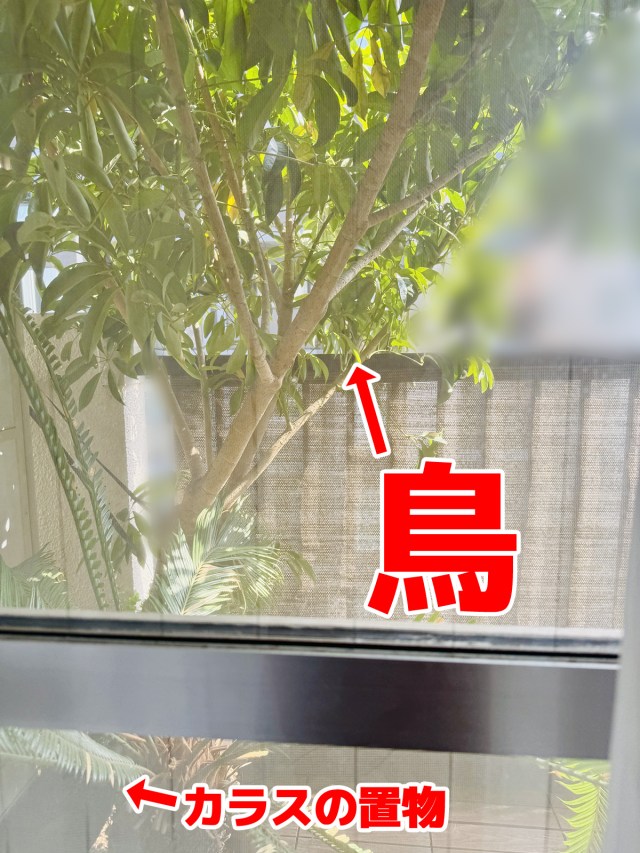
For now, the plastic crow serves as a silent witness to a failed experiment—a reminder that when it comes to nature, the best-laid plans of mice and men (and bird-lovers) often fall short of the adaptability of the local fauna. Whether Hatori will eventually accept his role as a reluctant host to the neighborhood starlings or escalate his defensive maneuvers remains to be seen. One thing is certain: the balcony, for now, belongs to the birds.
This report is based on ongoing field observations regarding urban pest mitigation strategies in Tokyo. The effectiveness of static decoys continues to be a subject of debate among pest control professionals, with most citing consistent movement and variation as the only viable long-term strategy for psychological deterrents.


 Neng Nana