As the autumn leaves begin to fall, Marvel Comics is leaning into the encroaching darkness. With the announcement of the October 2026 solicitation slate, the publisher has confirmed a pivot toward horror, existential dread, and high-stakes crossovers. The centerpiece of this chilling month is the launch of the "Midnight Universe"—a trio of interconnected titles that promise to redefine the status quo for some of Marvel’s most iconic heroes.

Beyond the "Midnight" initiative, the publisher is navigating the heavy fallout of the Avengers: Armageddon event, while simultaneously honoring its rich history with milestone issues, omnibus releases, and deep-dive legacy collections.

The Midnight Universe: A Chilling New Era
The most significant development for October is the arrival of the "Midnight Universe" on October 7th. This unified launch event introduces three flagship titles, each designed to explore a darker, more visceral side of the Marvel mythos.

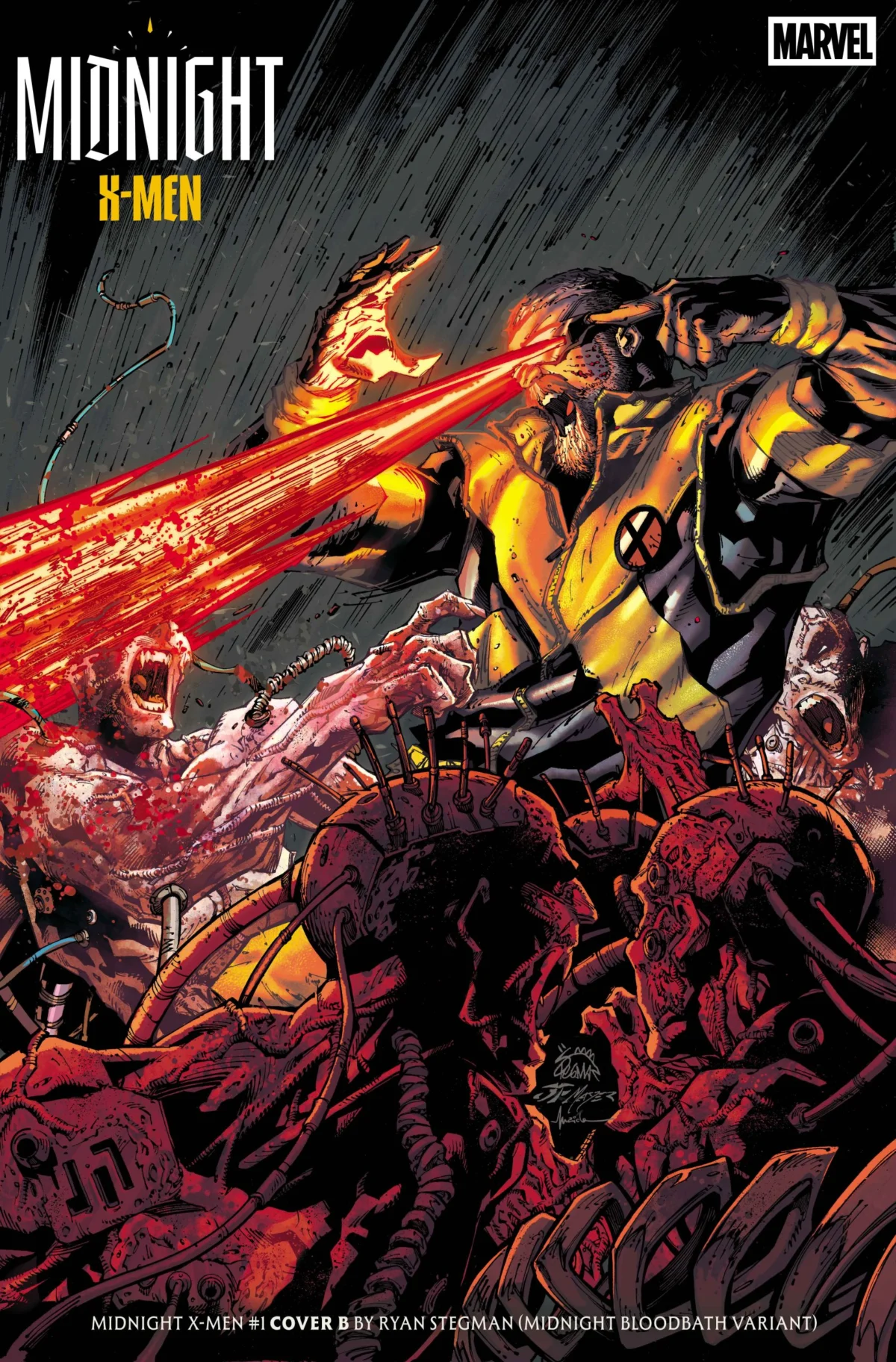
Midnight X-Men #1
Written by Jonathan Hickman with art by Matteo Della Fonte, Midnight X-Men sets the stage for a grim conflict. The solicitation text describes a New York City stalked by both vampires and mutant "Empyres," with a precarious peace between the two species hanging by a thread. The emphasis on the "Sword of Damocles" suggests that the fragility of this new world order will be the primary source of tension for the series. With an extensive range of variant covers—including the "Midnight Bloodbath" and "Horror Homage" variants—Marvel is clearly positioning this as a cornerstone of its fall lineup.

Midnight Fantastic Four #1
Benjamin Percy and artist Kev Walker take the reins on Midnight Fantastic Four. The premise leans into cosmic horror, focusing on an obsessive scientist whose foray into unknown dimensions leaves his team "warped in strange and horrifying ways." The title promises to shift the Fantastic Four from their typical roles as explorers to victims of the very secrets they seek to uncover.

Midnight Spider-Man #1
Phillip Kennedy Johnson and artist Scietronc bring a body-horror aesthetic to the wall-crawler in Midnight Spider-Man. The story follows a young man transformed into a "hideous spider hybrid" by Oscorp. The narrative centers on his struggle to maintain his humanity while embracing his grotesque new form to fight back against the corporation’s efforts to mass-produce these human-animal hybrids.

The Aftermath of Armageddon: A Landscape in Flux
While the Midnight Universe offers a new beginning, the rest of the Marvel line continues to grapple with the seismic changes brought about by Avengers: Armageddon.

The event concludes with Avengers: Armageddon #5, leaving a trail of destruction that will ripple through subsequent months. The focus, however, remains squarely on Victor Von Doom. The one-shot Doom All-On-One #1, written by Al Ewing with art by Alessandro Cappuccio, is a massive 64-page spectacle. The solicitations describe it as a "fifty-page, wide-screen landscape-oriented splash page" battle, where Doom faces the entire Marvel Universe across the "searing flames of perdition."

The fallout extends to other titles as well. Black Panther/Namor: Doomed #2 continues the reluctant alliance between the two kings as they journey to Hell to confront Doom. This series, spinning out of the Armageddon event, highlights the desperation of the heroes as they seek the aid of the Scarlet Witch to navigate the infernal landscape.

Milestone Issues and Continued Adventures
October is not entirely consumed by shadows. Marvel continues its celebration of its most enduring characters with significant publishing landmarks.

The Amazing Spider-Man #1001 & #1002
Following the monumental success of issue #1000, Joe Kelly and Pepe Larraz keep the momentum high. Issue #1001 focuses on the immediate aftermath of the previous issue’s conflict, as Spidey battles a new threat, Ravage, with Aunt May caught in the crossfire. Issue #1002 promises to reveal the origins of the new villain, forcing Peter Parker to confront the potential cost of his past actions.

Additionally, Amazing Spider-Man: Amazing Visions #1 serves as a high-end tribute to the wall-crawler’s history, collecting 25 stunning variant covers by Lee Bermejo, documenting everything from the character’s origin to the Superior Spider-Man saga.

X-Men and Mutantkind
The X-line remains as busy as ever. Uncanny X-Men #37, written by Gail Simone, is billed as the "most brutal story yet," featuring a "claw vs. claw" showdown between Wolverine and Sarah Gaunt. Meanwhile, Jed MacKay’s run on X-Men continues through issues #39 and #40, tying into the broader "DNX" event, with the latter issue focusing on Psylocke’s solo mission to uncover the truth behind a mysterious monster.

Official Responses and Strategic Shifts
Marvel’s solicitation documents explicitly note that several art and story details have been intentionally held back. This strategy is clearly tied to the San Diego Comic-Con (SDCC) reveal schedule. By withholding key plot points for titles like Captain America #16, Infernal Hulk vs. Fantastic Four, and Wade Wilson: Deadpool #9, Marvel aims to generate sustained buzz throughout the convention season.

The strategy also highlights a shift toward high-concept, auteur-driven mini-series. For instance, the new Wolverine: Paradise #1, written and illustrated by Dan Panosian, marks a distinct departure from the standard X-Men team dynamics, placing Logan in a "simmering criminal underworld" in Miami.

Implications for the Future
The October 2026 solicitations reveal several key trends in Marvel’s current editorial direction:

- Genre Blending: By combining traditional superhero tropes with horror and supernatural themes (as seen in the Midnight titles and the Doom one-shots), Marvel is attempting to capture the "spooky season" audience while providing a fresh texture to long-running characters.
- A Focus on High-Stakes Consequences: The lingering impact of Avengers: Armageddon and the ongoing One World Under Doom omnibus project suggest that Marvel is committed to long-form storytelling that requires significant character growth and world-altering stakes.
- The Return of the "Event" Omnibus: With the massive 1,536-page One World Under Doom omnibus and the comprehensive X-Men: Age of Krakoa volumes, the publisher is leaning heavily into the prestige collecting market, providing readers with definitive, exhaustive records of their major crossover arcs.
- Legacy and Innovation: The inclusion of Facsimile Editions (such as Ultimate Fantastic Four #21 and Uncanny X-Men #159) alongside brand-new, experimental stories like Meals to Astonish: Avengers (featuring chef José Andrés) demonstrates a balanced approach that respects the publisher’s history while seeking out new, unconventional collaborations.
Conclusion
As the year winds down, Marvel Comics appears to be doubling down on its ability to evolve. Whether through the lens of a horror-inflected "Midnight Universe" or the grand, geopolitical schemes of Doctor Doom, the October 2026 lineup offers a wide array of content for both legacy readers and those looking for something new. With the upcoming reveals at SDCC expected to fill in the remaining gaps, fans should prepare for a fall season where no hero is safe and no status quo is guaranteed to survive the month.