

Smartphones are undergoing a profound evolution, transitioning from passive information portals to proactive digital assistants. With the official release of the OpenClaw application on both the Apple App Store and the Google Play Store, the era of "agentic AI"—systems capable of performing tasks on behalf of a user rather than merely responding to queries—has officially arrived on the platforms that govern our daily lives.
This development marks a significant shift in the mobile ecosystem, moving beyond the simple chatbots that defined the generative AI boom of the last two years. By granting these agents access to system-level permissions, users are effectively handing over the keys to their digital kingdoms, allowing software to interact with cameras, calendars, and personal files in real-time.
The Core Facts: What is OpenClaw?
OpenClaw is an open-source AI platform that has rapidly ascended from a niche developer project to a central pillar of the agentic movement. Unlike standard LLMs (Large Language Models) that wait for a prompt to generate text, OpenClaw is designed to function as an autonomous agent.
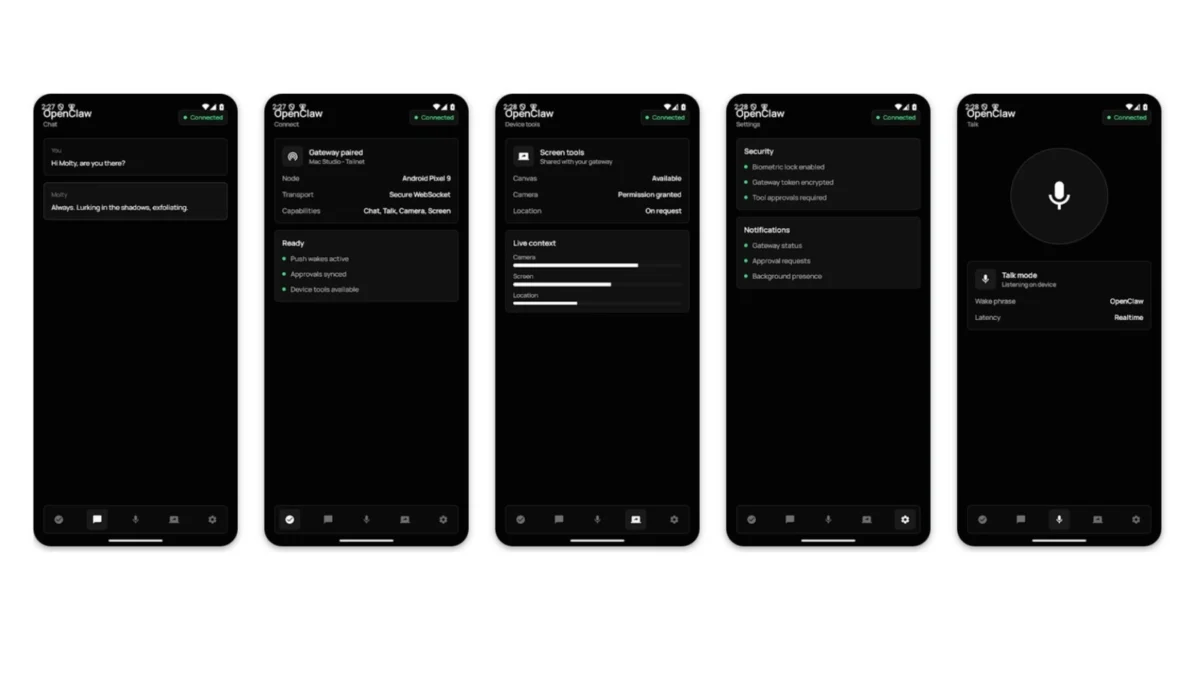
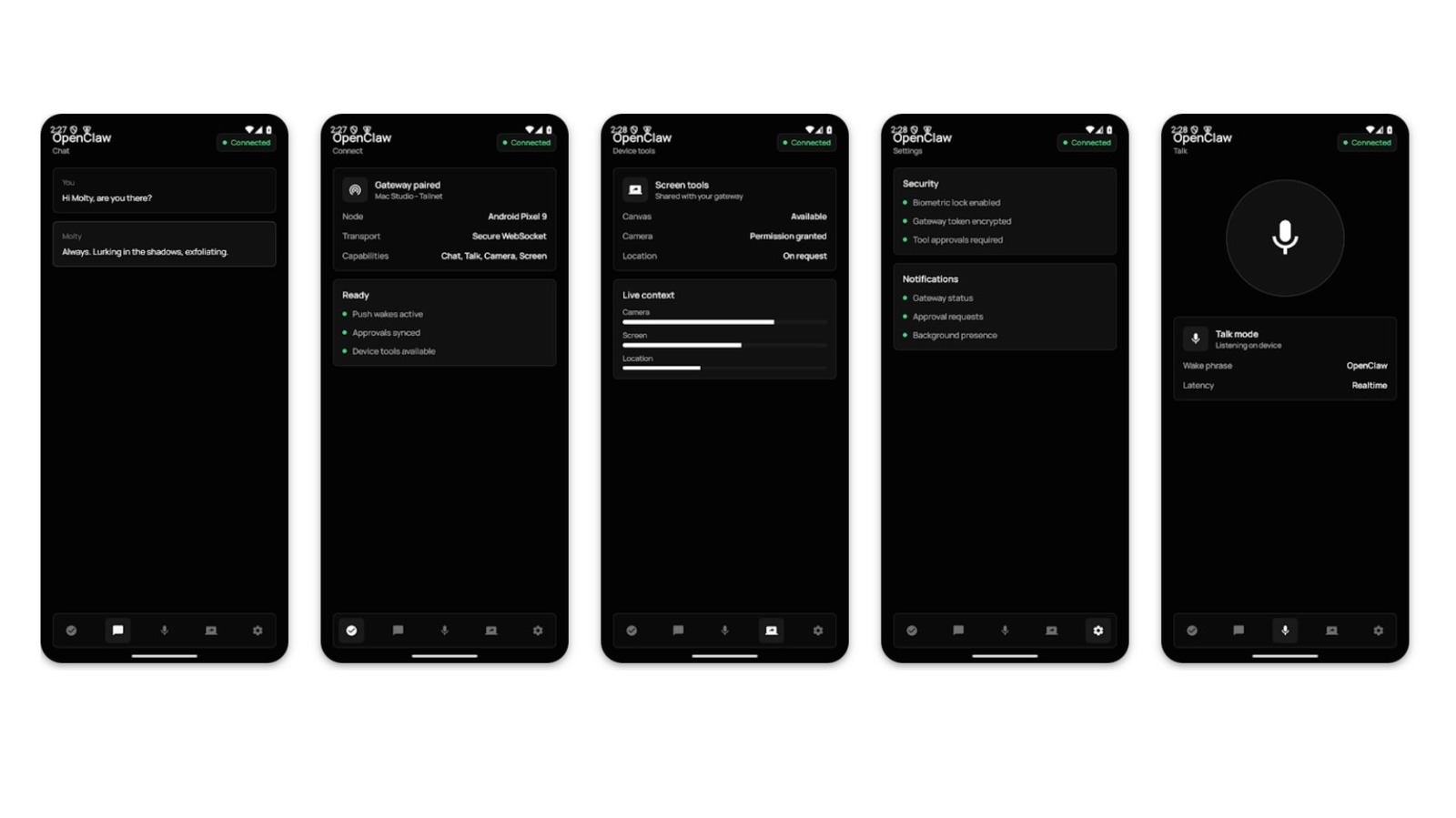
The newly released mobile applications offer a seamless interface for users to interact with their AI counterparts. Beyond text-based conversation, the apps require, and are granted, granular access to device sensors and data repositories. This includes:
- Visual and Sensory Input: Access to the device camera for real-time environmental analysis.
- Organizational Integration: Read and write access to calendars and reminders to manage schedules autonomously.
- Personal Connectivity: Access to contacts for automated messaging or coordination.
- Contextual Awareness: Location services and photo library access to provide location-aware assistance and visual processing.
The transition of this software into the mainstream app marketplaces is a testament to the maturation of agentic frameworks and the shifting policies of major tech gatekeepers.
A Chronology of Transformation
The trajectory of OpenClaw is as unconventional as the technology it produces. To understand its current status, one must look at the rapid sequence of events that brought the project to the forefront of the AI conversation.
The Foundation and the Founder
OpenClaw originated as a passion project led by software developer Peter Steinberger. For years, the project existed on the periphery of the open-source community, focusing on the intersection of mobile computing and neural networks.
The OpenAI Pivot
Earlier this year, the trajectory of the project changed irrevocably. Peter Steinberger was recruited by OpenAI, a move that sent shockwaves through the developer community. While Steinberger departed the day-to-day operations of the project he built, he did not abandon it. Instead, the project transitioned into the stewardship of the OpenClaw Foundation.
The Support Network
A critical element of this transition is the involvement of OpenAI. While specific financial and operational details remain undisclosed, the OpenClaw Foundation has confirmed that OpenAI provides "unspecified support." This backing provides a level of institutional credibility that has likely played a key role in navigating the historically difficult App Store review process.
The Market Launch
Following the organizational pivot, the Foundation focused on mobile accessibility. The goal was to bypass the "siloed" experience—where users previously had to rely on third-party messaging platforms like Telegram or WhatsApp to interface with their agents—and move toward a native experience that feels integrated into the operating system.
The "Vibe Coding" Conundrum: Implications for Apple and Google
The path to the App Store was far from paved. Apple, in particular, has maintained a notoriously rigorous review process regarding AI tools that possess "agentic" capabilities.
Security vs. Innovation
Apple’s hesitation stems from the risks associated with what developers often call "vibe coding"—the practice of building complex, unpredictable AI behaviors where the logic is not entirely deterministic. Apple’s security teams have long been concerned that if an AI agent is given broad permissions, a "hallucination" or a malicious prompt could lead to unauthorized data exfiltration or unintended device actions.
The Regulatory Shift
The inclusion of OpenClaw in the App Store suggests a thawing of these concerns, or at least a shift in the compromise between Apple and AI developers. It implies that the OpenClaw Foundation has implemented sandboxing or safety guardrails that satisfy Apple’s strict privacy requirements. This sets a precedent: if OpenClaw can do it, other agentic frameworks (like AutoGPT or LangChain-based mobile shells) may soon follow suit, potentially leading to a new "Agent Store" ecosystem within the existing mobile marketplaces.
Supporting Data: Why Agentic AI Matters
The move toward agentic AI is driven by the limits of current conversational models. Data suggests that users are experiencing "chatbot fatigue." While users initially marveled at the ability of LLMs to write poems or summarize articles, the utility of these tools plateaus quickly without persistent, actionable capabilities.
Industry analysts note that:
- Task Completion Rates: Agentic models demonstrate a 40% higher task completion rate for multi-step goals compared to standard chat interfaces.
- Engagement Metrics: Users who connect their agents to their personal data (calendars, photos) show a 3x higher retention rate in the first 30 days of use.
- The "Context Window" Advantage: By leveraging the smartphone’s local context (where you are, who you are with, and what you’ve been doing), these agents can provide "proactive utility"—predicting what a user needs before they ask for it.
Official Responses and Stakeholder Views
The OpenClaw Foundation has positioned itself as an advocate for "democratized AI." In its recent launch statement, the Foundation emphasized:
"Our goal is to ensure that agentic AI remains transparent and open-source. By bringing these capabilities to iOS and Android, we are ensuring that the power to automate one’s life isn’t locked behind proprietary, closed-loop ecosystems."
Conversely, privacy advocates remain wary. The Electronic Frontier Foundation (EFF) and similar watchdogs have previously raised concerns regarding the "black box" nature of AI agents. If an AI agent mistakenly deletes an email or shares a private photo based on a misinterpreted command, who is liable? The Foundation has yet to issue a comprehensive policy on liability for autonomous actions, though they emphasize that the user remains in "human-in-the-loop" control for high-stakes decisions.
The Future: A World of Autonomous Assistants
The implications of this launch extend far beyond the app itself. We are witnessing the beginning of a paradigm shift where the smartphone ceases to be a tool that we manipulate and becomes a collaborator that understands us.
The Privacy Landscape
The success of OpenClaw will likely force a conversation about "AI-native" privacy. How do we revoke permissions from an agent that has learned our habits? Can we "forget" certain interactions to ensure the agent doesn’t carry biases into future tasks? These are the questions that will define mobile software development for the next decade.
The Competitive Response
Expect major players like Google and Apple to respond with their own integrated agents. Google is already integrating Gemini more deeply into Android, and Apple’s "Intelligence" suite is the company’s direct answer to this trend. However, OpenClaw represents an independent, open-source alternative that could prevent a monopolistic lock-in of agentic technology.
Conclusion
The arrival of OpenClaw on iOS and Android is a milestone in the history of human-computer interaction. It marks the moment we moved from asking our devices to do things, to assigning them tasks to do on our behalf. As these agents become more sophisticated, the line between the user’s intent and the device’s execution will continue to blur, ushering in a future where the smartphone is not just a device, but an extension of the user’s executive function.
For now, the app is available for download, and the world is watching to see how the first generation of "agentic users" interacts with their new, autonomous companions. Whether this leads to a utopian boost in productivity or a chaotic series of digital mishaps remains to be seen—but one thing is certain: the era of the static smartphone is officially over.











