

In the world of high-profile content creation, the line between passion and policy is often thinner than it appears. For popular VTuber Usada Pekora, a seemingly harmless desire to experience a classic gaming milestone resulted in a swift intervention from one of the industry’s most litigious titans: Nintendo. The incident, which centered on the use of a potentially modified Pokémon Emerald cartridge, highlights the complex interplay between fan nostalgia, modern Japanese copyright law, and the stringent guidelines governing live-streamed content.
The Catalyst: A Quest for a Mythical Pokémon
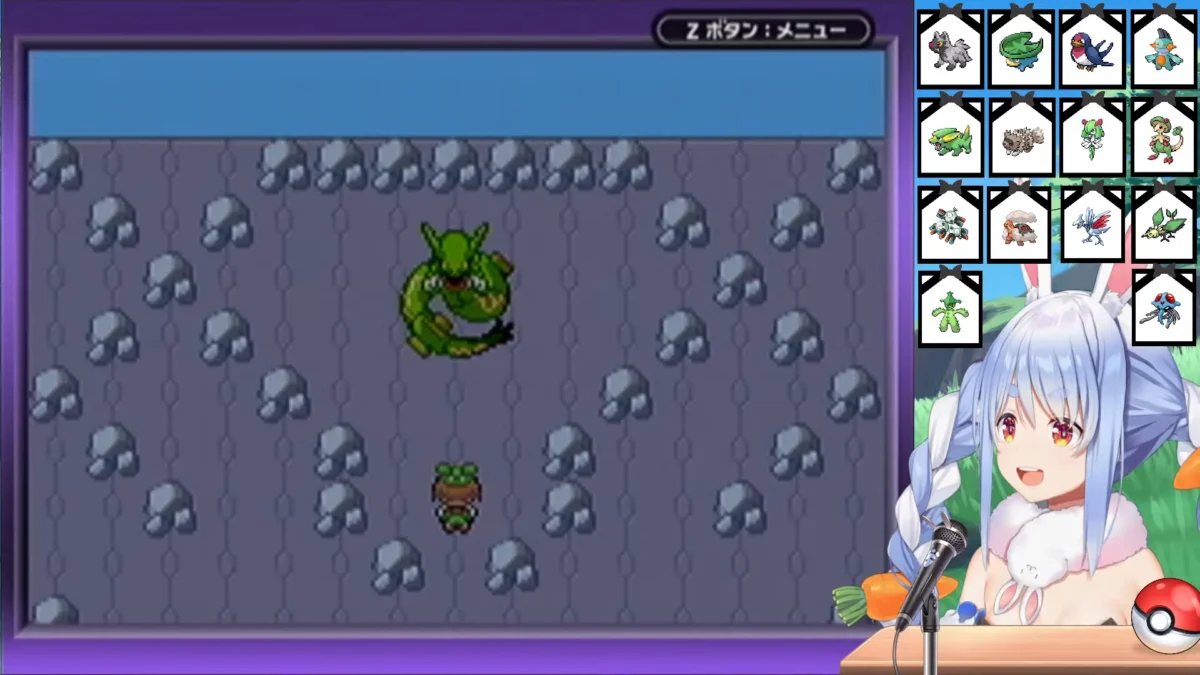
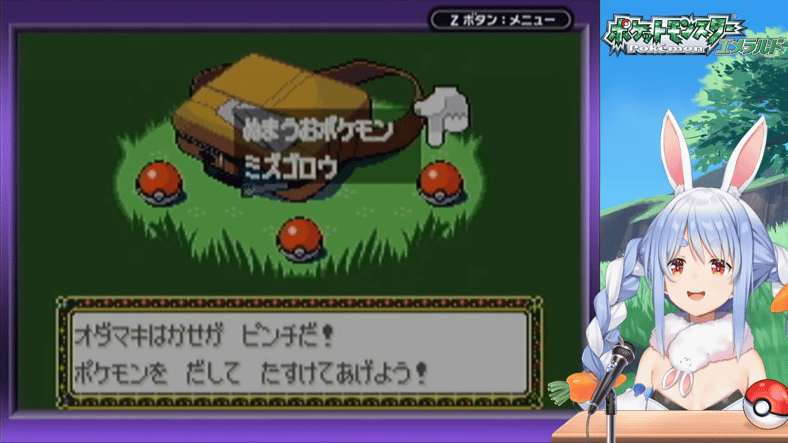
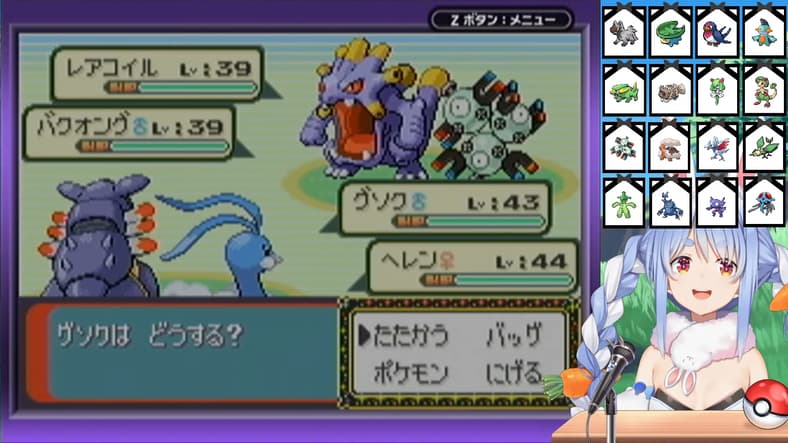
The controversy began with a fan-favorite project: a playthrough of the 2004 Game Boy Advance classic, Pokémon Emerald. Seeking to provide her audience with a high-quality, authentic experience, Pekora did not rely on emulation. Instead, she took the initiative to acquire physical hardware, specifically sourcing original Pokémon Emerald cartridges from online secondary markets.
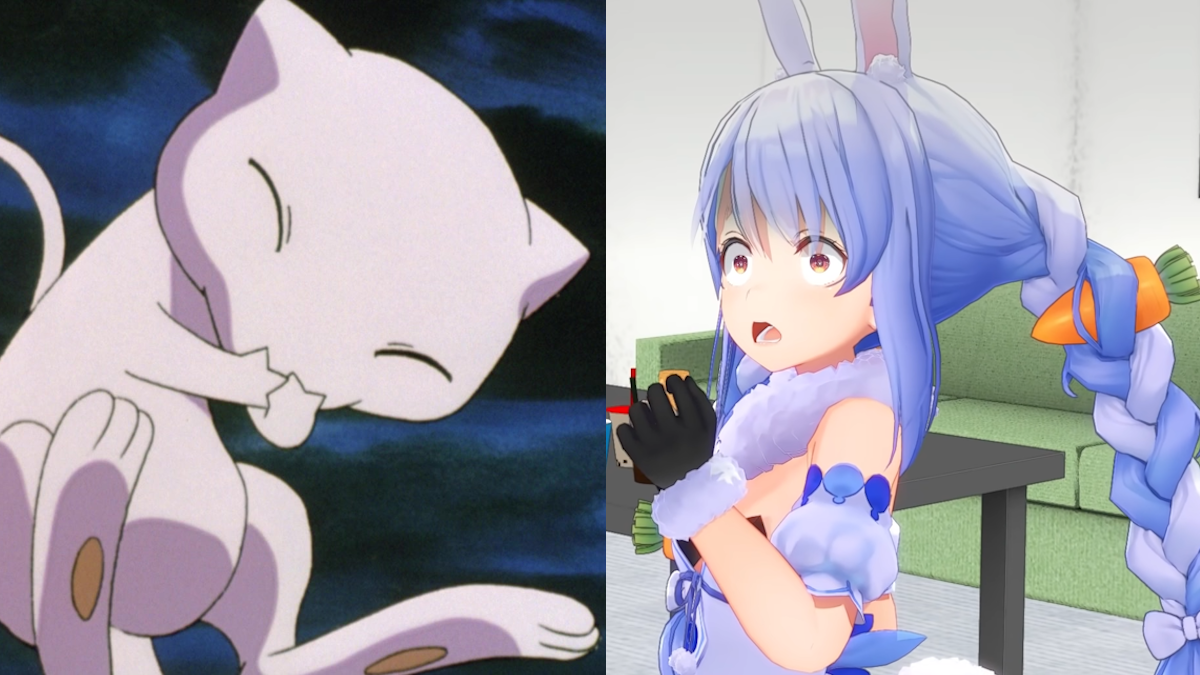
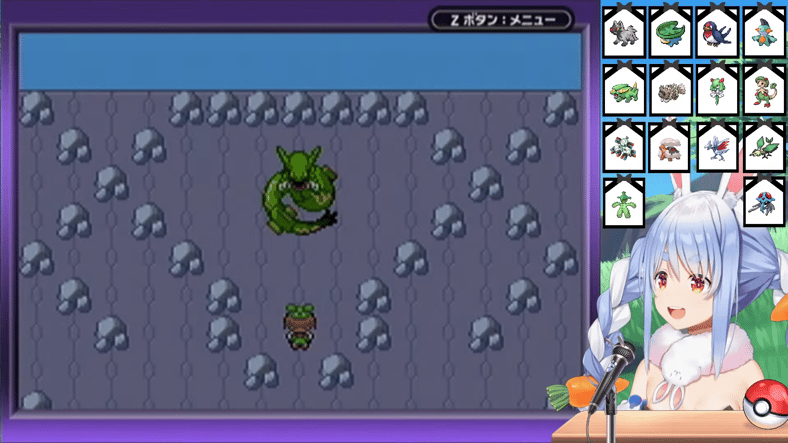
Her goal was ambitious yet rooted in the "completionist" spirit of the fandom: she wanted to legitimately trigger the in-game event for Mew. In the original 2005 distribution, players could only access Faraway Island—the home of the mythical Pokémon Mew—by obtaining a rare, time-limited item known as the "Old Sea Map" via a physical distribution event.
During her stream, Pekora successfully accessed the item, much to the delight of her viewers. However, this success immediately triggered suspicion within the community. Keen-eyed viewers and data enthusiasts quickly questioned the legitimacy of the cartridge, noting that the specific version of the "Old Sea Map" ticket or the save state architecture on the cart suggested the software had been tampered with or "hacked" to force the event trigger.
A Chronology of the Controversy
The situation escalated rapidly following the stream.
- The Discovery: During her broadcast, Pekora showcased the item, appearing to believe she had secured a legitimate, rare copy of the game.
- Community Backlash: Almost immediately, reports surfaced on social media and forums suggesting that the physical cart she was using was a reproduction or a "flash cart" disguised as an original, containing modified save data to unlock content that should have been inaccessible nearly two decades after the event expired.
- The Silent Takedown: Recognizing the potential violation of both Nintendo’s guidelines and the optics of promoting "hacked" hardware, the official archive of the stream was abruptly taken offline.
- The Official Statement: Five days post-stream, Hololive’s parent company, Cover Corp, issued a formal apology and a detailed explanation of their consultation with Nintendo, confirming that they had been instructed to remove the content to avoid further misunderstandings.
- The Public Clarification: In an April 3rd follow-up, Pekora addressed her fans directly, expressing her own confusion regarding the authenticity of the cartridge and ultimately deciding to abandon the quest for the shiny Mew to avoid further complications.
The Legal Landscape: Japan’s Unfair Competition Prevention Act
The core of the issue lies in Japan’s evolving legal stance on gaming integrity. In 2019, the Japanese government amended the Unfair Competition Prevention Act, significantly tightening the screws on the secondary market for modified software and hardware.

The law was designed to curb the rampant reselling of "save data modification tools" and modified game consoles. Under the current interpretation of these laws, the distribution or use of unauthorized tools that alter a game’s save state or bypass intended limitations—such as event-locked items—can be classified as a violation of copyright and consumer protection laws.
The implications are severe. Violators in Japan can face substantial fines of up to 5 million JPY (approximately $34,800 USD) and, in extreme cases, up to five years of imprisonment. This legal climate has created a culture where Japanese streamers and agencies must operate under extreme caution. While Western audiences often view emulation or "ROM hacking" as a victimless preservation effort, major publishers in Japan view it as a direct threat to the sanctity of their intellectual property.
Precedent: The Rising Tide of Nintendo’s Enforcement
The intervention in Pekora’s case did not happen in a vacuum. Nintendo has been increasingly aggressive in its efforts to protect its IP, particularly as it prepares for the next generation of hardware.
In April 2024, a 36-year-old individual was arrested for selling modified Pokémon for Pokémon Scarlet and Violet. Shortly thereafter, a 32-year-old was apprehended for distributing hacked copies of Pokémon Sun. Even more notably, a 58-year-old man was recently handed a suspended prison sentence for selling modded Nintendo Switch consoles capable of playing pirated software. These cases establish a clear narrative: the Japanese authorities, spurred by complaints from developers like Nintendo, are actively pursuing those who profit from or facilitate the bypassing of game security.
For a corporate entity like Hololive, which relies on maintaining a positive relationship with publishers to secure streaming permissions, the risk of being associated with "hacked" content is a non-starter.
The Official Response from Cover Corp
The statement released by Hololive was professional, contrite, and aimed at de-escalating the situation.
"We have consulted with Nintendo Corporation… regarding the content of a recent game distribution that was suspected of violating the guidelines," the statement read. The company emphasized that they were instructed to keep the video private, avoid future projects that risk violating Nintendo’s intellectual property guidelines, and reinforce educational training for their talent regarding these restrictions.
The statement concluded with a plea to the fanbase: "Please refrain from contacting the talent or related parties directly regarding this matter." This was a necessary move to protect Pekora from a deluge of online vitriol, as the community was deeply divided between those who felt Nintendo was being overly draconian and those who believed the rules were clear and should have been followed.
Implications: The "Grey Zone" of Retro Gaming
The most fascinating aspect of this incident is the debate it ignited regarding the accessibility of legacy content. Pokémon Emerald, a cornerstone of the Game Boy Advance era, is notably absent from the Nintendo Switch Online library.
Many fans argued that if Nintendo refuses to make these titles available on modern platforms, they cannot reasonably blame content creators for seeking out physical copies—even if those copies have been tampered with. However, from a legal standpoint, the "unavailability" of a game does not grant a "right" to use hacked or modified versions of it.
For streamers, this creates a significant "grey zone." If a creator buys a used game in good faith, how are they expected to verify its authenticity? Is it the creator’s responsibility to perform a forensic analysis of a 20-year-old cartridge before playing it? The industry has yet to provide a clear answer, but the result for the creator remains the same: the loss of content, the threat of legal action, and a public reprimand.
Conclusion: A Lesson in Corporate Compliance
Usada Pekora’s experience serves as a stark reminder of the realities facing modern digital entertainers. In an era where streaming platforms have become the primary marketing vehicle for the gaming industry, the power dynamics are heavily skewed toward the publishers.
For the VTuber, the decision to pivot to Pokémon Fire Red—a title that, while also retro, does not involve the same level of controversy regarding event-locked data—demonstrates a pragmatic shift toward safer content. As the industry moves forward, the "Pekora Incident" will likely be cited as a definitive case study in how quickly a simple, passion-driven stream can spiral into a complex legal confrontation.
While the debate over the ethics of "ROM hacking" and "cartridge modification" will continue to rage in online forums, the corporate reality is set in stone: when it comes to Nintendo’s IP, compliance is not optional, and the definition of a "legitimate" game is strictly enforced by the letter of the law.








