
 Dwi Wanna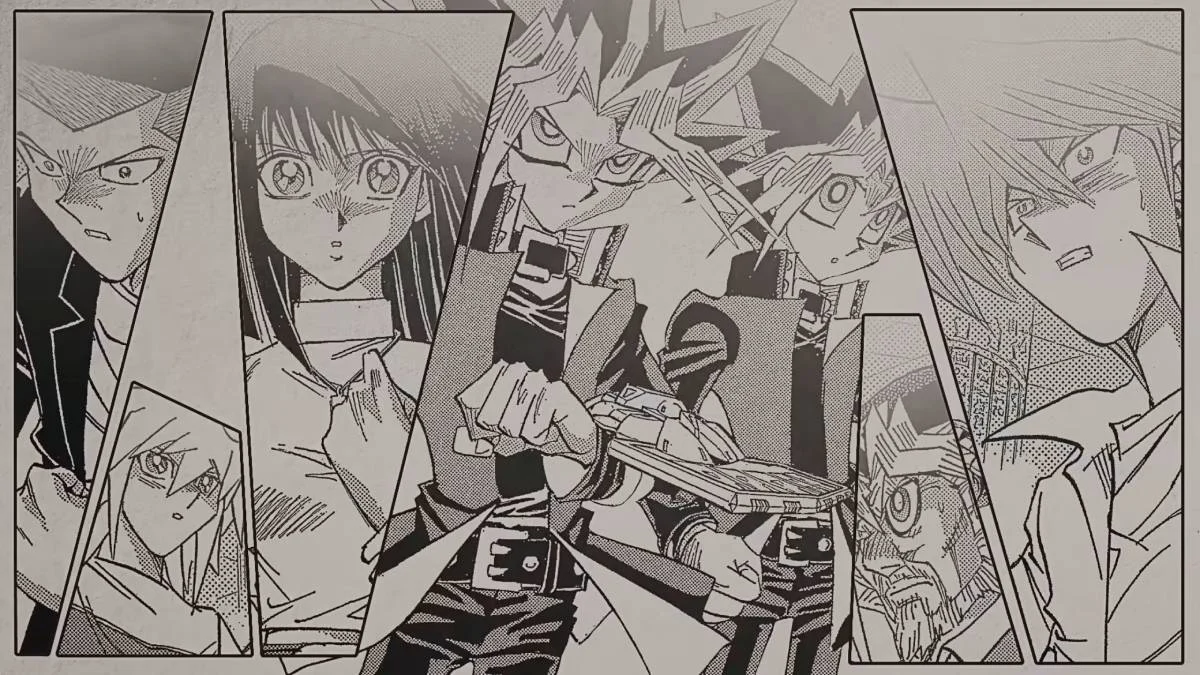
The iconic world of dueling monsters, born from the pages of a manga, is gearing up for a monumental milestone: its 30th anniversary. To commemorate this significant chapter in pop culture history, publisher Shueisha has unveiled a stirring music video featuring the beloved theme song "OVERLAP" by KIMERU, a track deeply etched into the memories of fans. This visual celebration revisits pivotal moments from the original manga, showcasing the enduring appeal of Yugi Mutou, Seto Kaiba, and their legendary monsters.
The announcement, made by Shueisha, heralds the impending 30th anniversary of the Yu-Gi-Gi-Oh! manga, a series that has captivated audiences worldwide since its debut. The specially produced music video serves as a powerful homage, weaving together iconic characters and their most memorable duels. Fans will be delighted to see the return of Yugi Mutou, the courageous protagonist, alongside his formidable rival Seto Kaiba, the loyal friends Anzu Mazaki and Katsuya Jonouchi, and the ever-present Hiroto Honda. Accompanying them are the formidable monsters that have become synonymous with the franchise: the powerful Dark Magician, the elegant Dark Magician Girl, the ferocious Red-Eyes Black Dragon, and the majestic Blue-Eyes White Dragon.
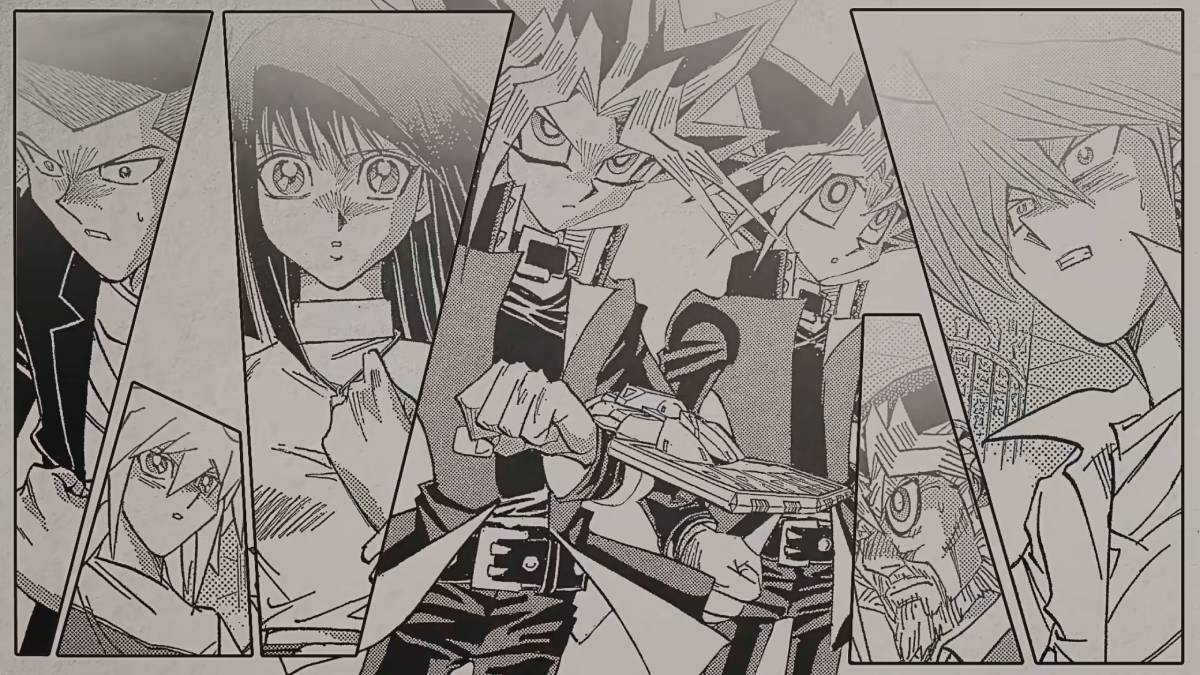
The music video’s animation draws directly from the original Yu-Gi-Oh! manga, which serialized in the esteemed Weekly Shonen Jump. It meticulously recreates critical junctures and electrifying battles that defined the early narrative, offering a visual journey through the manga’s formative years. The choice of KIMERU’s "OVERLAP" as the soundtrack is particularly poignant. This energetic and anthemic song served as the final opening theme for the anime adaptation, making it a deeply resonant piece for a generation of fans who grew up with the series. Its inclusion in the anniversary video amplifies the sense of nostalgia and celebrates the seamless transition of the manga’s spirit into its animated counterpart.
This elaborate tribute underscores the profound and lasting impact of the Yu-Gi-Oh! manga. Its intricate storylines, strategic duels, and unforgettable characters have not only spawned a globally successful trading card game but have also inspired a vast anime franchise, numerous video games, and a wealth of merchandise. The 30th anniversary is more than just a number; it’s a testament to the enduring power of Kazuki Takahashi’s creation and its ability to connect with new audiences while maintaining its hold on long-time fans.
A Timeline of Triumph: The Evolution of Yu-Gi-Oh!
The journey of Yu-Gi-Oh! began in August 1996, when Kazuki Takahashi’s manga first graced the pages of Weekly Shonen Jump. The series initially focused on Yugi Mutou, a shy but brilliant high school student who solves an ancient puzzle known as the Millennium Puzzle. This act unlocks a powerful alter ego within him, capable of engaging in dangerous games and duels. While early arcs explored a variety of games, the introduction of "Duel Monsters," a card game featuring magical creatures, quickly became the central focus and the most popular element.
The manga’s immense popularity paved the way for its adaptation into an anime series, which premiered in April 1998. This initial anime adaptation, however, only loosely followed the manga and had a relatively short run. The true phenomenon began with the second anime series, simply titled Yu-Gi-Oh!, which premiered in April 2000. This iteration, often referred to as Yu-Gi-Oh! Duel Monsters, more closely adhered to the manga’s narrative, particularly the Duelist Kingdom and Battle City arcs, which introduced the iconic monsters and rivalries that would define the franchise.
The success of the anime and manga propelled the Yu-Gi-Gi-Oh! Trading Card Game into a global sensation. Launched in Japan in 1999 and internationally in 2002, the TCG became the best-selling trading card game in the world, a title it has held for many years. The game’s strategic depth and the continuous release of new cards have ensured its longevity and fostered a massive, dedicated community.
Over the decades, the Yu-Gi-Oh! universe has expanded significantly. Subsequent manga series, such as Yu-Gi-Oh! GX, Yu-Gi-Oh! 5D’s, Yu-Gi-Oh! Zexal, Yu-Gi-Oh! Arc-V, Yu-Gi-Oh! VRAINS, Yu-Gi-Oh! SEVENS, and the latest Yu-Gi-Oh! GO RUSH!!, have introduced new protagonists, settings, and mechanics, each building upon the foundational elements established by the original manga. These continuations have ensured that Yu-Gi-Oh! remains relevant and exciting for new generations of fans, while also providing opportunities for older fans to reconnect with the franchise’s roots.
The 30th anniversary of the original manga is a particularly significant moment, marking three decades since the inception of this enduring legacy. It serves as a perfect opportunity to reflect on the series’ humble beginnings and its extraordinary evolution into a global entertainment juggernaut.
Echoes of the Past: The "OVERLAP" Music Video and Its Significance
The newly released music video for "OVERLAP" is more than just a compilation of animated clips; it’s a carefully curated journey through the heart of the original Yu-Gi-Oh! manga. By selecting this particular song and animating key scenes, Shueisha has tapped into a deep well of fan nostalgia.
Key Visual Elements and Themes:
- Character Spotlights: The video prominently features the core cast, emphasizing their individual journeys and relationships. Yugi’s growth from an insecure boy to a confident duelist is a central theme, as is his complex dynamic with Seto Kaiba, a rivalry built on both animosity and a grudging respect. The inclusion of their friends highlights the importance of camaraderie and support in their adventures.
- Iconic Monster Showcases: The legendary monsters are not merely background elements; they are showcased in their full glory, often during climactic battle sequences. The visual representation of Dark Magician, Dark Magician Girl, Red-Eyes Black Dragon, and Blue-Eyes White Dragon evokes powerful memories of their signature moves and their crucial roles in pivotal duels.
- Manga-Specific Animation: The video’s animation style is directly inspired by Kazuki Takahashi’s distinct artwork from the manga. This choice offers a unique visual experience for fans who appreciate the original artistic vision, differentiating it from the anime’s aesthetic. It allows viewers to revisit iconic panels and sequences brought to life with renewed vibrancy.
- Narrative Arc Representation: The clips selected appear to follow a loose chronological order, mirroring the progression of the manga’s narrative. From the early duels in Duelist Kingdom to the high-stakes battles of Battle City, the video captures the escalating tension and the development of the characters and their strategies.
The choice of "OVERLAP" itself is significant. As the final opening theme of the Yu-Gi-Oh! Duel Monsters anime, it represents a sense of culmination and transition. Its inclusion in the manga anniversary video bridges the gap between the original printed work and its most popular animated adaptation, acknowledging the interconnectedness of these mediums in building the franchise’s legacy. The song’s energetic tempo and uplifting melody perfectly complement the visual narrative of overcoming challenges and achieving victory, resonating with the core themes of the Yu-Gi-Oh! saga.
The video serves as a powerful reminder of what made Yu-Gi-Oh! so captivating in its early days: compelling characters, thrilling duels, and a world brimming with mystery and adventure. It invites both long-time fans to reminisce and new audiences to discover the foundational elements of this enduring franchise.
Supporting Data and Industry Impact: The Enduring Power of Yu-Gi-Oh!
The Yu-Gi-Oh! franchise’s longevity and global reach are not accidental; they are a testament to its innovative design and consistent appeal. The manga’s success was the genesis, but the subsequent developments have solidified its place in pop culture history.
- Manga Sales and Reach: While specific sales figures for the original manga over its entire run are vast and complex to isolate, its serialization in Weekly Shonen Jump, one of the best-selling manga magazines in the world, indicates a massive initial readership. Viz Media’s distribution of the manga in North America and other regions has further expanded its audience, making it accessible to a global fanbase. The manga has been translated into numerous languages, underscoring its international appeal.
- Trading Card Game Dominance: The Yu-Gi-Oh! Trading Card Game (TCG) is arguably the franchise’s most impactful extension. Konami, the game’s publisher, has consistently reported strong sales figures. In 2011, it was recognized by Guinness World Records as the best-selling trading card game of all time, having sold over 25.2 billion cards worldwide. This record-breaking success has continued, with millions of players actively participating in local and international tournaments. The TCG’s constant evolution with new sets and formats ensures continued engagement and revenue.
- Anime’s Global Footprint: The anime adaptations, particularly Yu-Gi-Oh! Duel Monsters, have been instrumental in popularizing the franchise worldwide. Broadcast in over 100 countries and translated into dozens of languages, the anime has introduced millions to the world of dueling. Streaming platforms like Crunchyroll now offer the series, making it readily available to a new generation of viewers. The consistent production of new anime series demonstrates a sustained commitment from the creators and a persistent demand from the audience.
- Merchandising and Spin-offs: Beyond cards and anime, Yu-Gi-Oh! has a vast merchandising empire, including video games, toys, apparel, and collectibles. The franchise has spawned numerous successful video games across various platforms, contributing significantly to its revenue streams and providing interactive experiences for fans. The consistent release of anniversary-themed merchandise, such as the 25th-anniversary Legendary Collection box, further highlights the commercial viability and enduring appeal of the brand.
The success of Yu-Gi-Oh! can be attributed to several factors:
- Strategic Depth: The core concept of strategic card duels offers a compelling gameplay experience that appeals to both casual and competitive players.
- Compelling Narrative and Characters: The manga and anime provide rich storytelling with relatable characters, intricate plotlines, and memorable rivalries.
- Nostalgia and Legacy: The original series holds a special place in the hearts of many, and anniversary celebrations tap into this powerful sense of nostalgia.
- Continuous Innovation: The ongoing release of new cards, anime series, and game mechanics keeps the franchise fresh and relevant.
The 30th anniversary is not just a celebration of past achievements but also a springboard for future endeavors, ensuring that the world of Yu-Gi-Oh! continues to thrive.
Official Responses and Fan Reception: A Harmonious Union
The unveiling of the "OVERLAP" music video has been met with widespread enthusiasm from the Yu-Gi-Oh! fanbase. The nostalgic imagery, coupled with the iconic soundtrack, has struck a chord with fans who grew up with the series.
Publisher and Creator Statements (Implied):
While specific direct quotes from Kazuki Takahashi are not available for this announcement, Shueisha’s decision to produce and release this high-quality commemorative video speaks volumes. The act itself is an official acknowledgment and celebration of the manga’s enduring legacy. Shueisha, as the publisher of Weekly Shonen Jump, has a vested interest in celebrating its most successful properties. The creation of this video demonstrates their commitment to honoring the foundational work of Kazuki Takahashi and engaging with the dedicated fanbase. The inclusion of the original manga’s visual style suggests a deep respect for Takahashi’s artistic vision.
Fan Community Reaction:
Online forums, social media platforms, and fan communities have buzzed with excitement since the music video’s release. Comments sections on platforms like YouTube are filled with expressions of joy, nostalgia, and appreciation. Fans have shared personal anecdotes about their early experiences with the manga and anime, highlighting how Yu-Gi-Oh! impacted their childhoods.
- Nostalgia Overload: Many fans have expressed how the video brought back cherished memories of watching the anime and reading the manga. Phrases like "This brought tears to my eyes," "Pure nostalgia," and "I miss these days" are common.
- Appreciation for the Music Choice: The selection of "OVERLAP" has been particularly praised. Fans recall it as a pivotal theme song that perfectly encapsulated the series’ energy and emotional arc.
- Recognition of Key Moments: Viewers have pointed out specific scenes and duels featured in the video, sparking discussions about their favorite arcs and battles. The faithful animation style, drawing from the manga, has also been a point of positive commentary.
- Anticipation for Further Celebrations: The music video is seen as a harbinger of more anniversary events to come. Fans are speculating about potential new merchandise, anime projects, or even in-person celebrations to mark this significant milestone. The mention of Konami’s extensive efforts for the TCG’s 25th anniversary has fueled these expectations.
The overwhelming positive reception indicates that the "OVERLAP" music video has successfully captured the essence of what makes Yu-Gi-Oh! so beloved. It serves as a powerful reminder of the franchise’s rich history and the deep emotional connection it has forged with its global audience. This shared sentiment is a testament to the enduring power of Kazuki Takahashi’s creation.
Implications and Future Prospects: A New Era of Dueling Celebrations
The 30th anniversary of the Yu-Gi-Oh! manga marks a pivotal moment, not just for the franchise itself but also for the broader landscape of anime and manga fandom. The celebratory music video is likely just the beginning of a year-long series of events and announcements designed to honor this significant milestone.
Continued Franchise Relevance:
The anniversary celebrations serve to re-energize the existing fanbase and attract new audiences. By highlighting the manga’s origins and the iconic characters and monsters, Shueisha and Konami are reinforcing the foundational pillars of the Yu-Gi-Oh! universe. This can translate into renewed interest in the trading card game, ongoing anime series, and future media projects.
Potential for New Content and Collaborations:
Given the success of previous anniversary campaigns, such as the 25th anniversary of the TCG which included special product releases and promotional videos, it is highly probable that the manga’s 30th anniversary will be met with similar, if not grander, initiatives. These could include:
- Limited Edition Merchandise: Exclusive merchandise, such as special card sets, collectible figures, art books, and apparel, are almost a certainty. These items often become highly sought-after by collectors.
- New Manga or Anime Projects: While not guaranteed, anniversaries of this magnitude sometimes coincide with the announcement of new manga series, spin-offs, or even a reboot or reimagining of the original story in a new animated format.
- Digital Content and Events: Online events, digital art exhibitions, and interactive campaigns could be developed to engage fans globally. This might include virtual dueling tournaments or Q&A sessions with creators and voice actors.
- Cross-Franchise Collaborations: Yu-Gi-Oh! has a strong presence in the gaming world. Potential collaborations with other popular video game titles or even other anime franchises could be on the horizon, expanding its reach even further.
The Enduring Appeal of Kazuki Takahashi’s Vision:
The anniversary serves as a poignant reminder of Kazuki Takahashi’s creative genius. His vision of a world where strategy, friendship, and courage are paramount continues to resonate with millions. As the franchise looks towards its next chapter, the core values and themes established in the original manga will undoubtedly remain central.
The 30th anniversary of the Yu-Gi-Oh! manga is more than just a retrospective; it’s a testament to the enduring power of storytelling and the ability of a single creation to inspire and connect generations. The "OVERLAP" music video is a fitting tribute, a harmonious blend of past and present that promises an exciting future for the world of dueling monsters. As fans eagerly await further announcements, one thing is clear: the spirit of the duel lives on, stronger than ever, three decades after its inception.


 Lina Irawan
 Sagoh
Sagoh





