

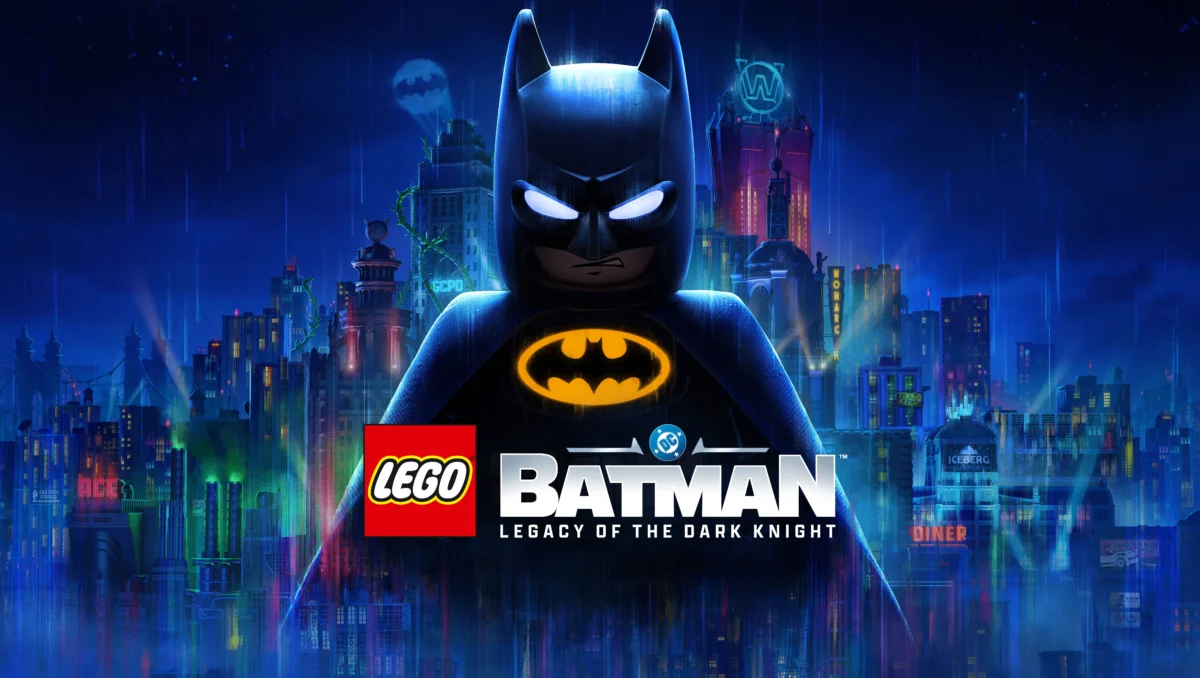
For decades, the intersection of the LEGO brand and the Batman franchise has produced some of the most enduring memories in gaming. From the early charm of the original LEGO Batman to the sprawling ambition of The Skywalker Saga, the formula has been a cornerstone of family-friendly interactive entertainment. However, the release of LEGO Batman: Legacy of the Dark Knight marks a pivotal shift for developer TT Games. It is no longer just a "kids’ game"—it is a sophisticated, open-world love letter to the Caped Crusader that stands as the most polished and expansive title in the series’ history.
The Evolution of the Brick: Main Facts and Premise
LEGO Batman: Legacy of the Dark Knight is not a singular adaptation of one film or comic arc. Instead, it serves as a grand "Greatest Hits" anthology, weaving together disparate eras of Batman history into a cohesive, playable narrative. Developed by TT Games with collaborative support from Rocksteady Studios, the title introduces a level of mechanical depth previously unseen in the LEGO franchise.
The game boasts a staggering roster of over 100 playable characters, each with unique abilities, and an exhaustive list of unlockable vehicles ranging from the iconic 1989 Batmobile to deep-cut obscurities like the 1951 Robinmobile. The core gameplay loop blends signature LEGO puzzle-solving with a combat system heavily inspired by the Batman: Arkham series. This marriage of styles—playful exploration and technical, rhythm-based combat—creates a gameplay experience that respects the source material while maintaining the whimsical accessibility fans expect.
A Chronological Odyssey: Mapping the Campaign
The narrative structure of Legacy of the Dark Knight is one of its most compelling features. Rather than a linear slog through a single plot, the game is divided into distinct, era-spanning chapters.
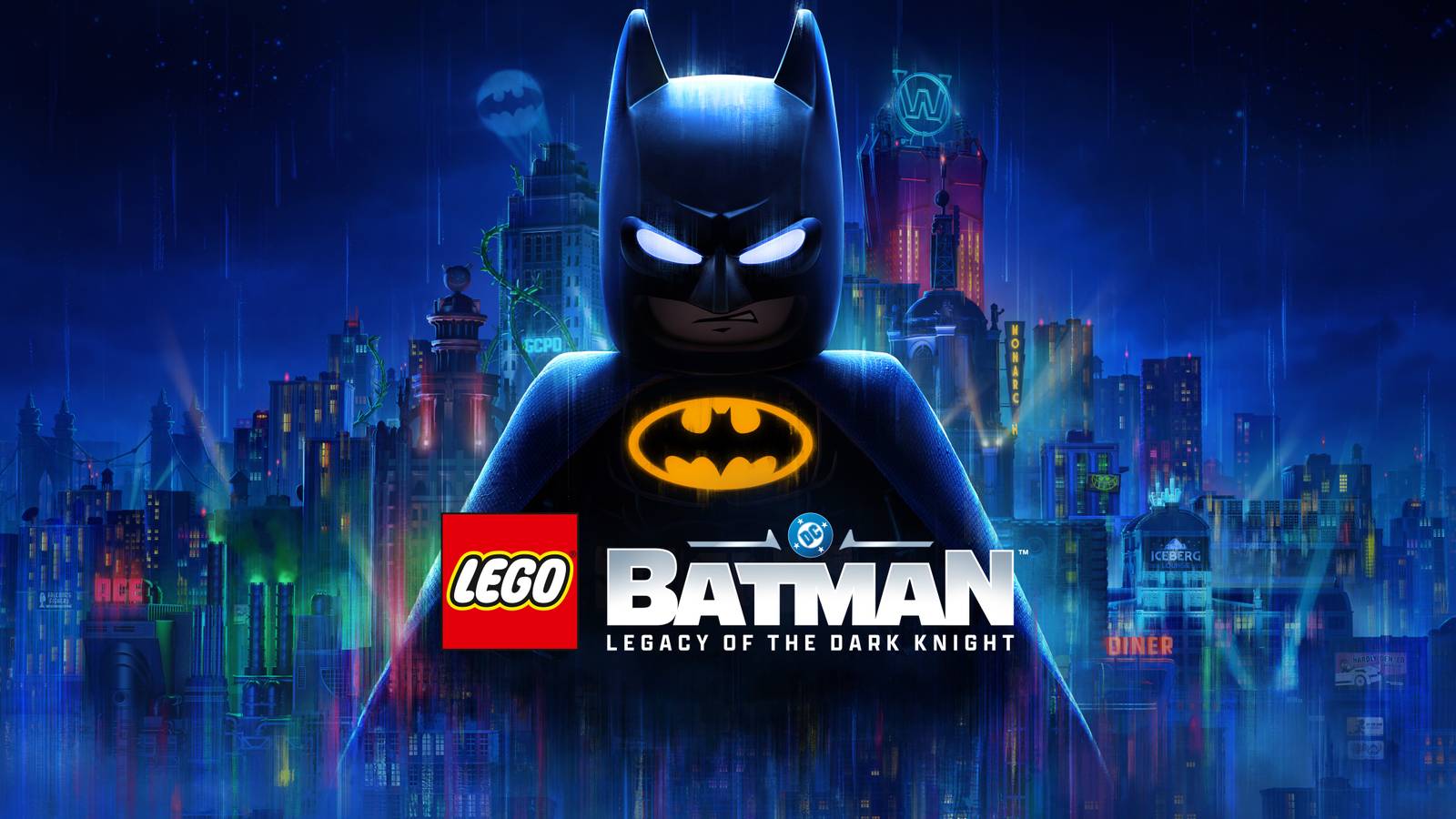
The experience begins with a high-stakes prologue heavily influenced by Batman Begins, chronicling Bruce Wayne’s transformative training with the League of Shadows. From there, players are thrust into a multiversal journey that touches upon the most iconic aesthetic and thematic touchstones of the character. The campaign features six distinct "Movie Eras," including the gothic architecture of Tim Burton’s Batman (1989), the neon-soaked excess of Batman Forever, and the grounded, gritty realism of Matt Reeves’ The Batman.
This structure allows the game to function as a celebration of the medium. Players witness the evolution of the Joker, with the game seamlessly transitioning between the distinct portrayals of Jack Nicholson and Heath Ledger, all while maintaining the unique LEGO aesthetic. The pacing is tight, clocking in at approximately 12 hours for the main story, though this is merely a fraction of the game’s total depth.

Data and Mechanical Depth: Supporting Features
The technical accomplishment of Legacy of the Dark Knight is perhaps its most impressive metric. With a 43.53% completion rate after the initial 11-hour story run, the sheer volume of content is staggering. The game utilizes a robust open-world Gotham City that serves as a central hub, packed with side activities, Riddler puzzles, and emergent crime-fighting scenarios that echo the design philosophy found in Sony’s Marvel’s Spider-Man.
Gadgetry and Combat
The combat system is a highlight, featuring free-flow mechanics that allow for fluid transitions between counters, strikes, and environmental takedowns. The integration of character-specific gadgets provides a layer of tactical variety:
- Catwoman: Specialized in safe-cracking and remote-controlled drone traversal.
- Batgirl: A master of hacking, utilizing a unique "Frogger-style" interface to bypass security.
- Jim Gordon: Equipped with specialized foam weaponry to manipulate environmental hazards.
Every character—from the Dark Knight himself to his sidekicks—is equipped with a grappling hook and glider, ensuring that traversal across the sprawling rooftops of Gotham remains exhilarating throughout the play-through.

Official Perspectives: The Rocksteady Connection
While speculation has circulated for months regarding the involvement of other studios, the end-credits confirmation of "Co-Dev Rocksteady" clarifies the leap in quality seen in the combat and stealth systems. By lending their expertise in movement and environmental awareness, Rocksteady has effectively helped transition the LEGO series into a more modern action-adventure framework.
In official statements, the team at TT Games emphasized that their goal was to create a "Batman nerd’s paradise." By sourcing iconic lines from film and print and recontextualizing them through a lens of LEGO-style humor, the developers have ensured that the game feels like a genuine tribute rather than a cynical cash-grab. The attention to detail extends to the "Bat-Mite’s Shops," where players can customize their Batcave with relics discovered during their journey, adding a layer of personal ownership to the experience.
Implications for the Future of LEGO Gaming
The release of Legacy of the Dark Knight sets a high bar for future franchise titles. It proves that the "LEGO" label is no longer a limiting factor but a versatile platform capable of hosting complex, mechanical, and narrative-heavy experiences.
A New Standard for Fan Service
The game’s implications are clear: audiences crave depth. By including obscure characters like Condiment King and Kite-Man alongside the heavy hitters, TT Games has successfully courted the "hardcore" audience while retaining the accessibility that makes these games perfect for local co-op. The decision to include multiple difficulty settings—ranging from an approachable mode for younger players to a challenging "Dark Knight" setting for veterans—shows a mature understanding of their player base.
Performance and Polish
Though the game is a triumph, it is not entirely without friction. Reports of occasional camera inconsistencies and rare crashes back to the main menu on PlayStation 5 serve as reminders of the immense scale of the project. However, these minor technical hurdles do not detract from the overall polish. The game runs smoothly for the vast majority of the experience, maintaining high visual fidelity even when the screen is crowded with particles and enemies.
Conclusion: A Definitive Gotham Experience
LEGO Batman: Legacy of the Dark Knight is a landmark achievement. It is a game that honors the past of the franchise while pushing the boundaries of what a LEGO title can achieve. Whether you are a long-time devotee of the comic books, a film buff looking for an interactive retrospective, or simply a gamer in search of a high-quality, content-rich experience, this title delivers on almost every front.
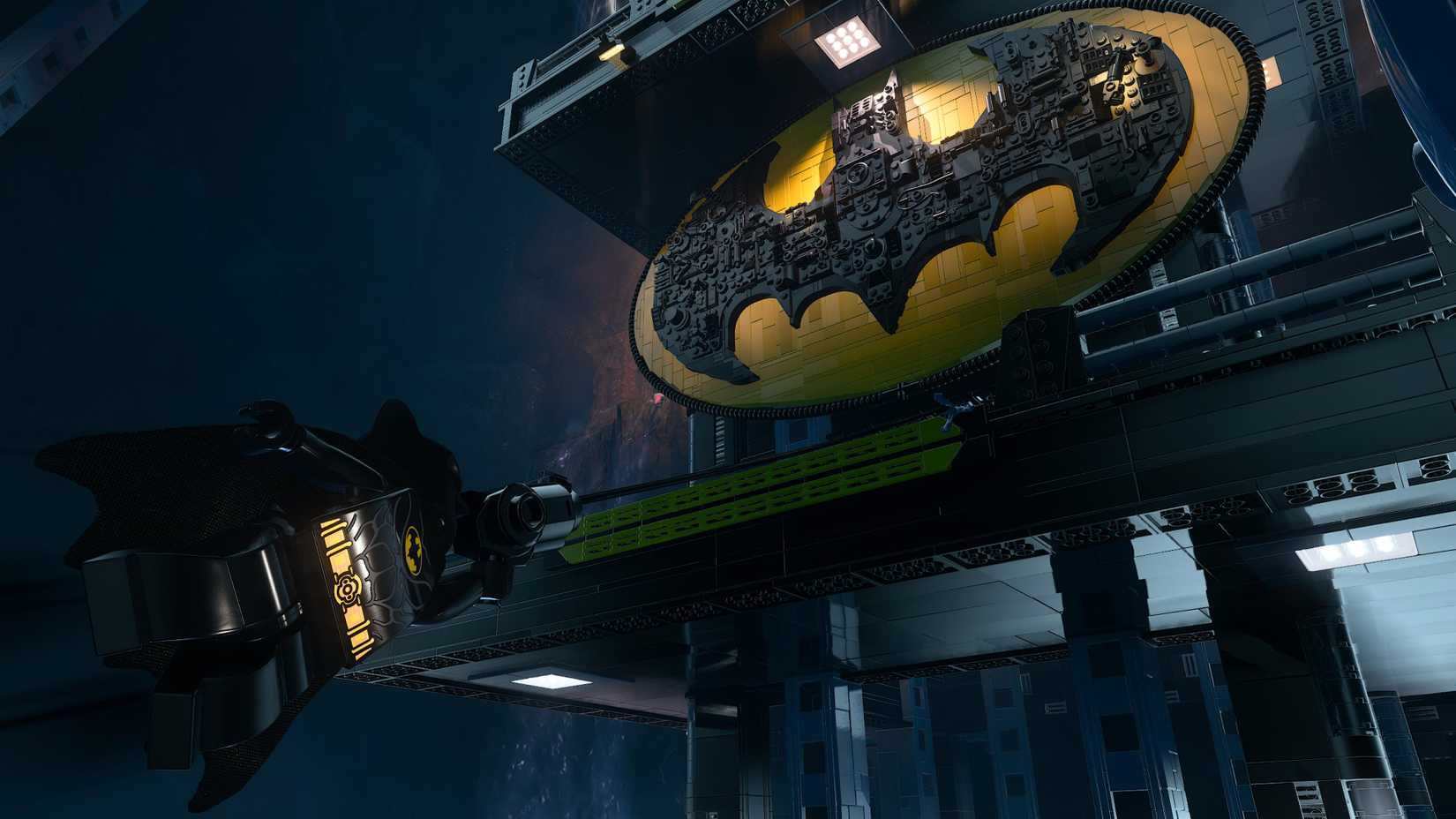
As the industry looks toward the next generation of licensed games, Legacy of the Dark Knight stands as a testament to the power of thoughtful design and deep, authentic love for the source material. It is more than just a game; it is the ultimate interactive Bat-Signal, shining brightly in a crowded gaming landscape. For those ready to step into the cowl, Gotham is waiting—and it has never looked more vibrant.












No comments yet. Be the first to join the conversation!